

 Enviar
 Compartir
 Detalles

 Descargar
 Similares
 Presentación de diapositivas
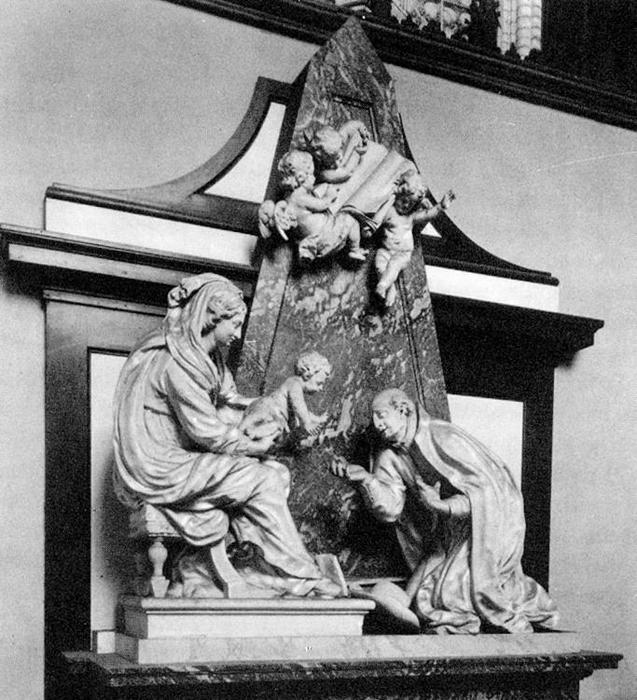
Monument to the Berthout Family


 Ver más
Adquiera una imagen digital de alta resolución y optimizada, muy superior a la vista previa en línea.
Cada archivo es preparado meticulosamente por nuestros especialistas internos mediante el uso de herramientas avanzadas y un experto retoque manual. Nos aseguramos de que cada imagen posea una claridad excepcional, una precisión cromática impecable y un detalle minucioso.
El archivo final se entrega por correo electrónico en un plazo de 72 horas, optimizado para su uso inmediato en entornos profesionales, editoriales y de impresión. Esta es la misma calidad en la que confían los estudios de diseño, las editoriales y las galerías de primer nivel.
Imagen Digital
Descarga un archivo de alta resolución para exhibición personal, impresión y proyectos creativos. ( Comprar impresión Comprar pintura hecha a mano)
Incluido en cada pedido de imágenes digitales
Entrega digital experta, garantizada.
Al elegir ArtsDot.com, no solo está adquiriendo una imagen; está recibiendo una obra de arte digital mejorada profesionalmente, elaborada con precisión y respaldada por una garantía de satisfacción. Esto es todo lo que incluye su pedido, automáticamente:

Entrega rápida por email
Recibirá su archivo de imagen digital en alta resolución por correo electrónico en un plazo de 72 horas tras realizar su pedido, listo para su uso inmediato.

Archivo digital optimizado por IA
Su obra de arte se optimiza profesionalmente mediante herramientas avanzadas de IA y edición manual, garantizando el máximo detalle, claridad y precisión cromática.

Reenvío gratuito de por vida
¿Has borrado o perdido tu archivo por error? No te preocupes: te lo volveremos a enviar en cualquier momento, sin coste adicional.

Sin gastos de importación, siempre
Disfrute de su obra de arte al instante sin aduanas, aranceles ni gastos de envío; las descargas digitales siempre están libres de impuestos.

Garantía de fidelidad de color
Garantizamos que su imagen digital refleje los colores originales con la mayor fidelidad posible, mediante el uso de herramientas profesionales y gestión del color.

Garantía de satisfacción de 60 días
Si no está satisfecho con su imagen digital, la revisaremos o le reembolsaremos el 100% en un plazo de 60 días, sin preguntas.

100% Garantía de devolución de dinero
¿No está satisfecho? Obtenga un reembolso completo dentro de los 60 días posteriores a la recepción de su archivo digital, sin necesidad de explicaciones.

Descuentos por pedidos grandes
Compra 3 imágenes, ahorra 10% - Compra 5, ahorra 15% - Compra 10+, ahorra 20%. Ideal para proyectos creativos, galerías y agencias.
A Testament to Family and Faith: The Berthout Monument by Lucas Faydherbe
The Monument to the Berthout Family, sculpted in exquisite marble by Lucas Faydherbe around 1650, stands as a remarkable testament to both familial piety and the burgeoning Baroque aesthetic of Flanders. More than just a funerary monument, it’s a meticulously crafted tableau vivant, capturing a moment of solemn contemplation within an elaborate architectural setting – a scene that speaks volumes about the values and aspirations of its patrons and the artistic sensibilities of the era.
Faydherbe, a pivotal figure in the Flemish Baroque, inherited his passion for sculpture from his father, Hendrik, a respected workshop owner specializing in decorative carving. This lineage instilled within him not only technical mastery but also an understanding of how art could serve as a powerful vehicle for expressing faith and commemorating loved ones. The monument itself is a prime example of this philosophy; it’s a carefully orchestrated narrative designed to honor the Berthout family, particularly their devotion to the church and their standing within the community.
A Composition of Dignified Grace
The sculpture depicts a scene of quiet reverence: a seated woman, presumed to be a member of the Berthout family, holds an open book – a symbol of learning, piety, and perhaps even legal authority. Beside her stands a man, likely her husband, his posture suggesting attentiveness and respect. Scattered around them are several smaller figures, often interpreted as cherubs or angels, adding a layer of divine grace to the scene. The arrangement is hierarchical yet balanced, guiding the viewer’s eye through the composition with subtle gestures and carefully positioned elements.
Faydherbe masterfully employs diagonal lines to create dynamism within the static form of the sculpture. The upward thrust of the figures, combined with the intricate drapery, draws the eye towards the architectural frame that envelops the scene. This framing is not merely decorative; it reinforces the monument’s purpose as a sacred space dedicated to remembrance and prayer. The use of strong vertical lines in the surrounding architecture provides stability and anchors the sculpture within its context.
The Language of Marble: Technique and Texture
Faydherbe's skill lies not only in his composition but also in his technical execution. Working with Carrara marble, he demonstrates a profound understanding of how to capture texture and volume through subtractive sculpting – carefully removing material to reveal the form beneath. The smooth, polished surfaces of the marble reflect light beautifully, creating an illusion of depth and realism. Close examination reveals subtle variations in tone that mimic the natural imperfections of stone, lending the sculpture a sense of authenticity.
The drapery is particularly noteworthy – it’s rendered with remarkable fluidity and detail, conveying both weight and movement. The folds and creases are sculpted with precision, suggesting the texture of fabric while maintaining a cohesive visual harmony. This attention to detail extends to the faces of the figures, which are subtly expressive, hinting at emotions of contemplation and devotion.
Symbolism and Emotional Resonance
Beyond its literal depiction of a family gathering, the monument is rich in symbolic meaning. The open book represents knowledge and faith, while the seated woman’s posture suggests wisdom and authority. The presence of angels reinforces the idea of divine protection and guidance. The overall mood is one of solemnity and reverence – a reflection of the Berthout family's commitment to their religious beliefs and their desire to be remembered with honor.
Looking at the monument today, it’s impossible not to feel a sense of connection to the past. Faydherbe’s work transcends mere craftsmanship; it embodies the values and aspirations of a bygone era – a testament to family, faith, and the enduring power of art to capture and convey profound human emotions.
A Legacy in Stone
The Monument to the Berthout Family remains a significant example of Baroque sculpture, showcasing Faydherbe’s exceptional talent and his deep understanding of artistic principles. Its intricate detail, balanced composition, and evocative symbolism continue to captivate viewers centuries after its creation. Reproductions offer an accessible way to appreciate this remarkable work of art, bringing its beauty and meaning into modern homes and spaces.
Obras relacionadas

Biografía del artista
Lucas Faydherbe: Un Maestro Flandes del Barroco
- Nacido: 19 de enero de 1617, Malines (Mechelen), Bélgica
- Fallecido: 31 de diciembre de 1697, Mechelen, Bélgica
Vida Temprana y Formación
- Lucas Faydherbe nació en una familia de artistas en Mechelen. Su padre, Hendrik Faydherbe, dirigía un taller para la escultura decorativa y el tallado de alabastro, proporcionándole su formación inicial.
- Su madre, Cornelia Franchoys, provenía de una familia de pintores consumados, incluyendo a sus hermanos Lucas y Peter Franchoys el Anciano. Esta ascendencia artística influyó significativamente en su desarrollo.
- Tras la muerte de su padre y su posterior matrimonio con el escultor Maximilian Labbé, Faydherbe continuó su formación bajo la guía de Labbé.
- Un momento crucial en su carrera fue ser aceptado como aprendiz en el taller de Peter Paul Rubens en Amberes alrededor de 1636. Este aprendizaje de tres años lo expuso a las tendencias artísticas líderes de la época y moldeó profundamente su estilo.
Carrera y Desarrollo Artístico
- Faydherbe regresó a Mechelen después de dejar el taller de Rubens, casándose con Maria Snyers y convirtiéndose en maestro en el Gremio local de San Lucas. También trabajó en Bruselas, Amberes y Oudenaarde.
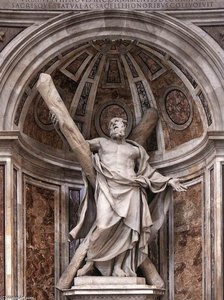
- Su obra temprana reflejó una fuerte influencia de Rubens, caracterizada por un monumentalismo solemne con pesados drapeados y detalles limitados. Un ejemplo es la estatua de San Andrés en la Catedral de Bruselas.
- Alrededor de 1645-1655, Faydherbe desarrolló un estilo más personal, marcado por una mayor plasticidad, un diseño más rico y una mayor expresividad. Se hizo conocido por retratar figuras con más humanidad y sensibilidad psicológica.
- Colaboró frecuentemente con otros escultores en proyectos religiosos a gran escala, notablemente en la Catedral de San Rumbold en Mechelen, trabajando junto a artistas como Rombaut Pauwels y Mattheus van Beveren.
- Faydherbe fue un firme defensor del establecimiento de una academia de arte en Mechelen, inspirado por instituciones similares en Bruselas y Amberes, aunque sus esfuerzos fueron finalmente infructuosos.
Obras Principales y Estilo Artístico
- Catedral de San Rumbold, Mechelen: Faydherbe contribuyó significativamente a la decoración de la catedral, incluyendo altares y monumentos funerarios.
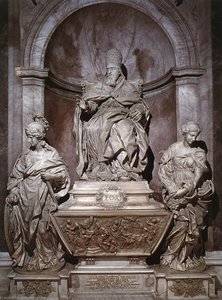
- Monumento Funerario del Arzobispo Andreas Creusen (1660): Esta obra demuestra su habilidad para crear memoriales conmemorativos.
- Altar Mayor para la Catedral de San Rumbold: Su proyecto final y más ambicioso mostró sus habilidades arquitectónicas y escultóricas, integrando elementos de madera pintada y piedra.
- Estilo: El estilo de Faydherbe evolucionó desde un enfoque influenciado por Rubens hacia una expresión barroca personal. Combinó hábilmente la escultura y la pintura, reflejando los ideales artísticos de su tiempo. Su obra se caracteriza por el uso dramático de la luz y la sombra, composiciones dinámicas y figuras expresivas.
Significado Histórico
- Lucas Faydherbe jugó un papel crucial en el desarrollo del estilo barroco tardío en los Países Bajos Meridionales. Su capacidad para asimilar y traducir los principios artísticos de Rubens en escultura lo estableció como una figura destacada en el arte flamenco.
- Contribuyó significativamente al arte religioso de su época, cumpliendo las demandas de la Contrarreforma creando esculturas impactantes para iglesias.
- El legado de Faydherbe se extiende más allá de sus obras individuales; fomentó una tradición de excelencia artística en Mechelen y formó a varios escultores notables, incluyendo Jan van Delen.
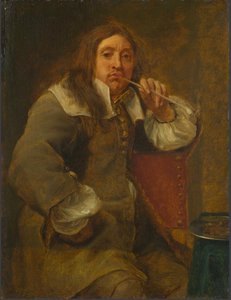
Lucas Faydherbe
1617 - 1697 , Bélgica
Breves datos
- Artistas Influenciados: ['Jan van Delen']
- Artistas Que Influyeron:
- Peter Paul Rubens
- François Duquesnoy
- Fecha De Fallecimiento: 31 de diciembre de 1697
- Fecha De Nacimiento: 19 de enero de 1617
- Lugar De Nacimiento: Malinas (Mechelen), Bélgica
- Movimiento Artístico: Alto Barroco
- Nacionalidad: Flandes, Belga
- Nombre Completo: Lucas Faydherbe
- Obras Notables:
- Monumento funerario a Andreas Creusen
- Altar Mayor de St. Rumbold's Cathedral

