

 Enviar
 Compartir
 Detalles

 Descargar
 Similares
 Presentación de diapositivas
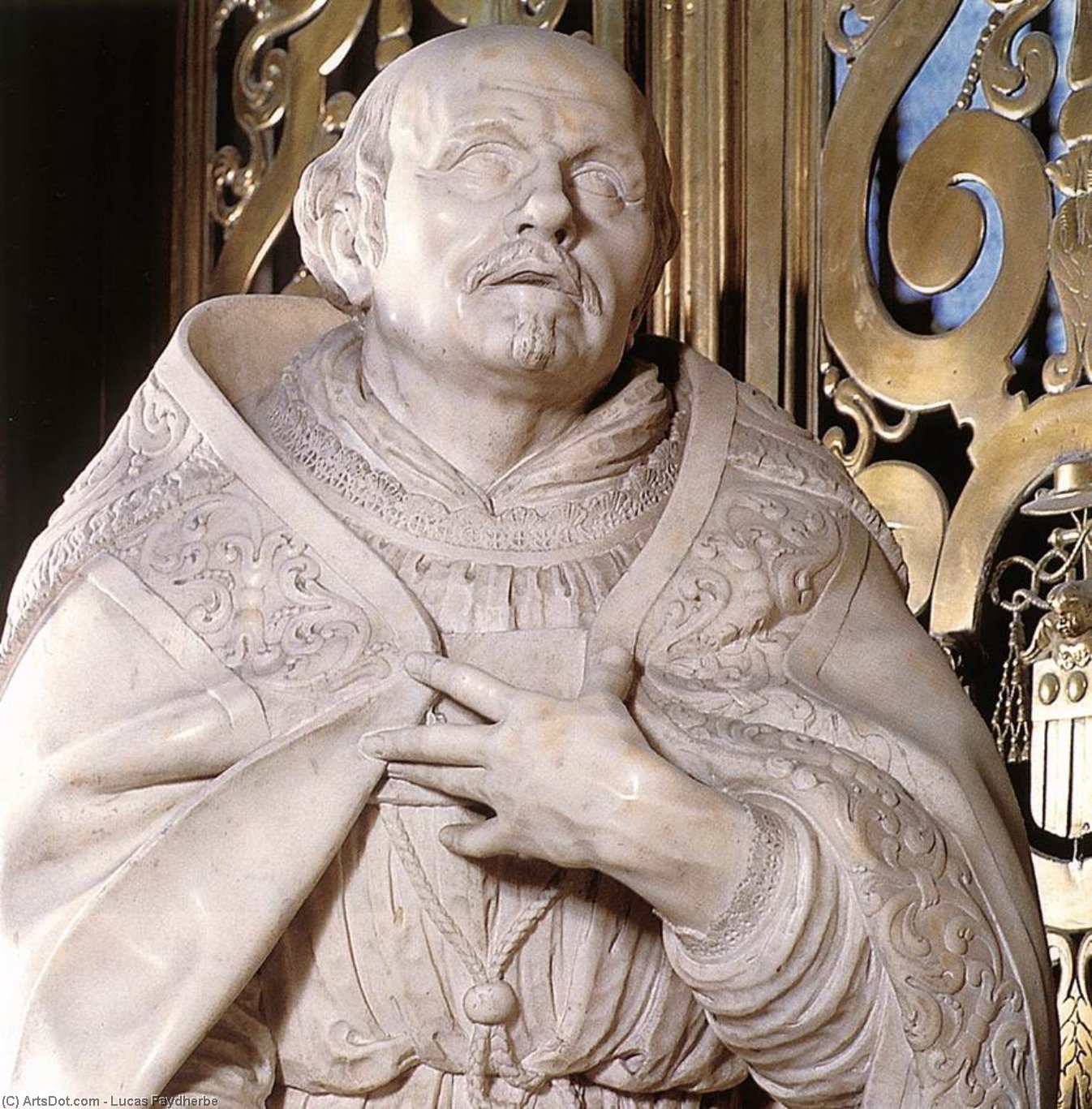
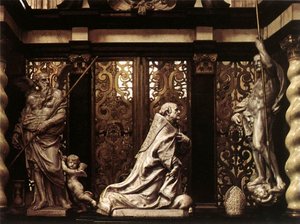
Tomb of Archbishop André Cruesen (detail) (9)


 Ver más
Giclée / Impresión de arte
Impresiones giclée o en lienzo de calidad de museo con producción rápida y opciones de acabado flexibles. ( Comprar pintura hecha a mano Comprar imagen)




































Elija entre nuestros tamaños predefinidos que respetan las proporciones originales de la obra.

Puede introducir sus propias dimensiones para adaptarse a un marco o espacio específico. Si el tamaño seleccionado no coincide con las proporciones de la imagen original, recortaremos la obra de arte o extenderemos la imagen con un borde con efecto espejo o de color sólido. Se enviará una maqueta digital para su aprobación antes de que comience la producción.
Tenga en cuenta que la vista previa en pantalla no refleja el recorte o la extensión real. Solo la maqueta mostrará con precisión la composición final.
Aunque existen tamaños personalizados, recomendamos seleccionar una dimensión de la lista predefinida para preservar las proporciones originales.
Envío a todo el mundo () en 2 semanas en lugar de las 4/5 semanas estándar. (3 septiembre)

Envío exprés gratuito a todo el mundo

Lienzo de lino de alta calidad

Seguro de envío total

Garantía de reembolso de impuestos aduaneros

Garantía de fidelidad cromática exacta

Política de devolución de 60 días (solo por defectos)

Garantía de devolución del 100% del dinero

Descuento por cantidad
 La opción de vidrio solo está disponible en tamaños inferiores a 110 cm.

Tomb of Archbishop André Cruesen (detail) (9)
Giclée / Impresión de arte
Dimensiones de la reproducción
-


Precio total final
$ 62
The Weight of Faith: Lucas Faydherbe’s “Tomb of Archbishop André Cruesen”
Lucas Faydherbe's "Tomb of Archbishop André Cruesen (detail) (9)" is more than a marble sculpture; it’s a poignant meditation on mortality, faith, and the enduring legacy of a prominent figure in 17th-century Flanders. Completed around 1660, this intimate detail captures a moment of profound solemnity within the Archbishop's funerary monument – a testament to Faydherbe’s mastery of classical form and his ability to imbue stone with palpable emotion. The work resides within Saint Rombout Cathedral in Mechelen, Belgium, serving as a focal point for contemplation amidst the cathedral’s rich interior.
Faydherbe, born in Maliin (Belgium) in 1617 and passing away in 1697, was a key figure in the flourishing Baroque artistic scene of Southern Netherlands. His lineage—a blend of artistic talent inherited from his father, Hendrik Faydherbe, a skilled workshop owner specializing in decorative sculpture, and his mother, Cornelia Franchoys, whose brothers were renowned painters—provided him with an unparalleled foundation for his own career. This familial connection to the arts instilled within him a deep understanding of technique and a commitment to capturing the human form with remarkable realism. His work frequently explored religious themes, reflecting the Counter-Reformation’s emphasis on faith and devotion.
A Study in Marble: Technique and Detail
The sculpture's power lies not just in its subject matter but also in Faydherbe’s meticulous execution. Crafted from pristine white marble, the piece showcases a remarkable level of detail achieved through painstaking carving. The drapery, cascading around the Archbishop’s figure, is rendered with astonishing fluidity – each fold and ripple conveying a sense of movement and texture that seems almost tactile. Notice the subtle gradations in tone within the stone; Faydherbe expertly manipulated light and shadow to create an illusion of depth and volume, bringing the sculpted form vividly to life.
The composition is tightly cropped, focusing primarily on the head and upper torso. This deliberate framing intensifies the viewer’s engagement with the subject's expression – a subtle hint of sorrow or contemplation etched onto his face. The hands, clasped together in a gesture of supplication or grief, are particularly arresting, conveying a profound sense of humility and reverence. The overall effect is one of quiet dignity and spiritual intensity.
Symbolism and Context
Archbishop André Cruesen was a significant figure in the Catholic Church during his lifetime, known for his piety and dedication to his faith. The sculpture, therefore, serves as both a memorial to his life and a visual representation of Christian virtues. The pose itself—a gesture of prayerful reflection—aligns with traditional iconography associated with mourning and remembrance. The setting within Saint Rombout Cathedral further reinforces the work’s religious significance; it's a space dedicated to worship and contemplation, creating an atmosphere of solemnity and reverence.
Furthermore, the choice of marble as the medium is deliberate. Marble has long been associated with purity, nobility, and immortality – qualities that were highly valued within Christian iconography. The cool, luminous quality of the stone also contributes to the sculpture’s ethereal and timeless appearance, suggesting a connection between the earthly realm and the divine.
A Legacy in Stone
"Tomb of Archbishop André Cruesen (detail) (9)" is a remarkable achievement of Baroque sculpture. Lucas Faydherbe's skill in capturing human emotion through stone, combined with the work’s rich historical context and symbolic significance, ensures its enduring appeal. It stands as a powerful reminder of faith, mortality, and the lasting impact of individuals who dedicate their lives to service – a testament to the artist’s vision and the timeless beauty of classical art.
Obras relacionadas

Biografía del artista
Lucas Faydherbe: Un Maestro Flandes del Barroco
- Nacido: 19 de enero de 1617, Malines (Mechelen), Bélgica
- Fallecido: 31 de diciembre de 1697, Mechelen, Bélgica
Vida Temprana y Formación
- Lucas Faydherbe nació en una familia de artistas en Mechelen. Su padre, Hendrik Faydherbe, dirigía un taller para la escultura decorativa y el tallado de alabastro, proporcionándole su formación inicial.
- Su madre, Cornelia Franchoys, provenía de una familia de pintores consumados, incluyendo a sus hermanos Lucas y Peter Franchoys el Anciano. Esta ascendencia artística influyó significativamente en su desarrollo.
- Tras la muerte de su padre y su posterior matrimonio con el escultor Maximilian Labbé, Faydherbe continuó su formación bajo la guía de Labbé.
- Un momento crucial en su carrera fue ser aceptado como aprendiz en el taller de Peter Paul Rubens en Amberes alrededor de 1636. Este aprendizaje de tres años lo expuso a las tendencias artísticas líderes de la época y moldeó profundamente su estilo.
Carrera y Desarrollo Artístico
- Faydherbe regresó a Mechelen después de dejar el taller de Rubens, casándose con Maria Snyers y convirtiéndose en maestro en el Gremio local de San Lucas. También trabajó en Bruselas, Amberes y Oudenaarde.
- Su obra temprana reflejó una fuerte influencia de Rubens, caracterizada por un monumentalismo solemne con pesados drapeados y detalles limitados. Un ejemplo es la estatua de San Andrés en la Catedral de Bruselas.
- Alrededor de 1645-1655, Faydherbe desarrolló un estilo más personal, marcado por una mayor plasticidad, un diseño más rico y una mayor expresividad. Se hizo conocido por retratar figuras con más humanidad y sensibilidad psicológica.
- Colaboró frecuentemente con otros escultores en proyectos religiosos a gran escala, notablemente en la Catedral de San Rumbold en Mechelen, trabajando junto a artistas como Rombaut Pauwels y Mattheus van Beveren.
- Faydherbe fue un firme defensor del establecimiento de una academia de arte en Mechelen, inspirado por instituciones similares en Bruselas y Amberes, aunque sus esfuerzos fueron finalmente infructuosos.
Obras Principales y Estilo Artístico
- Catedral de San Rumbold, Mechelen: Faydherbe contribuyó significativamente a la decoración de la catedral, incluyendo altares y monumentos funerarios.
- Monumento Funerario del Arzobispo Andreas Creusen (1660): Esta obra demuestra su habilidad para crear memoriales conmemorativos.
- Altar Mayor para la Catedral de San Rumbold: Su proyecto final y más ambicioso mostró sus habilidades arquitectónicas y escultóricas, integrando elementos de madera pintada y piedra.
- Estilo: El estilo de Faydherbe evolucionó desde un enfoque influenciado por Rubens hacia una expresión barroca personal. Combinó hábilmente la escultura y la pintura, reflejando los ideales artísticos de su tiempo. Su obra se caracteriza por el uso dramático de la luz y la sombra, composiciones dinámicas y figuras expresivas.
Significado Histórico
- Lucas Faydherbe jugó un papel crucial en el desarrollo del estilo barroco tardío en los Países Bajos Meridionales. Su capacidad para asimilar y traducir los principios artísticos de Rubens en escultura lo estableció como una figura destacada en el arte flamenco.
- Contribuyó significativamente al arte religioso de su época, cumpliendo las demandas de la Contrarreforma creando esculturas impactantes para iglesias.
- El legado de Faydherbe se extiende más allá de sus obras individuales; fomentó una tradición de excelencia artística en Mechelen y formó a varios escultores notables, incluyendo Jan van Delen.
Lucas Faydherbe
1617 - 1697 , Bélgica
Datos clave
- Artistas Influenciados: ['Jan van Delen']
- Artistas Que Influyeron:
- Peter Paul Rubens
- François Duquesnoy
- Fecha De Fallecimiento: 31 de diciembre de 1697
- Fecha De Nacimiento: 19 de enero de 1617
- Lugar De Nacimiento: Malinas (Mechelen), Bélgica
- Movimiento Artístico: Alto Barroco
- Nacionalidad: Flandes, Belga
- Nombre Completo: Lucas Faydherbe
- Obras Notables:
- Monumento funerario a Andreas Creusen
- Altar Mayor de St. Rumbold's Cathedral
Artículos relacionados
The Enduring Allure of Marble in Art History: From Classical Sculpture to Modern Abstraction
Explore the captivating history of marble sculpture from ancient Greece to modern art. Discover renowned artists like Canova & Michelangelo, carving techniques, and investment insights at ArtsDot.

Esculturas de Bronce Legendarias: 10 Obras Maestras que Transformaron el Arte | ArtsDot
Descubre las 10 esculturas de bronce más legendarias que revolucionaron el arte. Explora la historia de Rodin, Degas y otros maestros del bronce. Encuentra reproducciones de alta calidad e inspiración para tu hogar en ArtsDot.com.

The Enduring Form: Exploring Themes & Techniques in Sculpture Across Historical Periods
Explore the rich history of sculpture from ancient masterpieces to contemporary innovations. Discover key techniques, influential artists & investment potential for discerning art collectors.

The Enduring Form: Sculpture Across History, Technique & Emotional Resonance
Explore the rich history of sculpture with ArtsDot. Discover key techniques, influential artists & investment potential for discerning collectors. Expert insights into valuing and collecting timeless masterpieces.

Las 10 Obras Maestras de Bronce que Revolucionaron la Historia del Arte | ArtsDot
Descubre las 10 esculturas de bronce más influyentes de la historia del arte. Explora obras maestras de Rodin, Degas y otros genios. Encuentra reproducciones de arte de calidad museo en ArtsDot.com.

