

 Ver en contexto
 Enviar
 Compartir
 Detalles

 Descargar
 Similares
 Radiografía
 Presentación de diapositivas
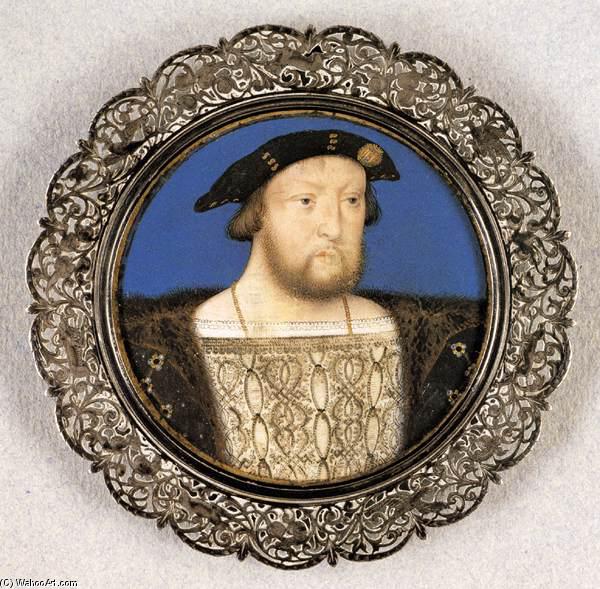
Henry VIII, King of England
 Acrylic On Canvas
- WallArt
- Tudor Portraiture
 1526
1526 56.0 x 56.0 cm
 Museo del Louvre
 Ver más
Adquiera una imagen digital de alta resolución y optimizada, muy superior a la vista previa en línea.
Cada archivo es preparado meticulosamente por nuestros especialistas internos mediante el uso de herramientas avanzadas y un experto retoque manual. Nos aseguramos de que cada imagen posea una claridad excepcional, una precisión cromática impecable y un detalle minucioso.
El archivo final se entrega por correo electrónico en un plazo de 72 horas, optimizado para su uso inmediato en entornos profesionales, editoriales y de impresión. Esta es la misma calidad en la que confían los estudios de diseño, las editoriales y las galerías de primer nivel.
Imagen Digital
Descarga un archivo de alta resolución para exhibición personal, impresión y proyectos creativos. ( Comprar impresión Comprar pintura hecha a mano)
Incluido en cada pedido de imágenes digitales
Entrega digital experta, garantizada.
Al elegir ArtsDot.com, no solo está adquiriendo una imagen; está recibiendo una obra de arte digital mejorada profesionalmente, elaborada con precisión y respaldada por una garantía de satisfacción. Esto es todo lo que incluye su pedido, automáticamente:

Entrega rápida por email
Recibirá su archivo de imagen digital en alta resolución por correo electrónico en un plazo de 72 horas tras realizar su pedido, listo para su uso inmediato.

Archivo digital optimizado por IA
Su obra de arte se optimiza profesionalmente mediante herramientas avanzadas de IA y edición manual, garantizando el máximo detalle, claridad y precisión cromática.

Reenvío gratuito de por vida
¿Has borrado o perdido tu archivo por error? No te preocupes: te lo volveremos a enviar en cualquier momento, sin coste adicional.

Sin gastos de importación, siempre
Disfrute de su obra de arte al instante sin aduanas, aranceles ni gastos de envío; las descargas digitales siempre están libres de impuestos.

Garantía de fidelidad de color
Garantizamos que su imagen digital refleje los colores originales con la mayor fidelidad posible, mediante el uso de herramientas profesionales y gestión del color.

Garantía de satisfacción de 60 días
Si no está satisfecho con su imagen digital, la revisaremos o le reembolsaremos el 100% en un plazo de 60 días, sin preguntas.

100% Garantía de devolución de dinero
¿No está satisfecho? Obtenga un reembolso completo dentro de los 60 días posteriores a la recepción de su archivo digital, sin necesidad de explicaciones.

Descuentos por pedidos grandes
Compra 3 imágenes, ahorra 10% - Compra 5, ahorra 15% - Compra 10+, ahorra 20%. Ideal para proyectos creativos, galerías y agencias.
The Regal Presence: Lucas Horenbout’s Masterpiece
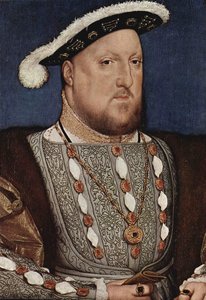
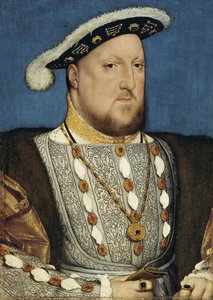
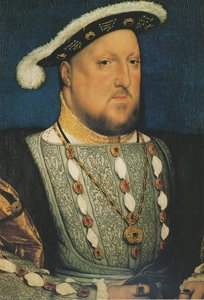
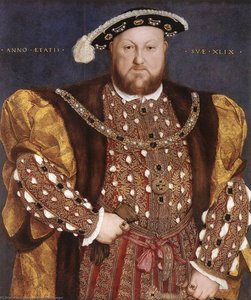
Lucas Horenbout's portrait of Henry VIII, King of England, transcends the simple depiction of a monarch; it is a meticulously crafted embodiment of power, ambition, and the turbulent era in which it was created. Painted in 1526, this miniature – a remarkably intimate work considering its subject’s stature – offers an unparalleled glimpse into the mind and persona of one of England's most transformative figures. The painting immediately commands attention with Henry’s commanding presence: his broad shoulders, assertive gaze, and carefully arranged attire speak volumes about his authority and self-perception.
- Subject & Composition: The portrait presents a half-length view of the king, seated in a commanding pose. The composition is deliberately restrained, focusing entirely on Henry himself, reinforcing his centrality to the image.
- Color Palette: Horenbout employs a rich and carefully considered color palette dominated by deep blues and golds – colors traditionally associated with royalty and wealth. These hues contribute significantly to the painting’s overall sense of grandeur and authority.
- Facial Expression: Henry's expression is notable for its intensity, a blend of confidence and perhaps a hint of underlying tension. His eyes meet the viewer directly, creating an immediate and engaging connection.
The Flemish Influence & The Dawn of English Portraiture
Horenbout’s creation represents a pivotal moment in the history of portrait painting. Trained within the vibrant workshops of Ghent and Bruges – centers renowned for their illuminated manuscripts and decorative arts – he brought with him a sophisticated artistic tradition deeply rooted in detail, realism, and an understanding of symbolism. His arrival in England coincided with a shift in artistic sensibilities, moving away from the more stylized depictions prevalent under previous monarchs towards a greater emphasis on individual likeness and psychological depth. This miniature is widely considered to be one of the earliest examples of *ad vivum* portraiture – a painting created directly from life – in England, marking the nascent stages of a distinct English school of portraiture.
Historical Context:The early 16th century was a period of immense change and upheaval in England. Henry VIII’s reign was defined by his break with Rome, the establishment of the Church of England, and a dramatic reshaping of the country's political landscape. Horenbout’s role as the King’s painter provided him with unparalleled access to the royal court and an intimate understanding of Henry’s personality and ambitions.
Symbolism & The Language of Power
Beyond its immediate visual appeal, the portrait is laden with symbolic meaning. Henry's attire – a rich blue robe adorned with gold trim – signifies his wealth, status, and divine right to rule. The elaborate collar and chain are emblems of royal authority, while the carefully arranged garments reflect the meticulous attention to detail that characterized Horenbout’s work. The background, rendered in a deep azure hue, further emphasizes the king's elevated position. The inclusion of the date “ANO. ETATIS. / XXXVO.” (Year of his thirty-fifth) subtly reinforces Henry’s power and authority at this pivotal moment in his reign.
- Blue: Represents royalty, faith, and divine right.
- Gold Trim: Symbolizes wealth, status, and the splendor of the monarchy.
- Direct Gaze: Conveys confidence, authority, and a willingness to confront challenges.
A Timeless Masterpiece – Reproduction & Legacy
Lucas Horenbout’s portrait of Henry VIII remains an enduring testament to the artist's skill and the power of visual representation. Reproductions offer a remarkable opportunity to experience this iconic work firsthand, bringing its regal presence into any setting. Whether displayed in a private collection or incorporated into a sophisticated interior design scheme, this miniature captures not only the likeness of a historical figure but also the essence of an era defined by ambition, transformation, and the enduring legacy of one of England’s most complex and fascinating monarchs.
Obras relacionadas
Biografía del artista
Lucas Horenbout: The Quiet Maestro Shaping Tudor Portraiture
Lucas Horenbout (1492-1544) remains a figure shrouded in scholarly debate, yet undeniably pivotal to the artistic landscape of 16th century England. Often referred to as hornebolte in England queen when the horenbouts came to england, he’s an artist whose legacy is primarily defined by his contribution to portrait miniature painting and his role as Henry VIII's court painter—a position that cemented him as one of the most influential illuminators of the Ghent-Bruges school. Despite the paucity of definitive biographical details, reconstructing Horenbout’s life reveals a man deeply embedded in the artistic currents of his time and profoundly impacted by royal patronage.Early Life & Flemish Training
Born in Ghent, Belgium, Lucas Horenbout's formative years were spent honing his skills within the vibrant workshop environment of Ghent—a hub for manuscript illumination and decorative arts. While precise details about his family lineage are scarce, he was undoubtedly trained under the tutelage of Gerard Horenbout, whose influence extended far beyond their familial connection. Gerard’s mastery of fresco painting and panel decoration established a tradition of meticulous craftsmanship that would characterize Lucas's own artistic endeavors. The Ghent school championed a style marked by realism, subtle shading, and an unwavering commitment to detail—principles that undoubtedly shaped Horenbout’s aesthetic sensibilities. This Flemish heritage instilled in him a dedication to observation and a profound understanding of color theory – qualities that would become hallmarks of his distinctive artistic vision.Arrival in England & Royal Patronage
Around 1525, Lucas Horenbout arrived in England, coinciding with the ambitious undertaking spearheaded by Cardinal Wolsey to revive English manuscript illumination. Evidence suggests he traveled alongside his sister Susanna hornebolt and father, potentially driven by a desire to capitalize on this burgeoning artistic opportunity. The King’s immediate recognition of his talent—appointed “pictor maker” and subsequently “king’s painter”—marked the beginning of an extraordinary chapter in Horenbout's career. This royal commission afforded him unparalleled access to resources and propelled him to the forefront of Tudor art, securing him a lifetime annuity and establishing him as Henry VIII’s trusted visual recorder. He swiftly established himself as Wolsey’s foremost artistic advisor, overseeing monumental projects that showcased the grandeur of the English monarchy and solidifying his reputation as a master craftsman.A Revolutionary Miniature Tradition
Perhaps Horenbout’s most enduring contribution lies in establishing the English tradition of portrait miniature painting—a genre that emerged almost entirely independently from continental precedents. Unlike Holbein's meticulous portraits, which were executed on a grand scale, Horenbout focused on capturing likenesses with astonishing accuracy and intimacy within diminutive frames. His technique involved layering thin glazes of enamel pigment onto ivory or tortoiseshell, achieving remarkable luminosity and depth—a feat that demanded exceptional skill and patience. The resulting miniatures served not merely as representations of individuals but as conduits for conveying their status, personality, and emotional nuance. This innovative approach distinguished him from his contemporaries and cemented his place in art history as the progenitor of a uniquely English artistic form.Notable Works & Legacy
Horenbout’s artistic output spanned illuminated manuscripts, stained glass panels, and royal portraits—each reflecting his unwavering dedication to stylistic innovation and technical excellence. Among his most celebrated commissions were depictions of Henry VIII and Catherine of Aragon, capturing the regal dignity of the monarch alongside the melancholic beauty of his queen. Furthermore, he was entrusted with decorating Saint Martin in the fields chapel, showcasing his mastery of fresco painting and contributing significantly to the artistic heritage of England. His influence extended beyond his own creations; he nurtured a workshop environment that fostered the development of younger artists—a testament to his generosity and commitment to preserving Flemish artistic traditions within the English court. Lucas Horenbout’s legacy continues to inspire admiration for his meticulous craftsmanship and profound understanding of visual representation, securing his place as one of the most influential figures in Tudor art.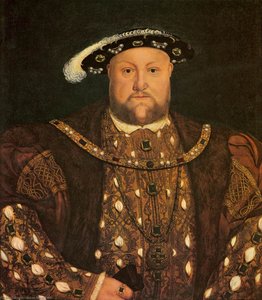
Lucas Horenbout
1492 - 1544 , Bélgica
Breves datos
- Artistic Movement Or Style: Renacimiento
- Artists Or Movements Influenced By This Artist: ['Inglés Pintura Miniatura']
- Artists Who Influenced This Artist:
- Jan van Eyck
- Rogier van der Weyden
- Date Of Birth: 1492
- Date Of Death: 1544
- Full Name: Lucas Horenbout
- Nationality: Flemish
- Notable Artworks:
- Retrato de Catalina Aragón
- Enrique VIII
- Place Of Birth: Ghent, Belgium

