 Ver en contexto
 Enviar
 Compartir
 Detalles

 Descargar
 Similares
 Radiografía
 Presentación de diapositivas
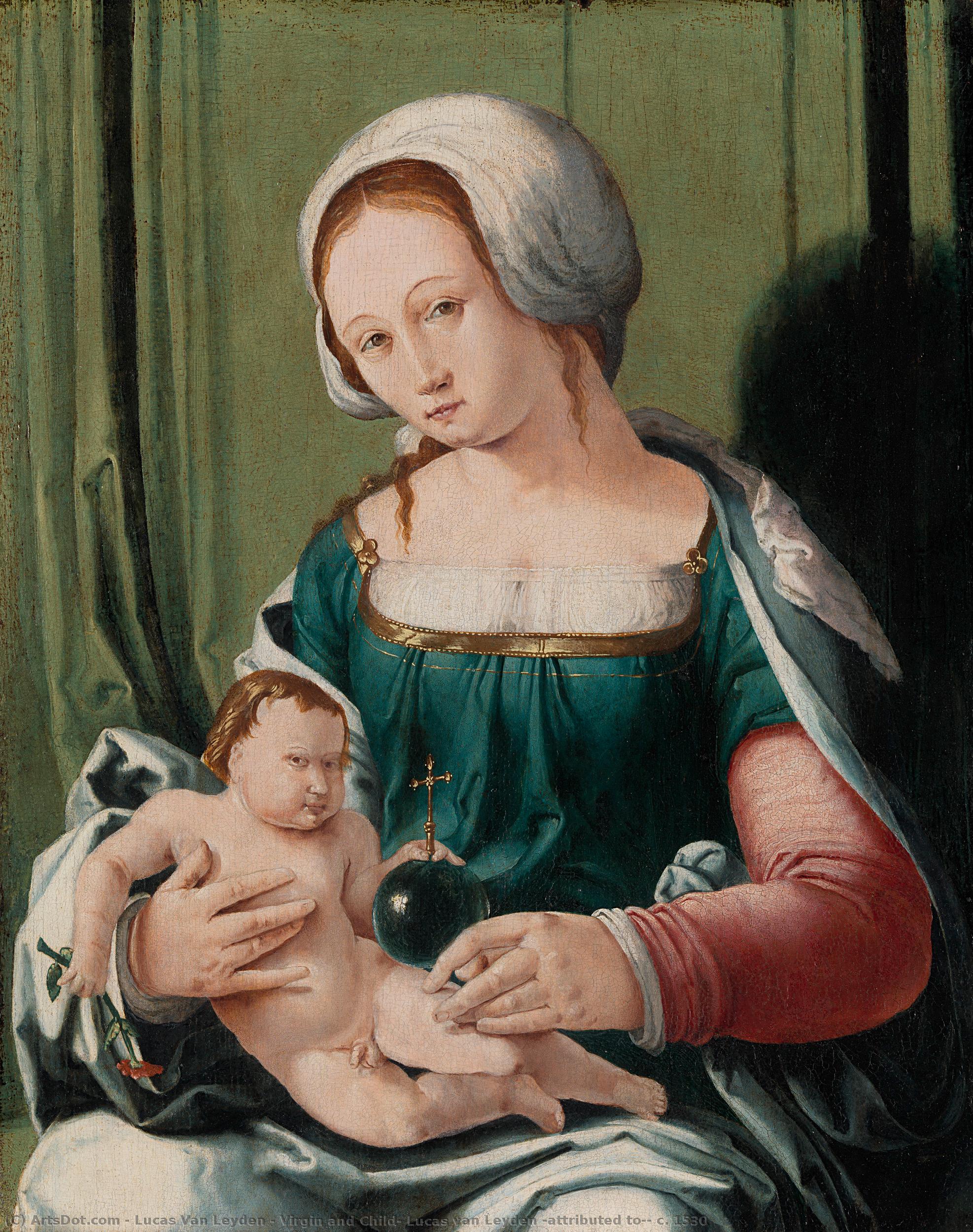
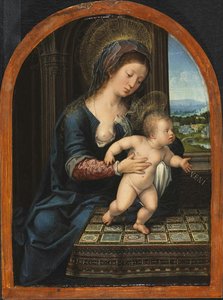
Virgin and Child, Lucas van Leyden (attributed to), c. 1530
 Oil On Panel
- Northern Renaissance
 1530
1530- Renaissance
 35.0 x 28.0 cm
 Ver más
Reproducción al óleo hecha a mano
Óleo sobre lienzo pintado a mano en el tamaño y marco de su elección, realizado por encargo por nuestros artistas. ( Comprar impresión Comprar imagen)




































Elija entre nuestros tamaños predefinidos que respetan las proporciones originales de la obra.

Puede ingresar sus propias dimensiones para adaptarse a un marco o espacio específico. Si el tamaño seleccionado no coincide con las proporciones de la imagen original, recortaremos la obra o extenderemos la pintura con elementos adicionales pintados a mano. Se le enviará una maqueta digital para su aprobación antes de comenzar la producción.
Tenga en cuenta que la vista previa en pantalla no refleja el recorte o la extensión reales. Solo la maqueta mostrará con precisión la composición final.
Si bien existen tamaños personalizados, recomendamos seleccionar una dimensión de la lista predefinida para preservar las proporciones originales.
Tras realizar el pedido, el equipo de ArtsDot.com enviará un correo electrónico al cliente para solicitar instrucciones y proporcionarle una vista previa del boceto.
Envío a todo el mundo () en 3-4 semanas en lugar de las 5 semanas estándar. (25 agosto). Sin comprometer la calidad.

Envío exprés gratuito a todo el mundo

Lienzo de lino de alta calidad

Seguro de envío total

Garantía de reembolso de impuestos aduaneros

Garantía de fidelidad cromática exacta

Política de devolución de 60 días (solo por defectos)

Garantía de devolución del 100% del dinero

Descuento por cantidad
 La opción de vidrio solo está disponible en tamaños inferiores a 110 cm.

Virgin and Child, Lucas van Leyden (attributed to), c. 1530
Técnica de reproducción
Dimensiones de la reproducción
-


Precio total final
$ 263
Descripción de la obra
A Tender Encounter in the Northern Renaissance
In the quiet intimacy of this 16th-century masterpiece, we find ourselves drawn into a moment of profound spiritual tenderness. The Virgin and Child, attributed to the workshop of the legendary Dutch master Lucas van Leyden around 1530, presents a scene that transcends time through its delicate emotional resonance. At the heart of the composition, the Virgin Mary sits with a grace that is both regal and maternal, her presence anchored by the soft weight of the Christ Child resting upon her lap. The deep, verdant curtain behind her provides a rich, velvety backdrop that pushes the figures forward, creating an immersive sense of depth that invites the viewer to step into this sacred space.
The painting is far more than a mere religious portrait; it is a complex tapestry of symbolic language designed to be read by the faithful. As the Christ Child rests, he holds a pink—a blossom often used in Renaissance iconography to represent divine love and the fleeting nature of life—while his other hand grasps an orb surmounted by a cross. This small but potent detail serves as a powerful reminder of his sovereignty over the earthly realm. The interplay between the soft, organic beauty of the flower and the cold, authoritative weight of the globus cruciger creates a captivating tension between the innocence of infancy and the heavy destiny of the Savior.
Mastery of Light and Workshop Tradition
While scholars have long debated the exact hand behind this specific panel, its connection to the illustrious workshop of Lucas van Leyden is undeniable. The work reflects the meticulous craftsmanship characteristic of the Leiden school, where precision in draughtsmanship meets a soulful approach to color. The palette is a sophisticated arrangement of blues, golds, and deep greens, applied with a technique that suggests a lineage of great masters. Though some technical examinations suggest this piece may have been executed by a highly skilled contemporary within the master's circle, the quality of the execution remains breathtakingly evocative.
For the discerning collector or interior designer, this artwork offers an unparalleled opportunity to introduce a sense of historical gravity and quiet elegance into a curated space. The painting’s intimate scale—measuring approximately 35 x 28 cm—makes it an ideal centerpiece for a private study, a library, or a sophisticated gallery wall. A high-quality reproduction of this piece does not merely decorate a room; it anchors it with a sense of heritage and contemplative peace. The soft light playing across the Virgin's features and the rich textures of her garments provide a tactile richness that can transform a modern interior into a sanctuary of classical beauty.
To possess such a work is to hold a fragment of the Northern Renaissance within one's home. It serves as a conversation piece that bridges the gap between the profound theological inquiries of the 1530s and the aesthetic desires of the contemporary era. Whether viewed as an exploration of maternal devotion or as a triumph of Dutch workshop tradition, this Virgin and Child remains a timeless testament to the enduring power of sacred art.
Obras relacionadas
Biografía del artista
Early Life and Training
Lucas van Leyden (Leiden, Holanda Meridional, 1494-1533), cuyo nombre verdadero era Lucas Hugensz, Lucas Huygenz o Jacobsz, fue un pintor y grabador neerlandés. Nacido alrededor de 1494 en Leiden, hijo de huygh jacobsz, un pintor, comenzó su formación artística bajo la guía de su padre, quien le enseñó las técnicas básicas del dibujo y el óleo. Posteriormente, ingresó al taller de cornelis engelbrechtsz en 1508, donde perfeccionó sus habilidades y aprendió los principios de la composición arquitectónica y paisajística, elementos esenciales para el desarrollo artístico posterior. Esta etapa temprana fue crucial para establecer su estilo único y demostrar una habilidad excepcional desde muy joven.Artistic Development
Lucas van Leyden se convirtió en uno de los primeros artistas neerlandeses en abordar la pintura de género con originalidad y sensibilidad estética. Su obra inicial, caracterizada por figuras medio cuerpo (c. 1506-1512), reflejó una visión innovadora que anticipó tendencias futuras del arte renacentista europeo. Como artista maduro, desarrolló un profundo interés por el paisaje, buscando inspiración en la naturaleza para crear escenas llenas de atmósfera y emoción. Además, demostró una maestría sorprendente en el grabado, alcanzando niveles superiores a muchos otros artistas contemporáneos. Su temprana habilidad técnica fue reconocida por albrecht dürer, quien lo admiraba profundamente y cuyo estilo influyó significativamente en su obra posterior. Esta influencia se manifiesta especialmente en sus paisajes meticulosamente detallados y en la aplicación de técnicas avanzadas como el aire libre (aérien perspective), que eran consideradas revolucionarias en ese momento.Notable Works and Style
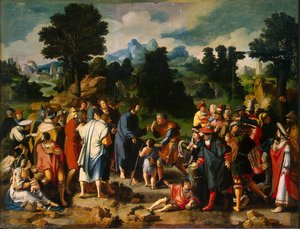
Lucas van Leyden produjo una amplia variedad de obras maestras que abarcan diferentes medios artísticos, incluyendo pinturas religiosas, retratos individuales y escenas cotidianas. Entre sus trabajos más destacados se encuentran:- La Curación del Ciego de Jericó: Esta pintura monumental representa un grupo de figuras humanas en un paisaje árido y rocoso, utilizando colores vivos y una composición compleja que transmite la sensación de profundidad espacial.
- San Pablo: Este retrato escultórico captura la esencia espiritual del santo paulino con una precisión anatómica impresionante y una expresión facial conmovedora.
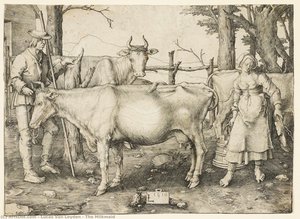
- La Lechera: Esta escena doméstica realista muestra una joven mujer ordeñando leche en un entorno rural, destacando la habilidad de van Leyden para capturar los detalles más pequeños y transmitir emociones humanas auténticas.
Museum Collections and Online Presence
Las obras de Lucas van Leyden se encuentran dispersas en importantes museos internacionales, incluyendo el museo nacional holandés (Mauritshuis) en La Haya, donde se exhibe una colección excepcional de sus pinturas y grabados. Asimismo, ArtsDot.com ofrece acceso a imágenes digitales de alta resolución de sus obras maestras, facilitando la investigación artística y acercando el arte neerlandés antiguo al público moderno. Esta plataforma permite explorar su legado artístico desde cualquier lugar del mundo y conocer más sobre la vida y obra de este artista excepcional.Legacy
Lucas van Leyden fue una figura clave en el desarrollo del arte holandés del siglo XVI, cuyo estilo innovador y técnica virtuosa inspiraron a generaciones posteriores de artistas. Su obra sigue siendo objeto de estudio y admiración por expertos y amantes del arte en todo el mundo, demostrando la relevancia perdurable de su creatividad y visión artística. Además, Lucas van Leyden contribuyó significativamente al nacimiento de la pintura de género como movimiento artístico independiente, estableciendo nuevos estándares estéticos y narrativos que influyeron en otros artistas europeos. Su nombre permanece grabado en la historia del arte como uno de los más brillantes representantes del Renacimiento neerlandés y un símbolo de excelencia artística.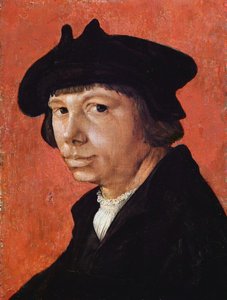
Lucas van Leyden
1494 - 1533 , Países Bajos
Datos clave
- Artistic Movement Or Style: Early Netherlandish Renaissance
- Artists Or Movements Influenced By This Artist: ['German Renaissance']
- Artists Who Influenced This Artist: ['Albrecht Dürer']
- Date Of Birth: Leiden, Netherlands (1494)
- Date Of Death: Leiden, Aug. 1533
- Full Name: Lucas Hugensz van Leyden
- Nationality: Dutch
- Notable Artworks:
- The Healing of the Blind Man of Jericho
- Saint Paul
- The Milkmaid
- Place Of Birth: Leiden
Artículos relacionados
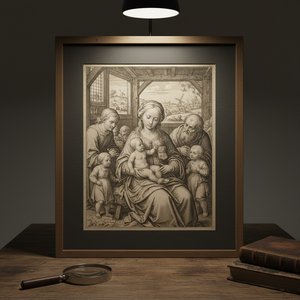
Lucas van Leyden: Innovation & Intimacy in Early Netherlandish Printmaking
Explore the groundbreaking prints of Lucas van Leyden, a Dutch master bridging Gothic detail & Renaissance innovation. Discover his rare works, investment potential, and legacy for discerning collectors.

Rembrandt van Rijn: Las 25 Obras Maestras que Definen un Genio | Arte, Historia y Decoración
Descubre las 25 obras maestras de Rembrandt van Rijn, el genio del barroco holandés. Explora su historia, técnica y simbolismo en retratos icónicos como 'La Ronda Nocturna'. Encuentra reproducciones de arte exclusivas para decorar tu hogar con ArtsDot.com.

Los 10 Maestros del Primitivo Flamenco: Obras que Definen un Arte Inigualable | ArtsDot
Descubre los 10 imprescindibles del Primitivo Flamenco: Jan van Eyck, Robert Campin y más. Explora la historia, simbolismo y técnica de estas obras maestras renacentistas tempranas. Encuentra reproducciones de arte de museo en ArtsDot.com.
Renacimiento Flamenco Temprano: 10 Obras Maestras que Cambiaron la Historia del Arte | ArtsDot
Descubre las 10 obras maestras del Renacimiento Flamenco Temprano. Explora la historia de Jan van Eyck, Robert Campin y más. Reproducciones de arte en ArtsDot.com para decorar tu hogar con belleza y elegancia. ¡Explora la colección online!
El Renacimiento Septentrional: Florecimiento del Realismo y la Innovación Artística
Descubre el Renacimiento Septentrional y la maestría de los Primitivos Flamencos. Explora sus técnicas innovadoras, simbolismo oculto y obras icónicas con ArtsDot.