 Ver en contexto
 Enviar
 Compartir
 Detalles

 Descargar
 Similares
 Radiografía
 Presentación de diapositivas
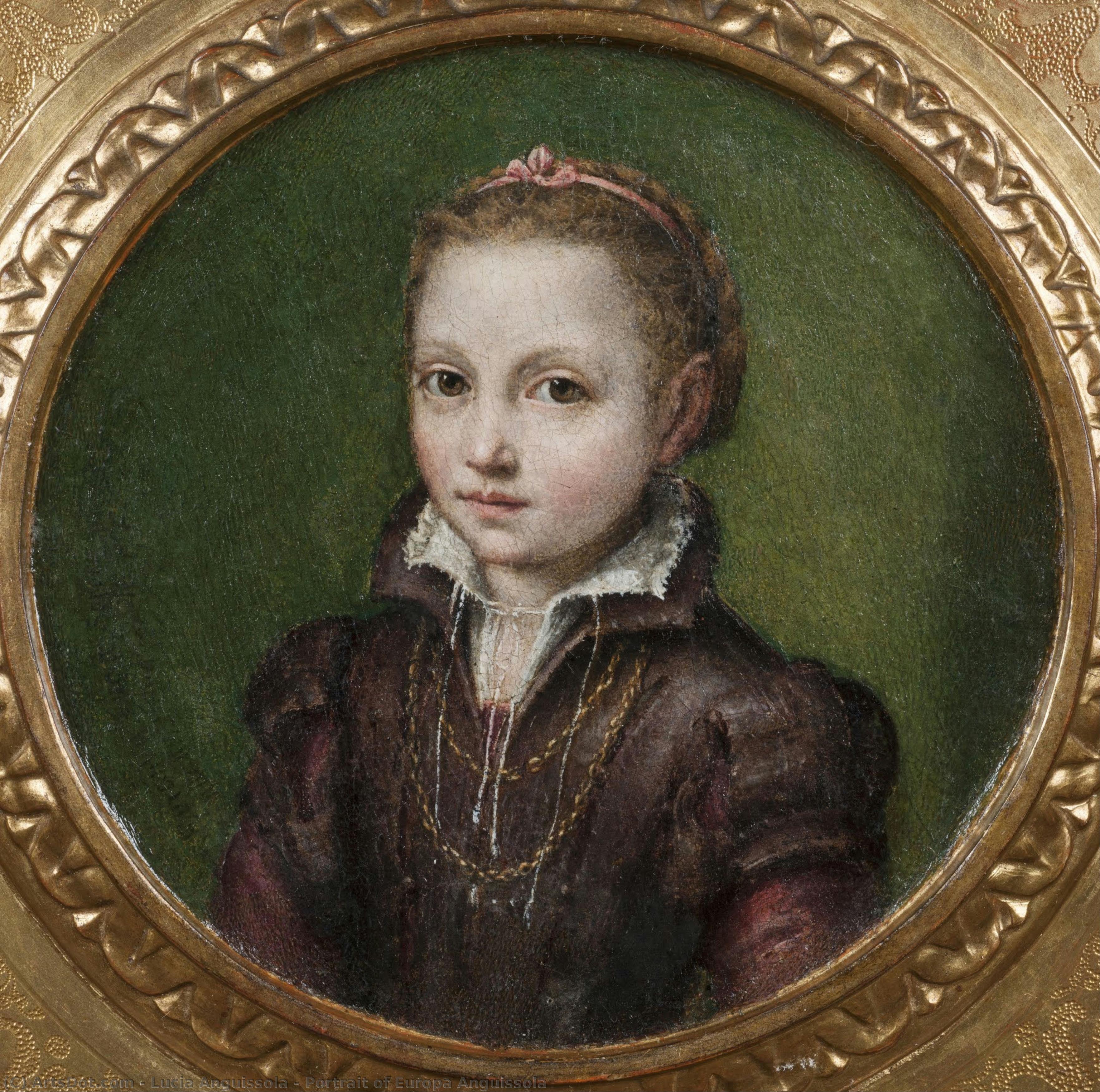
Portrait of Europa Anguissola


 Ver más
Reproducción al óleo hecha a mano
Óleo sobre lienzo pintado a mano en el tamaño y marco de su elección, realizado por encargo por nuestros artistas. ( Comprar impresión Comprar imagen)




P118B $10

P118H $10

P118W $10

P438Z $10

P508JH $12

P508YH $12

P805H $10

P805Z $10

P919BZ $10

P919G $10

P919XJ $10

P959ZH $10

P968JZ $12

W106C $8

W218G $10

W218JH $8

W218Y $10

W307PJ $10

W316G $10

W316PJ $8

W316Y $10

W398PJ $8

W4111J $10

W500HY $15

W500JH $15

W692G $12

W849H $8

W940BG $15

W953PJ $8




Elija entre nuestros tamaños predefinidos que respetan las proporciones originales de la obra.

Puede ingresar sus propias dimensiones para adaptarse a un marco o espacio específico. Si el tamaño seleccionado no coincide con las proporciones de la imagen original, recortaremos la obra o extenderemos la pintura con elementos adicionales pintados a mano. Se le enviará una maqueta digital para su aprobación antes de comenzar la producción.
Tenga en cuenta que la vista previa en pantalla no refleja el recorte o la extensión reales. Solo la maqueta mostrará con precisión la composición final.
Si bien existen tamaños personalizados, recomendamos seleccionar una dimensión de la lista predefinida para preservar las proporciones originales.
Tras realizar el pedido, el equipo de ArtsDot.com enviará un correo electrónico al cliente para solicitar instrucciones y proporcionarle una vista previa del boceto.
Envío a todo el mundo () en 3-4 semanas en lugar de las 5 semanas estándar. (3 septiembre). Sin comprometer la calidad.

Envío exprés gratuito a todo el mundo

Lienzo de lino de alta calidad

Seguro de envío total

Garantía de reembolso de impuestos aduaneros

Garantía de fidelidad cromática exacta

Política de devolución de 60 días (solo por defectos)

Garantía de devolución del 100% del dinero

Descuento por cantidad
 La opción de vidrio solo está disponible en tamaños inferiores a 110 cm.

Portrait of Europa Anguissola
Técnica de reproducción
Dimensiones de la reproducción
-


Precio total final
$ 263
Lucia Anguissola’s ‘Portrait of Europa’, A Window into Renaissance Domesticity
Lucia Anguissola's “Portrait of Europa,” painted around 1556-1558, is more than just a likeness; it’s a carefully constructed tableau that offers a rare glimpse into the private world of a noble Italian family during the late Renaissance. Far from a grand court portrait, this intimate scene unfolds within a modestly furnished room, dominated by a chessboard and radiating an atmosphere of quiet domesticity—a deliberate departure from the prevalent conventions of the era’s artistic landscape.
The painting immediately draws the eye to its three central figures: Lucia Anguissola herself, her sister Minerva, and their younger sibling Europa. Each woman is rendered with a remarkable sensitivity to detail, capturing not just their physical appearance but also hinting at their personalities and relationships. Lucia, positioned slightly forward, engages the viewer directly, her gaze holding a subtle mixture of curiosity and perhaps even amusement. Her attire—a simple yet elegant gown—contrasts sharply with the elaborate jewelry worn by Minerva, suggesting a hierarchy within the family while simultaneously celebrating each woman’s individual worth.
- Technique & Style: Anguissola's style is deeply rooted in the artistic legacy of her renowned elder sister, Sofonisba Anguissola. She shares Sofonisba’s masterful use of light and shadow, creating a palpable sense of depth and volume within the composition. The brushwork is delicate yet confident, revealing a keen eye for observation and an ability to capture fleeting expressions.
- Compositional Elements: The chessboard serves as a central organizing element, framing the figures and subtly suggesting themes of strategy, intellect, and perhaps even rivalry. The inclusion of the housemaid adds another layer of complexity, highlighting the social dynamics within the household and challenging traditional notions of portraiture.
- Color Palette: The muted color palette—dominated by earthy tones, soft greens, and subtle blues—contributes to the painting’s intimate atmosphere. It evokes a sense of warmth and comfort, reflecting the values of family life during the Renaissance.
The Significance of the Chess Game
Beyond its immediate visual appeal, “Portrait of Europa” holds significant symbolic weight. In the context of 16th-century Italy, chess was considered a masculine pursuit, associated with military strategy and aristocratic prowess. By depicting three women engaged in a game of chess, Anguissola subverted traditional gender roles and asserted the intellectual capabilities of women. This wasn’t simply a casual pastime; it represented a shared activity, a moment of connection and engagement between sisters.
The presence of the chessboard itself is laden with meaning. It symbolizes not only strategic thinking but also family bonds and social interaction. The game becomes a microcosm of their lives—a space where relationships are tested, alliances are formed, and decisions are made. Furthermore, the inclusion of the housemaid suggests that even those considered lower in the social hierarchy were part of this intimate sphere.
Lucia’s Artistic Legacy & Historical Context
Lucia Anguissola's artistic journey is particularly remarkable considering the limited opportunities available to women artists during her time. Her father, Amilcare Anguissola, a member of the Genoese minor nobility, recognized his daughters’ talent and provided them with an exceptional education—a rarity in Renaissance Italy. This progressive upbringing allowed Lucia to develop her artistic skills alongside her brothers, challenging societal expectations and paving the way for future generations of female artists.
Her work reflects a humanist sensibility, influenced by the intellectual currents of the era. She skillfully captured not only the physical likenesses of her subjects but also their personalities and inner lives—a hallmark of Renaissance portraiture. Lucia’s legacy is further cemented by her connection to Sofonisba Anguissola, whose fame she inherited and continued to build upon.
A Timeless Portrait – Reproduction & Interpretation
Reproductions of “Portrait of Europa” offer a captivating window into the world of Renaissance Italy. The painting’s intimate scale and nuanced details invite viewers to step back in time and imagine the lives of these remarkable women. When selecting a reproduction, consider the quality of materials and printing techniques—a faithful rendering will truly capture the essence of Anguissola's original masterpiece. This portrait is not just an image; it’s a testament to female artistry, familial bonds, and the enduring power of human connection.
Obras relacionadas


Biografía del artista
Lucia Anguissola: Vida y Legado
Primeros Años y Orígenes Familiares
- Nacida en Cremona, Italia, alrededor de 1536 o 1538, Lucia Anguissola fue la tercera de siete hijos nacidos de Amilcare Anguissola y Bianca Ponzoni.
- Su padre, miembro de la nobleza menor genovesa, inusualmente alentó la educación artística y humanista de sus cinco hijas – una oportunidad rara para las mujeres durante el Renacimiento.
- La perspectiva progresista de la familia fomentó un ambiente donde el talento artístico podía florecer, particularmente entre Lucia y sus hermanas.
Formación Artística e Influencias
- Lucia probablemente recibió formación inicial de su hermana mayor y renombrada, Sofonisba Anguissola, quien se convirtió en una celebrada retratista en su propio derecho.
- Su estilo refleja estrechamente el de Sofonisba, demostrando técnicas y enfoques compartidos en la pintura de retratos.
- La educación humanista que recibió influyó en su capacidad para captar la personalidad y la vida interior de sus modelos.
Estilo Artístico y Obras Principales
- Lucia Anguissola se centró principalmente en la retratos, un género que le permitió mostrar su habilidad para captar similitudes y transmitir carácter.
- Sus pinturas se caracterizan por una paleta contenida, a menudo empleando grises y marrones, y una representación sensible de sus sujetos.
- Obras notables incluyen:
- Retrato de Pietro Maria (Manna): Elogiado por Giorgio Vasari por su sensibilidad y profundidad psicológica.
- Autorretrato: Una representación rara de sí misma que ofrece información sobre su propia identidad como artista.
- Retratos de miembros de la familia, incluyendo Europa Anguissola.
Reconocimiento e Importancia Histórica
- Los críticos contemporáneos reconocieron el excepcional talento de Lucia, con algunos creyendo que poseía incluso mayor potencial que su hermana Sofonisba.
- Filippo Baldinucci, biógrafo del siglo XVII, lamentó que su temprana muerte impidiera que realizara plenamente su promesa artística.
- El elogio de Vasari a Retrato de Pietro Maria consolidó su reputación durante su vida.
- La obra de Lucia contribuye a nuestra comprensión de las artistas femeninas en el Renacimiento y desafía las narrativas tradicionales sobre los roles de las mujeres en la historia del arte.
Legado y Últimos Años
- Lucia Anguissola murió alrededor de 1565 o poco después, a una edad temprana, truncando una carrera prometedora.
- Aunque su cuerpo de obra es relativamente pequeño en comparación con otros artistas del Renacimiento, sus contribuciones son significativas por su calidad y el contexto en el que fueron creadas.
- Sus pinturas ofrecen valiosos conocimientos sobre la vida y los círculos sociales de la familia Anguissola y el ambiente artístico de Italia del siglo XVI.
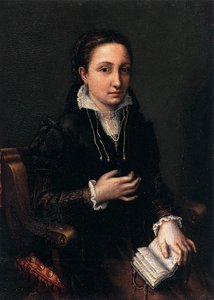
Lucia Anguissola
1536 - 1565 , Italia
Datos clave
- Artistic Movement Or Style: Mannerismo, Renacimiento
- Artists Or Movements Influenced By This Artist: Leonardo da Vinci
- Artists Who Influenced This Artist: Sofonisba Anguissola
- Date Of Birth: 1536
- Full Name: Lucia Anguissola
- Nationality: Italian
- Notable Artworks:
- Retrato de Pietro Maria
- Autorretrato
- Place Of Birth: Cremona, Italia
Artículos relacionados
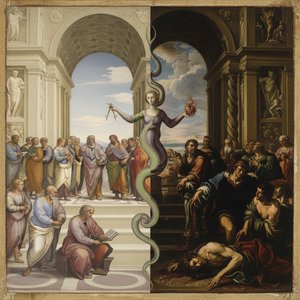
El Crepúsculo del Clasicismo Renacentista: Un Estudio del Estilo y la Afectación en el Manierismo
Descubre el Manierismo: un análisis profundo de este fascinante estilo artístico del Renacimiento tardío. Explora sus características, artistas clave y legado con ArtsDot.
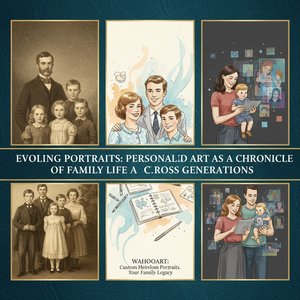
Evolución de los Retratos: El Arte Personalizado como Crónica de la Vida Familiar a Través de las Generaciones
Descubre la evolución del retrato familiar y cómo convertir tus recuerdos en obras de arte atemporales. Pinturas al óleo personalizadas por artistas expertos. ¡Preserva tu legado con ArtsDot!
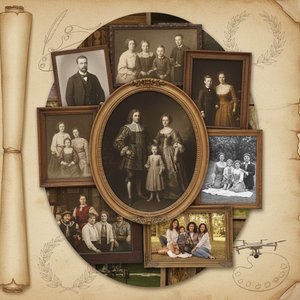
The Enduring Legacy of Family Portraiture: A Historical & Artistic Exploration
Explore the rich history of family portraiture with ArtsDot. Discover artistic styles, symbolism & collecting insights. Commission a custom oil painting or appraise your existing artwork today!
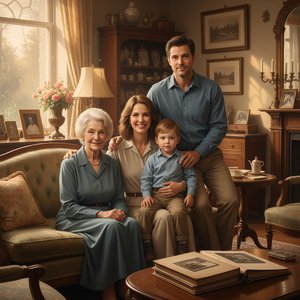
Ecos de la Ancestralidad: Retratos Familiares a Través de la Historia
Descubra la historia y el simbolismo del retrato familiar a través de los siglos. En , revive tu legado con reproducciones y comisiones personalizadas.
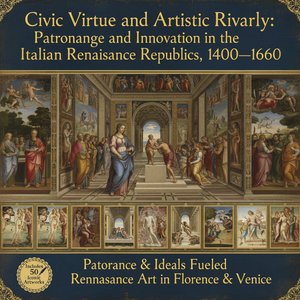
Virtud Cívica y Rivalidad Artística: Mecenazgo e Innovación en las Repúblicas Italianas del Renacimiento, 1400–1600
Descubre el Renacimiento italiano: mecenazgo, rivalidad artística y la explosión del humanismo. Análisis experto de artistas clave y su legado cultural. ¡Sumérgete en una época fascinante!