

 Vista previa
 Compartir
 Compartir
 Ver detalles

 Descargar
 Ver similares
 Radiografía
 Presentación de diapositivas
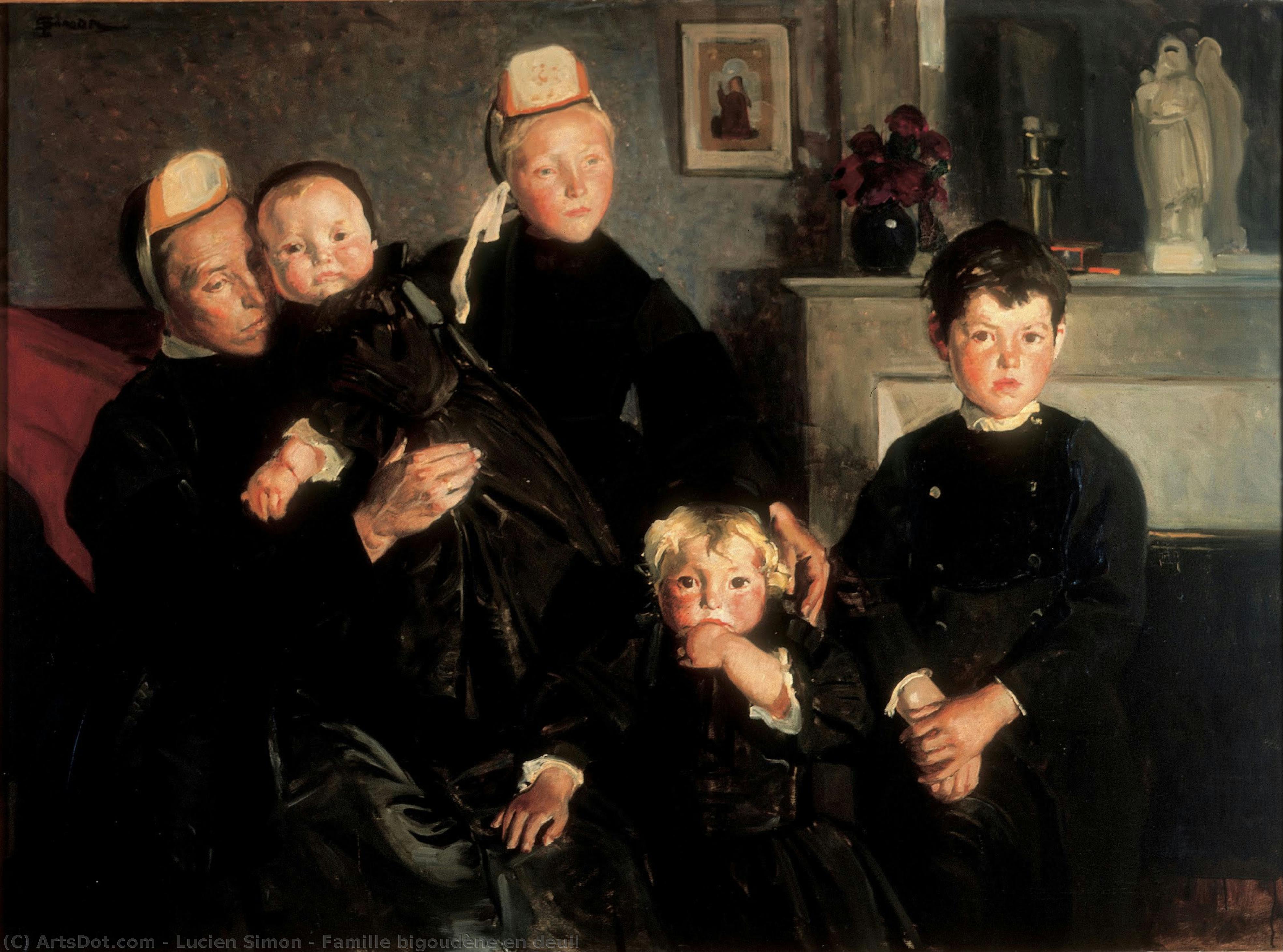
Famille bigoudène en deuil


 Leer más
Reproducción al óleo hecha a mano
Óleo sobre lienzo pintado a mano en el tamaño y marco de su elección, realizado por encargo por nuestros artistas. ( Pedir impresión Comprar descarga)




P118B $10

P118H $10

P118W $10

P438Z $10

P508JH $12

P508YH $12

P805H $10

P805Z $10

P919BZ $10

P919G $10

P919XJ $10

P959ZH $10

P968JZ $12

W106C $8

W218G $10

W218JH $8

W218Y $10

W307PJ $10

W316G $10

W316PJ $8

W316Y $10

W398PJ $8

W4111J $10

W500HY $15

W500JH $15

W692G $12

W849H $8

W940BG $15

W953PJ $8




Elija entre nuestros tamaños predefinidos que respetan las proporciones originales de la obra.

Puede ingresar sus propias dimensiones para adaptarse a un marco o espacio específico. Si el tamaño seleccionado no coincide con las proporciones de la imagen original, recortaremos la obra o extenderemos la pintura con elementos adicionales pintados a mano. Se le enviará una maqueta digital para su aprobación antes de comenzar la producción.
Tenga en cuenta que la vista previa en pantalla no refleja el recorte o la extensión reales. Solo la maqueta mostrará con precisión la composición final.
Si bien existen tamaños personalizados, recomendamos seleccionar una dimensión de la lista predefinida para preservar las proporciones originales.
Tras realizar el pedido, el equipo de ArtsDot.com enviará un correo electrónico al cliente para solicitar instrucciones y proporcionarle una vista previa del boceto.
Envío a todo el mundo () en 3-4 semanas en lugar de las 5 semanas estándar. (20 agosto). Sin comprometer la calidad.

Envío exprés gratuito a todo el mundo

Lienzo de lino de alta calidad

Seguro de envío completo

Garantía de reembolso de aranceles aduaneros

Garantía de fidelidad cromática exacta

Política de devolución de 60 días (solo por defectos)

Garantía de devolución del 100% del dinero

Oferta por volumen
 La opción de vidrio solo está disponible en tamaños inferiores a 110 cm.

Famille bigoudène en deuil
Técnica de reproducción
Tamaño de la reproducción
-


Precio total
$ 263
Descripción de la obra
A Somber Elegance: The Soul of Brittany in Lucien Simon’s Masterpiece
In the quiet, heavy atmosphere of Famille bigoudène en deuil, we are invited into a moment of profound intimacy and shared sorrow. Painted in 1910 by the master of Breton realism, Lucien Simon, this work transcends a mere family portrait to become a poignant meditation on grief, resilience, and the enduring bonds of kinship. The scene captures a Bigouden family in mourning, a subject deeply rooted in the cultural fabric of Brittany. At the heart of the composition, a woman sits with a stoic grace, cradling two children in her arms. Her black attire, emblematic of her bereavement, anchors the painting, while the surrounding figures—a man standing vigil and others seated in quiet contemplation—create a tapestry of collective loss. The presence of a simple vase in the periphery adds a touch of domestic stillness, grounding this heavy emotional moment in the reality of everyday life.
Lucien Simon was not merely a chronicler of faces; he was a poet of light and shadow. Moving away from the bright, fleeting impressions of his contemporaries, Simon embraced a darker, more grounded palette that allowed him to explore the "Dark Impressionism" of rural France. In this piece, his technique is masterful, utilizing subtle tonal shifts to define the textures of fabric, the warmth of skin, and the somber weight of the atmosphere. The brushwork, while disciplined, possesses an organic fluidity that breathes life into the mourning figures, making the stillness of the room feel palpable. For the discerning collector or interior designer, this painting offers a sophisticated depth; its muted tones and rich textures provide a focal point that commands attention without overwhelming a space, lending an air of historical gravity and intellectual depth to any curated collection.
Beyond its aesthetic brilliance, Famille bigoudène en deuil serves as a window into the folklore and social customs of early 20th-century Brittany. The Bigouden identity, known for its distinct traditions and strong communal ties, is rendered here with immense respect and ethnographic precision. There is a profound symbolism in the way the figures are grouped; they form a protective circle around the bereaved, suggesting that while death may fracture the individual, the community remains an unbreakable shield. This interplay between personal tragedy and communal strength creates an emotional resonance that is both haunting and comforting. To possess a reproduction of this work is to bring into one's home not just a beautiful object of art, but a piece of human history—a timeless reminder of the dignity found within our most vulnerable moments.
Obras relacionadas
Biografía del artista
Lucien Simon: A Dark Impressionist Vision of Brittany
Lucien Joseph Simon (1861-1945) was a French painter and teacher whose artistic journey unfolded against the backdrop of late 19th and early 20th century France, leaving an indelible mark on Impressionism and Breton landscape painting. Born in Paris, he possessed a keen eye for capturing the subtleties of light and atmosphere—a hallmark of his stylistic approach—yet distinguished himself from many of his contemporaries by embracing darker tonal palettes and exploring themes rooted in rural life and folklore.Early Life and Artistic Training
Simon’s formative years were marked by rigorous academic training. After graduating from lycée louis-le-grand, he pursued painting at the studio of Jules Didier, honing his skills before enrolling at l’académie julian in 1880–83. This foundational education instilled in him a disciplined technique and an understanding of classical composition—elements that would subtly inform his later works. His exposure to Didier's teachings proved pivotal in shaping his artistic sensibilities. Didier’s influence is evident in Simon’s careful attention to detail and balanced compositions, mirroring the stylistic conventions favored by Bouguereau and Robert-Fleury – artists whom Simon admired greatly.The Bande Noire and Impressionistic Exploration
Simon’s artistic trajectory took a significant turn when he encountered Charles Cottet and joined the bande noire, or “nubians,” alongside Dauchez, Prinet, Aman-jean, and Ménard. This influential group championed Impressionism but deliberately rejected its brighter hues, favoring muted tones that conveyed mood and emotion with remarkable depth. They sought to depict scenes of Breton landscapes—particularly coastal areas—with a palpable sense of melancholy and mystery—a stylistic choice reflecting Simon’s fascination with the region's traditions and myths. The bande noire’s rejection of conventional color palettes aligns perfectly with Simon’s artistic vision, prioritizing tonal modulation to convey psychological states rather than merely representing visual reality.Teaching and Artistic Legacy
Simon’s dedication extended beyond his own artistic pursuits; he became a respected educator, establishing Académie de la Grande Chaumière in 1902 alongside Alice Dannenberg and fostering the development of young artists. He also taught at École nationale des beaux-arts and was elected to its académie des beaux-arts in 1927, holding this position for thirteen years—a testament to his influence within the Parisian art world. His legacy resides not only in his paintings but also in nurturing talent and shaping artistic discourse. Notably, Paul Simon (his son), a sculptor specializing in animal figures, continued his father’s artistic lineage. Simon's meticulous instruction emphasized observation and emotional expression – principles that resonated throughout his students’ careers.Notable Works and Recognition
Simon's oeuvre encompasses numerous landscapes imbued with Breton spirit—such as “Fin de repas à Kergaït,” “Soirée à l’atelier,” “A Self-Portrait,” “Le Ramassage du Goémon,” and "A Gust of Wind." His painting “The Fair” exemplifies his masterful use of tonal modulation to convey emotion, while “Procession au Pardon de Sainte-Anne-la-Paludan” captures the solemn beauty of Breton religious rituals. He achieved considerable acclaim during his lifetime, culminating in first prize at “L’exposition universelle de Paris” in 1937 for his contribution to the Luxembourg Pavilion—a recognition of his artistic prowess and enduring vision. His portrait by Charles Cottet remains a treasured piece within the Musée d’Orsay, offering insight into Simon's character and artistic spirit. Furthermore, Simon’s paintings are held in prestigious museums worldwide – including the Museum of Fine Arts, Boston; Brooklyn Museum of Art; Musée Carnavalet; and Musée des Beaux-Arts Lyon—solidifying his place as a pivotal figure in Impressionist art history.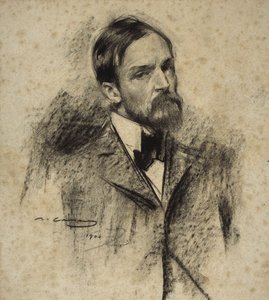
Lucien Simon
1861 - 1945 , Francia
Datos clave
- Artistic Movement Or Style: Impresionismo
- Artists Who Influenced This Artist: ['Jules Didier']
- Date Of Birth: 1861
- Date Of Death: 1945
- Full Name: Lucien Joseph Simon
- Nationality: Francés
- Notable Artworks:
- Fin de repas à kergaït
- Soirée à l’atelier
- A Self-Portrait
- Le Ramassage du Goémon
- Place Of Birth: Paris, Francia
Artículos relacionados
Impresionismo: 10 Obras Maestras que Capturan la Luz y el Momento
Descubre 10 obras maestras del impresionismo de Monet, Renoir y Degas. Explora la luz, el color y las historias detrás de estos icónicos cuadros. Reproducciones de arte en ArtsDot.com para decorar tu hogar con estilo.

Paul Cézanne: Las 25 Obras Maestras que Definieron el Arte Moderno | ArtsDot
Descubre las 25 obras maestras de Paul Cézanne que revolucionaron el arte moderno. Explora su técnica, inspiración y significado en paisajes, bodegones y retratos. Reproducciones de alta calidad para decorar tu hogar con arte inolvidable. ¡Explora la colección completa en ArtsDot.com!
Ferdinand du Puigaudeau: Bridging Impressionism & Symbolism in Breton Landscapes
Discover Ferdinand du Puigaudeau's captivating Breton landscapes – a bridge between Impressionism & Symbolism. Explore his life, unique style, and enduring legacy with ArtsDot.
Fleeting Moments & Radiant Light: Exploring the Enduring Legacy of Impressionism
Explore the captivating world of Impressionism! Discover its history, key artists like Monet & Renoir, defining techniques, and lasting impact on modern art. Expert insights for collectors.
Evolución de los Retratos: El Arte Personalizado como Crónica de la Vida Familiar a Través de las Generaciones
Descubre la evolución del retrato familiar y cómo convertir tus recuerdos en obras de arte atemporales. Pinturas al óleo personalizadas por artistas expertos. ¡Preserva tu legado con ArtsDot!

