 Vista previa
 Compartir
 Compartir
 Ver detalles

 Descargar
 Ver similares
 Radiografía
 Presentación de diapositivas
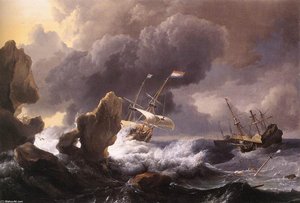
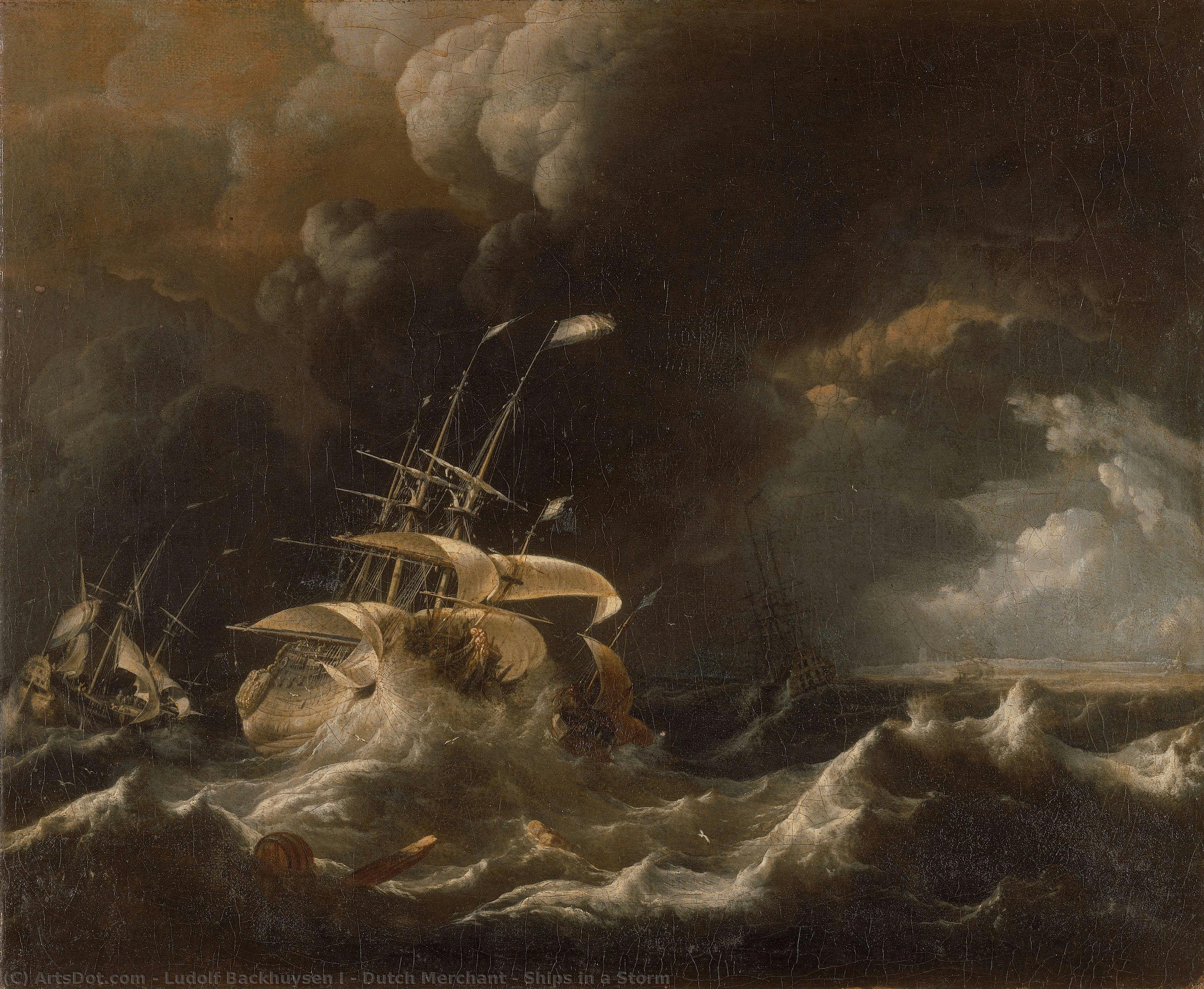
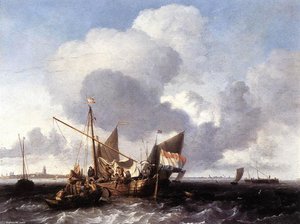
Dutch Merchant - Ships in a Storm
 Oil On Canvas
- WallArt
- Baroque Maritime Painting
 1690
1690- Renaissance
 480.0 x 395.0 cm
 Galería de Arte Walker
 Leer más
Reproducción al óleo hecha a mano
Óleo sobre lienzo pintado a mano en el tamaño y marco de su elección, realizado por encargo por nuestros artistas. ( Pedir impresión Comprar descarga)




P118B $10

P118H $10

P118W $10

P438Z $10

P508JH $12

P508YH $12

P805H $10

P805Z $10

P919BZ $10

P919G $10

P919XJ $10

P959ZH $10

P968JZ $12

W106C $8

W218G $10

W218JH $8

W218Y $10

W307PJ $10

W316G $10

W316PJ $8

W316Y $10

W398PJ $8

W4111J $10

W500HY $15

W500JH $15

W692G $12

W849H $8

W940BG $15

W953PJ $8




Elija entre nuestros tamaños predefinidos que respetan las proporciones originales de la obra.

Puede ingresar sus propias dimensiones para adaptarse a un marco o espacio específico. Si el tamaño seleccionado no coincide con las proporciones de la imagen original, recortaremos la obra o extenderemos la pintura con elementos adicionales pintados a mano. Se le enviará una maqueta digital para su aprobación antes de comenzar la producción.
Tenga en cuenta que la vista previa en pantalla no refleja el recorte o la extensión reales. Solo la maqueta mostrará con precisión la composición final.
Si bien existen tamaños personalizados, recomendamos seleccionar una dimensión de la lista predefinida para preservar las proporciones originales.
Tras realizar el pedido, el equipo de ArtsDot.com enviará un correo electrónico al cliente para solicitar instrucciones y proporcionarle una vista previa del boceto.
Envío a todo el mundo () en 3-4 semanas en lugar de las 5 semanas estándar. (21 agosto). Sin comprometer la calidad.

Envío exprés gratuito a todo el mundo

Lienzo de lino de alta calidad

Seguro de envío completo

Garantía de reembolso de aranceles aduaneros

Garantía de fidelidad cromática exacta

Política de devolución de 60 días (solo por defectos)

Garantía de devolución del 100% del dinero

Oferta por volumen
 La opción de vidrio solo está disponible en tamaños inferiores a 110 cm.

Dutch Merchant - Ships in a Storm
Técnica de reproducción
Tamaño de la reproducción
-


Precio total
$ 263
Descripción de la obra
Ludolf Backhuysen’s ‘Dutch Merchant – Ships in a Storm’: A Testament to Maritime Drama
This monumental oil on canvas, measuring 480 x 395 cm and dating from 1690, represents the pinnacle of Ludolf Backhuysen's artistic achievement. More than just a depiction of a maritime scene, ‘Dutch Merchant – Ships in a Storm’ is a visceral exploration of human vulnerability against the overwhelming power of nature—a theme deeply resonant within the Dutch Golden Age’s fascination with both commerce and the sublime. Backhuysen, born in Emden in 1630, honed his skills initially as a merchant's clerk before dedicating himself fully to painting, influenced by masters like Allart van Everdingen and Hendrik Dubbels. His subsequent rise to prominence coincided with a shift in artistic focus within Dutch painting; following the departure of Willem van de Velde’s sons to England, Backhuysen seized the opportunity to become the foremost painter of maritime subjects, a position he held until his death in 1708.
A Masterclass in Realist Drama
Backhuysen's technique is characterized by an almost obsessive attention to detail and a remarkable ability to convey movement and texture. The large scale of the painting amplifies this effect, drawing the viewer directly into the heart of the storm. Notice the meticulous rendering of the waves – not idealized forms but chaotic, frothing masses sculpted by wind and water. The artist’s use of impasto, particularly in depicting the cresting foam and the straining timbers of the ship, adds a tangible sense of physicality to the scene. He achieved this realism through extensive firsthand observation, famously venturing out onto the North Sea in a small boat to study the effects of storms directly, meticulously translating his observations onto canvas. The color palette—dominated by dark blues, greens, and grays – further enhances the dramatic mood, reflecting the oppressive darkness of the sky and the turbulent depths of the sea.
Symbolism and the Human Condition
Beyond its technical brilliance, ‘Dutch Merchant – Ships in a Storm’ carries significant symbolic weight. The sinking ship represents not just a commercial loss but also the precariousness of human endeavor against the forces beyond our control. This theme aligns with broader philosophical currents of the era, reflecting anxieties about mortality and the insignificance of individual ambition when confronted with the vastness of nature. The scattered boats, some closer to the main vessel, suggest varying degrees of preparedness and resilience – a subtle commentary on social hierarchy and the unequal distribution of fortune. The painting’s composition—a dynamic diagonal thrust created by the waves and the ship's trajectory—heightens the sense of instability and impending doom.
A Timeless Investment in Artistic Power
This reproduction captures the essence of Backhuysen’s masterpiece, offering a stunning visual experience that transcends its historical context. Its size – 480 x 395 cm – makes it an ideal statement piece for grand interiors, capable of commanding attention and evoking a powerful emotional response. The meticulous detail and dramatic composition ensure that this artwork will remain a captivating subject for years to come, representing not just a significant work of art but also a testament to the enduring power of human creativity.
Obras relacionadas



Biografía del artista
Ludolf Backhuysen I (1630–1708)
Ludolf Backhuysen I, a german-born dutch painter, was born on december 28, 1630, in emden, east frisia. he moved to amsterdam around 1650, where he initially worked as a merchant's clerk and calligrapher. however, his true passion lay in art, and he soon devoted himself to painting, studying under the esteemed masters allart van everdingen and hendrik dubbels.Rise to Prominence
Backhuysen’s artistic talent quickly gained recognition, particularly in his maritime subjects. After willem van de velde the elder and younger left for england in 1672, backhuysen became the leading dutch painter of maritime art. His compositions, characterized by intense realism, often featured rough seas. To capture the effects of storms, he would frequently venture into the open sea in a small boat. This dedication to observation and meticulous detail—a hallmark of his style—became central to his artistic vision. He was profoundly influenced by willem van de velde the elder and younger, whose dramatic depictions of naval battles captivated audiences and established a precedent for portraying turbulent weather conditions with unprecedented accuracy.Notable Works and Legacy
Some of backhuysen’s notable works include:- Ships in a Storm (1670s-1690s): These canvases exemplify Backhuysen's mastery of capturing the raw power of nature, utilizing bold brushstrokes and dramatic lighting to convey the terror and grandeur of a tempestuous sea.
- Seascape and Fishing Boats (1708): This final masterpiece showcases Backhuysen’s unwavering commitment to portraying coastal life with remarkable fidelity, reflecting his lifelong fascination with the maritime environment.
- Battle of Vigo Bay (1702): A monumental depiction of naval warfare, demonstrating Backhuysen's ability to convey both the visual spectacle and psychological tension inherent in combat situations.
- Dutchman Embarking Onto a Yacht (1670-1679): This painting captures a moment of serene contemplation amidst the vastness of the ocean, highlighting Backhuysen’s nuanced understanding of human emotion within natural landscapes.
- Johan de Liefde, Vice-Admiral: A portrait commemorating Johan de Liefde, a prominent dutch admiral, exemplifies Backhuysen's skill in capturing likeness and conveying character through subtle gestures and expressions.
Life and Artistic Development
Ludolf Backhuysen’s formative years were marked by a disciplined upbringing under his father's tutelage as a scribe—a profession that instilled in him a meticulous attention to detail and precision. Moving to amsterdam around 1650, he initially pursued mercantile endeavors alongside calligraphy, but quickly recognized the transformative potential of artistic expression. His initial studies with allart van everdingen and hendrik dubbels provided him with foundational knowledge of classical composition and technique—influences that would permeate his entire oeuvre. He honed his craft through tireless experimentation and observation, immersing himself in the maritime world to gain firsthand experience of weather conditions and seafaring life. This dedication to realism—a defining characteristic of his style—became a cornerstone of his artistic practice.Later Life and Death
Backhuysen continued to produce artwork throughout his life, establishing a gallery on the top floor of amsterdam townhall in 1699—a testament to his enduring success as an artist and entrepreneur. His travels included visits to england, where he encountered new artistic ideas and broadened his horizons. Ludolf Backhuysen I passed away peacefully in amsterdam on november 17, 1708, leaving behind a substantial body of work that continues to inspire admiration for its uncompromising realism and evocative portrayal of the sea.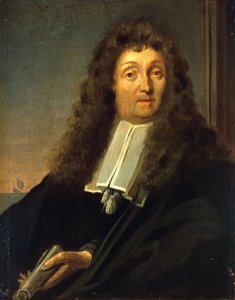
Ludolf Backhuysen I
1630 - 1708 , Alemania
Datos clave
- Artistic Movement Or Style: Dutch Baroque
- Artists Who Influenced This Artist:
- Allart van Everdingen
- Hendrik Dubbels
- Date Of Birth: December 28, 1630
- Full Name: Ludolf Backhuysen I
- Nationality: Dutch
- Notable Artworks:
- Ships in a Storm
- Seascape and Fishing Boats
- Battle of Vigo Bay
- Place Of Birth: Emden, Germany
Artículos relacionados

Los 10 Maestros del Siglo de Oro Holandés: Arte, Historia y Decoración Exclusiva
Descubre los 10 imprescindibles del Siglo de Oro Holandés: Rembrandt, Vermeer y más. Explora la historia, técnica y belleza de estos lienzos clásicos. Encuentra reproducciones de arte exclusivas para decorar tu hogar en .
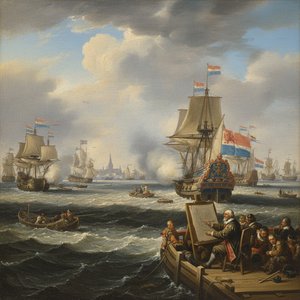
Willem van de Velde the Elder: Master of Maritime Painting & Chronicler of the Dutch Golden Age
Discover the captivating maritime paintings of Willem van de Velde the Elder, a master chronicler of the Dutch Golden Age. Explore his unparalleled realism and lasting influence on naval art history.

Reflejos de una Época Dorada: La Pintura Barroca Holandesa y la Innovación Cultural
Descubra la riqueza y el detalle de la pintura barroca holandesa del Siglo de Oro. Explore las obras maestras de Rembrandt, Vermeer y otros artistas clave. Análisis experto e historia cultural.
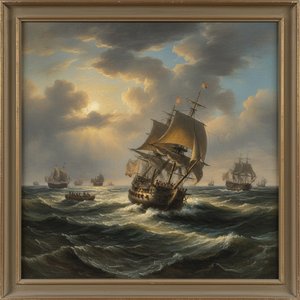
Ludolf Backhuysen I: Master of Dutch Marine Painting & Atmospheric Realism
Explore the captivating world of Ludolf Backhuysen I, a master of Dutch marine painting. Discover his signature realism, atmospheric seascapes & lasting influence on art history. Learn about collecting and appreciating this Golden Age artist.
Abraham Hulk Senior: Pioneering Maritime Topography of the Dutch Golden Age
Explore the captivating seascapes of Abraham Hulk Senior, a leading Anglo-Dutch marine painter of the 19th century. Discover his signature style, family legacy & collectable artworks at ArtsDot.