

 Enviar
 Compartir
 Detalles

 Descargar
 Similares
 Presentación de diapositivas
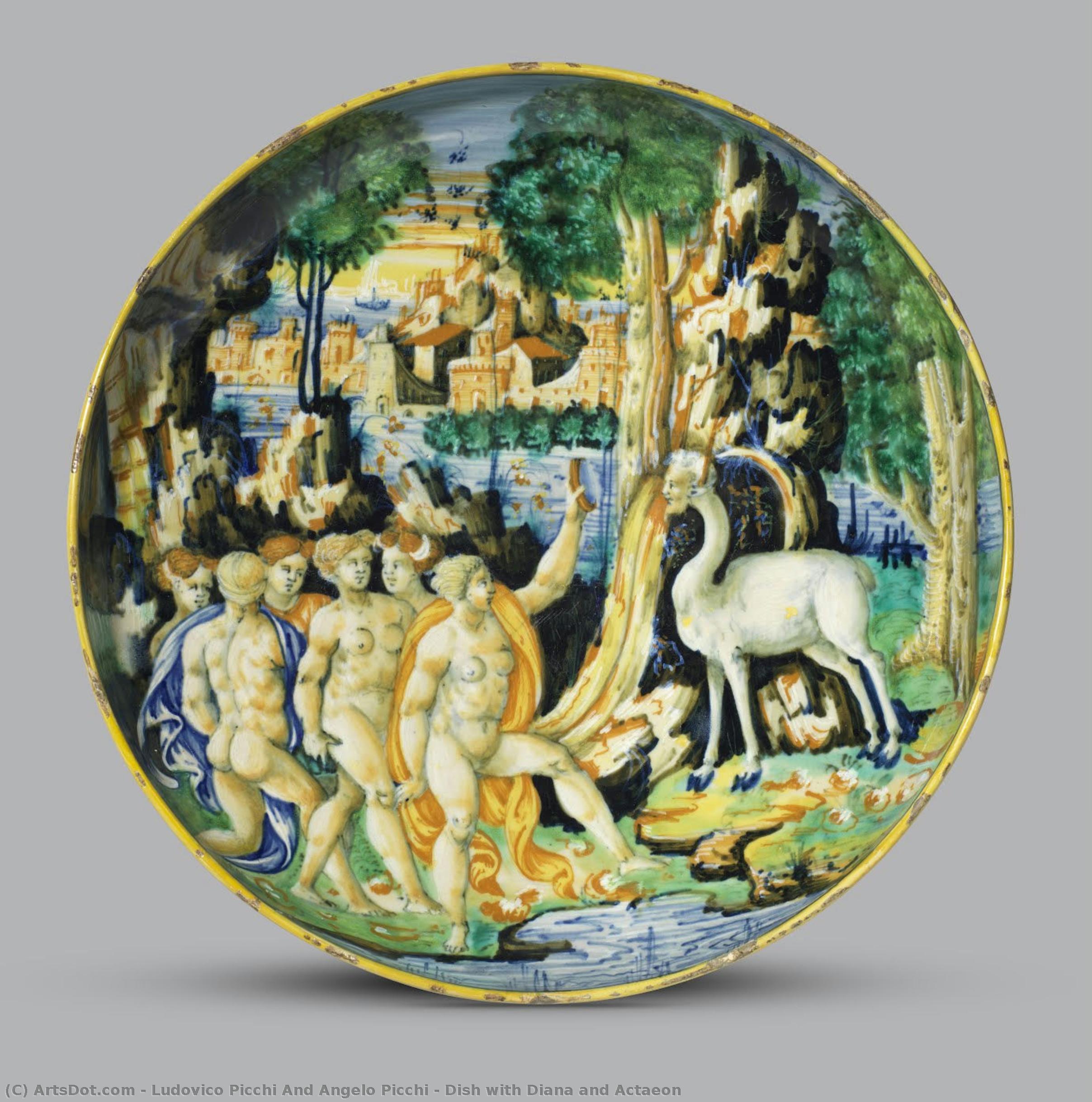
Dish with Diana and Actaeon


 Ver más
Giclée / Impresión de arte
Impresiones giclée o en lienzo de calidad de museo con producción rápida y opciones de acabado flexibles. ( Comprar pintura hecha a mano Comprar imagen)




































Elija entre nuestros tamaños predefinidos que respetan las proporciones originales de la obra.

Puede introducir sus propias dimensiones para adaptarse a un marco o espacio específico. Si el tamaño seleccionado no coincide con las proporciones de la imagen original, recortaremos la obra de arte o extenderemos la imagen con un borde con efecto espejo o de color sólido. Se enviará una maqueta digital para su aprobación antes de que comience la producción.
Tenga en cuenta que la vista previa en pantalla no refleja el recorte o la extensión real. Solo la maqueta mostrará con precisión la composición final.
Aunque existen tamaños personalizados, recomendamos seleccionar una dimensión de la lista predefinida para preservar las proporciones originales.
Envío a todo el mundo () en 2 semanas en lugar de las 4/5 semanas estándar. (5 septiembre)

Envío exprés gratuito a todo el mundo

Lienzo de lino de alta calidad

Seguro de envío total

Garantía de reembolso de impuestos aduaneros

Garantía de fidelidad cromática exacta

Política de devolución de 60 días (solo por defectos)

Garantía de devolución del 100% del dinero

Descuento por cantidad
 La opción de vidrio solo está disponible en tamaños inferiores a 110 cm.

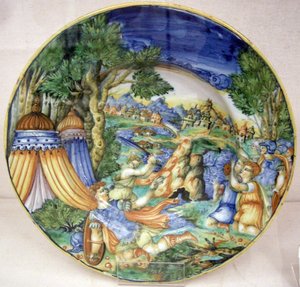
Dish with Diana and Actaeon
Giclée / Impresión de arte
Dimensiones de la reproducción
-


Precio total final
$ 62
The Mythic Embrace of Nature: Diana and Actaeon
To gaze upon this depiction of Diana and Actaeon is to step directly into the lush, dramatic heart of classical mythology. The scene itself is a breathtaking tableau vivant, capturing not merely an event, but a moment suspended between divine grace and primal consequence. We find ourselves immersed in an outdoor setting, where the verdant tapestry of trees frames a tranquil body of water. At its core lies the narrative tension: Diana, the goddess embodying the wild spirit of the hunt, confronts Actaeon, whose transgression leads to his dramatic transformation into a stag. The composition is richly populated, featuring several figures scattered across the landscape—a presence near the left edge, another on the right, and others clustered closer to the center—all contributing to an atmosphere that oscillates between profound serenity and sudden, fateful drama.
Mastery in Ceramic Tradition: Technique and Craft
This exquisite piece speaks volumes about the unparalleled skill of its creators, Ludovico Picchi and Angelo Picchi. As masters of Castel Durante Maiolica, their touch elevates mere pottery to the realm of high art. The technique employed here is characteristic of Renaissance ceramic brilliance; the vibrant pigments applied to the glazed earthenware allow the narrative drama to unfold with breathtaking clarity. Observe how the artists have rendered the natural elements—the flowing water, the foliage, and the distant sky where a bird takes flight above the middle ground—with such convincing verisimilitude. The inclusion of details, such as the noble horse resting in the bottom-right corner, anchors the mythological action within a tangible, believable world.
Symbolism Woven into the Scene
The symbolism inherent in Diana and Actaeon is timeless, speaking to humanity’s complex relationship with nature. Diana represents untamed wilderness, purity, and the divine law of the hunt, while Actaeon embodies hubris—the fatal overreach when man trespasses upon sacred boundaries. The transformation itself serves as a potent allegory: the moment human curiosity or violation meets the immutable power of the natural world. This tension between civilization (represented by the structured gathering of figures) and wild instinct (embodied by the stag) gives the artwork its enduring emotional resonance, inviting contemplation on consequence and divine judgment.
A Touch of Renaissance Grandeur for Your Space
For the discerning collector or designer seeking an object imbued with history and narrative depth, this reproduction offers unparalleled sophistication. The style channels the grandeur of 16th-century Italian decorative arts, making it a spectacular focal point for any room. Whether placed in a formal drawing-room where classical narratives are appreciated, or within a space designed to evoke natural tranquility, its rich palette and masterful execution ensure that it commands attention. Owning this piece is not simply acquiring decoration; it is curating a piece of storied Italian artistic heritage, bringing the mythic drama of Castel Durante into your modern life.
Obras relacionadas

Biografía del artista
Ludovico Picchi y Angelo Picchi: Maestros de la Mayólica de Castel Durante
Los hermanos Picchi, Ludovico (c. 1530 – ?) y Angelo (c. 1525 – ?), se erigen como figuras prominentes en el paisaje artístico de la Italia renacentista, específicamente dentro de la próspera tradición cerámica de Castel Durante, Lacio. Su taller fue una piedra angular del patrimonio cultural de la región, produciendo piezas de mayólica asombrosas que continúan cautivando tanto a coleccionistas como a estudiosos. Nacidos en el seno de una familia profundamente arraigada en el oficio de la alfarería —su padre, Giorgio Picchi, estableció un legado de excelencia artística—, Ludovico y Angelo heredaron no solo la destreza técnica, sino también una dedicación inquebrantable para capturar la belleza y la grandeza de su época.- Primeros años y legado familiar: Crecer en medio de la bulliciosa comunidad artesanal de Castel Durante les inculcó una comprensión profunda de la cultura material y la innovación artística. El enfoque meticuloso de Giorgio Picchi hacia la cerámica sirvió como un cimiento invaluable para las propias empresas creativas de Ludovelo y Angelo.
- <Establecimiento del taller y colaboración artística: Siguiendo los pasos de su padre, Ludovico y Angelo establecieron su taller juntos, fomentando un entorno colaborativo donde floreció la experimentación. Esta asociación les permitió desafiar los límites de la técnica de la mayólica, manteniendo al mismo tiempo un compromiso firme con las convenciones estilísticas prevalentes durante el siglo XVI.
- <Maestría técnica y estilo decorativo: Los hermanos Picchi sobresalieron en el dominio de las complejidades de la producción de mayólica —el cottura, o proceso de cocción—, empleando diseños de hornos sofisticados y controlando meticulosamente las temperaturas. Su estilo distintivo se caracteriza por colores vibrantes, intrincados motivos florales y representaciones magistrales de temas mitológicos, reflejando los ideales humanistas que impregnaban el arte del Renacimiento.
Datos clave
- Artistic Movement Or Style: Maiólica
- Date Of Birth: Vivo
- Full Name: Ludovico Picchi & Angelo Picchi
- Nationality: Italiano
- Notable Artworks: ['Plato con Diana y Acteón']
- Place Of Birth: Castel Durante, Italia
Artículos relacionados
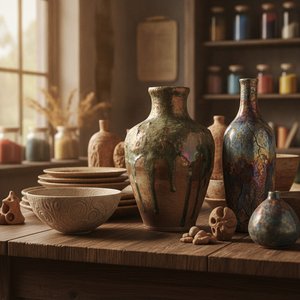
The Alchemy of Clay: A Collector's Guide to the Mastery, Texture, and Timeless Form of Ceramic Art
Discover the profound beauty of ceramic art. Our expert guide explores the alchemy of clay, texture, and glaze, offering collectors deep insights into mastering earth and fire to create timeless, sculptural masterpieces for any curated collection.
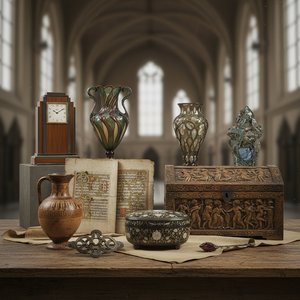
The Enduring Appeal of Decorative Art: A Historical Survey of Ornamentation, Functionality & Cultural Significance
Explore the rich history of decorative arts with ArtsDot.com. Discover key movements, influential artists, and expert guidance for building a discerning collection. Learn about ornamentation, functionality & cultural significance.

Gustav Klimt: Las 25 Obras Maestras que Definen un Ícono del Arte Moderno | ArtsDot
Descubre las 25 obras maestras de Gustav Klimt, ícono del simbolismo y Art Nouveau. Explora 'El Beso', 'Judith' y más. Reproducciones de arte en ArtsDot.com para decorar tu hogar con elegancia. ¡Inspírate!
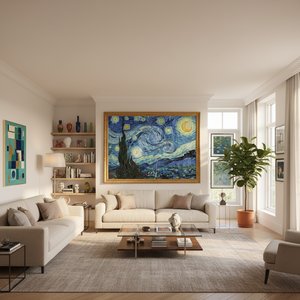
Los 10 Cuadros Más Famosos para un Salón de Ensueño |
Descubre los 10 cuadros más famosos para transformar tu salón. Explora la historia de Van Gogh, Monet y otros maestros del arte clásico e impresionismo. Encuentra lienzos decorativos y reproducciones de museos en

Fernand Léger: Las 25 Obras Maestras del Tubismo y la Vanguardia Francesa | ArtsDot
Descubre las 25 obras maestras de Fernand Léger, pionero del tubismo y la vanguardia francesa. Explora su estética industrial, composiciones geométricas y vibrantes colores. Reproducciones de arte exclusivas en ArtsDot.com.

