 Ver en contexto
 Enviar
 Compartir
 Detalles

 Descargar
 Similares
 Radiografía
 Presentación de diapositivas
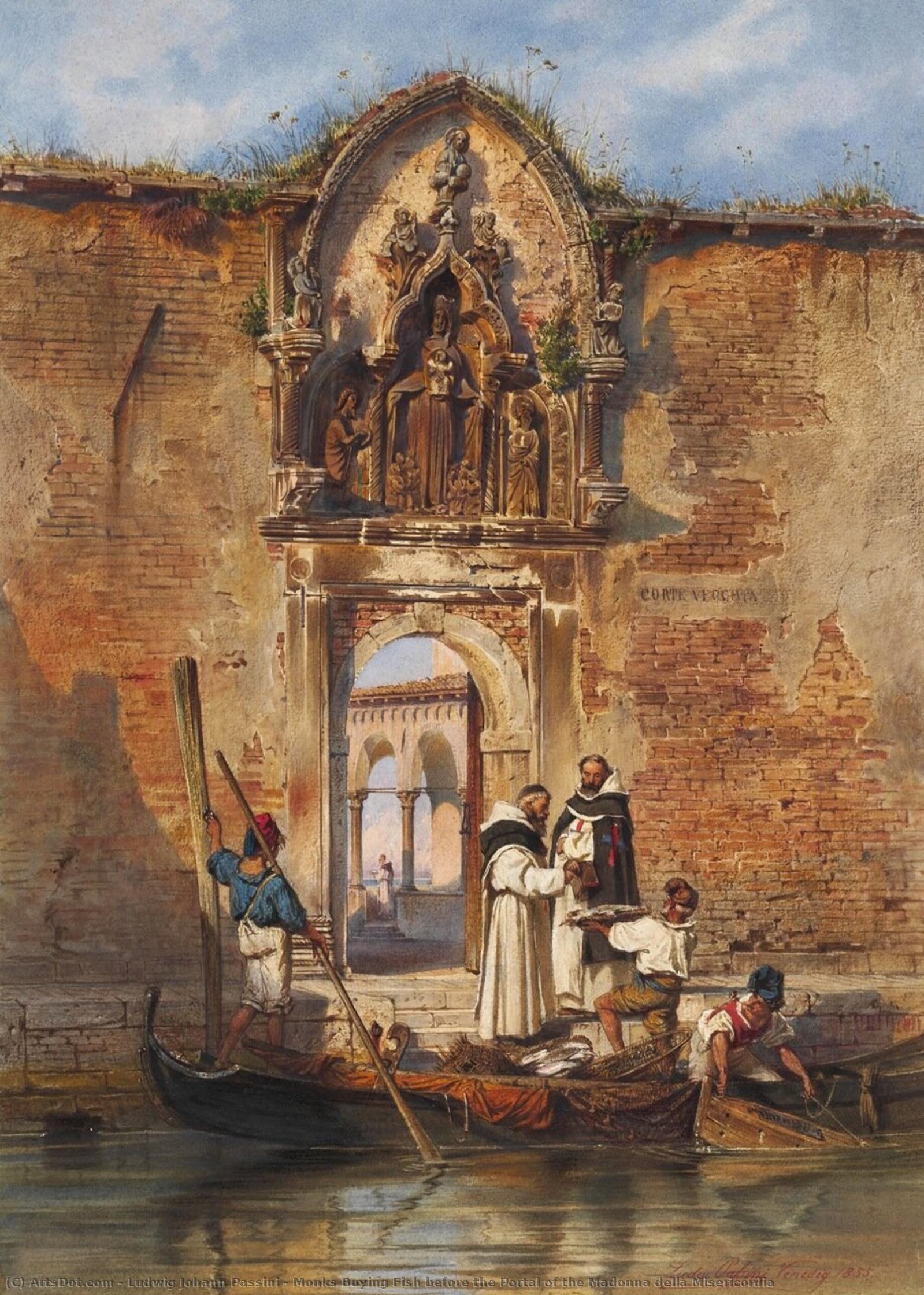
Monks Buying Fish before the Portal of the Madonna della Misericordia
 Acrylic On Canvas
- WallArt
- Genre Painting
 1855
1855 47.0 x 33.0 cm
 Galería Nacional de Arte
 Ver más
Reproducción al óleo hecha a mano
Óleo sobre lienzo pintado a mano en el tamaño y marco de su elección, realizado por encargo por nuestros artistas. ( Comprar impresión Comprar imagen)




P118B $10

P118H $10

P118W $10

P438Z $10

P508JH $12

P508YH $12

P805H $10

P805Z $10

P919BZ $10

P919G $10

P919XJ $10

P959ZH $10

P968JZ $12

W106C $8

W218G $10

W218JH $8

W218Y $10

W307PJ $10

W316G $10

W316PJ $8

W316Y $10

W398PJ $8

W4111J $10

W500HY $15

W500JH $15

W692G $12

W849H $8

W940BG $15

W953PJ $8




Elija entre nuestros tamaños predefinidos que respetan las proporciones originales de la obra.

Puede ingresar sus propias dimensiones para adaptarse a un marco o espacio específico. Si el tamaño seleccionado no coincide con las proporciones de la imagen original, recortaremos la obra o extenderemos la pintura con elementos adicionales pintados a mano. Se le enviará una maqueta digital para su aprobación antes de comenzar la producción.
Tenga en cuenta que la vista previa en pantalla no refleja el recorte o la extensión reales. Solo la maqueta mostrará con precisión la composición final.
Si bien existen tamaños personalizados, recomendamos seleccionar una dimensión de la lista predefinida para preservar las proporciones originales.
Tras realizar el pedido, el equipo de ArtsDot.com enviará un correo electrónico al cliente para solicitar instrucciones y proporcionarle una vista previa del boceto.
Envío a todo el mundo () en 3-4 semanas en lugar de las 5 semanas estándar. (5 septiembre). Sin comprometer la calidad.

Envío exprés gratuito a todo el mundo

Lienzo de lino de alta calidad

Seguro de envío total

Garantía de reembolso de impuestos aduaneros

Garantía de fidelidad cromática exacta

Política de devolución de 60 días (solo por defectos)

Garantía de devolución del 100% del dinero

Descuento por cantidad
 La opción de vidrio solo está disponible en tamaños inferiores a 110 cm.

Monks Buying Fish before the Portal of the Madonna della Misericordia
Técnica de reproducción
Dimensiones de la reproducción
-


Precio total final
$ 263
A Moment of Grace: Ludwig Passini’s Venetian Chronicle
Ludwig Johann Passini's “Monks Buying Fish before the Portal of the Madonna della Misericordia,” painted in 1855, isn’t merely a depiction of a marketplace scene; it’s a carefully constructed tableau brimming with quiet spirituality and the everyday rhythms of Venetian life. The painting transports us to a sun-drenched corner of the city, where the mundane act of purchasing fish becomes imbued with a profound sense of reverence. Passini, a master of genre painting, skillfully captures not just the visual details – the worn brickwork of the church façade, the vibrant colors of the fish, the simple robes of the monks – but also the palpable atmosphere of community and faith.
The composition is remarkably balanced, drawing our eye to the central figures engaged in their transaction. Two men, likely merchants and monks respectively, stand close together, their gestures suggesting a comfortable familiarity. Around them, other individuals bustle about, creating a sense of lively activity that contrasts subtly with the solemnity of the religious portal looming behind. Notice how Passini uses light – dappled sunlight filtering through the buildings – to create depth and highlight key elements within the scene. The artist’s meticulous attention to detail, from the texture of the fish scales to the folds in the monks' garments, speaks volumes about his dedication to realism and his ability to capture the essence of a particular moment in time.
The Madonna della Misericordia: A Focal Point of Devotion
Understanding the context surrounding this painting is crucial to appreciating its deeper meaning. The “Madonna della Misericordia” (Our Lady of Mercy) was a significant devotional image within Venice, and Passini’s choice to depict monks purchasing fish before its portal immediately connects the scene to religious practice. The Madonna della Misericordia was associated with charity and compassion – themes central to Venetian society at the time. The act of buying fish, therefore, isn't simply about acquiring sustenance; it represents a contribution to the community, an embodiment of mercy and generosity.
Furthermore, the portal itself acts as a visual anchor, framing the scene with its architectural grandeur. The weathered brickwork and arched doorway suggest centuries of devotion, grounding the contemporary transaction in a rich historical tradition. The painting subtly invites us to contemplate the intersection between faith, commerce, and daily life – a theme that resonated deeply within the Venetian culture of the 19th century.
Technique and Style: A Masterful Blend
Passini’s technique is characterized by a remarkable blend of realism and sensitivity. He employed watercolor and gouache on paper, creating a luminous quality that perfectly captures the light and atmosphere of Venice. The artist's use of layering and glazing techniques allows him to build up color gradually, achieving subtle variations in tone and texture. Observe how he renders the reflections on the wet fish – a testament to his keen eye for detail and his ability to capture fleeting moments of beauty.
The painting’s style is firmly rooted in the academic tradition, yet it possesses a distinctly Venetian sensibility. Passini was influenced by artists like Carlo Watts, but he developed a unique voice through his focus on everyday subjects and his masterful use of light and color. His work reflects a deep appreciation for the beauty of ordinary life – a quality that makes “Monks Buying Fish” such a compelling and enduring image.
A Legacy of Venetian Charm
Ludwig Passini’s “Monks Buying Fish before the Portal of the Madonna della Misericordia” is more than just a painting; it's a window into the soul of Venice. It offers a glimpse into the daily lives, beliefs, and artistic sensibilities of a vibrant city at the cusp of modernity. Reproductions of this captivating work continue to resonate with viewers today, evoking a sense of nostalgia for a bygone era and reminding us of the enduring power of art to capture the essence of human experience.
Obras relacionadas

Biografía del artista
Ludwig Johann Passini: Un Maestro Vienés de la Pintura Genre Veneciana
Ludwig Johann Passini (1832–1903) ocupa un lugar destacado en el arte austriaco y italiano del siglo XIX, reconocido principalmente por sus escenas género exquisitamente detalladas y cautivadoras acuarelas que representan la vida veneciana. Nacido en Viena el 9 de julio de 1832, el viaje artístico de Passini comenzó bajo la tutela de su padre, Johann Nepomuk Passini, un distinguido grabador quien inculcó en él una comprensión fundamental del oficio visual. Tras trasladarse a Trieste en 1850, la familia Passini abrazó una existencia cosmopolita, moldeando la exposición artística de Passini a diversas influencias culturales. Su educación artística formal culminó en la Academia Vienesa de Arte, donde perfeccionó sus habilidades junto a figuras destacadas como Joseph von Führich y Leopold Kupelwieser. Este período formativo consolidó sus sensibilidades estilísticas – principalmente enfocadas en el realismo—y estableciólo como estudiante de tradición clásica. Reconociendo el talento de Passini, Führich lo alentó a estudiar en Leipzig, ampliando así su desarrollo artístico. Notablemente, colaboró estrechamente con Anton Romako en Werner's studio, sumergiéndose en el vibrante ambiente artístico de Venecia y Roma durante los años 50 y 60. La residencia veneciana de Passini fue transformadora, fomentando conexiones con otros artistas como Henry Woods, August von Pettenkofen, Carl van Haanen, Wolkoff, Ruben y Thoren, quienes establecieron un estudio en Palazzo Vendramin Calergi – un espacio que serviría como hogar creativo de Passini durante treinta años. Dentro de este ambiente influyente, mantuvo conversaciones animadas sobre visión artística y técnica con contemporáneos, moldeando así su propio enfoque distintivo para pintar. La presencia de Luigi Mion junto a él fortaleció el espíritu de la comunidad artística. Su obra maestra se caracteriza por una sensibilidad excepcional hacia la vida cotidiana – particularmente la sociedad veneciana—y una habilidad para transmitir emociones humanas profundas mediante detalles meticulosamente observados. Sus acuarelas capturaron escenas de mercados bulliciosos, interiores domésticos íntimos y retratos de individuos comunes con una compasión inquebrantable. Passini reflejó los cambios culturales del tiempo, abrazando elementos impresionistas y realistas sin perder la firme adhesión a principios clásicos de composición y armonía cromática. Entre sus obras más celebradas se encuentran “Una Confianza Compartida” (1870), que representa figuras eruditas involucradas en un diálogo intelectual; "La Princesa Rospigliosi y la Baronessa Baude", mostrando la opulencia de la vida aristocrática veneciana; y “Niños Romanos Jugando”, capturando la alegría despreocupada de la infancia entre los monumentos romanos. Además, sus retratos – incluyendo aquellos de Katherine Bronson y Sir Henry Layard– demuestran su maestría en el realismo psicológico y su capacidad para capturar la esencia de sus sujetos. Su legado perdura como testimonio del poder eterno de la pintura género y el arte acuarela veneciana durante la Belle Époque, dejando una huella imborrable en la historia del arte europeo.
ludwig johann passini
1832 - 1903 , Austria
Datos clave
- Artistic Movement Or Style: Realismo
- Artists Or Movements Influenced By This Artist: ['Henry Woods']
- Artists Who Influenced This Artist:
- Josef von Führich
- Leopold Kupelwieser
- Date Of Birth: 1832
- Date Of Death: 1903
- Full Name: Ludwig Johann Passini
- Nationality: Austríaco
- Notable Artworks:
- Una Confianza Compartida
- Niños romanos jugando
- Principessa Rospigliosi e baronessa Baude
- Place Of Birth: Vienna, Austria
Artículos relacionados

Acuarelas Legendarias: 10 Obras Maestras que Transformaron el Arte | ArtsDot
Descubre 10 acuarelas legendarias de Turner, Monet y Sargent que revolucionaron el arte. Explora la historia, técnica y belleza de estas obras maestras impresionistas y románticas. Reproducciones de museo en ArtsDot.com.

Ephemeral Visions: Exploring the Artistic Legacy & Contemporary Practice of Watercolor Painting
Explore the captivating world of watercolor painting! Discover its rich history, essential techniques, influential artists & collecting tips. A comprehensive guide for art enthusiasts from ArtsDot.

Visiones Efímeras: Historia y Resonancia Emocional de la Pintura Acuarela
Descubre la fascinante historia de la acuarela, desde sus orígenes hasta su expresión contemporánea. Explora técnicas, artistas clave como Paul Klee y encuentra reproducciones de alta calidad en ArtsDot.

Ephemeral Visions: Exploring the Artistic Legacy & Nuances of Watercolor Painting
Explore the captivating world of watercolor painting! Discover its rich history, essential techniques, influential artists & collecting tips from art experts. A comprehensive guide for enthusiasts.
La Fascinación Duradera de la Acuarela: Historia, Técnicas y Práctica Contemporánea
Descubre la fascinante historia y las técnicas de la acuarela. Explora obras maestras, aprende con expertos y encuentra reproducciones o comisiones personalizadas en .