 Vista previa
 Compartir
 Compartir
 Ver detalles

 Descargar
 Ver similares
 Radiografía
 Presentación de diapositivas
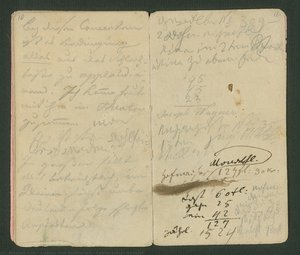
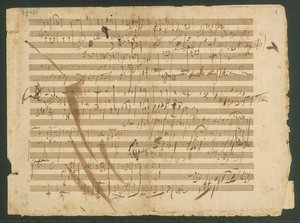
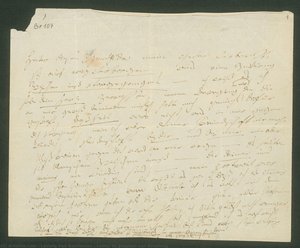
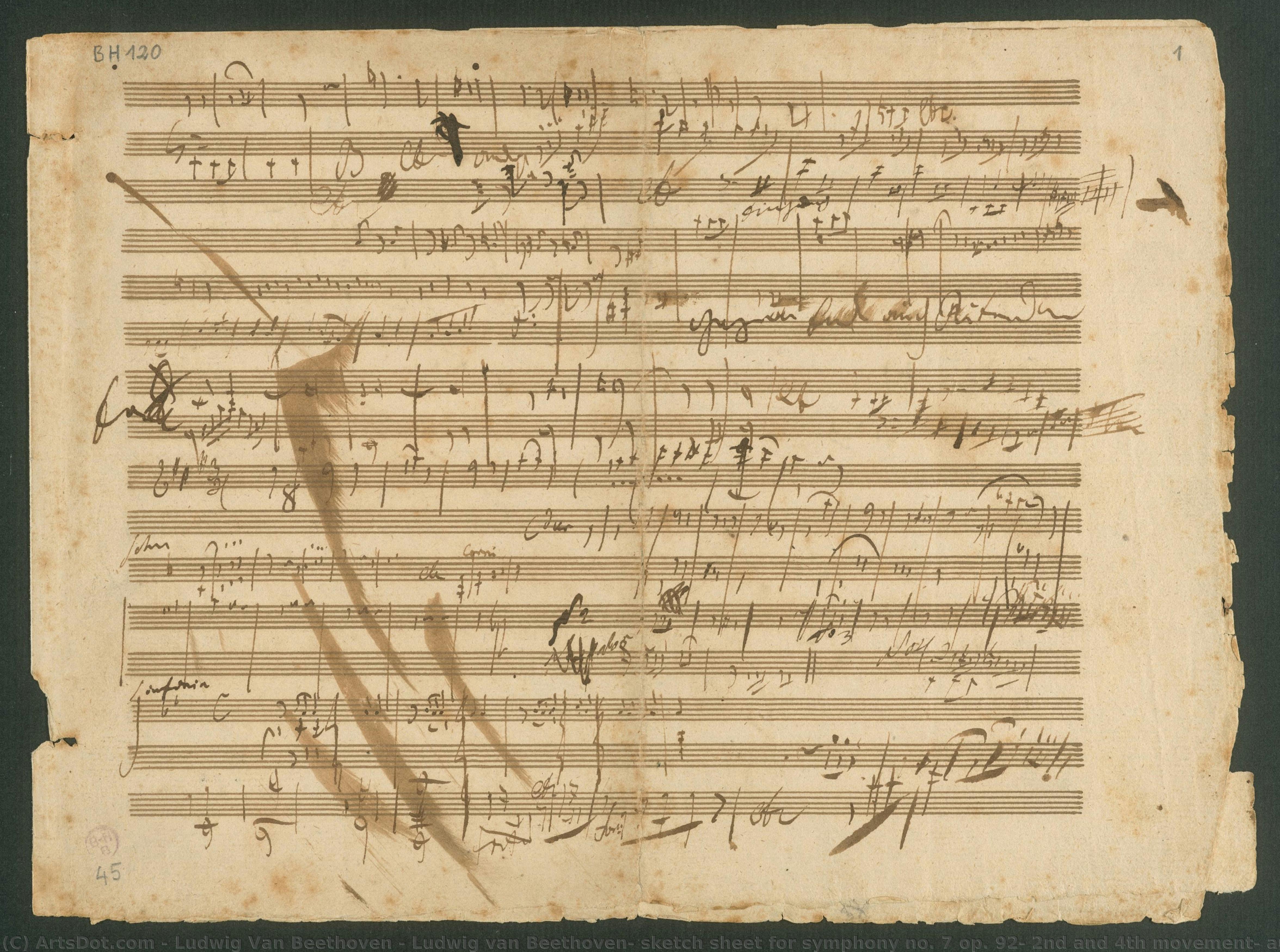
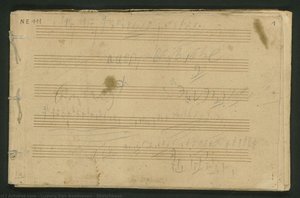
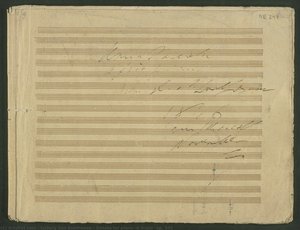
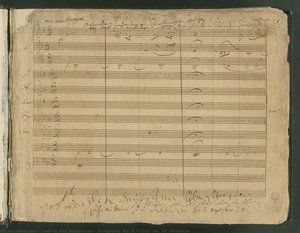
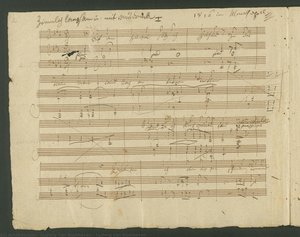
Ludwig van Beethoven, hoja de boceto para la sinfonía n.º 7 op. 92, 2.º y 4.º movimiento, autógrafo
 Acrílico sobre lienzo
- Arte de pared
- Romanticism
 1812
1812 23.0 x 32.0 cm
 Beethoven-Haus Bonn
 Leer más
Reproducción al óleo hecha a mano
Óleo sobre lienzo pintado a mano en el tamaño y marco de su elección, realizado por encargo por nuestros artistas. ( Pedir impresión Comprar descarga)




P118B $10

P118H $10

P118W $10

P438Z $10

P508JH $12

P508YH $12

P805H $10

P805Z $10

P919BZ $10

P919G $10

P919XJ $10

P959ZH $10

P968JZ $12

W106C $8

W218G $10

W218JH $8

W218Y $10

W307PJ $10

W316G $10

W316PJ $8

W316Y $10

W398PJ $8

W4111J $10

W500HY $15

W500JH $15

W692G $12

W849H $8

W940BG $15

W953PJ $8




Elija entre nuestros tamaños predefinidos que respetan las proporciones originales de la obra.

Puede ingresar sus propias dimensiones para adaptarse a un marco o espacio específico. Si el tamaño seleccionado no coincide con las proporciones de la imagen original, recortaremos la obra o extenderemos la pintura con elementos adicionales pintados a mano. Se le enviará una maqueta digital para su aprobación antes de comenzar la producción.
Tenga en cuenta que la vista previa en pantalla no refleja el recorte o la extensión reales. Solo la maqueta mostrará con precisión la composición final.
Si bien existen tamaños personalizados, recomendamos seleccionar una dimensión de la lista predefinida para preservar las proporciones originales.
Tras realizar el pedido, el equipo de ArtsDot.com enviará un correo electrónico al cliente para solicitar instrucciones y proporcionarle una vista previa del boceto.
Envío a todo el mundo () en 3-4 semanas en lugar de las 5 semanas estándar. (21 agosto). Sin comprometer la calidad.

Envío exprés gratuito a todo el mundo

Lienzo de lino de alta calidad

Seguro de envío completo

Garantía de reembolso de aranceles aduaneros

Garantía de fidelidad cromática exacta

Política de devolución de 60 días (solo por defectos)

Garantía de devolución del 100% del dinero

Oferta por volumen
 La opción de vidrio solo está disponible en tamaños inferiores a 110 cm.

Ludwig van Beethoven, hoja de boceto para la sinfonía n.º 7 op. 92, 2.º y 4.º movimiento, autógrafo
Técnica de reproducción
Tamaño de la reproducción
-


Precio total
$ 263
Descripción de la obra
A Window Into Genius: Beethoven's Sketch Sheet for Symphony No. 7
The unassuming sheet of paper—a humble rectangle measuring 23 x 32 cm—holds within it the genesis of one of Ludwig van Beethoven’s most celebrated symphonies, Symphony No. 7 in A major, Opus 92. More than just a musical notation, this autograph sketch represents a tangible connection to the creative mind of a titan, offering a rare glimpse into the process by which one of history's greatest composers wrestled with his artistic vision. Dating back to 1811-1812, it’s a testament to perseverance and ingenuity—a poignant reminder that brilliance often emerges from moments of vulnerability.- Provenance: The sheet originated from the “Petter” manuscript, meticulously cataloged by Beethoven's publisher Johann Ottavio Pettersson. This careful documentation underscores the importance placed on preserving Beethoven’s legacy and ensures its accessibility to scholars and enthusiasts alike.
- Materials & Technique: Executed in ink and pencil, primarily on a single double sheet, the sketch reveals Beethoven’s methodical approach. Sixteen systems of notation—a complex method for representing musical information—were painstakingly etched onto the paper using a ratchet mechanism, demonstrating remarkable precision. Two stitching holes indicate that it was originally bound together with other sketches and manuscripts, highlighting Beethoven's dedication to documenting his ideas as they unfolded.
- Further Exploration: Interested in delving deeper into Beethoven’s artistic process? Explore recordings of Symphony No. 7 performed by renowned orchestras and conductors at ArtsDot.com for an immersive experience.
Obras relacionadas
Biografía del artista
early life and musical beginnings
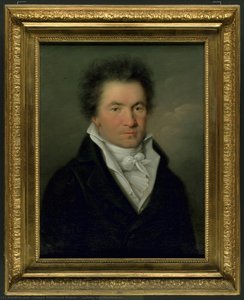
Ludwig van Beethoven, a titan of classical music, was born in Bonn, Germany, on December 17, 1770—the son of Johann Van Beethoven, a singer, and Magdalena Kreutzer—a pianist. From his earliest years, Beethoven demonstrated an extraordinary aptitude for music, captivating audiences with performances that belied his youth. Recognizing this prodigious talent, his father diligently nurtured his musical inclinations, securing lessons from Christian Gottlob Schulze, Bonn’s court organist, who instilled in him a foundational understanding of counterpoint and harmony. However, Beethoven's formal education was somewhat curtailed by familial circumstances; Johann Van Beethoven’s financial struggles hampered the family’s ability to provide extensive resources for his son’s musical pursuits. Despite these limitations, Beethoven persevered, honing his skills independently and immersing himself in the works of composers like Franz Joseph Haydn—a formative influence that would shape his artistic vision.movements and influences
Beethoven's relocation to Vienna in 1792 marked a pivotal juncture in his life and career. Seeking patronage and artistic recognition, he joined forces with Anton Reichstädt, a wealthy Viennese musician who served as his benefactor and introduced him to influential circles within the city’s musical elite. This association fostered collaborations with composers like Joseph Haydn and Johann Georg Albrechtsberger—further enriching Beethoven's intellectual landscape and propelling him toward groundbreaking innovations. Vienna became the crucible of Beethoven’s artistic evolution, where he wrestled with stylistic debates surrounding Classical versus Romantic aesthetics. The prevailing sentiment was that instrumental music should be subservient to vocal music; Beethoven vehemently rejected this notion, asserting its primacy as a form of artistic expression—a stance that challenged established conventions and foreshadowed the burgeoning Romantic movement.major achievements
Beethoven’s musical legacy transcends mere technical brilliance; it embodies an unwavering commitment to emotional depth and expressive power. His symphonies—particularly Symphony No. 5 (“Fate knocking at the door”), Symphony No. 9 (“Ode to Joy”), and Symphony No. 3 ("Eroica")—remain cornerstones of orchestral repertoire, captivating audiences worldwide with their dramatic narratives and harmonic complexity. Beyond his symphonic masterpieces, Beethoven’s piano sonatas—such as Moonlight Sonata and Für Elise—are universally beloved for their lyrical beauty and profound psychological insight. He revolutionized the piano concerto form, elevating it to new heights of artistic sophistication and demonstrating unparalleled mastery of musical technique. Furthermore, Beethoven's choral works, notably Missa Solemnis, stand as monuments to his ambition to fuse music and spirituality—a daring undertaking that cemented his place among history’s most transformative composers.deafness and continued creativity
Beginning in 1796, Beethoven endured a gradual but inexorable descent into deafness—a condition that profoundly impacted his life and artistic practice. Initially experiencing tinnitus (ringing in the ears), he progressively lost hearing until, by the early 1820s, he was effectively mute. Despite this debilitating affliction, Beethoven refused to abandon his musical vocation, channeling his grief and frustration into an astonishing outpouring of creativity—producing some of his most enduring works during a period of profound isolation. He experimented with innovative compositional techniques—such as utilizing hammers and wax cylinders to transcribe music—demonstrating unwavering determination and intellectual resilience. His deafness served not as an impediment but rather as a catalyst for artistic introspection, prompting him to delve deeper into the expressive possibilities of silence and instrumental timbre.historical significance
Ludwig van Beethoven’s influence on subsequent generations of composers is undeniable—his pioneering spirit irrevocably altered the trajectory of Western music. He championed the Romantic ideal of emotional sincerity and individualism—challenging the rigid formalism of the Classical era and paving the way for a more expansive artistic vision. His works continue to inspire musicians and audiences alike, resonating with themes of struggle, triumph, and transcendence—affirming Beethoven’s enduring relevance as a symbol of human creativity and perseverance. He remains an icon of musical genius—a testament to the transformative power of art in confronting adversity and elevating the human spirit.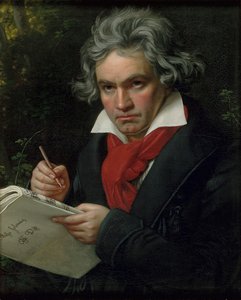
Ludwig Van Beethoven
1770 - 1827 , Alemania
Datos clave
- Artistic Movement Or Style: Clásico Romántico
- Artists Or Movements Influenced By This Artist: ['Johannes Brahms']
- Artists Who Influenced This Artist:
- Franz Joseph Haydn
- Christian Gottlob Schulze
- Date Of Birth: 1770 Bonn Alemania
- Date Of Death: 1827 Viena Austria
- Full Name: Ludwig van Beethoven
- Nationality: Alemania
- Notable Artworks:
- Moonlight Sonata
- Sinfonía No 9
- Place Of Birth: Bonn Alemania
Artículos relacionados

Rembrandt van Rijn: Las 25 Obras Maestras que Definen un Genio | Arte, Historia y Decoración
Descubre las 25 obras maestras de Rembrandt van Rijn, el genio del barroco holandés. Explora su historia, técnica y simbolismo en retratos icónicos como 'La Ronda Nocturna'. Encuentra reproducciones de arte exclusivas para decorar tu hogar con ArtsDot.com.
The Eloquent Line: Exploring the Artistic Significance of Sketches Across Movements and Media
Explore the profound artistic significance of sketches throughout history. From Renaissance masters to modern innovators like Van Gogh & Guston, discover how these foundational works reveal technique, emotion, and vision. Learn more at ArtsDot.

Los 10 Maestros del Primitivo Flamenco: Obras que Definen un Arte Inigualable | ArtsDot
Descubre los 10 imprescindibles del Primitivo Flamenco: Jan van Eyck, Robert Campin y más. Explora la historia, simbolismo y técnica de estas obras maestras renacentistas tempranas. Encuentra reproducciones de arte de museo en ArtsDot.com.
Charles-André van Loo: A Study in Rococo Portraiture & the French Court's Artistic Dynamics
Explore the elegant world of Charles-André van Loo, a master of Rococo portraiture at the French court. Discover his life, techniques, and enduring influence on 18th-century art. Hand-painted reproductions available.

Renacimiento Flamenco Temprano: 10 Obras Maestras que Cambiaron la Historia del Arte | ArtsDot
Descubre las 10 obras maestras del Renacimiento Flamenco Temprano. Explora la historia de Jan van Eyck, Robert Campin y más. Reproducciones de arte en ArtsDot.com para decorar tu hogar con belleza y elegancia. ¡Explora la colección online!