 Ver en contexto
 Enviar
 Compartir
 Detalles

 Descargar
 Similares
 Radiografía
 Presentación de diapositivas
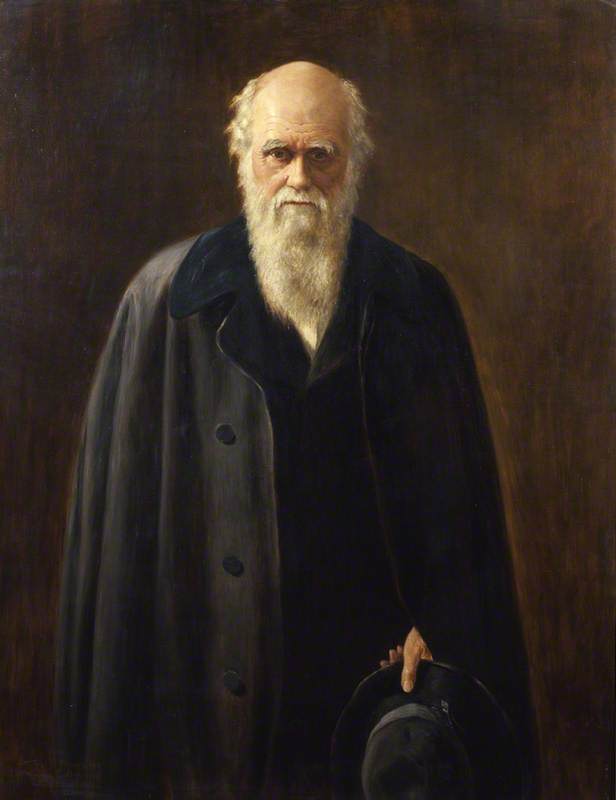
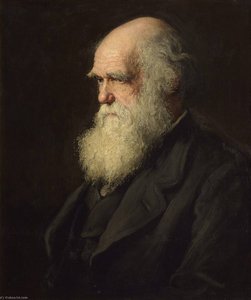
Charles Darwin (1809–1882) (after John Collier)
 Other
Other 1912
1912 127.0 x 100.0 cm
 Royal Society
 Ver más
Adquiera una imagen digital de alta resolución y optimizada, muy superior a la vista previa en línea.
Cada archivo es preparado meticulosamente por nuestros especialistas internos mediante el uso de herramientas avanzadas y un experto retoque manual. Nos aseguramos de que cada imagen posea una claridad excepcional, una precisión cromática impecable y un detalle minucioso.
El archivo final se entrega por correo electrónico en un plazo de 72 horas, optimizado para su uso inmediato en entornos profesionales, editoriales y de impresión. Esta es la misma calidad en la que confían los estudios de diseño, las editoriales y las galerías de primer nivel.
Imagen Digital
Descarga un archivo de alta resolución para exhibición personal, impresión y proyectos creativos. ( Comprar impresión Comprar pintura hecha a mano)
Incluido en cada pedido de imágenes digitales
Entrega digital experta, garantizada.
Al elegir ArtsDot.com, no solo está adquiriendo una imagen; está recibiendo una obra de arte digital mejorada profesionalmente, elaborada con precisión y respaldada por una garantía de satisfacción. Esto es todo lo que incluye su pedido, automáticamente:

Entrega rápida por email
Recibirá su archivo de imagen digital en alta resolución por correo electrónico en un plazo de 72 horas tras realizar su pedido, listo para su uso inmediato.

Archivo digital optimizado por IA
Su obra de arte se optimiza profesionalmente mediante herramientas avanzadas de IA y edición manual, garantizando el máximo detalle, claridad y precisión cromática.

Reenvío gratuito de por vida
¿Has borrado o perdido tu archivo por error? No te preocupes: te lo volveremos a enviar en cualquier momento, sin coste adicional.

Sin gastos de importación, siempre
Disfrute de su obra de arte al instante sin aduanas, aranceles ni gastos de envío; las descargas digitales siempre están libres de impuestos.

Garantía de fidelidad de color
Garantizamos que su imagen digital refleje los colores originales con la mayor fidelidad posible, mediante el uso de herramientas profesionales y gestión del color.

Garantía de satisfacción de 60 días
Si no está satisfecho con su imagen digital, la revisaremos o le reembolsaremos el 100% en un plazo de 60 días, sin preguntas.

100% Garantía de devolución de dinero
¿No está satisfecho? Obtenga un reembolso completo dentro de los 60 días posteriores a la recepción de su archivo digital, sin necesidad de explicaciones.

Descuentos por pedidos grandes
Compra 3 imágenes, ahorra 10% - Compra 5, ahorra 15% - Compra 10+, ahorra 20%. Ideal para proyectos creativos, galerías y agencias.
Obras relacionadas
Biografía del artista
A Quiet Chronicler of Scientific Minds
Mabel Beatrice Messer (1874–1950) occupies a fascinating, and often overlooked, niche in British portraiture. While not a name immediately recognizable alongside the Reynolds or Gainsboroughs of history, her work provides a compelling window into the intellectual landscape of the late Victorian and early 20th centuries. Messer wasn’t concerned with capturing grand societal figures or aristocratic splendor; instead, she dedicated herself to portraying the leading scientists of her time – men who were reshaping our understanding of the natural world. Her portraits, often copies after more established artists like John Collier, are not exercises in mere replication but thoughtful interpretations imbued with a quiet dignity and respect for their subjects.
Born in Blackheath, Kent, Messer’s early life remains somewhat shrouded in mystery. We know she was the daughter of a mechanical engineer, a background that perhaps fostered an appreciation for precision and detail – qualities evident in her meticulous brushwork. While formal artistic training details are scarce, it's clear she possessed considerable skill as a painter, particularly in oils. Her focus quickly gravitated towards portraiture, but with a distinct emphasis: the luminaries of science. This wasn’t simply about painting faces; it was about capturing intellect, dedication, and the weight of discovery.
The Royal Society Commissions & A Focus on Legacy
Messer's most significant work came through commissions from the Royal Society Picture Library. In an era before widespread photography, painted portraits were crucial for establishing a lasting visual record of Fellows – those elected to Britain’s prestigious scientific institution. She undertook several projects copying existing works, notably creating reproductions after John Collier’s original portrait of Charles Darwin in 1912. This wasn't simply duplication; Messer brought her own sensibility to the task, refining details and ensuring a faithful representation of the iconic naturalist. Similarly, she produced copies of portraits of John Tyndall (after J. McLure Hamilton) and John William Strutt, 3rd Baron Rayleigh (after Philip Burne Jones). These weren’t commissions for private collectors seeking status symbols; they were about preserving the image of scientific achievement for posterity.
The choice to work primarily through copying existing compositions is noteworthy. It suggests Messer may have lacked the connections or opportunities to secure original portrait sittings with these prominent figures directly. However, it also speaks to a deep respect for established artistic techniques and a desire to contribute to the ongoing visual narrative of scientific history. She wasn’t striving for radical innovation but rather for accurate and dignified representation.
Technique & Artistic Style
Messer's technique is characterized by its meticulous realism and subtle use of light and shadow. Her portraits aren’t flamboyant or overtly expressive; they are restrained, focusing on capturing the likeness and character of her subjects. The oil paintings demonstrate a mastery of texture, particularly in rendering facial features, hair, and clothing. She paid close attention to detail, ensuring that every button, fold of fabric, and strand of beard was accurately depicted. This dedication to precision lends her work a sense of authenticity and gravitas.
While she didn’t develop a highly distinctive or avant-garde style, Messer's portraits possess a quiet power. They are not about sensationalism but about conveying the intellectual weight and human dignity of the scientists they depict. The compositions often adhere to traditional portrait conventions – three-quarter length views, formal poses, and subdued backgrounds – further emphasizing her focus on faithful representation rather than artistic experimentation.
Historical Significance & A Lasting Record
Mabel Beatrice Messer’s historical significance lies in her role as a chronicler of the scientific community. Her portraits, though often reproductions, provide valuable visual documentation of leading figures at a pivotal moment in history. They offer insights into how these scientists were perceived and remembered by their contemporaries. In an age where the public understanding of science was growing, Messer’s work helped to solidify the image of the scientist as a figure of authority, intellect, and dedication.
Her legacy is one of quiet competence and unwavering commitment to her chosen subject matter. While she may not be celebrated as a groundbreaking innovator, Mabel Beatrice Messer deserves recognition for her contribution to preserving the visual history of science – a lasting record of the minds that shaped our world. Her work continues to offer a glimpse into the lives and legacies of these remarkable individuals, reminding us of the enduring power of portraiture to capture not just likeness but also character and intellectual spirit.