 Ver en contexto
 Enviar
 Compartir
 Detalles

 Descargar
 Similares
 Radiografía
 Presentación de diapositivas
Garden of the Casa Galli


 Ver más
Reproducción al óleo hecha a mano
Óleo sobre lienzo pintado a mano en el tamaño y marco de su elección, realizado por encargo por nuestros artistas. ( Comprar impresión Comprar imagen)




P118B $10

P118H $10

P118W $10

P438Z $10

P508JH $12

P508YH $12

P805H $10

P805Z $10

P919BZ $10

P919G $10

P919XJ $10

P959ZH $10

P968JZ $12

W106C $8

W218G $10

W218JH $8

W218Y $10

W307PJ $10

W316G $10

W316PJ $8

W316Y $10

W398PJ $8

W4111J $10

W500HY $15

W500JH $15

W692G $12

W849H $8

W940BG $15

W953PJ $8




Elija entre nuestros tamaños predefinidos que respetan las proporciones originales de la obra.

Puede ingresar sus propias dimensiones para adaptarse a un marco o espacio específico. Si el tamaño seleccionado no coincide con las proporciones de la imagen original, recortaremos la obra o extenderemos la pintura con elementos adicionales pintados a mano. Se le enviará una maqueta digital para su aprobación antes de comenzar la producción.
Tenga en cuenta que la vista previa en pantalla no refleja el recorte o la extensión reales. Solo la maqueta mostrará con precisión la composición final.
Si bien existen tamaños personalizados, recomendamos seleccionar una dimensión de la lista predefinida para preservar las proporciones originales.
Tras realizar el pedido, el equipo de ArtsDot.com enviará un correo electrónico al cliente para solicitar instrucciones y proporcionarle una vista previa del boceto.
Envío a todo el mundo () en 3-4 semanas en lugar de las 5 semanas estándar. (2 septiembre). Sin comprometer la calidad.

Envío exprés gratuito a todo el mundo

Lienzo de lino de alta calidad

Seguro de envío total

Garantía de reembolso de impuestos aduaneros

Garantía de fidelidad cromática exacta

Política de devolución de 60 días (solo por defectos)

Garantía de devolución del 100% del dinero

Descuento por cantidad
 La opción de vidrio solo está disponible en tamaños inferiores a 110 cm.

Garden of the Casa Galli
Técnica de reproducción
Dimensiones de la reproducción
-


Precio total final
$ 563
A Garden of Renaissance Grace: Maerten van Heemskerck’s “Garden of the Casa Galli”
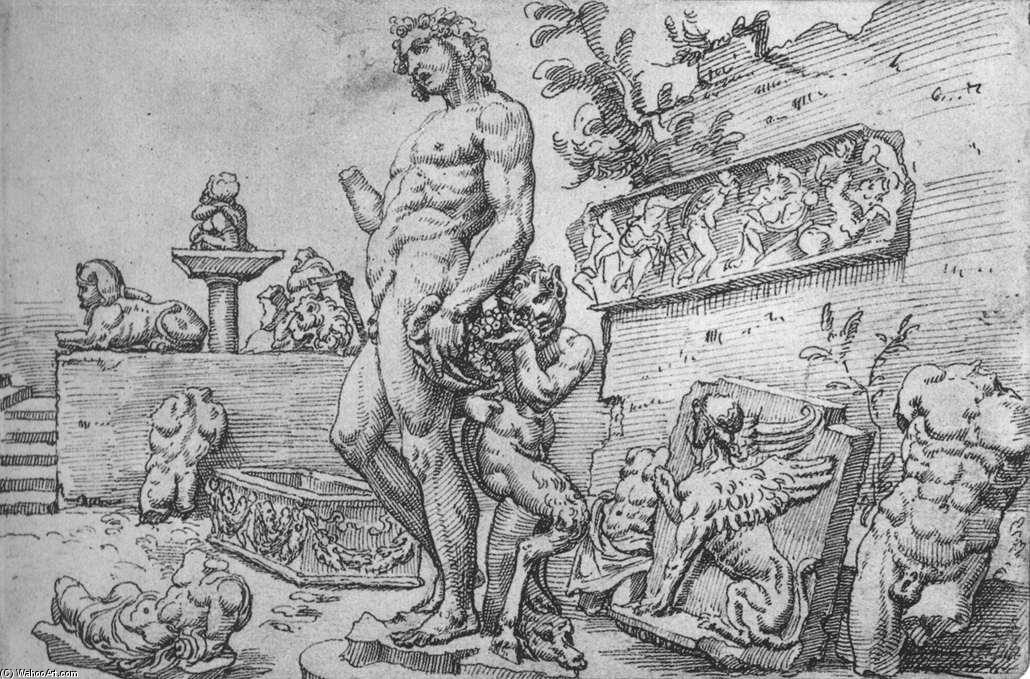
Maerten van Heemskerck's "Garden of the Casa Galli," created around 1532-35, isn’t merely a depiction of a classical Italian garden; it’s a meticulously crafted tableau of humanist ideals and artistic mastery. This engraving, now housed in the Web Gallery of Art, offers a profound glimpse into the Renaissance fascination with antiquity, humanism, and the pursuit of harmonious beauty. It transcends simple botanical illustration, becoming a carefully orchestrated meditation on order, proportion, and the idealized representation of man’s relationship with nature.
The scene unfolds within a classically inspired walled enclosure, a deliberate echo of Roman villas and Renaissance gardens. A central, imposing statue—a nude male figure radiating strength and composure—dominates the composition, immediately drawing the eye. This isn't a depiction of raw physicality but rather an embodiment of classical virtue: a celebration of human form in its most balanced and dignified state. Surrounding him are a multitude of smaller statues, fountains, architectural details – columns, niches, and balustrades – all arranged with a deliberate symmetry that speaks to the Renaissance emphasis on mathematical harmony and geometric precision. The figures within the garden itself—a scattering of attendants, musicians, and perhaps even mythological creatures—add layers of narrative complexity, hinting at stories of gods and heroes woven into the fabric of earthly existence.
The Language of Line: Technique and Craftsmanship
Van Heemskerck’s genius lies not just in his subject matter but in his extraordinary technical skill. As an engraving, “Garden of the Casa Galli” is a testament to the painstaking process involved. The artist employed a complex system of lines—fine, closely spaced for creating shadows and texture, bolder and more widely spaced to define forms—to build up tonal values with remarkable subtlety. Hatching and cross-hatching techniques are used extensively, transforming flat surfaces into convincing imitations of stone, marble, foliage, and skin. The meticulous detail is breathtaking; one can almost feel the coolness of the water in the fountain, the rough texture of the stonework, and the warmth of the sun on the figures’ bodies.
The engraving's monochromatic palette—a range of grays from stark white to deep black—further enhances its dramatic effect. The absence of color forces the viewer to focus entirely on the interplay of light and shadow, emphasizing form and volume. Van Heemskerck masterfully utilizes linear perspective, creating a sense of depth that pulls the viewer into the garden’s embrace. The receding walls, diminishing statues, and overlapping figures all contribute to this illusionistic space, making the engraving feel remarkably three-dimensional.
Symbolism and Humanist Ideals
Beyond its technical brilliance, “Garden of the Casa Galli” is rich in symbolic meaning. The central nude figure, reminiscent of classical sculptures like the Doryphoros by Polyclitus, embodies ideals of strength, beauty, and virtue—qualities highly valued during the Renaissance. The garden itself can be interpreted as a microcosm of paradise, a carefully constructed space designed to reflect the order and harmony of the cosmos. The inclusion of mythological figures suggests a connection between earthly beauty and divine inspiration – a core tenet of humanist thought.
Furthermore, the scene reflects the Renaissance fascination with classical antiquity. The garden’s design draws heavily on Roman architectural principles, while the statues themselves are inspired by Greek mythology. Van Heemskerck's work is not simply a record of a beautiful garden; it’s an homage to the wisdom and artistic achievements of the ancient world, demonstrating how these ideals could be reinterpreted and celebrated in the context of the Renaissance.
A Timeless Masterpiece: Reproduction Possibilities
Reproducing “Garden of the Casa Galli” offers a unique opportunity to bring this exquisite artwork into any setting. ArtsDot’s hand-painted reproductions capture the essence of Van Heemskerck's original engraving, faithfully recreating its intricate detail and atmospheric depth. Whether displayed in a formal study or a contemporary living space, this timeless masterpiece will undoubtedly serve as a focal point, sparking conversation and inspiring contemplation. The piece’s inherent elegance and symbolic richness make it an ideal addition to any collection, offering a tangible connection to the artistic legacy of the Renaissance.
Obras relacionadas

Biografía del artista
Early Life and Training
Maerten Jacobsz van Heemskerck (1498 – 1574), a titan of the Dutch Renaissance, emerged from humble beginnings in the village of Heemskerk, North Holland. His artistic journey commenced under the tutelage of Cornelius Willemsz in Haarlem, where he honed his foundational skills before briefly immersing himself in Delft’s artistic milieu alongside Jan Lucasz. However, it was his association with Jan van Scorel that truly cemented his path, adopting his teacher's distinctive Italianate style – a stylistic hallmark that would permeate his entire oeuvre. This formative period instilled within him an appreciation for classical ideals and established the groundwork for his groundbreaking contributions to art history.Career Highlights: A Synthesis of Dutch Tradition and Italian Innovation
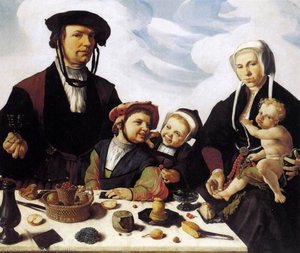
Van Heemskerck’s artistic reputation rests upon a singular achievement: the creation of *The Donor and Saint Mary Magdalene*, considered by many to be the inaugural masterpiece of Dutch family portraiture. This ambitious undertaking demonstrated an unprecedented level of realism and psychological insight, marking a decisive break from prevailing conventions. Simultaneously, he undertook a monumental collaborative project – the decoration of the Porta San Sebastiano in Rome – alongside luminaries such as Antonio da Sangallo the Younger, Battista Franco, and Francesco de’ Rossi (il Salviati). This undertaking showcased his remarkable ability to execute complex artistic visions swiftly and effectively, solidifying his position as one of the era's foremost scene painters. Furthermore, his meticulous drawings of classical sculpture and architecture—now housed in two sketchbooks at the Kupferstichkabinett Berlin—revealed a profound engagement with Italian artistic heritage and underscored his mastery of capturing visual nuance.Notable Works and Legacy
Van Heemskerck’s artistic legacy extends beyond individual paintings; it resides in the very paradigm he established for portraying familial bonds and religious devotion. His canvases, imbued with luminous color palettes and masterful compositional techniques, continue to captivate audiences today. Among his most celebrated works are *Lamentation on the Dead Christ*, a poignant depiction of sorrowful grief rendered with exquisite detail—a testament to his profound understanding of human emotion—and *Pieter Jan Foppeszoon and His Family*, an exemplary illustration of Dutch domestic life executed with remarkable precision. Finally, *Samson Shattering the Pillars of the Temple*, a dramatic scene depicting biblical heroism, exemplifies Van Heemskerck’s ability to convey narrative power through visual storytelling. These masterpieces stand as enduring symbols of Renaissance artistic excellence and serve as inspiration for generations of artists.Influence and Artistic Style
Van Heemskerck's distinctive style—characterized by its meticulous realism, subtle shading, and harmonious color palettes—represents a pivotal juncture between Gothic tradition and Mannerism. Drawing heavily from Italian masters like Raphael and Michelangelo, he skillfully blended stylistic elements to forge a uniquely Dutch expression of Renaissance ideals. His approach prioritized anatomical accuracy and psychological depth, reflecting the humanist spirit of his time and establishing him as a pioneer in portraiture and religious painting alike.Historical Significance
Maerten van Heemskerck’s contribution to art history transcends mere aesthetic beauty; it embodies the transformative forces shaping European culture during the sixteenth century. His pioneering family portraits redefined artistic conventions, fostering a new appreciation for domestic life and familial piety. Moreover, his involvement in monumental architectural projects—particularly the Porta San Sebastiano—demonstrated his versatility as an artist and cemented his reputation as a visionary collaborator. Today, Van Heemskerck’s works reside in prestigious museums across Europe, ensuring that his artistic genius continues to resonate with scholars and enthusiasts alike – securing his place as one of the most influential figures of the Dutch Renaissance.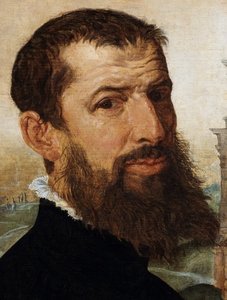
Maerten Van Heemskerck
1498 - 1574 , Países Bajos
Datos clave
- Artistic Movement Or Style: Manierismo
- Artists Who Influenced This Artist:
- Jan van Scorel
- Antonio da Sangallo el joven
- Date Of Birth: Junio 1, 1498
- Date Of Death: Octubre 1, 1574
- Full Name: Maerten Jacobsz van Heemskerck
- Nationality: Holandés
- Notable Artworks:
- Lamentación sobre Cristo muerto
- Pieter Jan Foppeszoon y su familia
- Sansón destruyendo los pilares del templo
- Place Of Birth: Heemskerk, Países Bajos
Artículos relacionados

Esculturas de Bronce Legendarias: 10 Obras Maestras que Transformaron el Arte | ArtsDot
Descubre las 10 esculturas de bronce más legendarias que revolucionaron el arte. Explora la historia de Rodin, Degas y otros maestros del bronce. Encuentra reproducciones de alta calidad e inspiración para tu hogar en ArtsDot.com.

The Enduring Form: Exploring Themes & Techniques in Sculpture Across Historical Periods
Explore the rich history of sculpture from ancient masterpieces to contemporary innovations. Discover key techniques, influential artists & investment potential for discerning art collectors.

Las 10 Obras Maestras de Bronce que Revolucionaron la Historia del Arte | ArtsDot
Descubre las 10 esculturas de bronce más influyentes de la historia del arte. Explora obras maestras de Rodin, Degas y otros genios. Encuentra reproducciones de arte de calidad museo en ArtsDot.com.
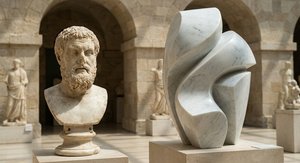
The Enduring Allure of Marble in Art History: From Classical Sculpture to Modern Abstraction
Explore the captivating history of marble sculpture from ancient Greece to modern art. Discover renowned artists like Canova & Michelangelo, carving techniques, and investment insights at ArtsDot.

The Enduring Form: Sculpture Across History, Technique & Emotional Resonance
Explore the rich history of sculpture with ArtsDot. Discover key techniques, influential artists & investment potential for discerning collectors. Expert insights into valuing and collecting timeless masterpieces.