

 Ver en contexto
 Enviar
 Compartir
 Detalles

 Descargar
 Similares
 Radiografía
 Presentación de diapositivas
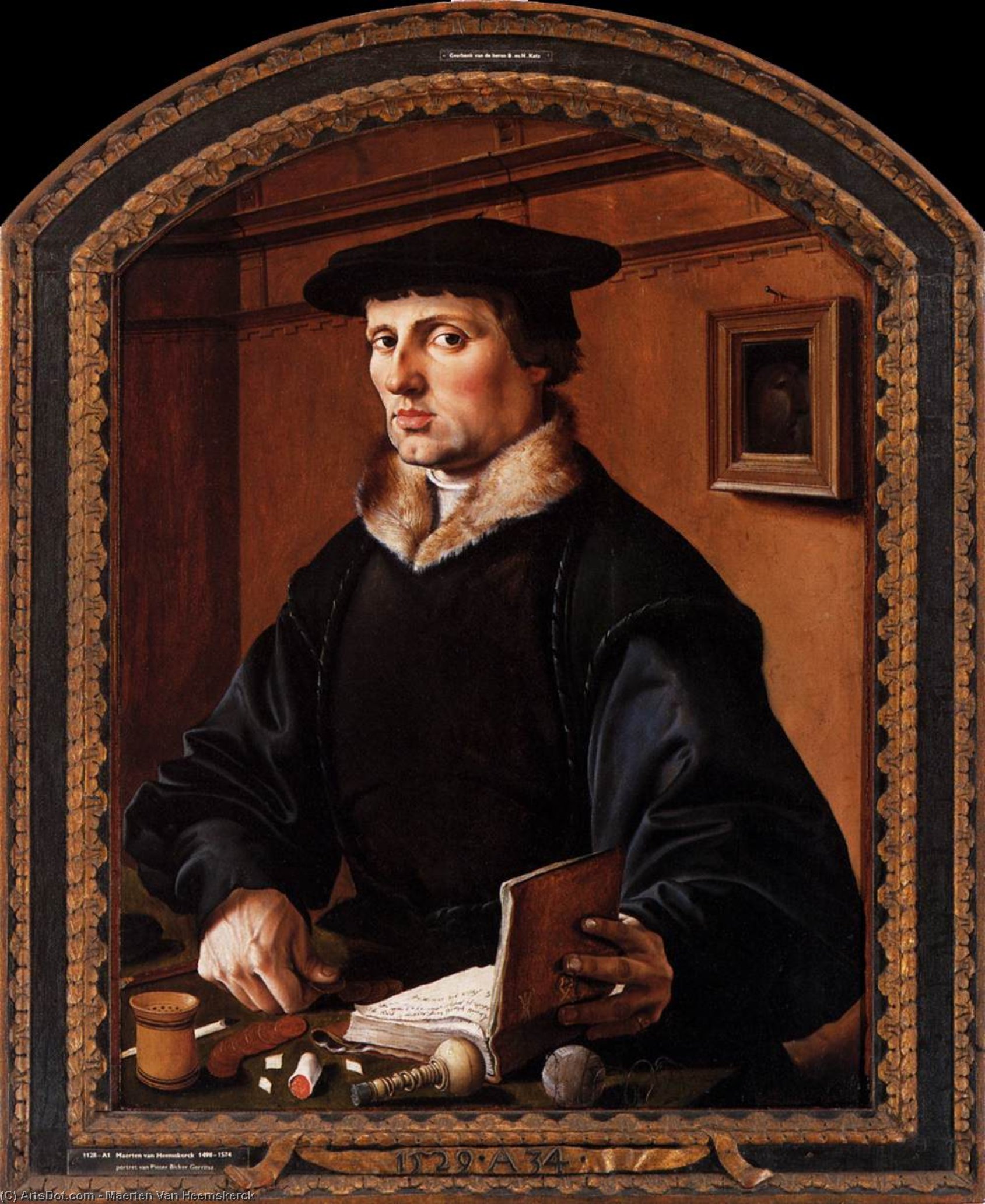
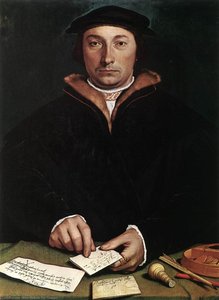
Portrait of Pieter Bicker Gerritsz.
 Oil On Canvas
- WallArt
- Northern Renaissance Painting
 1529
1529- Renaissance
 86.0 x 66.0 cm
 Rijksmuseum
 Ver más
Adquiera una imagen digital de alta resolución y optimizada, muy superior a la vista previa en línea.
Cada archivo es preparado meticulosamente por nuestros especialistas internos mediante el uso de herramientas avanzadas y un experto retoque manual. Nos aseguramos de que cada imagen posea una claridad excepcional, una precisión cromática impecable y un detalle minucioso.
El archivo final se entrega por correo electrónico en un plazo de 72 horas, optimizado para su uso inmediato en entornos profesionales, editoriales y de impresión. Esta es la misma calidad en la que confían los estudios de diseño, las editoriales y las galerías de primer nivel.
Imagen Digital
Descarga un archivo de alta resolución para exhibición personal, impresión y proyectos creativos. ( Comprar impresión Comprar pintura hecha a mano)
Incluido en cada pedido de imágenes digitales
Entrega digital experta, garantizada.
Al elegir ArtsDot.com, no solo está adquiriendo una imagen; está recibiendo una obra de arte digital mejorada profesionalmente, elaborada con precisión y respaldada por una garantía de satisfacción. Esto es todo lo que incluye su pedido, automáticamente:

Entrega rápida por email
Recibirá su archivo de imagen digital en alta resolución por correo electrónico en un plazo de 72 horas tras realizar su pedido, listo para su uso inmediato.

Archivo digital optimizado por IA
Su obra de arte se optimiza profesionalmente mediante herramientas avanzadas de IA y edición manual, garantizando el máximo detalle, claridad y precisión cromática.

Reenvío gratuito de por vida
¿Has borrado o perdido tu archivo por error? No te preocupes: te lo volveremos a enviar en cualquier momento, sin coste adicional.

Sin gastos de importación, siempre
Disfrute de su obra de arte al instante sin aduanas, aranceles ni gastos de envío; las descargas digitales siempre están libres de impuestos.

Garantía de fidelidad de color
Garantizamos que su imagen digital refleje los colores originales con la mayor fidelidad posible, mediante el uso de herramientas profesionales y gestión del color.

Garantía de satisfacción de 60 días
Si no está satisfecho con su imagen digital, la revisaremos o le reembolsaremos el 100% en un plazo de 60 días, sin preguntas.

100% Garantía de devolución de dinero
¿No está satisfecho? Obtenga un reembolso completo dentro de los 60 días posteriores a la recepción de su archivo digital, sin necesidad de explicaciones.

Descuentos por pedidos grandes
Compra 3 imágenes, ahorra 10% - Compra 5, ahorra 15% - Compra 10+, ahorra 20%. Ideal para proyectos creativos, galerías y agencias.
Descripción del coleccionable
A Window Into Renaissance Holland: Maerten van Heemskerck’s Portrait of Pieter Bicker Gerritsz
The painting “Portrait of Pieter Bicker Gerritsz.” by Maerten van Heemskerck stands as a testament to the burgeoning artistic spirit of 16th-century Holland—a nation undergoing rapid transformation from medieval piety to humanist inquiry. Completed in 1529, this remarkable portrait transcends mere likeness; it embodies the intellectual and cultural currents shaping Europe at the time, offering viewers a glimpse into the aspirations and anxieties of a wealthy merchant family navigating the complexities of their era.Style and Technique: Bridging Italian Renaissance Grandeur with Dutch Realism
Van Heemskerck’s approach distinguishes itself from the prevailing stylistic trends of his contemporaries. While influenced by the grandeur of Italian Renaissance portraiture—particularly exemplified by artists like Leonardo da Vinci and Raphael—he skillfully tempered this influence with a distinctly Dutch realism. The meticulous attention to detail evident in the depiction of Pieter Bicker Gerritsz.’s clothing, skin texture, and facial expression speaks volumes about van Heemskerck’s commitment to capturing not just appearance but also psychological nuance. Unlike idealized depictions common elsewhere, this portrait presents a man imbued with palpable presence—a figure wrestling with contemplation rather than projecting an aura of effortless nobility. The artist employed oil paint on canvas, utilizing layering techniques and subtle gradations of color to achieve remarkable luminosity and depth. This masterful execution reflects the growing mastery of Dutch painters in harnessing the expressive potential of oil pigments.Historical Context: Wealth, Status, and the Rise of Merchant Patronage
The portrait’s subject—Pieter Bicker Gerritsz.—was a prominent figure within Haarlem’s thriving merchant community. Haarlem was experiencing an unprecedented period of economic prosperity fueled by trade with Antwerp and Amsterdam, attracting ambitious entrepreneurs eager to demonstrate their success through opulent displays of wealth and status. Commissioning portraits like this wasn't merely about vanity; it served as a crucial mechanism for establishing social standing and securing lineage within the burgeoning bourgeois class. The inclusion of books—a deliberate gesture—underscores the importance of education and intellectual pursuits during this era, reflecting the humanist ideals championed by thinkers such as Erasmus and Pico della Mirandola.Symbolism: Beyond Appearance – Reflections of Inner Character
Beyond its visual realism lies a rich tapestry of symbolic meaning. The man’s gaze directly confronts the viewer, conveying confidence and introspection—a characteristic often associated with Renaissance humanism's belief in the dignity of humankind. The books positioned before him symbolize erudition and moral virtue, suggesting that Pieter Bicker Gerritsz.’s intellect is as significant as his material possessions. Furthermore, the dark robe worn by the sitter symbolizes solemnity and piety, hinting at a spiritual dimension beneath the surface of outward appearances—a subtle reminder of the enduring influence of Christian faith in Renaissance society.Emotional Impact: Capturing the Essence of Human Experience
Ultimately, “Portrait of Pieter Bicker Gerritsz.” succeeds in conveying a profound emotional resonance. The artist’s skillful rendering captures not just the physical likeness of his subject but also his inner character—his thoughtfulness and quiet dignity. It invites contemplation on themes of identity, ambition, and moral responsibility. Like many portraits from this period, it serves as an enduring record of human experience, reminding us that art possesses the power to illuminate both the outward form and the inward spirit. This piece remains a captivating example of Renaissance artistry—a beautifully crafted image that continues to inspire admiration for its technical brilliance and psychological insight.Obras relacionadas



Biografía del artista
Early Life and Training
Maerten Jacobsz van Heemskerck (1498 – 1574), a titan of the Dutch Renaissance, emerged from humble beginnings in the village of Heemskerk, North Holland. His artistic journey commenced under the tutelage of Cornelius Willemsz in Haarlem, where he honed his foundational skills before briefly immersing himself in Delft’s artistic milieu alongside Jan Lucasz. However, it was his association with Jan van Scorel that truly cemented his path, adopting his teacher's distinctive Italianate style – a stylistic hallmark that would permeate his entire oeuvre. This formative period instilled within him an appreciation for classical ideals and established the groundwork for his groundbreaking contributions to art history.Career Highlights: A Synthesis of Dutch Tradition and Italian Innovation
Van Heemskerck’s artistic reputation rests upon a singular achievement: the creation of *The Donor and Saint Mary Magdalene*, considered by many to be the inaugural masterpiece of Dutch family portraiture. This ambitious undertaking demonstrated an unprecedented level of realism and psychological insight, marking a decisive break from prevailing conventions. Simultaneously, he undertook a monumental collaborative project – the decoration of the Porta San Sebastiano in Rome – alongside luminaries such as Antonio da Sangallo the Younger, Battista Franco, and Francesco de’ Rossi (il Salviati). This undertaking showcased his remarkable ability to execute complex artistic visions swiftly and effectively, solidifying his position as one of the era's foremost scene painters. Furthermore, his meticulous drawings of classical sculpture and architecture—now housed in two sketchbooks at the Kupferstichkabinett Berlin—revealed a profound engagement with Italian artistic heritage and underscored his mastery of capturing visual nuance.Notable Works and Legacy
Van Heemskerck’s artistic legacy extends beyond individual paintings; it resides in the very paradigm he established for portraying familial bonds and religious devotion. His canvases, imbued with luminous color palettes and masterful compositional techniques, continue to captivate audiences today. Among his most celebrated works are *Lamentation on the Dead Christ*, a poignant depiction of sorrowful grief rendered with exquisite detail—a testament to his profound understanding of human emotion—and *Pieter Jan Foppeszoon and His Family*, an exemplary illustration of Dutch domestic life executed with remarkable precision. Finally, *Samson Shattering the Pillars of the Temple*, a dramatic scene depicting biblical heroism, exemplifies Van Heemskerck’s ability to convey narrative power through visual storytelling. These masterpieces stand as enduring symbols of Renaissance artistic excellence and serve as inspiration for generations of artists.Influence and Artistic Style
Van Heemskerck's distinctive style—characterized by its meticulous realism, subtle shading, and harmonious color palettes—represents a pivotal juncture between Gothic tradition and Mannerism. Drawing heavily from Italian masters like Raphael and Michelangelo, he skillfully blended stylistic elements to forge a uniquely Dutch expression of Renaissance ideals. His approach prioritized anatomical accuracy and psychological depth, reflecting the humanist spirit of his time and establishing him as a pioneer in portraiture and religious painting alike.Historical Significance
Maerten van Heemskerck’s contribution to art history transcends mere aesthetic beauty; it embodies the transformative forces shaping European culture during the sixteenth century. His pioneering family portraits redefined artistic conventions, fostering a new appreciation for domestic life and familial piety. Moreover, his involvement in monumental architectural projects—particularly the Porta San Sebastiano—demonstrated his versatility as an artist and cemented his reputation as a visionary collaborator. Today, Van Heemskerck’s works reside in prestigious museums across Europe, ensuring that his artistic genius continues to resonate with scholars and enthusiasts alike – securing his place as one of the most influential figures of the Dutch Renaissance.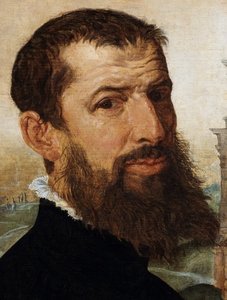
Maerten Van Heemskerck
1498 - 1574 , Países Bajos
Breves datos
- Artistic Movement Or Style: Manierismo
- Artists Who Influenced This Artist:
- Jan van Scorel
- Antonio da Sangallo el joven
- Date Of Birth: Junio 1, 1498
- Date Of Death: Octubre 1, 1574
- Full Name: Maerten Jacobsz van Heemskerck
- Nationality: Holandés
- Notable Artworks:
- Lamentación sobre Cristo muerto
- Pieter Jan Foppeszoon y su familia
- Sansón destruyendo los pilares del templo
- Place Of Birth: Heemskerk, Países Bajos

