

 Vista previa
 Compartir
 Compartir
 Ver detalles

 Descargar
 Ver similares
 Radiografía
 Presentación de diapositivas
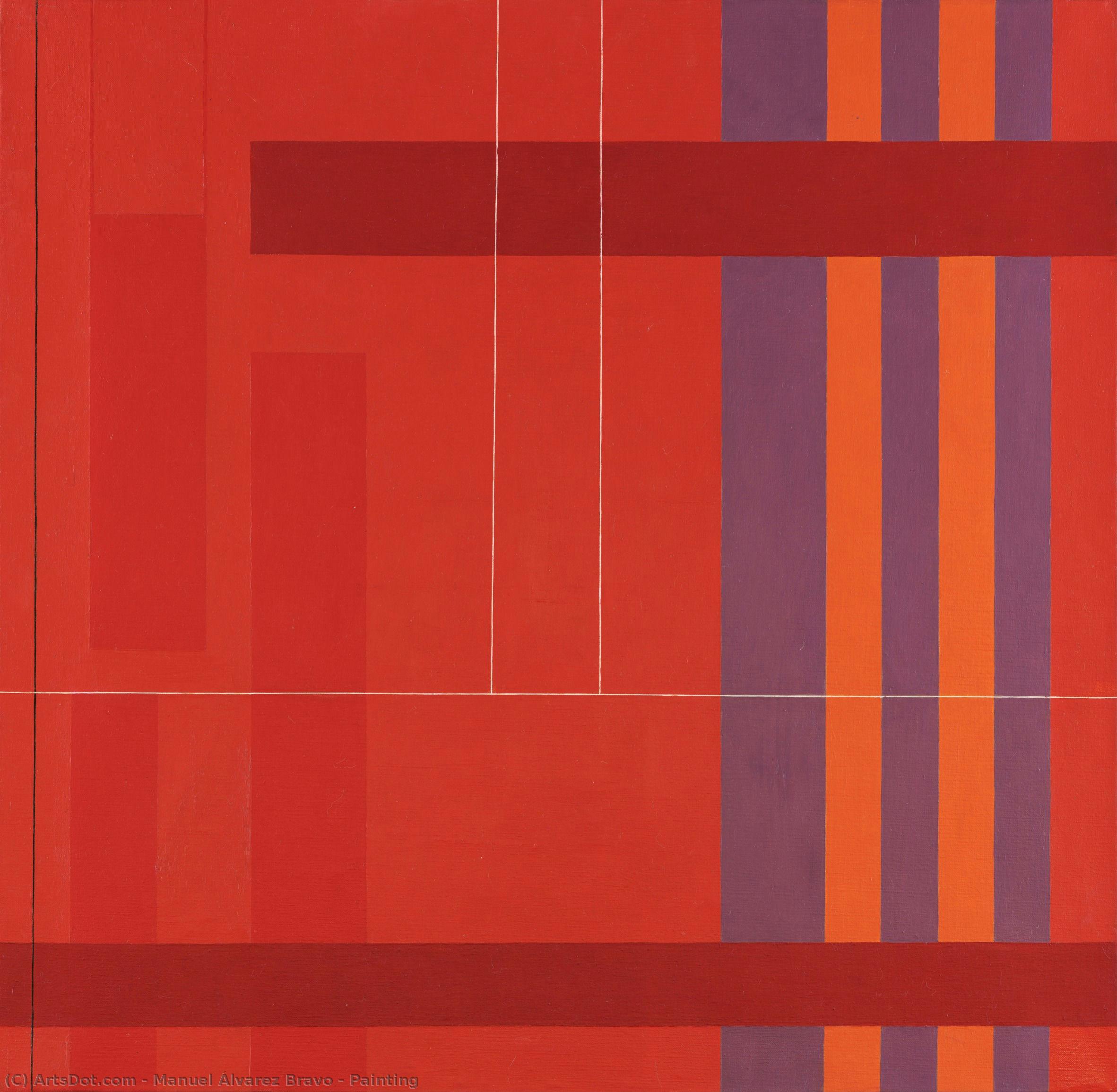
Painting
 Painting
- Abstract Art
 1955
1955- Modern
 60.0 x 60.0 cm
 MACBA
MACBA
 Leer más
Giclée / Impresión de arte
Impresiones giclée o en lienzo de calidad de museo con producción rápida y opciones de acabado flexibles. ( Encargar reproducción pintada a mano Comprar descarga)




































Elija entre nuestros tamaños predefinidos que respetan las proporciones originales de la obra.

Puede introducir sus propias dimensiones para adaptarse a un marco o espacio específico. Si el tamaño seleccionado no coincide con las proporciones de la imagen original, recortaremos la obra de arte o extenderemos la imagen con un borde con efecto espejo o de color sólido. Se enviará una maqueta digital para su aprobación antes de que comience la producción.
Tenga en cuenta que la vista previa en pantalla no refleja el recorte o la extensión real. Solo la maqueta mostrará con precisión la composición final.
Aunque existen tamaños personalizados, recomendamos seleccionar una dimensión de la lista predefinida para preservar las proporciones originales.
Envío a todo el mundo () en 2 semanas en lugar de las 4/5 semanas estándar. (20 agosto)

Envío exprés gratuito a todo el mundo

Lienzo de lino de alta calidad

Seguro de envío completo

Garantía de reembolso de aranceles aduaneros

Garantía de fidelidad cromática exacta

Política de devolución de 60 días (solo por defectos)

Garantía de devolución del 100% del dinero

Oferta por volumen
 La opción de vidrio solo está disponible en tamaños inferiores a 110 cm.

Painting
Giclée / Impresión de arte
Tamaño de la reproducción
-


Precio total
$ 62
Descripción de la pieza
A Symphony of Color and Geometry
In this mesmerizing 1955 composition, the legendary Manuel Álvarez Bravo transcends his well-known mastery of the photographic lens to explore the vibrant, tactile world of abstract painting. The piece presents a captivating dialogue between color and form, anchored by a profound, saturated red background that commands immediate attention. Across this crimson expanse, a delicate dance of geometric shapes and rhythmic lines unfolds, weaving together shades of sun-drenched orange, deep purple, and luminous yellow. This interplay of hues does more than merely decorate the canvas; it creates a sense of pulsating energy, where each stroke feels like a deliberate heartbeat within a larger, harmonious organism. For the discerning collector or interior designer, this work offers a sophisticated focal point that breathes life and warmth into any modern space.
The technique employed in this piece reflects a masterful command over balance and visual weight. While the shapes may appear spontaneous, there is an underlying architectural precision to the arrangement, suggesting a carefully curated equilibrium. The way the lighter yellows and oranges bleed into the darker purples creates a subtle illusion of depth, transforming a flat surface into a multidimensional landscape of light and shadow. This layering technique invites the viewer to linger, discovering new intersections of line and color upon every encounter. It is a work that celebrates the beauty of abstraction, using the language of geometry to evoke a sense of cosmic order and aesthetic tranquility.
Historically situated in the mid-twentieth century, this painting serves as a fascinating window into the experimental spirit of the era. While Bravo is celebrated as the cornerstone of Mexican photography, his foray into abstract painting reveals an artist deeply engaged with the global movements of modernism. The piece captures the tension between tradition and innovation, mirroring the transformative energy of 1950s Latin American visual culture. There is a profound emotional resonance found in its bold palette; it evokes feelings of passion, vitality, and a quiet, contemplative joy. To possess a reproduction of this work is to bring a fragment of Mexico’s rich artistic soul into one's home, offering an enduring source of inspiration and a timeless testament to the power of abstract expression.
Obras relacionadas
Biografía del artista
Manuel Álvarez Bravo: The Surrealist Eye of Mexican Photography
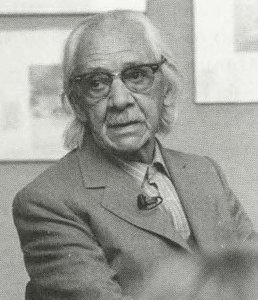
Manuel Álvarez Bravo (1902–2002) stands as Mexico’s inaugural principal artistic photographer and remains the cornerstone of twentieth-century Latin American visual culture. Born in Mexico City on February 4, 1902, his creative journey began amidst a formative backdrop – the historic center of Mexico City nestled behind the cathedral, populated by former colonial buildings transformed into residences for the city’s burgeoning middle class. This environment instilled within him an early appreciation for observation and detail, mirroring the influence of his father, a teacher who pursued painting, photography, and writing, producing several plays, and his grandfather, a professional portrait maker—a lineage steeped in artistic tradition. From childhood, Bravo possessed an innate fascination with the camera, nurtured by witnessing his family’s dedication to visual arts. He attended Patricio Sáenz boarding school until 1908 but was compelled to leave due to his father's untimely demise. Seeking employment beyond academia, he worked as a clerk at a French textile factory and later at the Mexican treasury department, supplementing his income with evening studies in accounting before pivoting towards artistic pursuits at the Academy of San Carlos. This multifaceted experience shaped his worldview and informed his photographic approach—a blend of practicality and intellectual curiosity. Bravo’s artistic breakthrough arrived during the turbulent years following the Mexican Revolution (1910–1920). The pervasive atmosphere of upheaval profoundly impacted him, exposing him to scenes of violence and loss as a young boy – experiences that would later permeate his photographic vision. Rejecting conventional picturesque aesthetics, Bravo deliberately avoided stereotyping, prioritizing subtlety and nuance in his compositions. He eschewed grand narratives, instead focusing on capturing the quiet moments of daily life with an unsettling blend of humor and irony. His early artistic inclinations were nurtured by exposure to European artistic currents, particularly Surrealism, which captivated him with its exploration of dreams and subconsciousness. His photographic style evolved throughout his prolific career, transitioning from early European influences to a distinctly Mexican idiom characterized by meticulous detail and unconventional perspectives. He honed his craft independently, mastering techniques that prioritized capturing the essence of subjects rather than merely reproducing their appearance. His work extended beyond portraiture; he embraced documentary photography, exploring urban landscapes and social realities with unwavering commitment. Notably, Bravo collaborated extensively with filmmakers like Sergei Eisenstein and Luis Buñuel, contributing to groundbreaking cinematic projects that pushed artistic boundaries. Throughout his lifetime, Bravo garnered numerous accolades for his contributions to photography and visual arts—most notably after 1970—solidifying his position as a titan of Latin American art history. He established Fondo Editorial de la Plástica Mexicana publishing house, furthering the dissemination of Mexican art and fostering dialogue between artists and audiences alike. His photographic prints graced galleries worldwide, captivating viewers with their arresting imagery and profound psychological depth. Álvarez Bravo’s legacy continues to inspire photographers and artists globally, cementing his place as an enduring symbol of artistic innovation and unwavering dedication to capturing the spirit of a nation.- **Early Influences:** Bravo's formative years were marked by exposure to European artistic currents, particularly Surrealism, which captivated him with its exploration of dreams and subconsciousness.
- **Formal Training:** He attended Patricio Sáenz boarding school until 1908 but was compelled to leave due to his father’s untimely demise. Seeking employment beyond academia, he worked as a clerk at a French textile factory and later at the Mexican treasury department.
- **The Revolution's Impact:** The turbulent years following the Mexican Revolution profoundly impacted him, exposing him to scenes of violence and loss as a young boy – experiences that would later permeate his photographic vision.
- **Major Achievements:** Bravo’s photographic style evolved throughout his prolific career, transitioning from early European influences to a distinctly Mexican idiom characterized by meticulous detail and unconventional perspectives.
- **Collaborations:** He collaborated extensively with filmmakers like Sergei Eisenstein and Luis Buñuel, contributing to groundbreaking cinematic projects that pushed artistic boundaries.
- Quetzalcóatl
- Coyoacan, Mexico, D.F.
- The Daughter of the Dancers
Manuel Álvarez Bravo
1902 - 2002 , México
Datos clave
- Artistic Movement Or Style: Surrealismo; Muralismo mexicano
- Artists Or Movements Influenced By This Artist: ['Muralismo']
- Artists Who Influenced This Artist: ['Fotógrafos europeos']
- Date Of Birth: Febrero 4, 1902
- Date Of Death: 2002
- Full Name: Manuel Álvarez Bravo
- Nationality: Mexicano
- Notable Artworks:
- Quetzalcóatl
- Coyoacán, México
- Place Of Birth: Ciudad de México, México
Artículos relacionados

Abstracción Geométrica: 10 Obras Maestras que Transformaron el Arte Moderno | ArtsDot
Descubre las 10 obras maestras de la abstracción geométrica que revolucionaron el arte moderno. Explora a Mondrian, Malevich y Kandinsky en ArtsDot.com. Reproducciones de alta calidad para tu hogar.

Kandinsky: Las 25 Obras Maestras del Pionero de la Abstracción | ArtsDot
Descubre las 25 obras maestras de Wassily Kandinsky, pionero del arte abstracto. Explora su expresionismo, composiciones únicas y la historia detrás de cada cuadro. Reproducciones de alta calidad para decorar tu hogar con arte moderno en ArtsDot.com.
Beyond Form & Color: Geometric Abstraction's Evolution in 20th/21st Century Art
Explore the evolution of geometric abstraction from Cubism to contemporary art. Discover key artists like Malevich & Mondrian, investment insights, and expert collecting advice at ArtsDot.
Mark Rothko: Las 25 Obras Maestras que Definen la Expresión Abstracta | ArtsDot
Descubre las 25 obras maestras de Mark Rothko, pionero del expresionismo abstracto. Explora la historia, el significado y los colores vibrantes que definen su arte emocional. Reproducciones de alta calidad en ArtsDot.com.
Beyond Form & Color: Geometric Abstraction's Enduring Legacy in Art History
Explore the captivating world of geometric abstraction! Discover its origins, key artists like Malevich & Mondrian, and why this movement remains highly valued by art collectors today. Expert insights at ArtsDot.

