
- Inicio

- Impresión en lienzo
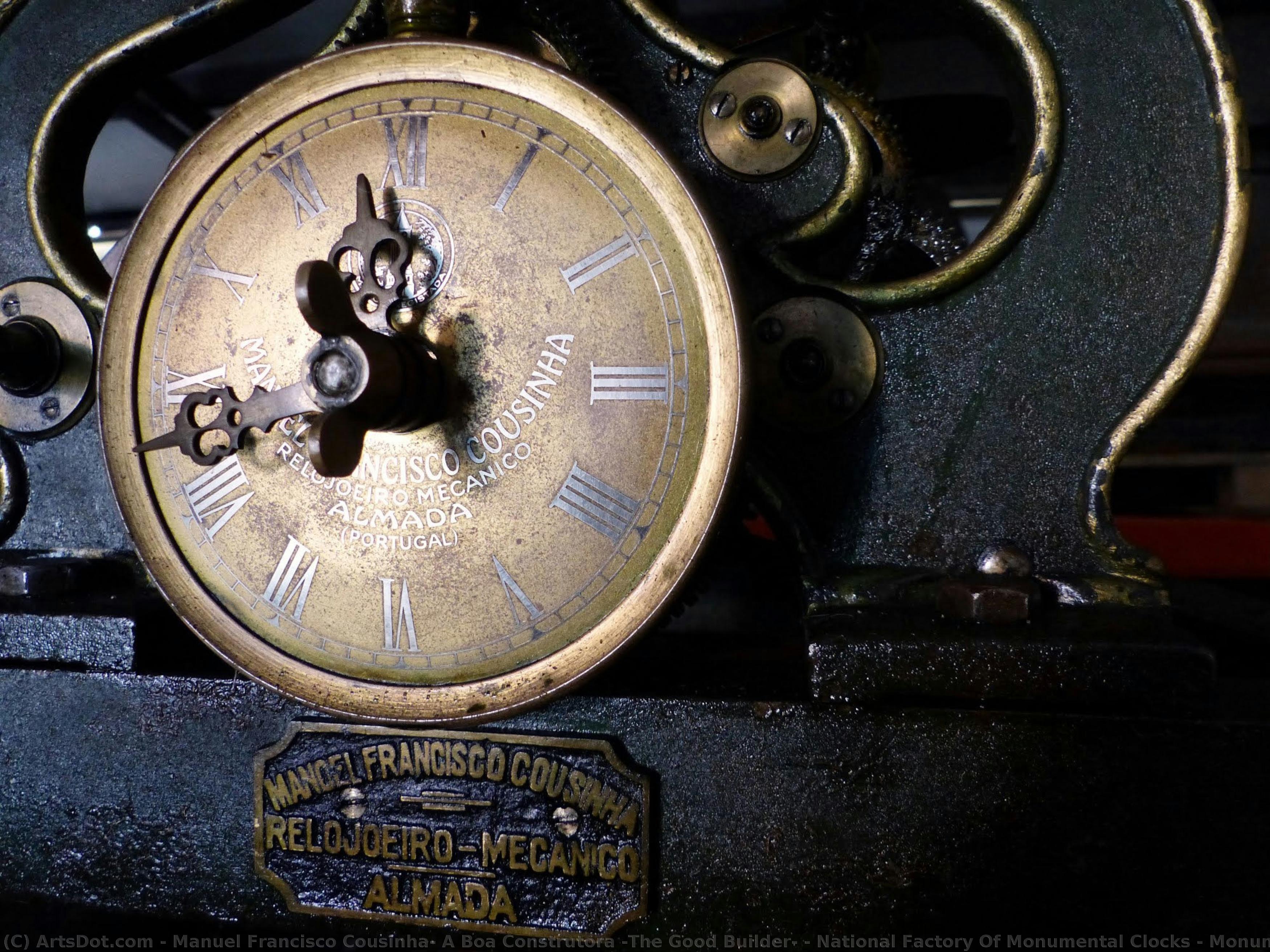
- Manuel Francisco Cousinha, A Boa Construtora (The Good Builder) - National Factory Of Monumental Clocks
 Ver en contexto
 Enviar
 Compartir
 Detalles

 Descargar
 Similares
 Radiografía
 Presentación de diapositivas
Monumental Station Clock Mechanism


 Ver más
Giclée / Impresión de arte
Impresiones giclée o en lienzo de calidad de museo con producción rápida y opciones de acabado flexibles. ( Comprar pintura hecha a mano Comprar imagen)




































Elija entre nuestros tamaños predefinidos que respetan las proporciones originales de la obra.

Puede introducir sus propias dimensiones para adaptarse a un marco o espacio específico. Si el tamaño seleccionado no coincide con las proporciones de la imagen original, recortaremos la obra de arte o extenderemos la imagen con un borde con efecto espejo o de color sólido. Se enviará una maqueta digital para su aprobación antes de que comience la producción.
Tenga en cuenta que la vista previa en pantalla no refleja el recorte o la extensión real. Solo la maqueta mostrará con precisión la composición final.
Aunque existen tamaños personalizados, recomendamos seleccionar una dimensión de la lista predefinida para preservar las proporciones originales.
Envío a todo el mundo () en 2 semanas en lugar de las 4/5 semanas estándar. (24 agosto)

Envío exprés gratuito a todo el mundo

Lienzo de lino de alta calidad

Seguro de envío total

Garantía de reembolso de impuestos aduaneros

Garantía de fidelidad cromática exacta

Política de devolución de 60 días (solo por defectos)

Garantía de devolución del 100% del dinero

Descuento por cantidad
 La opción de vidrio solo está disponible en tamaños inferiores a 110 cm.

Monumental Station Clock Mechanism
Giclée / Impresión de arte
Dimensiones de la reproducción
-


Precio total final
$ 62
Descripción de la pieza
Obras relacionadas
Biografía del artista
The Timeless Craft of Manuel Francisco Cousinha: A Legacy in Monumental Clocks
Manuel Francisco Cousinha, known as “A Boa Construtora” (The Good Builder), represents a fascinating intersection of artistry and engineering within the landscape of Portuguese clockmaking. While biographical details surrounding Cousinha remain scarce – a testament to the often-unheralded artisans behind grand public works – his enduring legacy is etched in time itself, manifested in the monumental station clocks he meticulously crafted at the National Factory of Monumental Clocks. Founded in 1928, this factory became a crucible for precision mechanics and aesthetic design, and Cousinha quickly emerged as a pivotal figure within its walls. He wasn’t merely constructing timekeeping devices; he was building symbols of national progress and enduring civic pride.A Master of Mechanics: The Art of the Monumental Clock
Cousinha's work is defined by the sheer scale and complexity of his creations. These were not clocks intended for domestic mantels or private collections, but rather imposing structures designed to dominate public spaces – railway stations, town squares, and other vital hubs of Portuguese life. His mastery lay in translating intricate mechanical principles into robust, reliable systems capable of withstanding the rigors of time and weather. The photographic detail captured in images of his 1928 monumental station clock mechanism reveals a breathtaking level of craftsmanship. Gleaming brass components interlock with precisely wrought ironwork, forming a delicate yet powerful network that governs the movement of large hands across expansive dials. This wasn’t simply about telling time; it was about demonstrating Portuguese ingenuity and technical prowess. The clocks were statements – visible embodiments of a nation embracing modernity while honoring traditional skills.Influences and Development
Pinpointing specific artistic influences on Cousinha proves challenging given the limited documentation available. However, one can discern echoes of the *Art Deco* movement in his designs—a style characterized by streamlined forms, geometric patterns, and a celebration of industrial materials. The emphasis on functionality combined with elegant detailing aligns closely with Art Deco principles. Furthermore, the precision required for clockmaking undoubtedly drew upon centuries-old traditions of Portuguese metallurgy and instrument making. Cousinha likely benefited from the collective knowledge within the National Factory, collaborating with other skilled artisans and engineers to refine his techniques and push the boundaries of what was mechanically possible. The development of his style seems rooted in a pragmatic approach—a desire to create clocks that were not only beautiful but also exceptionally durable and accurate.Enduring Symbols of Portuguese Time
Although Cousinha’s personal life remains largely unknown, his professional achievements speak volumes. He dedicated himself to the production of monumental clocks, becoming synonymous with quality and reliability in this specialized field. His work represents a significant contribution to Portugal's industrial heritage, providing tangible evidence of the nation’s commitment to technological advancement during the 20th century. The clocks he built continue to function today—silent witnesses to decades of Portuguese history, faithfully marking the passage of time for generations. They stand as enduring symbols of civic life and a testament to the skill and dedication of “A Boa Construtora,” Manuel Francisco Cousinha.Historical Significance
Cousinha’s legacy extends beyond the purely mechanical realm. His clocks played a crucial role in standardizing timekeeping across Portugal, facilitating efficient transportation networks and fostering a sense of national unity. In an era before widespread personal timepieces, these monumental structures served as vital reference points for communities, coordinating daily life and shaping social rhythms. The National Factory itself was a product of its time—a response to the growing demands of a modernizing nation. Cousinha’s work, therefore, is inextricably linked to broader historical trends, reflecting Portugal's aspirations for progress and its embrace of industrial innovation. He represents a generation of artisans who quietly but profoundly shaped the fabric of Portuguese society through their dedication to craftsmanship and precision engineering.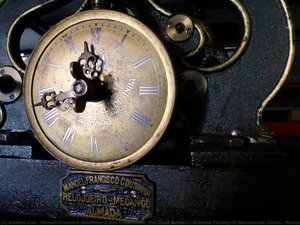
Artículos relacionados
Echoes of Time: Nostalgia, Technique & Cultural Significance in Vintage Paintings
Explore the captivating world of vintage paintings! Discover key styles, cultural significance & collecting tips from art experts at ArtsDot. Find authentic reproductions and elevate your home décor.

Echoes of Time: Exploring the Enduring Appeal of Vintage Artwork
Explore the captivating world of vintage art! Discover its history, enduring appeal, & how to build your own collection. Expert advice, custom reproductions & museum-quality prints at ArtsDot.

Echoes of Time: Exploring the Enduring Appeal & Historical Context of Vintage Art Prints
Explore the captivating world of vintage art prints! Discover their history, collecting tips & enduring appeal. Expert insights on chromolithography and building a legacy collection with ArtsDot.
Alfredo Roque Gameiro: A Portuguese Master of Historical Painting & Artistic Eclecticism
Discover Alfredo Roque Gameiro (1864-1935), a renowned Portuguese painter celebrated for his vibrant watercolors and historical illustrations. Explore his legacy & artworks at ArtsDot.
Echoes of Eras Past: Exploring Themes & Techniques in Vintage Art Collections
Explore the captivating world of vintage art! Discover historical movements, iconic themes & collecting tips. Find handmade reproductions & expert appraisal at ArtsDot.

