

 Ver en contexto
 Enviar
 Compartir
 Detalles

 Descargar
 Similares
 Radiografía
 Presentación de diapositivas
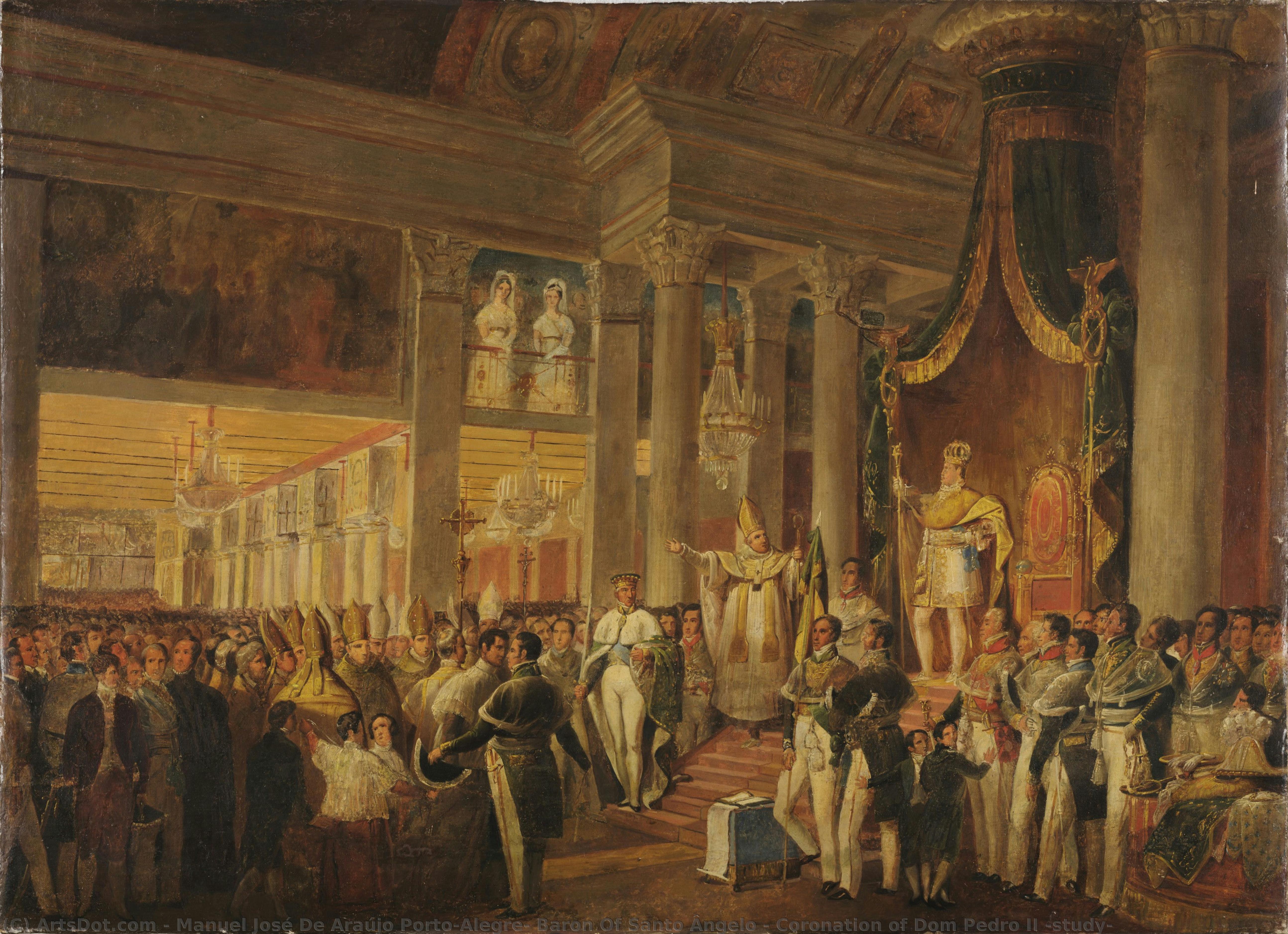
Coronation of Dom Pedro II (study)
 Oil On Canvas
- WallArt
- Romanticism
 1849
1849- 19th Century
 137.0 x 167.0 cm
 Museo Historico Nacional
 Ver más
Adquiera una imagen digital de alta resolución y optimizada, muy superior a la vista previa en línea.
Cada archivo es preparado meticulosamente por nuestros especialistas internos mediante el uso de herramientas avanzadas y un experto retoque manual. Nos aseguramos de que cada imagen posea una claridad excepcional, una precisión cromática impecable y un detalle minucioso.
El archivo final se entrega por correo electrónico en un plazo de 72 horas, optimizado para su uso inmediato en entornos profesionales, editoriales y de impresión. Esta es la misma calidad en la que confían los estudios de diseño, las editoriales y las galerías de primer nivel.
Imagen Digital
Descarga un archivo de alta resolución para exhibición personal, impresión y proyectos creativos. ( Comprar impresión Comprar pintura hecha a mano)
Incluido en cada pedido de imágenes digitales
Entrega digital experta, garantizada.
Al elegir ArtsDot.com, no solo está adquiriendo una imagen; está recibiendo una obra de arte digital mejorada profesionalmente, elaborada con precisión y respaldada por una garantía de satisfacción. Esto es todo lo que incluye su pedido, automáticamente:

Entrega rápida por email
Recibirá su archivo de imagen digital en alta resolución por correo electrónico en un plazo de 72 horas tras realizar su pedido, listo para su uso inmediato.

Archivo digital optimizado por IA
Su obra de arte se optimiza profesionalmente mediante herramientas avanzadas de IA y edición manual, garantizando el máximo detalle, claridad y precisión cromática.

Reenvío gratuito de por vida
¿Has borrado o perdido tu archivo por error? No te preocupes: te lo volveremos a enviar en cualquier momento, sin coste adicional.

Sin gastos de importación, siempre
Disfrute de su obra de arte al instante sin aduanas, aranceles ni gastos de envío; las descargas digitales siempre están libres de impuestos.

Garantía de fidelidad de color
Garantizamos que su imagen digital refleje los colores originales con la mayor fidelidad posible, mediante el uso de herramientas profesionales y gestión del color.

Garantía de satisfacción de 60 días
Si no está satisfecho con su imagen digital, la revisaremos o le reembolsaremos el 100% en un plazo de 60 días, sin preguntas.

100% Garantía de devolución de dinero
¿No está satisfecho? Obtenga un reembolso completo dentro de los 60 días posteriores a la recepción de su archivo digital, sin necesidad de explicaciones.

Descuentos por pedidos grandes
Compra 3 imágenes, ahorra 10% - Compra 5, ahorra 15% - Compra 10+, ahorra 20%. Ideal para proyectos creativos, galerías y agencias.
A Grand Spectacle of Imperial Majesty
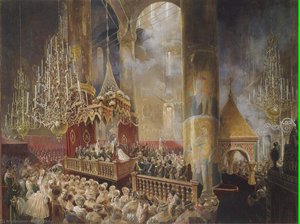
In the sweeping expanse of Manuel José de Araújo Porto-Alegre’s Coronation of Dom Pedro II (study), the viewer is not merely an observer but a guest within the hallowed, gilded halls of Brazilian history. This magnificent oil on canvas, dating from 1849, captures the profound gravity and ceremonial splendor of a moment that defined a nation. The composition is a masterclass in theatrical scale, presenting a grand hall flanked by imposing columns and illuminated by the soft, flickering glow of crystal chandeliers. At the heart of this architectural marvel stands Dom Pedro II, depicted in profile, crowned and poised with the weight of an empire upon his shoulders. The scene is thick with the atmosphere of a monumental event, where every figure—from the ecclesiastical leaders in their white and gold vestments to the noblemen and soldiers in their crisp uniforms—contributes to a sense of unified, historical destiny.
The artist’s technique breathes life into the stillness of the study, utilizing a rich palette that emphasizes the regal interplay of red, gold, and deep emerald. Porto-Alegre employs a Romantic sensibility, focusing on the emotional resonance of the crowd and the dramatic lighting that cascades over the coronation regalia. In the lower foreground, a table draped in luxurious red and gold fabric displays the sacred symbols of power: the sword, the cloak, and the gloves, each rendered with a tactile precision that invites the eye to linger on the textures of silk and metal. The movement within the painting is orchestrated through a complex arrangement of figures; the upward gesture of a priest’s staff and the fluttering of the Brazilian flag guide the viewer's gaze through the dense, celebratory throng, creating a rhythmic flow that mimics the very pulse of the ceremony.
Symbolism and the Romantic Spirit
Beyond its mere documentation of a political milestone, this work serves as a profound exploration of national identity and the Romantic ideals of the 19th century. Porto-Alegre, a pivotal figure in Brazilian art, weaves layers of symbolism into the very fabric of the hall. The presence of the clergy alongside the military and the nobility speaks to the intricate social contract of the era, where tradition and emerging statehood were inextricably linked. The light filtering through the scene acts as a metaphor for divine sanction, illuminating the young Emperor as a beacon of stability. For the discerning collector or interior designer, this piece offers more than just visual beauty; it provides a window into an era of profound transition, making it a powerful focal point for any space dedicated to heritage and classical elegance.
Integrating such a monumental work into a curated collection requires an appreciation for its narrative depth. Whether placed in a stately library or a grand salon, the Coronation of Dom Pedro II commands attention through its sheer scale and historical weight. The painting’s ability to evoke both the intimacy of a shared human moment—seen in the small figures of children amidst the crowd—and the overwhelming grandeur of imperial ritual makes it an unparalleled choice for those seeking to infuse their surroundings with a sense of timelessness, prestige, and the enduring spirit of Brazilian Romanticism.
Obras relacionadas


![Palácio Imperial De Petrópolis [imperial Palace At Petrópolis] — Agostinho José Da Mota, Landscape Realism](/media/artworks/images-thumb/4e/a5/4ea5b59dbff977a2832e47ecaeb49d71.jpg)
Biografía del artista
Manuel José de Araújo Porto-Alegre, Barón de Santo Ângelo: Una Vida en el Arte y las Letras
Primeros Años y Educación
Nacido el 29 de noviembre de 1806 en Rio Pardo, Brasil, Manuel José de Araújo Porto-Alegre, Barón de Santo Ângelo fue una figura clave en el arte y la cultura brasileña del siglo XIX. Sus primeros años demostraron una fuerte inclinación hacia las artes, lo que lo llevó a cursar estudios formales en la Academia Imperial de Bellas Artes de Río de Janeiro. Estudió bajo la tutela de Jean-Baptiste Debret, un pintor francés que desempeñó un papel crucial en el establecimiento de la educación artística en Brasil.
Carrera Artística e Influencias
La carrera artística de Porto-Alegre floreció dentro del contexto del Romanticismo, un movimiento que priorizaba la emoción, la imaginación y el individualismo. Se hizo famoso por sus paisajes y retratos, que a menudo capturaban la esencia de la vida y el paisaje brasileños. Su obra estuvo profundamente influenciada por sus viajes a Europa, particularmente Italia, donde conoció a Gonçalves de Magalhães, otro destacado poeta brasileño. Esta exposición amplió sus horizontes artísticos y contribuyó a su enfoque nacionalista.
Contribuciones Artísticas Clave
- Paisajes: Los paisajes de Porto-Alegre a menudo representaban la belleza natural de Brasil, mostrando una vegetación exuberante, cascadas dramáticas y amplias vistas.
- Retratos: Sus retratos se caracterizaban por su realismo y atención al detalle, capturando las personalidades y el estatus social de sus sujetos.
- Obras Literarias: Más allá de la pintura, Porto-Alegre fue un escritor prolífico. Su poema épico, “Colombo”, es un testimonio de su fervor nacionalista y talento literario.
Participación en el Romanticismo Brasileño
Porto-Alegre participó activamente en la configuración del movimiento Romántico en Brasil a través de sus contribuciones a revistas influyentes como Niterói (1836) y Guanabara (1849). Estas publicaciones sirvieron como plataformas para difundir los ideales románticos y fomentar un sentido de identidad nacional.
Logros Mayores y Legado
A lo largo de su multifacética carrera, Porto-Alegre se destacó no solo como artista y escritor, sino también como político, periodista, arquitecto, caricaturista, historiador y crítico de arte. Esta diversa gama de actividades subraya su curiosidad intelectual y su compromiso con el desarrollo cultural. Su legado continúa influyendo en el arte y la literatura brasileña, consolidando su lugar como una figura significativa en la historia de la nación.
Significado Histórico
Manuel José de Araújo Porto-Alegre desempeñó un papel vital en el establecimiento de una identidad artística distintamente brasileña durante el siglo XIX. Su obra reflejó las transformaciones sociales, políticas y culturales de su época, contribuyendo a la formación de la conciencia nacional. Sus contribuciones se extendieron más allá del ámbito del arte, abarcando la literatura, el periodismo y la política, convirtiéndolo en un verdadero hombre del Renacimiento brasileño.
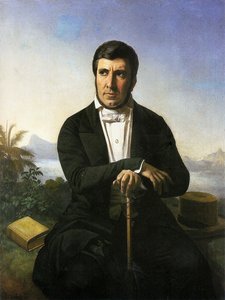
manuel josé de araújo porto-alegre, baron of santo ângelo
1806 - 1879 , Brasil
Breves datos
- Artistic Movement Or Style: Romanticismo
- Artists Who Influenced This Artist: ['Jean-Baptiste Debret']
- Date Of Birth: 29 noviembre 1806
- Date Of Death: 30 diciembre 1879
- Full Name: Manuel José de Araújo Porto-Alegre
- Nationality: Brasileño
- Notable Artworks: ['Colombo']
- Place Of Birth: Rio Pardo do Sul, Brasil

