

 Ver en contexto
 Enviar
 Compartir
 Detalles

 Descargar
 Similares
 Radiografía
 Presentación de diapositivas
 Estadísticas
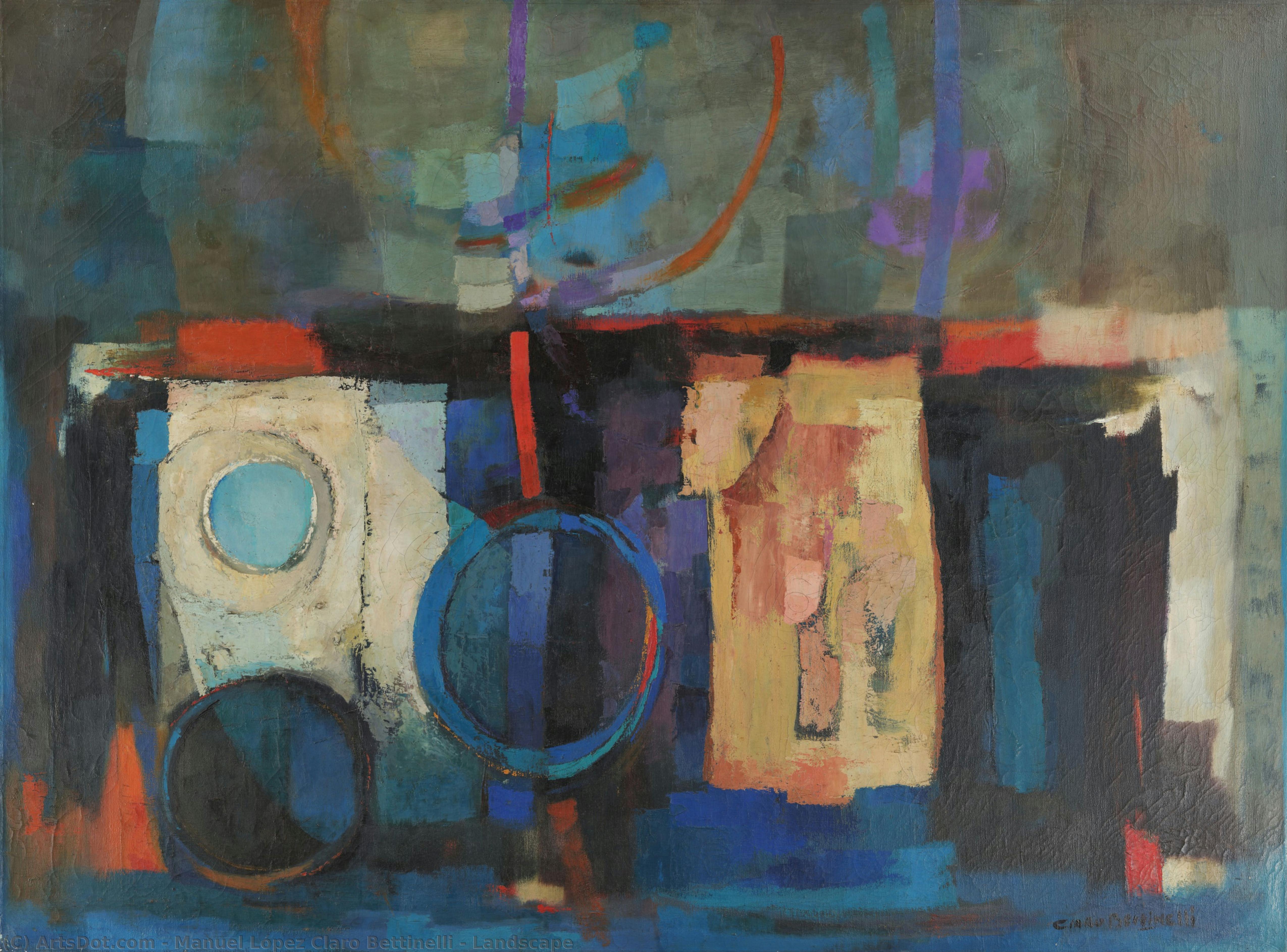
Landscape
 130.0 x 96.0 cm
 Museo Municipal de Arte de La Plata
 Ver más
Giclée / Impresión de arte
Impresiones giclée o en lienzo de calidad de museo con producción rápida y opciones de acabado flexibles. ( Comprar pintura hecha a mano Cambiar a imagen digital)




































Elija entre nuestros tamaños predefinidos que respetan las proporciones originales de la obra.

Puede introducir sus propias dimensiones para adaptarse a un marco o espacio específico. Si el tamaño seleccionado no coincide con las proporciones de la imagen original, recortaremos la obra de arte o extenderemos la imagen con un borde con efecto espejo o de color sólido. Se enviará una maqueta digital para su aprobación antes de que comience la producción.
Tenga en cuenta que la vista previa en pantalla no refleja el recorte o la extensión real. Solo la maqueta mostrará con precisión la composición final.
Aunque existen tamaños personalizados, recomendamos seleccionar una dimensión de la lista predefinida para preservar las proporciones originales.
Envío a todo el mundo () en 2 semanas en lugar de las 4/5 semanas estándar. (9 septiembre)

Envío exprés gratuito a todo el mundo

Lienzo de lino de alta calidad

Seguro de envío total

Garantía de reembolso de impuestos aduaneros

Garantía de fidelidad cromática exacta

Política de devolución de 100 días (solo por defectos)

Garantía de devolución del 100% del dinero

Descuento por cantidad
 La opción de vidrio solo está disponible en tamaños inferiores a 110 cm.

Landscape
Giclée / Impresión de arte
Dimensiones de la reproducción
-


Precio total final
$ 62
Obras relacionadas








Biografía del artista
The Soul of Argentinian Landscapes: The Life of Manuel López Claro Bettinelli
Born in the quiet, evocative surroundings of Azul, Argentina, in 1920, Manuel López Claro Bettinelli emerged as a profound voice in the landscape of Latin American modernism. His journey into the heart of color and form began long before he achieved international recognition, rooted deeply in the intimate mentorship of his father, Claudio Lantier (also known as Alberto López Claro). This early immersion in the fundamentals of painting provided Bettinelli with a rigorous technical foundation, yet it also planted the seeds for a lifelong rebellion against mere imitation. As he matured, the artist began to look beyond the literal representation of nature, seeking instead to deconstruct the world through a lens that married traditional mastery with the avant-garde spirit of his era.
In 1950, the trajectory of Bettinelli’s life shifted significantly when he moved to the bustling metropolis of Buenos Aires. This transition from the pastoral tranquility of Azul to the vibrant, cosmopolitan energy of the capital acted as a catalyst for his stylistic evolution. It was here that the influence of Cubism began to permeate his canvases. He did not merely adopt the movement's fragmented aesthetic; rather, he synthesized it with a deep-seated passion for the Argentinian landscape. His work became a sophisticated dialogue between the organic curves of the natural world and the structured, geometric precision of modern art. Through his brush, mountains, plains, and skies were reimagined as a series of bold colors and interlocking shapes, creating a visual language that felt both structurally sound and emotionally resonant.
A Mastery of Form and Color
The brilliance of Bettinelli’s technique lies in his ability to evoke dreamlike atmospheres through the use of deliberate, geometric abstraction. His landscapes are rarely mere depictions of scenery; they are psychological explorations of space and light. By utilizing bold colors and a rhythmic arrangement of shapes, he captured the very essence of the natural world, often presenting scenes that felt suspended in a state of poetic wonder. This ability to blend the tangible with the ethereal allowed him to stand alongside other significant figures of Latin American art, such as Carlos Mérida and Casimiro Castro, whose works also navigated the complex intersection of tradition and modernity.
Throughout his prolific career, Bettinelli’s dedication to his unique vision earned him a respected place in the art market and academic circles alike. His paintings, characterized by their structural integrity and vibrant palettes, have been sought after by collectors globally, with his works appearing in prestigious auctions and finding homes in significant private collections. The technical prowess he displayed—learned from his father but refined through his own experimentation—ensured that each piece was a testament to the enduring power of the Cubist influence when applied to the soulful landscapes of South America.
Legacy and Historical Significance
The historical importance of Manuel López Claro Bettinelli extends far beyond the borders of Argentina. He remains a pivotal figure in the development of 20th-century Argentinian art, representing a bridge between classical training and the radical shifts of modernism. His contribution to the national identity of Argentine painting is preserved within the hallowed halls of the Museo Nacional de Bellas Artes, where his paintings and sculptures serve as enduring reminders of his creative spirit.
Today, the legacy of Bettinelli continues to inspire new generations of artists and art enthusiasts. His work serves as a masterclass in how an artist can honor their heritage while fearlessly embracing the innovations of the contemporary age. To view a Bettinelli landscape is to experience a world where geometry meets grace, and where the rugged beauty of the Argentinian earth is transformed into a timeless, abstract symphony of light and form.
manuel lópez claro bettinelli
1920 - 2005 , Argentina
Datos clave
- Artistic Movement Or Style:
- 1920s Art Deco
- Expressionism
- Surrealism
- Artists Or Movements Influenced By This Artist: ['Georgia O’Keeffe']
- Artists Who Influenced This Artist: ['Marcel Duchamp']
- Date Of Birth: 1920
- Date Of Death: 2005
- Place Of Birth: WahooArt