 Ver en contexto
 Enviar
 Compartir
 Detalles

 Descargar
 Similares
 Radiografía
 Presentación de diapositivas
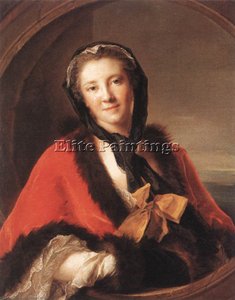
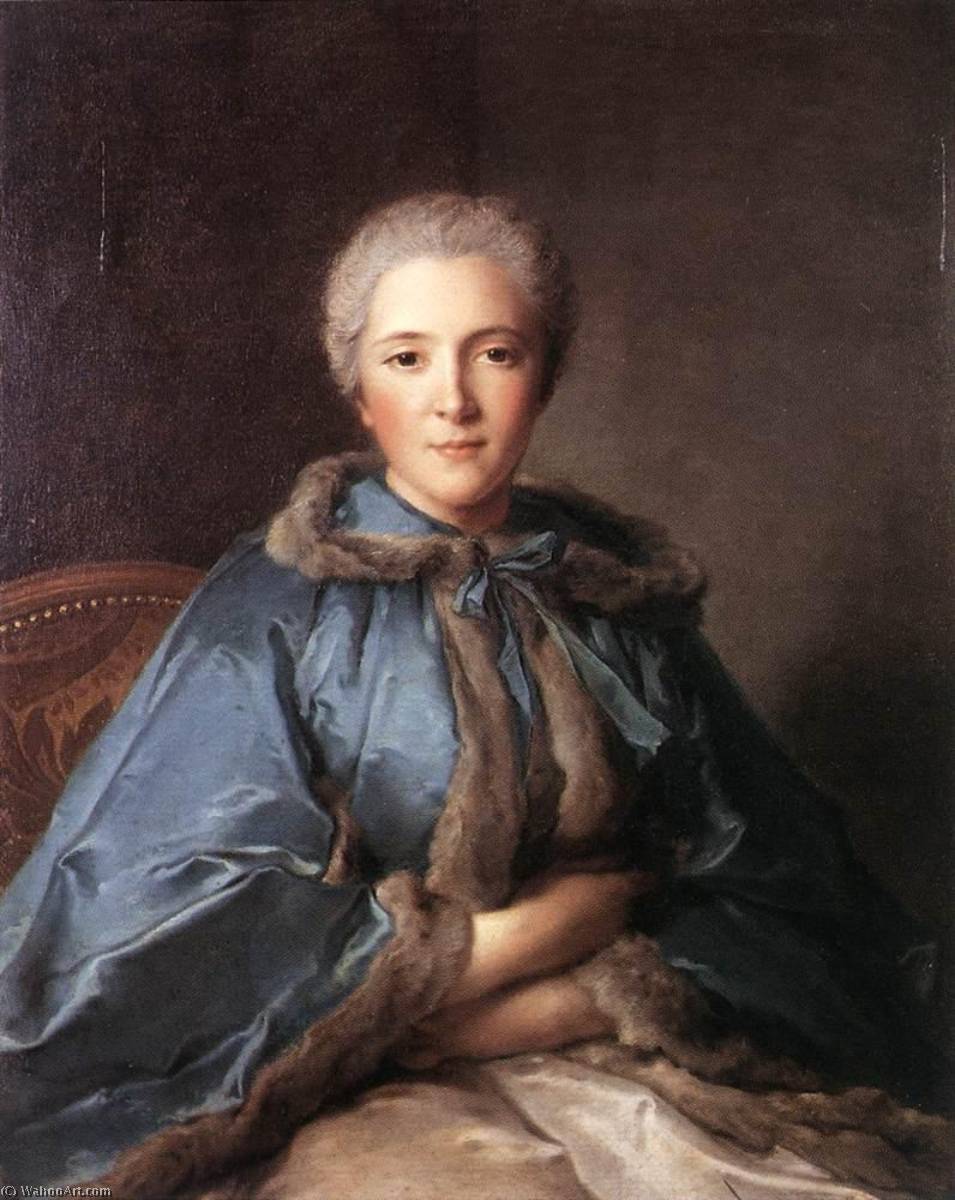
Comtesse de Tillières
 Oil On Canvas
- WallArt
- Rococo Aesthetic
 1750
1750- Early Modern
 80.0 x 63.0 cm
 The Wallace Collection
 Ver más
Reproducción al óleo hecha a mano
Óleo sobre lienzo pintado a mano en el tamaño y marco de su elección, realizado por encargo por nuestros artistas. ( Comprar impresión Comprar imagen)




P118B $10

P118H $10

P118W $10

P438Z $10

P508JH $12

P508YH $12

P805H $10

P805Z $10

P919BZ $10

P919G $10

P919XJ $10

P959ZH $10

P968JZ $12

W106C $8

W218G $10

W218JH $8

W218Y $10

W307PJ $10

W316G $10

W316PJ $8

W316Y $10

W398PJ $8

W4111J $10

W500HY $15

W500JH $15

W692G $12

W849H $8

W940BG $15

W953PJ $8




Elija entre nuestros tamaños predefinidos que respetan las proporciones originales de la obra.

Puede ingresar sus propias dimensiones para adaptarse a un marco o espacio específico. Si el tamaño seleccionado no coincide con las proporciones de la imagen original, recortaremos la obra o extenderemos la pintura con elementos adicionales pintados a mano. Se le enviará una maqueta digital para su aprobación antes de comenzar la producción.
Tenga en cuenta que la vista previa en pantalla no refleja el recorte o la extensión reales. Solo la maqueta mostrará con precisión la composición final.
Si bien existen tamaños personalizados, recomendamos seleccionar una dimensión de la lista predefinida para preservar las proporciones originales.
Tras realizar el pedido, el equipo de ArtsDot.com enviará un correo electrónico al cliente para solicitar instrucciones y proporcionarle una vista previa del boceto.
Envío a todo el mundo () en 3-4 semanas en lugar de las 5 semanas estándar. (25 agosto). Sin comprometer la calidad.

Envío exprés gratuito a todo el mundo

Lienzo de lino de alta calidad

Seguro de envío total

Garantía de reembolso de impuestos aduaneros

Garantía de fidelidad cromática exacta

Política de devolución de 60 días (solo por defectos)

Garantía de devolución del 100% del dinero

Descuento por cantidad
 La opción de vidrio solo está disponible en tamaños inferiores a 110 cm.

Comtesse de Tillières
Técnica de reproducción
Dimensiones de la reproducción
-


Precio total final
$ 263
Descripción de la obra
A Vision of Rococo Elegance
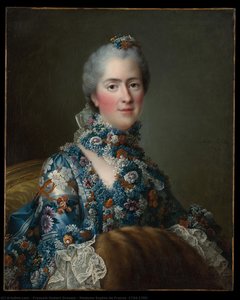
In the soft, luminous glow of 1750, Jean-Marc Nattier captured more than just a face; he immortalized an era of unparalleled refinement. The Comtesse de Tillières stands as a breathtaking testament to the Rococo movement, a period where the French court of Louis XV embraced an aesthetic of pastel grace, opulent ornamentation, and sensual beauty. The subject, Michelle-Julie-Françoise Bouchard d’Esparbès de Lussard d’Aubeterre de Jonzac, is presented not merely as a noblewoman, but as an embodiment of the era's idealized femininity. As she sits poised within a richly decorated interior, the painting invites the viewer into a world of quiet luxury and aristocratic splendor, making it an irresistible centerpiece for any collection dedicated to classical elegance.
The technical mastery displayed in this portrait is nothing short of extraordinary. Nattier, a virtuoso of the oil medium, utilized subtle glazing techniques to layer translucent washes of color, creating a skin tone that seems to radiate from within. Through the delicate application of chiaroscuro, he sculpted the contours of the Comtesse’s face and the heavy folds of her blue drapery, using the interplay of light and shadow to grant the figure a three-dimensional presence. The artist's brushwork is remarkably fluid, particularly in the rendering of the luxurious fur stole draped around her neck—a detail that adds both tactile texture and a sense of warmth to the composition. This meticulous attention to detail ensures that every time one views this piece, new nuances of light and fabric emerge.
Symbolism and Timeless Appeal
Beyond its surface beauty, the portrait is steeped in the symbolic language of the 18th century. Nattier was renowned for his ability to weave mythological allusions into contemporary portraiture, often portraying his subjects with the ethereal qualities of goddesses like Venus. In this work, the soft lighting and the delicate, almost dreamlike atmosphere evoke a sense of divine grace, elevating the Comtesse from a mortal figure to an icon of virtue and poise. The choice of a pale pink backdrop and the presence of sumptuous fabrics serve to reinforce her high social standing, while the overall serenity of her expression offers a window into the disciplined composure expected of the French aristocracy.
For the discerning collector or interior designer, The Comtesse de Tillières offers a profound emotional resonance. It is a piece that commands attention through its quiet dignity rather than through loud or jarring colors. Its palette of soft blues, creams, and gentle pinks makes it an incredibly versatile addition to sophisticated interiors, capable of anchoring a room with a sense of historical depth and cultured taste. Whether placed in a sunlit gallery or a formal study, this reproduction serves as a continuous dialogue between the grandeur of the past and the refined aesthetics of the present, bringing a touch of French mastery into the modern home.
Obras relacionadas

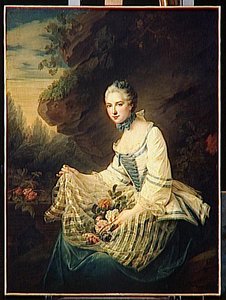
Biografía del artista
Vida Temprana y Formación
- Nacido: París, Francia (17 de marzo de 1685)
- Fallecido: 7 de noviembre de 1766
- Antecedentes Familiares: Hijo de Marc Nattier (1642–1705), un retratista, y Marie Courtois (1655–1703), una miniaturista.
- Formación Temprana: Inicialmente formado por su padre, aprendiendo los fundamentos del retrato. También copió cuadros en la Galería de Luxemburgo, perfeccionando sus habilidades para capturar rasgos y comprender la composición.
- Oportunidad Académica Rechazada: A pesar de tener la oportunidad de estudiar en la Academia Francesa de Roma, eligió permanecer en París y centrarse en desarrollar su oficio de forma independiente.
Estilo Artístico y Obras Notables
- Enfoque en el Retrato: Nattier es conocido principalmente por sus retratos de las damas de la corte del rey Luis XV.
- Vestimenta Mitológica: Sus retratos se caracterizan por el uso de vestimenta mitológica clásica, añadiendo un aire de sofisticación y fantasía a sus sujetos.
- Uso de la Luz: Empleó hábilmente la luz en sus pinturas para crear una sensación de profundidad y dimensionalidad, atrayendo al espectador a la escena.
- Técnicas Innovadoras: La atención al detalle y las técnicas innovadoras de Nattier lo distinguieron como una figura destacada en el mundo del arte.
- Obras Notables:
- El Artista Rodeado por su Familia (1730)
- Marie Lečinska (Museo de Dijon)
- Magdalena (Louvre)
- Comtesse de Tillières y Mademoiselle de Clermont en Sultana (The Wallace Collection)
- Madame Le Fèvre de Caumartin como Hebe (National Gallery of Art)
- Los Amantes (Alte Pinakothek Museum, Munich)
Influencias y Legado
- Influencia Paterna: Su padre, Marc Nattier, sirvió como su mentor inicial, proporcionando una base en la pintura de retratos.
- Orientación de Jean Jouvenet: Recibió más instrucción de su tío, Jean Jouvenet, un pintor de historia.
- Inspiración de Rubens: La copia de pinturas de Peter Paul Rubens en el Palacio de Luxemburgo influyó significativamente en su desarrollo artístico.
- Pionero del Estilo Rococó: Nattier es considerado una figura clave en el movimiento rococó, conocido por su elegancia, gracia y representaciones juguetonas de la vida aristocrática.
- Influencia en Artistas Posteriores: Sus técnicas innovadoras y estilo inspiraron a numerosos artistas que lo siguieron.
Significado Histórico
- Pintor de Corte para Luis XV: Su posición como pintor oficial de retratos del rey Luis XV consolidó su reputación e influencia.
- Revival de los Retratos Alegóricos: Se le atribuye la revitalización del género de los retratos alegóricos, combinando el realismo con temas mitológicos.
- Reflejo de la Sociedad Rococó: Sus obras proporcionan valiosas perspectivas sobre la moda, la cultura y la dinámica social de la aristocracia francesa del siglo XVIII.
- Reconocimiento Generalizado: Las pinturas de Nattier se encuentran en prestigiosos museos de todo el mundo, incluyendo el Louvre, The Wallace Collection y la Alte Pinakothek, lo que atestigua su legado perdurable.
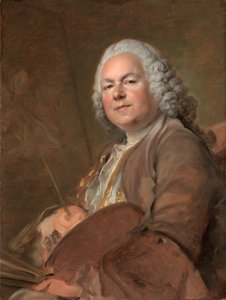
Marc Nattier
1685 - 1766 , Francia
Datos clave
- Artistas Que Influyeron: ['Peter Paul Rubens']
- Fecha De Fallecimiento: 7 de noviembre de 1766
- Fecha De Nacimiento: 17 de marzo de 1685
- Lugar De Nacimiento: París, Francia
- Movimiento Artístico: Rococó
- Nacionalidad: Francés
- Nombre Completo: Jean-Marc Nattier
- Obras Notables:
- El artista con su familia
- Marie Lečinska
- Madame Le Fèvre de Caumartin
- Los amantes
Artículos relacionados

La Estética Rococó: Opulencia, Rebelión y Placer en el Arte del Siglo XVIII
Descubre la fascinante estética rococó: su historia, características clave y los artistas más influyentes del siglo XVIII. Un análisis profundo para amantes del arte y coleccionistas.

Rococó: 10 Obras Maestras que Definieron una Época | Arte y Decoración en
Descubre las 10 obras maestras del Rococó que marcaron una época. Explora la elegancia de Fragonard, Boucher y Watteau en . Reproducciones de arte de calidad museo para decorar tu hogar con estilo.

The Enduring Legacy of Oil on Canvas: Technique, History & Aesthetic Impact
Explore the rich history & techniques of oil painting – from Renaissance masters to Impressionism. Discover pigments, layering methods, and why this timeless medium endures. Expert insights for artists & art enthusiasts.

El Óleo sobre Lienzo: Historia, Técnica y la Persistencia de un Medio Artístico Atemporal
Descubre la historia y técnica del óleo sobre lienzo. Explora reproducciones fieles hechas a mano, personalización artística y consejos de expertos con ArtsDot. ¡Colecciona arte con confianza!

El Legado Duradero del Óleo sobre Lienzo: Técnica, Historia y Práctica Contemporánea
Descubre la historia y técnica del óleo sobre lienzo. Explora reproducciones fieles hechas a mano, personalización artística y consejos de expertos con .