 Ver en contexto
 Enviar
 Compartir
 Detalles

 Descargar
 Similares
 Radiografía
 Presentación de diapositivas
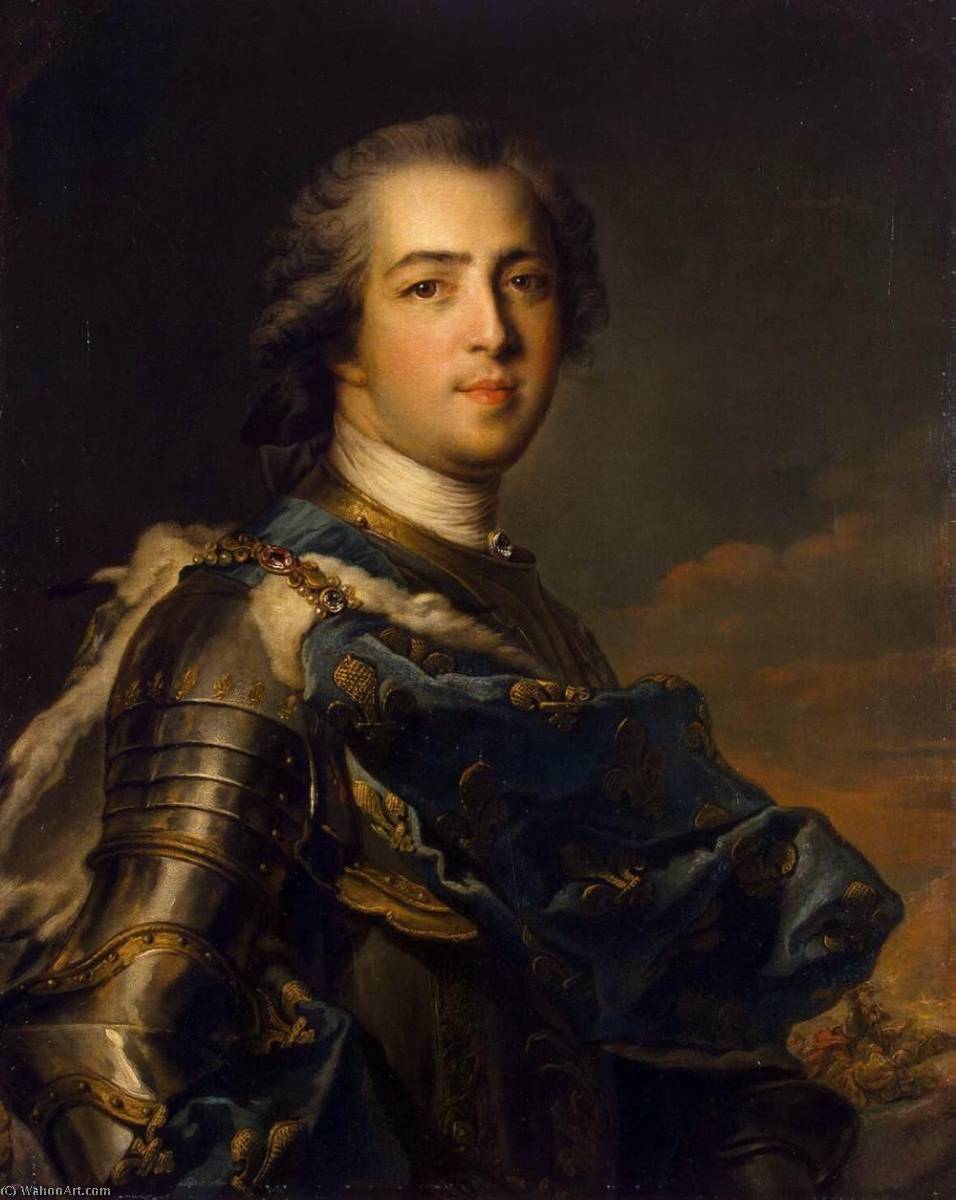
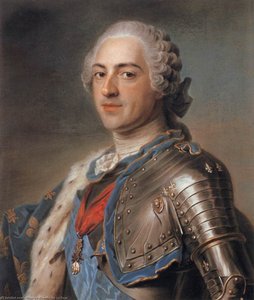
Portrait of Louis XV of France
 Oil On Canvas
- WallArt
- Rococo
 1745
1745- Early Modern
 80.0 x 64.0 cm
 Ver más
Giclée / Impresión de arte
Impresiones giclée o en lienzo de calidad de museo con producción rápida y opciones de acabado flexibles. ( Comprar pintura hecha a mano Comprar imagen)




P118B $10

P118H $10

P118W $10

P438Z $10

P508JH $12

P508YH $12

P805H $10

P805Z $10

P919BZ $10

P919G $10

P919XJ $10

P959ZH $10

P968JZ $12

W106C $8

W218G $10

W218JH $8

W218Y $10

W307PJ $10

W316G $10

W316PJ $8

W316Y $10

W398PJ $8

W4111J $10

W500HY $15

W500JH $15

W692G $12

W849H $8

W940BG $15

W953PJ $8




Elija entre nuestros tamaños predefinidos que respetan las proporciones originales de la obra.

Puede introducir sus propias dimensiones para adaptarse a un marco o espacio específico. Si el tamaño seleccionado no coincide con las proporciones de la imagen original, recortaremos la obra de arte o extenderemos la imagen con un borde con efecto espejo o de color sólido. Se enviará una maqueta digital para su aprobación antes de que comience la producción.
Tenga en cuenta que la vista previa en pantalla no refleja el recorte o la extensión real. Solo la maqueta mostrará con precisión la composición final.
Aunque existen tamaños personalizados, recomendamos seleccionar una dimensión de la lista predefinida para preservar las proporciones originales.
Envío a todo el mundo () en 2 semanas en lugar de las 4/5 semanas estándar. (6 septiembre)

Envío exprés gratuito a todo el mundo

Lienzo de lino de alta calidad

Seguro de envío total

Garantía de reembolso de impuestos aduaneros

Garantía de fidelidad cromática exacta

Política de devolución de 100 días (solo por defectos)

Garantía de devolución del 100% del dinero

Descuento por cantidad
 La opción de vidrio solo está disponible en tamaños inferiores a 110 cm.

Portrait of Louis XV of France
Giclée / Impresión de arte
Dimensiones de la reproducción
-


Precio total final
$ 62
A Vision of Royal Grandeur
In the heart of the mid-18th century, amidst the shimmering opulence of the French Rococo era, Marc Nattier captured more than just a likeness; he immortalized an era of absolute sovereignty. His Portrait of Louis XV of France, completed in 1745, stands as a breathtaking testament to the power and poise of the Bourbon monarchy. As one gazes upon this oil on canvas, the viewer is immediately transported to the gilded halls of Versailles. The subject, draped in a magnificent blue cape that flows with the weight of royal authority, commands the space with an effortless grace. Nattier utilizes a masterful command of light to illuminate the King's features, creating a lifelike presence that feels both intimately close and divinely distant.
The composition is a masterclass in balanced tension. While the King’s face remains the focal point—rendered with a delicate precision that reveals the subtle nuances of his expression—the inclusion of his sword, held firmly with both hands, introduces an essential element of martial strength. This juxtaposition of soft, regal elegance with the hard edge of weaponry serves as a profound symbol of the monarch's dual role: the cultured patron of the arts and the formidable protector of the realm. The rich, vibrant pigments and the meticulous texture of the fabric invite the eye to wander through the folds of his attire, discovering the incredible depth achieved through Nattier’s expert brushwork.
The Legacy of Rococo Mastery
To understand this portrait is to understand the lineage of Jean-Marc Nattier. Raised in a household where artistic excellence was the very air he breathed, Nattier drew upon his rigorous training—including the diligent copying of masterpieces at the Luxembourg Gallery—to refine a style that defined French elegance. This particular work exemplifies the Rococo aesthetic, characterized by its fluid lines, luminous color palettes, and an emphasis on grace over rigid formality. The artist’s ability to blend the technical precision inherited from his father with a unique, emotive sensitivity allows the portrait to transcend mere documentation, becoming a living piece of history.
For the discerning collector or interior designer, this reproduction offers more than just a decorative element; it provides a centerpiece of historical gravity. The deep blues and regal tones are perfectly suited for creating a sophisticated atmosphere in a classic study, a formal dining room, or an elegant gallery space. Owning such a piece is an invitation to surround oneself with the splendor of the 1740s, bringing a sense of timelessness and cultured prestige to any modern environment. It is a work that does not merely hang on a wall but breathes life into a room, sparking conversation and evoking the enduring majesty of one of France's most iconic monarchs.
Obras relacionadas
Biografía del artista
Vida Temprana y Formación
- Nacido: París, Francia (17 de marzo de 1685)
- Fallecido: 7 de noviembre de 1766
- Antecedentes Familiares: Hijo de Marc Nattier (1642–1705), un retratista, y Marie Courtois (1655–1703), una miniaturista.
- Formación Temprana: Inicialmente formado por su padre, aprendiendo los fundamentos del retrato. También copió cuadros en la Galería de Luxemburgo, perfeccionando sus habilidades para capturar rasgos y comprender la composición.
- Oportunidad Académica Rechazada: A pesar de tener la oportunidad de estudiar en la Academia Francesa de Roma, eligió permanecer en París y centrarse en desarrollar su oficio de forma independiente.
Estilo Artístico y Obras Notables
- Enfoque en el Retrato: Nattier es conocido principalmente por sus retratos de las damas de la corte del rey Luis XV.
- Vestimenta Mitológica: Sus retratos se caracterizan por el uso de vestimenta mitológica clásica, añadiendo un aire de sofisticación y fantasía a sus sujetos.
- Uso de la Luz: Empleó hábilmente la luz en sus pinturas para crear una sensación de profundidad y dimensionalidad, atrayendo al espectador a la escena.
- Técnicas Innovadoras: La atención al detalle y las técnicas innovadoras de Nattier lo distinguieron como una figura destacada en el mundo del arte.
- Obras Notables:
- El Artista Rodeado por su Familia (1730)
- Marie Lečinska (Museo de Dijon)
- Magdalena (Louvre)
- Comtesse de Tillières y Mademoiselle de Clermont en Sultana (The Wallace Collection)
- Madame Le Fèvre de Caumartin como Hebe (National Gallery of Art)
- Los Amantes (Alte Pinakothek Museum, Munich)
Influencias y Legado
- Influencia Paterna: Su padre, Marc Nattier, sirvió como su mentor inicial, proporcionando una base en la pintura de retratos.
- Orientación de Jean Jouvenet: Recibió más instrucción de su tío, Jean Jouvenet, un pintor de historia.
- Inspiración de Rubens: La copia de pinturas de Peter Paul Rubens en el Palacio de Luxemburgo influyó significativamente en su desarrollo artístico.
- Pionero del Estilo Rococó: Nattier es considerado una figura clave en el movimiento rococó, conocido por su elegancia, gracia y representaciones juguetonas de la vida aristocrática.
- Influencia en Artistas Posteriores: Sus técnicas innovadoras y estilo inspiraron a numerosos artistas que lo siguieron.
Significado Histórico
- Pintor de Corte para Luis XV: Su posición como pintor oficial de retratos del rey Luis XV consolidó su reputación e influencia.
- Revival de los Retratos Alegóricos: Se le atribuye la revitalización del género de los retratos alegóricos, combinando el realismo con temas mitológicos.
- Reflejo de la Sociedad Rococó: Sus obras proporcionan valiosas perspectivas sobre la moda, la cultura y la dinámica social de la aristocracia francesa del siglo XVIII.
- Reconocimiento Generalizado: Las pinturas de Nattier se encuentran en prestigiosos museos de todo el mundo, incluyendo el Louvre, The Wallace Collection y la Alte Pinakothek, lo que atestigua su legado perdurable.
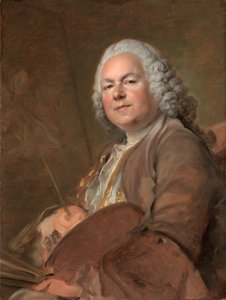
Marc Nattier
1685 - 1766 , Francia
Datos clave
- Artistas Que Influyeron: ['Peter Paul Rubens']
- Fecha De Fallecimiento: 7 de noviembre de 1766
- Fecha De Nacimiento: 17 de marzo de 1685
- Lugar De Nacimiento: París, Francia
- Movimiento Artístico: Rococó
- Nacionalidad: Francés
- Nombre Completo: Jean-Marc Nattier
- Obras Notables:
- El artista con su familia
- Marie Lečinska
- Madame Le Fèvre de Caumartin
- Los amantes
Artículos relacionados
Las 10 Obras Maestras del Azul Pizarra: Arte, Historia y Decoración
Descubre las 10 pinturas más famosas dominadas por el azul pizarra. Explora la historia, técnica y belleza de Monet, Van Gogh y otros maestros. Encuentra reproducciones de arte exclusivas para decorar tu hogar en .
Jean-Marc Nattier: Rococo Portraiture & Aristocratic Patronage
Explore the exquisite Rococo portraits of Jean-Marc Nattier, favored by French aristocracy. Discover his artistic techniques, patronage network, and lasting legacy – a guide for discerning collectors.

La Estética Rococó: Opulencia, Rebelión y Placer en el Arte del Siglo XVIII
Descubre la fascinante estética rococó: su historia, características clave y los artistas más influyentes del siglo XVIII. Un análisis profundo para amantes del arte y coleccionistas.
The Allure of Azure: Exploring the Symbolic & Aesthetic Depths of Blue in Art History
Explore the rich history of blue in art! Discover its symbolism, from ancient pigments to modern masterpieces by Kandinsky & Seurat. Uncover the psychological impact and cultural meanings behind this captivating hue.

Rococó: 10 Obras Maestras que Definieron una Época | Arte y Decoración en
Descubre las 10 obras maestras del Rococó que marcaron una época. Explora la elegancia de Fragonard, Boucher y Watteau en . Reproducciones de arte de calidad museo para decorar tu hogar con estilo.