 Ver en contexto
 Enviar
 Compartir
 Detalles

 Descargar
 Similares
 Radiografía
 Presentación de diapositivas
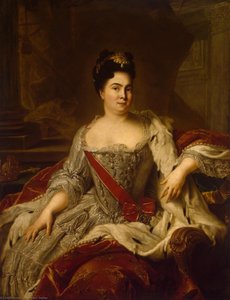
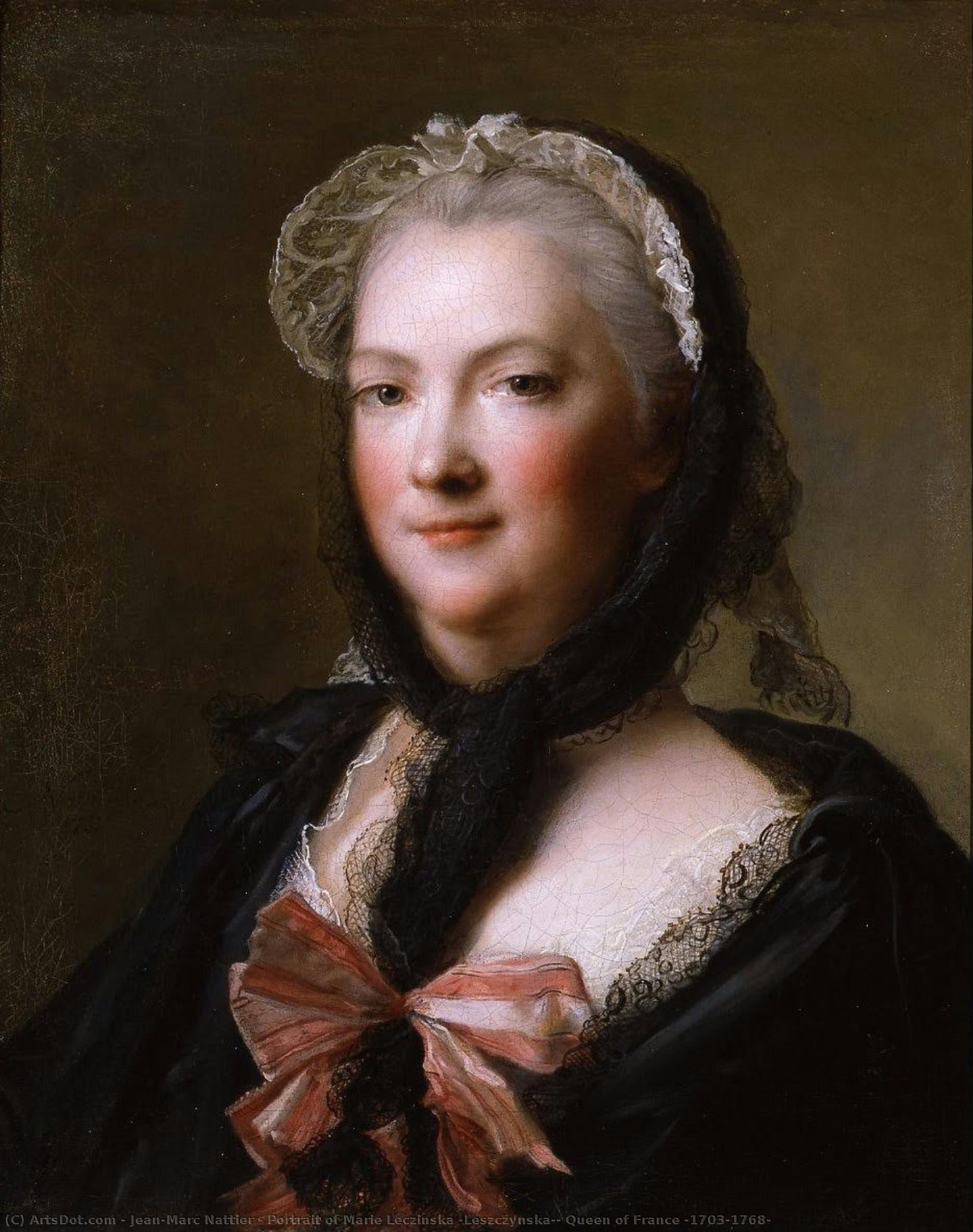
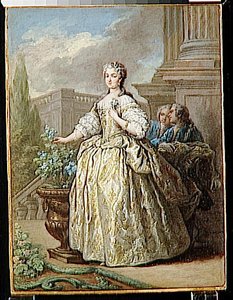
Portrait of Marie Leczinska (Leszczynska), Queen of France (1703-1768)


 Ver más
Giclée / Impresión de arte
Impresiones giclée o en lienzo de calidad de museo con producción rápida y opciones de acabado flexibles. ( Comprar pintura hecha a mano Comprar imagen)




P118B $10

P118H $10

P118W $10

P438Z $10

P508JH $12

P508YH $12

P805H $10

P805Z $10

P919BZ $10

P919G $10

P919XJ $10

P959ZH $10

P968JZ $12

W106C $8

W218G $10

W218JH $8

W218Y $10

W307PJ $10

W316G $10

W316PJ $8

W316Y $10

W398PJ $8

W4111J $10

W500HY $15

W500JH $15

W692G $12

W849H $8

W940BG $15

W953PJ $8




Elija entre nuestros tamaños predefinidos que respetan las proporciones originales de la obra.

Puede introducir sus propias dimensiones para adaptarse a un marco o espacio específico. Si el tamaño seleccionado no coincide con las proporciones de la imagen original, recortaremos la obra de arte o extenderemos la imagen con un borde con efecto espejo o de color sólido. Se enviará una maqueta digital para su aprobación antes de que comience la producción.
Tenga en cuenta que la vista previa en pantalla no refleja el recorte o la extensión real. Solo la maqueta mostrará con precisión la composición final.
Aunque existen tamaños personalizados, recomendamos seleccionar una dimensión de la lista predefinida para preservar las proporciones originales.
Envío a todo el mundo () en 2 semanas en lugar de las 4/5 semanas estándar. (3 septiembre)

Envío exprés gratuito a todo el mundo

Lienzo de lino de alta calidad

Seguro de envío total

Garantía de reembolso de impuestos aduaneros

Garantía de fidelidad cromática exacta

Política de devolución de 60 días (solo por defectos)

Garantía de devolución del 100% del dinero

Descuento por cantidad
 La opción de vidrio solo está disponible en tamaños inferiores a 110 cm.

Portrait of Marie Leczinska (Leszczynska), Queen of France (1703-1768)
Giclée / Impresión de arte
Dimensiones de la reproducción
-


Precio total final
$ 62
A Glimpse of Grace: Marie Leczinska in Nattier’s Masterpiece
Jean-Marc Nattier's “Portrait of Marie Leczinska (Leszczynska), Queen of France” is more than a simple depiction of royalty; it’s a carefully constructed tableau vivant, a frozen moment brimming with understated elegance and the quiet dignity of a woman navigating the complexities of court life. Painted in 1753, during the height of Louis XV's reign, this portrait transcends its status as a royal commission to become a poignant study of femininity, power, and the subtle artistry of Rococo aesthetics.
Nattier, born into a family steeped in artistic tradition – his father a renowned portrait painter and mother a celebrated miniaturist – possessed an innate ability to capture not just likeness but also character. He eschewed the grand, theatrical poses favored by some of his contemporaries, instead opting for a remarkably intimate composition. The Queen is presented in a half-length format, seated before a richly draped background that subtly suggests a private salon—a space designed for contemplation and refined conversation. Her posture is relaxed yet regal, her gaze direct and engaging, inviting the viewer into an unspoken dialogue.
The Language of Rococo: Color, Texture, and Symbolism
Nattier’s signature style is immediately recognizable in this portrait through his masterful use of color and texture. The palette is restrained yet luminous—a harmonious blend of soft blues, creams, and subtle pinks that evoke a sense of serenity and sophistication. The delicate lace collar, rendered with meticulous detail, catches the light beautifully, adding a layer of tactile richness to the image. Notice, too, the ladder of red ribbon knots adorning her dress – a deliberate flourish that speaks to both wealth and status, while simultaneously hinting at the Queen’s role as a gracious hostess.
Beyond mere decoration, each element carries symbolic weight. The classical setting—a nod to Greco-Roman ideals—underscores Marie Leczinska's elevated position within French society. Her attire, though seemingly simple, is carefully chosen to convey both her Polish heritage and her role as Queen of France. The subtle suggestion of a mythological reference – perhaps alluding to Diana, the goddess of the hunt – elevates the portrait beyond a mere likeness, transforming it into an allegory of grace and power.
A Window into the Court: Context and Legacy
Marie Leczinska’s life was one of both privilege and quiet struggle. Born into Polish nobility, she married Louis XV in 1725, becoming Queen of France at a relatively young age. Despite her beauty and intelligence, she faced considerable challenges within the rigid confines of the French court—a world dominated by intrigue, fashion, and political maneuvering. Nattier’s portrait offers a rare glimpse into this complex world, capturing not just the Queen's outward appearance but also her inner strength and resilience.
The painting was created during a period of significant artistic innovation, as the Rococo style flourished in France. Nattier, along with artists like Boucher and Watteau, helped to define this distinctive aesthetic—characterized by its emphasis on elegance, grace, and playful ornamentation. “Portrait of Marie Leczinska” stands as a testament to Nattier’s skill and his ability to capture the essence of his subject within the framework of this influential artistic movement. Today, housed at The Frick Pittsburgh, it continues to captivate viewers with its timeless beauty and subtle emotional depth.
Bringing the Portrait Home: Reproduction Options
For those seeking a piece of this exquisite artwork for their own spaces, high-quality reproductions are available through ArtsDot.com and other reputable art reproduction services. Whether you choose an archival print on canvas or a meticulously hand-painted replica, you can bring the elegance and grace of Nattier’s masterpiece into your home—a lasting tribute to a remarkable woman and one of the most celebrated portraitists of 18th-century France.
Obras relacionadas
Biografía del artista
Vida Temprana y Formación
- Nacido: París, Francia (17 de marzo de 1685)
- Fallecido: 7 de noviembre de 1766
- Antecedentes Familiares: Hijo de Marc Nattier (1642–1705), un retratista, y Marie Courtois (1655–1703), una miniaturista.
- Formación Temprana: Inicialmente formado por su padre, aprendiendo los fundamentos del retrato. También copió cuadros en la Galería de Luxemburgo, perfeccionando sus habilidades para capturar rasgos y comprender la composición.
- Oportunidad Académica Rechazada: A pesar de tener la oportunidad de estudiar en la Academia Francesa de Roma, eligió permanecer en París y centrarse en desarrollar su oficio de forma independiente.
Estilo Artístico y Obras Notables
- Enfoque en el Retrato: Nattier es conocido principalmente por sus retratos de las damas de la corte del rey Luis XV.
- Vestimenta Mitológica: Sus retratos se caracterizan por el uso de vestimenta mitológica clásica, añadiendo un aire de sofisticación y fantasía a sus sujetos.
- Uso de la Luz: Empleó hábilmente la luz en sus pinturas para crear una sensación de profundidad y dimensionalidad, atrayendo al espectador a la escena.
- Técnicas Innovadoras: La atención al detalle y las técnicas innovadoras de Nattier lo distinguieron como una figura destacada en el mundo del arte.
- Obras Notables:
- El Artista Rodeado por su Familia (1730)
- Marie Lečinska (Museo de Dijon)
- Magdalena (Louvre)
- Comtesse de Tillières y Mademoiselle de Clermont en Sultana (The Wallace Collection)
- Madame Le Fèvre de Caumartin como Hebe (National Gallery of Art)
- Los Amantes (Alte Pinakothek Museum, Munich)
Influencias y Legado
- Influencia Paterna: Su padre, Marc Nattier, sirvió como su mentor inicial, proporcionando una base en la pintura de retratos.
- Orientación de Jean Jouvenet: Recibió más instrucción de su tío, Jean Jouvenet, un pintor de historia.
- Inspiración de Rubens: La copia de pinturas de Peter Paul Rubens en el Palacio de Luxemburgo influyó significativamente en su desarrollo artístico.
- Pionero del Estilo Rococó: Nattier es considerado una figura clave en el movimiento rococó, conocido por su elegancia, gracia y representaciones juguetonas de la vida aristocrática.
- Influencia en Artistas Posteriores: Sus técnicas innovadoras y estilo inspiraron a numerosos artistas que lo siguieron.
Significado Histórico
- Pintor de Corte para Luis XV: Su posición como pintor oficial de retratos del rey Luis XV consolidó su reputación e influencia.
- Revival de los Retratos Alegóricos: Se le atribuye la revitalización del género de los retratos alegóricos, combinando el realismo con temas mitológicos.
- Reflejo de la Sociedad Rococó: Sus obras proporcionan valiosas perspectivas sobre la moda, la cultura y la dinámica social de la aristocracia francesa del siglo XVIII.
- Reconocimiento Generalizado: Las pinturas de Nattier se encuentran en prestigiosos museos de todo el mundo, incluyendo el Louvre, The Wallace Collection y la Alte Pinakothek, lo que atestigua su legado perdurable.
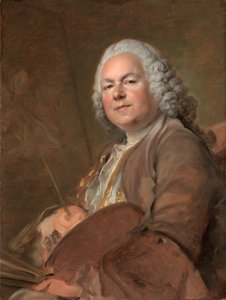
Marc Nattier
1685 - 1766 , Francia
Datos clave
- Artistas Que Influyeron: ['Peter Paul Rubens']
- Fecha De Fallecimiento: 7 de noviembre de 1766
- Fecha De Nacimiento: 17 de marzo de 1685
- Lugar De Nacimiento: París, Francia
- Movimiento Artístico: Rococó
- Nacionalidad: Francés
- Nombre Completo: Jean-Marc Nattier
- Obras Notables:
- El artista con su familia
- Marie Lečinska
- Madame Le Fèvre de Caumartin
- Los amantes
Artículos relacionados
Jean-Marc Nattier: Rococo Portraiture & Aristocratic Patronage
Explore the exquisite Rococo portraits of Jean-Marc Nattier, favored by French aristocracy. Discover his artistic techniques, patronage network, and lasting legacy – a guide for discerning collectors.
Jacob Henricus Maris: A Master of Dutch Atmospheric Realism & the Intimate Landscape
Explore the captivating world of Jacob Henricus Maris, a leading figure of the Dutch Hague School. Discover his atmospheric landscapes, signature brushstrokes & lasting influence on 19th-century art. Learn more at ArtsDot.
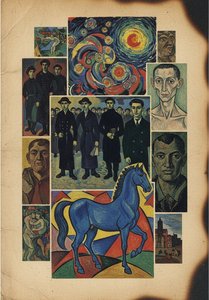
Expresionismo Alemán: 10 Obras Maestras que Transformaron el Arte | ArtsDot
Descubre las 10 obras maestras del Expresionismo Alemán: Kirchner, Munch y más. Explora la historia, técnica y emoción detrás de estos lienzos icónicos. Reproducciones de arte de museo en ArtsDot.com. ¡Inspira tu hogar con arte!
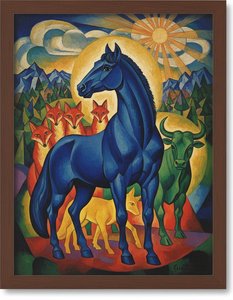
Franz Marc: Expressionism, Spirituality & the Animal Symbolism of a Modern Master
Explore the profound world of Franz Marc's Expressionist paintings. Discover his spiritual connection to animals, innovative use of color, and lasting impact on modern art history. Learn more at ArtsDot.
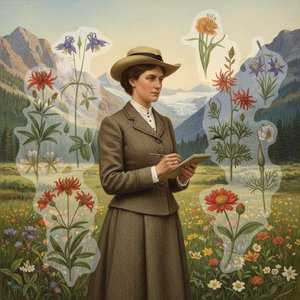
Mary Vaux Walcott: Botanical Precision & Artistic Vision in American Conservation
Discover the exquisite botanical watercolors of Mary Vaux Walcott, celebrated as the 'Audubon of Botany.' Explore her life, art, and lasting impact on American conservation through detailed illustrations & Smithsonian contributions.