 Ver en contexto
 Enviar
 Compartir
 Detalles

 Descargar
 Similares
 Radiografía
 Presentación de diapositivas
 Stats
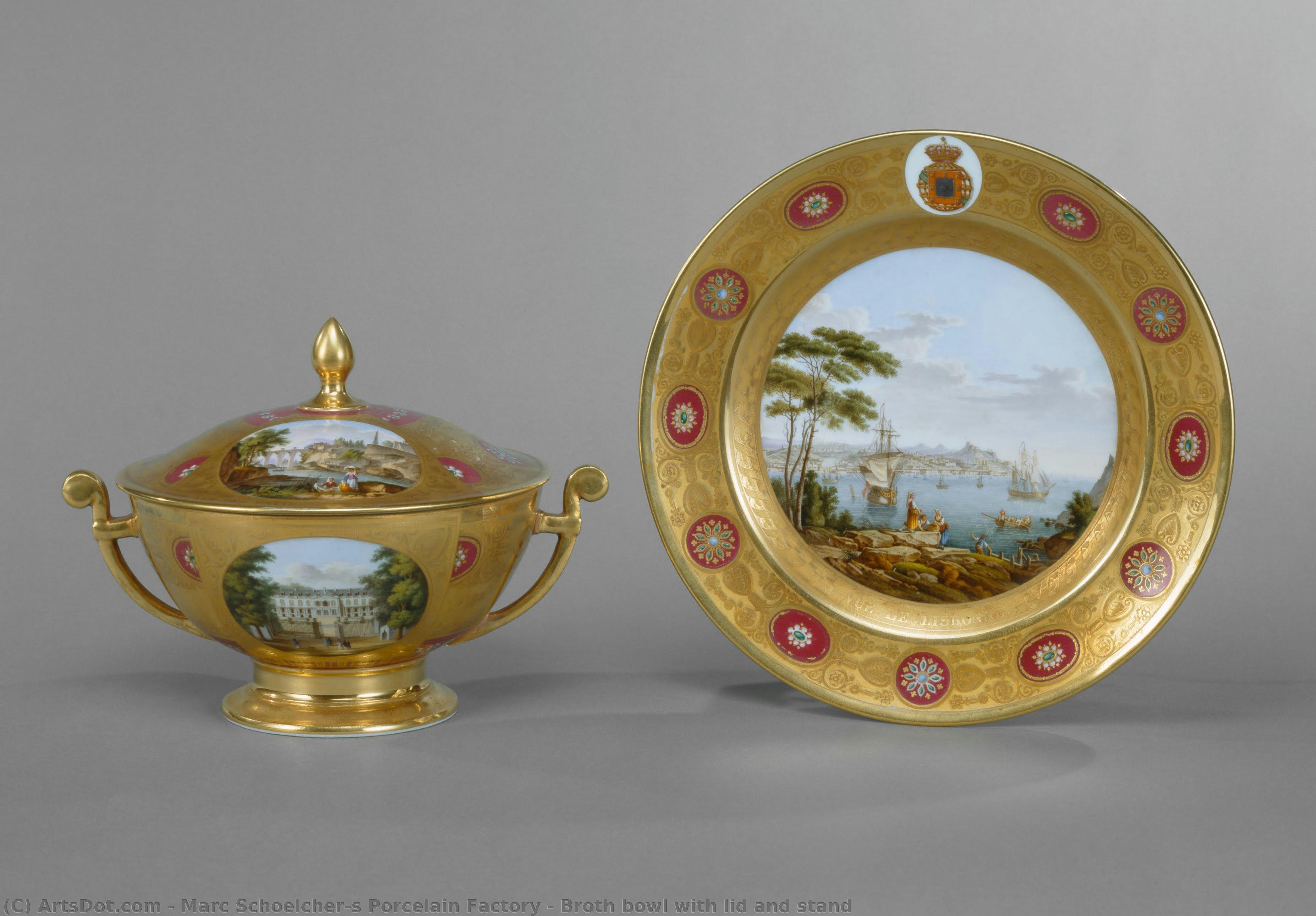
StatsBroth bowl with lid and stand

 Ver más
Adquiera una imagen digital de alta resolución y optimizada, muy superior a la vista previa en línea.
Cada archivo es preparado meticulosamente por nuestros especialistas internos mediante el uso de herramientas avanzadas y un experto retoque manual. Nos aseguramos de que cada imagen posea una claridad excepcional, una precisión cromática impecable y un detalle minucioso.
El archivo final se entrega por correo electrónico en un plazo de 72 horas, optimizado para su uso inmediato en entornos profesionales, editoriales y de impresión. Esta es la misma calidad en la que confían los estudios de diseño, las editoriales y las galerías de primer nivel.
Imagen Digital
Descarga un archivo de alta resolución para exhibición personal, impresión y proyectos creativos. ( Switch to Print Comprar pintura hecha a mano)
Incluido en cada pedido de imágenes digitales
Entrega digital experta, garantizada.
Al elegir ArtsDot.com, no solo está adquiriendo una imagen; está recibiendo una obra de arte digital mejorada profesionalmente, elaborada con precisión y respaldada por una garantía de satisfacción. Esto es todo lo que incluye su pedido, automáticamente:

Entrega rápida por email
Recibirá su archivo de imagen digital en alta resolución por correo electrónico en un plazo de 72 horas tras realizar su pedido, listo para su uso inmediato.

Archivo digital optimizado por IA
Su obra de arte se optimiza profesionalmente mediante herramientas avanzadas de IA y edición manual, garantizando el máximo detalle, claridad y precisión cromática.

Reenvío gratuito de por vida
¿Has borrado o perdido tu archivo por error? No te preocupes: te lo volveremos a enviar en cualquier momento, sin coste adicional.

Sin gastos de importación, siempre
Disfrute de su obra de arte al instante sin aduanas, aranceles ni gastos de envío; las descargas digitales siempre están libres de impuestos.

Garantía de fidelidad de color
Garantizamos que su imagen digital refleje los colores originales con la mayor fidelidad posible, mediante el uso de herramientas profesionales y gestión del color.

Garantía de satisfacción de 100 días
Si no está satisfecho con su imagen digital, la revisaremos o le reembolsaremos el 100% en un plazo de 100 días, sin preguntas.

100% Garantía de devolución de dinero
¿No está satisfecho? Obtenga un reembolso completo dentro de los 100 días posteriores a la recepción de su archivo digital, sin preguntas.

Descuentos por pedidos grandes
Compra 3 imágenes, ahorra 10% - Compra 5, ahorra 15% - Compra 10+, ahorra 20%. Ideal para proyectos creativos, galerías y agencias.
Obras relacionadas









Biografía del artista
The Enigmatic World of Porcelain: Schoelcher's Legacy
The name Schoelcher, when encountered in the realm of decorative arts, evokes a sense of refined elegance and historical complexity. While often associated with abolitionist Victor Schoelcher, a figure whose moral compass steered him towards social justice, our focus lies on his lesser-known relative, a porcelain manufacturer who flourished during the 19th century. This Schoelcher – let us refer to him as Jean-Baptiste Schoelcher for clarity – wasn’t driven by political reform but by an artistic vision centered around the delicate beauty and technical mastery of porcelain. His story is one interwoven with the burgeoning industrial revolution, the shifting tastes of a wealthy clientele, and the enduring allure of French craftsmanship.
Born in France during a period of significant societal change, Jean-Baptiste Schoelcher inherited not only a family name but also a keen understanding of commerce and aesthetics. Details regarding his early life remain somewhat elusive; however, it is known that he established his porcelain factory – often referred to simply as “Schoelcher’s Porcelain” – in the heart of Limoges, a region already celebrated for its exceptional ceramic production. He didn't merely replicate existing styles; instead, he sought to innovate, blending traditional techniques with contemporary designs influenced by both Eastern motifs and the emerging Art Nouveau movement.
A Fusion of Styles: Schoelcher’s Artistic Development
Schoelcher’s early work demonstrated a clear adherence to the prevailing Rococo revival style. Delicate floral patterns, gilded accents, and asymmetrical compositions characterized these initial pieces, catering to an aristocratic clientele accustomed to opulence. However, his artistic journey quickly diverged from strict imitation. A pivotal moment came with his exposure to Japanese porcelain – known as *Imari* and *Satsuma* wares – which arrived in Europe during the mid-19th century. The bold colors, dynamic compositions, and unconventional subject matter of these imports profoundly impacted Schoelcher’s aesthetic sensibilities.
He began incorporating elements of Japanese design into his own creations, albeit with a distinctly French interpretation. This fusion resulted in pieces that were both exotic and refined – featuring vibrant birds, blossoming branches, and intricate landscapes painted against backgrounds of rich cobalt blue or deep ruby red. Simultaneously, Schoelcher embraced the burgeoning Art Nouveau aesthetic, introducing flowing lines, organic forms, and depictions of natural elements like dragonflies, irises, and water lilies into his repertoire. His factory became known for its innovative use of *cloisonné* enamel techniques, adding another layer of complexity and visual richness to his porcelain.
Technical Innovation and the Pursuit of Perfection
Beyond aesthetic considerations, Schoelcher was a dedicated innovator in the realm of porcelain production. He invested heavily in new technologies, streamlining manufacturing processes while simultaneously maintaining an unwavering commitment to quality craftsmanship. His factory employed highly skilled artisans – painters, gilders, enamelists – who were encouraged to push the boundaries of their respective disciplines.
Schoelcher’s experimentation extended beyond surface decoration. He developed unique porcelain bodies known for their exceptional translucency and strength, allowing for increasingly delicate forms and intricate detailing. His pieces often featured complex molded reliefs, showcasing his mastery of sculptural techniques. The factory also became renowned for its production of elaborate dinner services, tea sets, and decorative vases – each piece a testament to Schoelcher’s dedication to artistic excellence.
Major Achievements and Historical Significance
While Schoelcher never achieved the widespread fame of some of his contemporaries – such as Sèvres or Limoges’ other prominent manufacturers – his work garnered significant recognition within elite circles. His porcelain was highly sought after by collectors, adorning the tables of wealthy industrialists, members of the aristocracy, and discerning art enthusiasts.
- Exhibition Successes: Schoelcher's pieces were regularly featured in prestigious exhibitions throughout Europe and North America, earning accolades for their innovative designs and technical brilliance.
- Royal Patronage: Although documentation is limited, anecdotal evidence suggests that Schoelcher received commissions from several European royal courts, further solidifying his reputation as a master craftsman.
- Influence on Art Nouveau Ceramics: His pioneering use of organic forms and flowing lines played a significant role in shaping the development of Art Nouveau ceramics, inspiring subsequent generations of artists.
Today, Schoelcher’s porcelain represents a fascinating intersection of artistic styles and technological innovation. It serves as a tangible reminder of a bygone era – an age characterized by both opulence and experimentation. His legacy lies not only in the exquisite beauty of his creations but also in his unwavering commitment to pushing the boundaries of ceramic art, leaving behind a collection that continues to captivate and inspire.
Further research is ongoing to fully document Schoelcher’s life and work, with scholars continuing to uncover new insights into this enigmatic figure and his enduring contribution to the world of porcelain.