 Ver en contexto
 Enviar
 Compartir
 Detalles

 Descargar
 Similares
 Radiografía
 Presentación de diapositivas
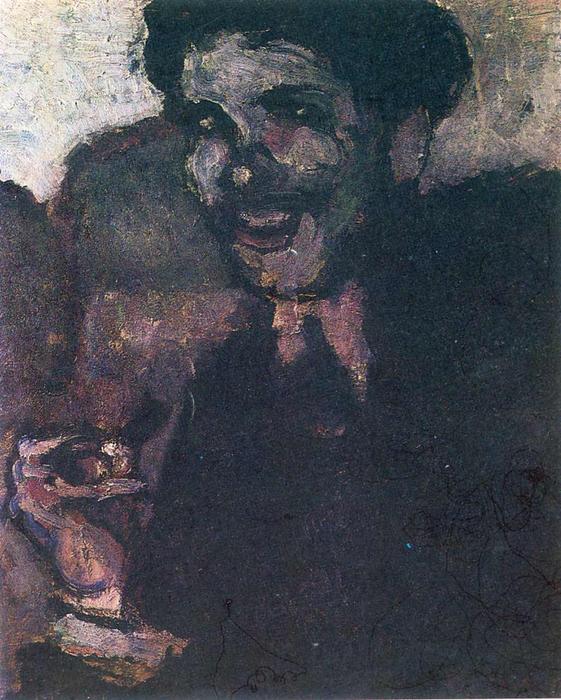
Portrait of Dr. Ferdinand Tribout
 Acrylic On Canvas
- WallArt
- Post-Impressionist Dada
 1910
1910- 19th Century
 45.0 x 55.0 cm
 Ver más
Reproducción al óleo hecha a mano
Óleo sobre lienzo pintado a mano en el tamaño y marco de su elección, realizado por encargo por nuestros artistas. ( Comprar impresión Comprar imagen)




P118B $10

P118H $10

P118W $10

P438Z $10

P508JH $12

P508YH $12

P805H $10

P805Z $10

P919BZ $10

P919G $10

P919XJ $10

P959ZH $10

P968JZ $12

W106C $8

W218G $10

W218JH $8

W218Y $10

W307PJ $10

W316G $10

W316PJ $8

W316Y $10

W398PJ $8

W4111J $10

W500HY $15

W500JH $15

W692G $12

W849H $8

W940BG $15

W953PJ $8




Elija entre nuestros tamaños predefinidos que respetan las proporciones originales de la obra.

Puede ingresar sus propias dimensiones para adaptarse a un marco o espacio específico. Si el tamaño seleccionado no coincide con las proporciones de la imagen original, recortaremos la obra o extenderemos la pintura con elementos adicionales pintados a mano. Se le enviará una maqueta digital para su aprobación antes de comenzar la producción.
Tenga en cuenta que la vista previa en pantalla no refleja el recorte o la extensión reales. Solo la maqueta mostrará con precisión la composición final.
Si bien existen tamaños personalizados, recomendamos seleccionar una dimensión de la lista predefinida para preservar las proporciones originales.
Tras realizar el pedido, el equipo de ArtsDot.com enviará un correo electrónico al cliente para solicitar instrucciones y proporcionarle una vista previa del boceto.
Envío a todo el mundo () en 3-4 semanas en lugar de las 5 semanas estándar. (24 agosto). Sin comprometer la calidad.

Envío exprés gratuito a todo el mundo

Lienzo de lino de alta calidad

Seguro de envío total

Garantía de reembolso de impuestos aduaneros

Garantía de fidelidad cromática exacta

Política de devolución de 60 días (solo por defectos)

Garantía de devolución del 100% del dinero

Descuento por cantidad
 La opción de vidrio solo está disponible en tamaños inferiores a 110 cm.

Portrait of Dr. Ferdinand Tribout
Técnica de reproducción
Dimensiones de la reproducción
-


Precio total final
$ 263
Descripción de la obra
A Study in Paradox: Marcel Duchamp's *Portrait of Dr. Ferdinand Tribout*
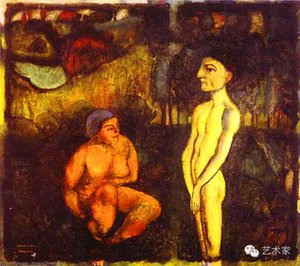
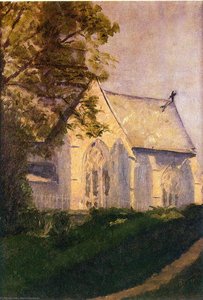
Marcel Duchamp’s 1910 painting, *Portrait of Dr. Ferdinand Tribout*, is not merely a likeness; it’s an unsettling meditation on identity, perception, and the very definition of art itself. This deceptively simple portrait, rendered in oil on canvas measuring 45 x 55 cm, immediately confronts the viewer with a figure that defies easy categorization – a man with a deliberately exaggerated “clown face,” sporting a black suit and tie, and radiating an almost manic grin. The subject, Dr. Ferdinand Tribout, was a friend of Duchamp’s, and the painting's origins lie in a playful yet profoundly challenging experiment within the burgeoning artistic landscape of early 20th-century France.
Post-Impressionist Roots with a Dada Twist
Duchamp’s formative years were steeped in Post-Impressionism, evident in the careful brushwork and attention to detail visible in *Portrait of Dr. Ferdinand Tribout*. However, this technical mastery quickly dissolved into a radical questioning of established artistic norms. The painting emerged during a period of intense intellectual ferment – the cusp of Cubism’s rise and the burgeoning influence of Dadaism. Duchamp, deeply influenced by these movements, deliberately subverted traditional portraiture conventions. He wasn't interested in capturing a realistic representation; instead, he sought to expose the constructed nature of identity and the role of the artist as interpreter rather than mere recorder.
Symbolic Layers and Emotional Discomfort
The clown-like features of Dr. Tribout are particularly significant. The exaggerated smile, bordering on grotesque, suggests a deliberate rejection of conventional notions of beauty and respectability. This unsettling effect is compounded by the presence of two secondary figures within the composition – one in the upper right corner and another at the bottom left. Their inclusion adds to the sense of unease and invites speculation about their relationship to Dr. Tribout and the overall meaning of the work. Some scholars suggest these figures represent societal pressures or perhaps Duchamp’s own anxieties regarding artistic recognition. The painting evokes a feeling of discomfort, prompting viewers to confront their own preconceptions about portraiture and representation.
A Reproduction for the Connoisseur
*Portrait of Dr. Ferdinand Tribout* is more than just a reproduction; it's an opportunity to possess a piece of art history – a tangible embodiment of Marcel Duchamp’s revolutionary spirit. ArtsDot meticulously recreates this iconic work using archival-quality materials and employing the techniques of skilled hand-painters, ensuring that every detail, from the subtle nuances of color to the texture of the canvas, faithfully reflects the original. This reproduction offers an exceptional addition to any art collection or a striking focal point for interior design, guaranteed to spark conversation and provoke contemplation.
Obras relacionadas
Biografía del artista
vida temprana y comienzos artísticos
marcel duchamp, un pintor, escultor, jugador de ajedrez y escritor francés-estadounidense, nació el 28 de julio de 1887 en Blainville-Crevon, Normandía, Francia. Su familia, conocida por sus inclinaciones culturales, fomentó su temprano interés por el arte. El viaje artístico de Duchamp comenzó con estilos postimpresionistas, experimentando con técnicas y temas clásicos.evolución artística y obras notables
- La obra de marcel duchamp está asociada con el cubismo, el arte conceptual y el dadaísmo, aunque fue cauteloso sobre su uso del término dada.
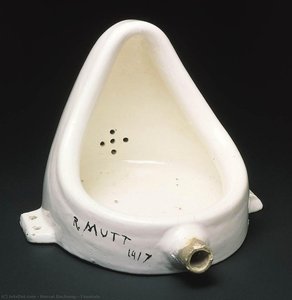
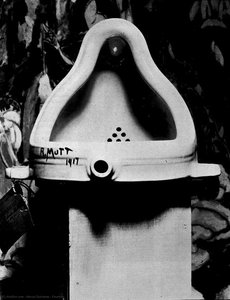
- Una de sus obras más famosas, Fountain (1917), una urinaria firmada 'r. mutt', es un ejemplo de sus readymades, desafiando la noción de lo que constituye el arte.
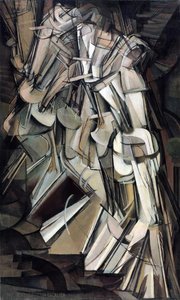
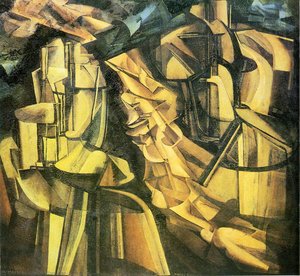
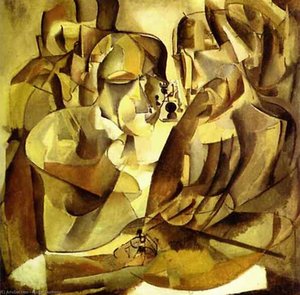
- Retrato de jugadores de ajedrez (1911), una obra cubista, muestra su interés por el juego y sus aspectos estratégicos.
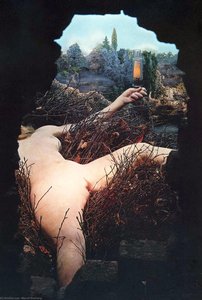
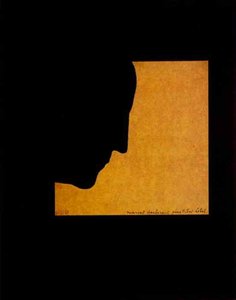
- A ser mirado (desde el otro lado del vidrio) con un ojo, cerca de, casi una hora (1945) es otra obra notable, que refleja sus inclinaciones dadaístas.
influencia y legado
El impacto de Duchamp en el arte del siglo XX es inmenso. Él, junto con Pablo Picasso y Henri Matisse, definió las artes plásticas a principios del siglo XX. Su enfoque conceptual del arte ha influido en generaciones de artistas.- Explore más obras de Duchamp en ArtsDot: Marcel Duchamp | obras de arte
- Descubra el Museo Ohara de Arte, Japón, que presenta colecciones de arte occidental, incluidas algunas influenciadas por el estilo de Duchamp: Museo Ohara de Arte, Japón
- Aprenda más sobre Lettrism, un movimiento influenciado por el dadaísmo y el surrealismo, del que Duchamp formó parte: Movimiento artístico Lettrism
conclusión
El enigmático enfoque de arte de Marcel Duchamp, que combina elementos conceptuales y dadaístas, ha dejado una marca indeleble en el mundo del arte. Su legado continúa inspirando a los artistas e influyendo en el desarrollo del arte moderno y contemporáneo. Franck Scurti, un artista francés conocido por su arte conceptual, sigue los pasos de Duchamp, ampliando el legado de este pionero artista.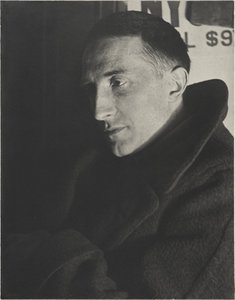
Marcel Duchamp
1887 - 1968 , Francia
Datos clave
- Artistas Influenciados Por: ['Franck Scurti']
- Fecha De Muerte: 1968
- Fecha De Nacimiento: 28 de julio de 1887
- Lugar De Nacimiento: Blainville-sur-Mer, Francia
- Movimiento Artístico:
- Cubismo
- Dadaísmo
- Arte conceptual
- Nacionalidad: Francesa-estadounidense
- Nombre Completo: Marcel Duchamp
- Obras Notables:
- Fuente
- Retrato de jugadores de ajedrez
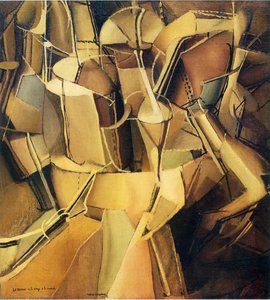
- La novia desnudada
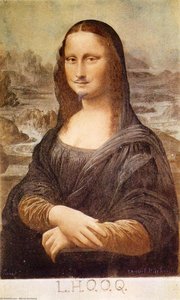
- L.H.O.O.Q.
- Boîte-en-valise
Artículos relacionados

Giclée Prints: Archival Quality & Aesthetic Nuances for the Discerning Collector
Explore the world of giclée prints with ArtsDot. Learn about archival quality, aesthetic nuances & investment potential. Expert guidance for discerning art collectors seeking museum-quality reproductions and lasting value.

Los 10 Maestros del Postimpresionismo: Obras que Revolucionaron el Arte |
Descubre los 10 cuadros más influyentes del Postimpresionismo: Van Gogh, Monet, Cézanne y más. Explora la historia, técnica y significado de estas obras maestras. Reproducciones de arte en para decorar tu hogar con estilo.

Echoes of Time: Exploring the Enduring Appeal & Historical Context of Vintage Art Prints
Explore the captivating world of vintage art prints! Discover their history, collecting tips & enduring appeal. Expert insights on chromolithography and building a legacy collection with ArtsDot.

Los 10 Maestros del Paisaje Impresionista: Obras que Cambiaron la Historia del Arte
Descubre los 10 lienzos impresionistas que revolucionaron el arte. Monet, Renoir y más… Explora la historia, técnica y belleza de cada obra maestra. Encuentra reproducciones de alta calidad para tu hogar en ArtsDot.com.
Impressionistic Realism's Finest: 10 Masterpieces for Your Home | ArtsDot
Journey through Impressionistic Realism with 10 iconic masterpieces by Monet, Renoir & Van Gogh. Explore art history, techniques & find museum-quality reproductions for your home at ArtsDot.com. Discover all masterpieces online!