

 Ver en contexto
 Enviar
 Compartir
 Detalles

 Descargar
 Similares
 Radiografía
 Presentación de diapositivas
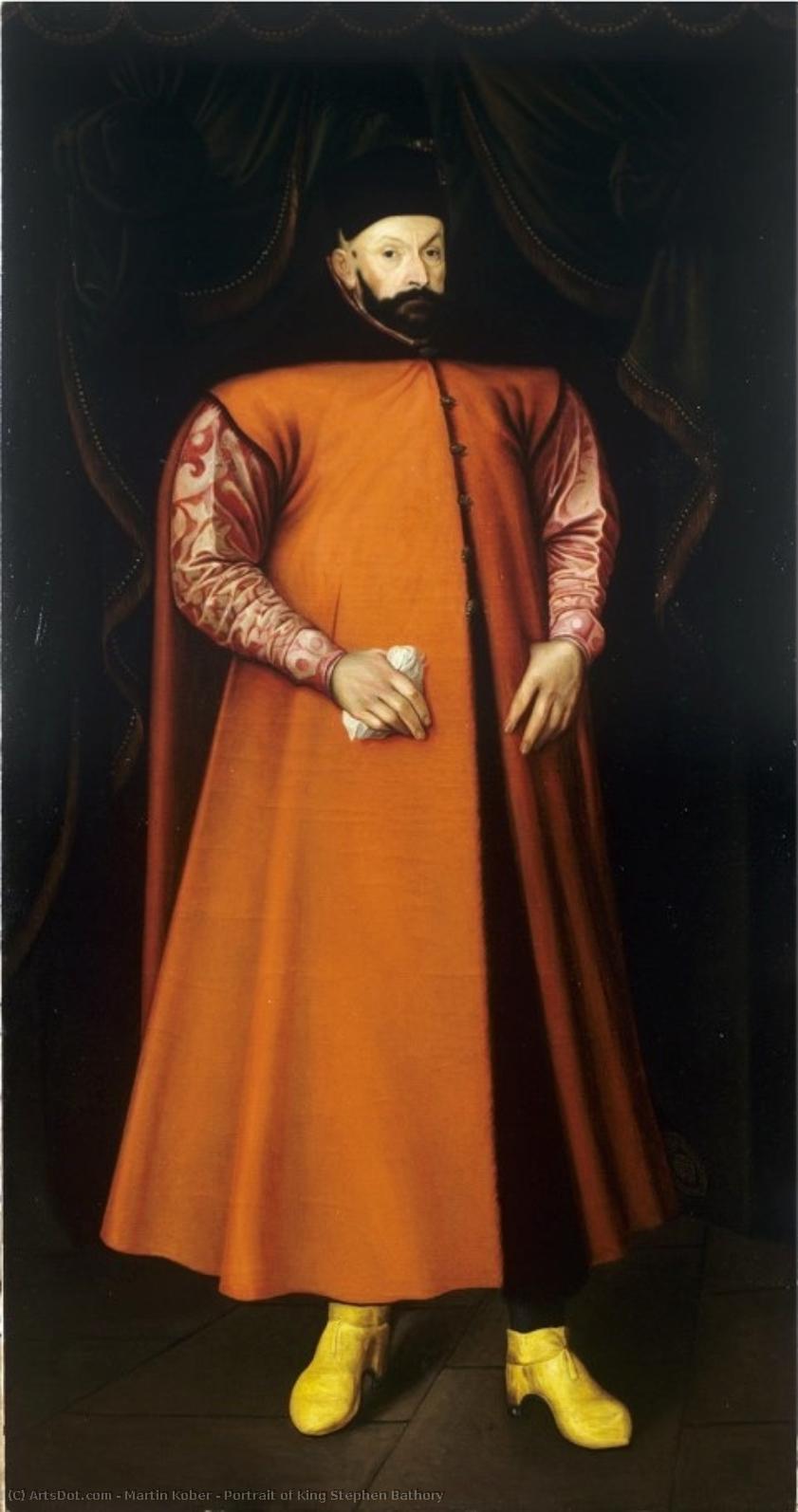
Portrait of King Stephen Bathory


 Ver más
Reproducción al óleo hecha a mano
Óleo sobre lienzo pintado a mano en el tamaño y marco de su elección, realizado por encargo por nuestros artistas. ( Comprar impresión Comprar imagen)




































Elija entre nuestros tamaños predefinidos que respetan las proporciones originales de la obra.

Puede ingresar sus propias dimensiones para adaptarse a un marco o espacio específico. Si el tamaño seleccionado no coincide con las proporciones de la imagen original, recortaremos la obra o extenderemos la pintura con elementos adicionales pintados a mano. Se le enviará una maqueta digital para su aprobación antes de comenzar la producción.
Tenga en cuenta que la vista previa en pantalla no refleja el recorte o la extensión reales. Solo la maqueta mostrará con precisión la composición final.
Si bien existen tamaños personalizados, recomendamos seleccionar una dimensión de la lista predefinida para preservar las proporciones originales.
Tras realizar el pedido, el equipo de ArtsDot.com enviará un correo electrónico al cliente para solicitar instrucciones y proporcionarle una vista previa del boceto.
Envío a todo el mundo () en 3-4 semanas en lugar de las 5 semanas estándar. (23 agosto). Sin comprometer la calidad.

Envío exprés gratuito a todo el mundo

Lienzo de lino de alta calidad

Seguro de envío total

Garantía de reembolso de impuestos aduaneros

Garantía de fidelidad cromática exacta

Política de devolución de 60 días (solo por defectos)

Garantía de devolución del 100% del dinero

Descuento por cantidad
 La opción de vidrio solo está disponible en tamaños inferiores a 110 cm.

Portrait of King Stephen Bathory
Técnica de reproducción
Dimensiones de la reproducción
-


Precio total final
$ 263
Obras relacionadas







Biografía del artista
Marcin Kober: The Pioneer of Polish Royal Portraiture
Marcin Kober (also chober, cober, coeber, khober, koeber, koebner), born around 1550 in Wroclaw, Poland, stands as a pivotal figure in the history of Polish art and royal iconography. He wasn’t merely a painter; he was arguably the first artist actively engaged in documenting the reigns of central European monarchs – Stephen Báthory, Rudolf II, Holy Roman Emperor, Queen Anne Jagiellon, and King Sigismund III Vasa – primarily within the Commonwealth of Poland-Lithuania. This distinction elevates him to the status of a precursor to the Polish portrait genre, marking him as an innovator who fundamentally shaped artistic representation during his era. Kober’s artistic journey began in Prague, where he encountered the vibrant artistic community fostered by Spanish influences. This exposure profoundly impacted his style, favoring a meticulous realism blended with decorative elements reminiscent of Habsburg court art. His portraits of Báthory and Rudolf II exemplify this approach, capturing regal dignity alongside subtle symbolic gestures that reflected prevailing humanist ideals. Notably, Kober’s depiction of Stephen Báthory significantly influenced the subsequent royal iconography for over a century, establishing a visual language that would endure through generations. This influence extended beyond mere stylistic imitation; it permeated the very conceptual framework underpinning representations of monarchs—a deliberate effort to convey authority and virtue through carefully considered imagery. The artist's early works at Báthory’s court established a distinct aesthetic – the “Báthory School” – which subsequently impacted the development of Polish sarmatian portraiture. Kober’s meticulous attention to detail and his masterful use of color created images imbued with both psychological depth and formal elegance. His portraits weren't simply representations; they were carefully crafted statements about power, status, and identity. The “Báthory School” championed a style characterized by luminous colors, precise anatomical rendering, and an emphasis on conveying inner character—a stylistic hallmark that would resonate throughout Polish art for decades to come. A significant contribution to Kober’s legacy lies in his role as the official painter for Queen Anne Jagiellon and King Sigismund III Vasa. These commissions solidified his reputation as a court artist of considerable stature and ensured that his artistic vision would continue to shape royal portraits throughout Poland's golden age. The resulting paintings, particularly those featuring Anna Jagiellon’s widow portrait, are considered invaluable documents of the period, offering insights into aristocratic life and artistic conventions. Kober skillfully captured Anne’s melancholic beauty alongside regal composure—a testament to his ability to distill complex emotions into visual form. Kober’s oeuvre spans across multiple museums across Europe, including Dolný Kubín Gallery, Uffizi Gallery, Convent of Las Descalzas Reales, Kunsthistorisches Museum, and National Museum. Versions of Sigismund III Vasa’s portrait exist in both the National Museum and Wilanów Palace, demonstrating Kober's workshop's organizational prowess. The “Wawel Castle Version” stands out as particularly noteworthy – a flat depiction characterized by striking realism and decorative flourishes—a testament to his artistic technique and enduring influence on Polish art history. His meticulous attention to detail ensured that each portrait conveyed not only physical likeness but also an understanding of the sitter’s inner life, cementing his place as one of Poland's foremost artists of the Renaissance.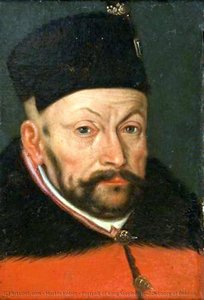
Marcin Kober
Polonia
Datos clave
- Artistic Movement Or Style: Renaissance
- Artists Who Influenced This Artist:
- Habsburg Court Art
- Spanish Portraiture Tradition
- Date Of Birth: ca. 1550
- Full Name: Marcin Kober
- Nationality: Polish
- Notable Artworks:
- Portrait of Stephen Báthory
- Portrait of Queen Anne Jagiellon
- Portrait of King Sigismund III Vasa
- Place Of Birth: Wrocław, Poland

