

 Ver en contexto
 Enviar
 Compartir
 Detalles

 Descargar
 Similares
 Radiografía
 Presentación de diapositivas
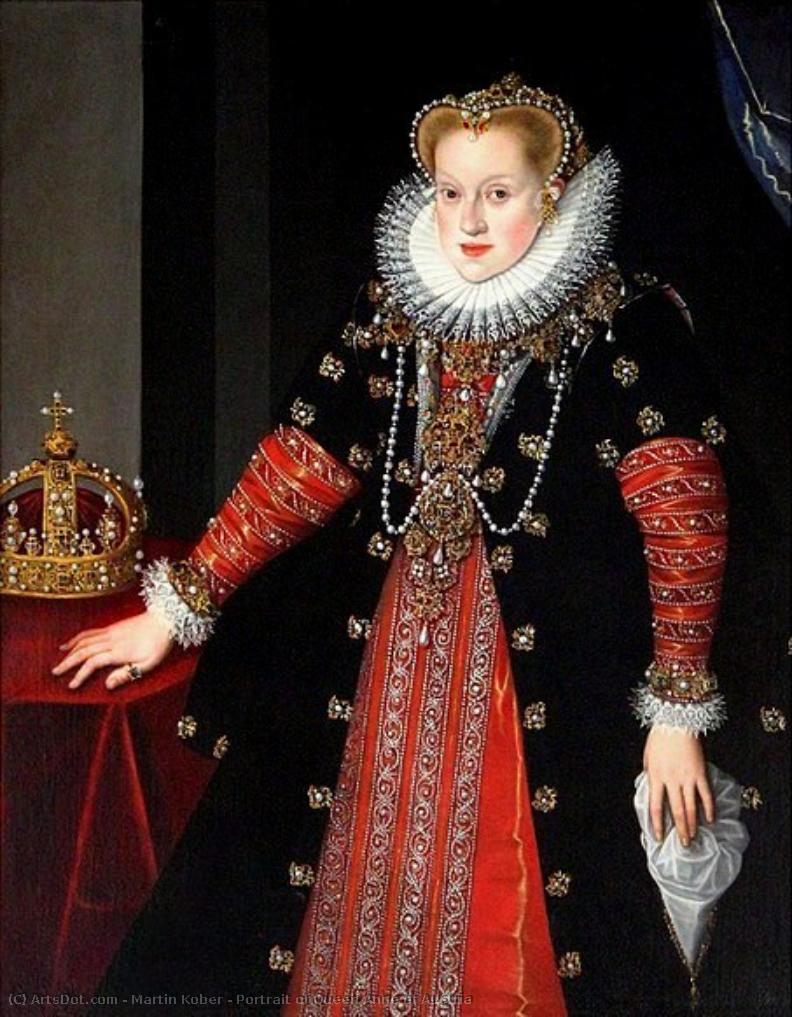
Portrait of Queen Anne of Austria


 Ver más
Adquiera una imagen digital de alta resolución y optimizada, muy superior a la vista previa en línea.
Cada archivo es preparado meticulosamente por nuestros especialistas internos mediante el uso de herramientas avanzadas y un experto retoque manual. Nos aseguramos de que cada imagen posea una claridad excepcional, una precisión cromática impecable y un detalle minucioso.
El archivo final se entrega por correo electrónico en un plazo de 72 horas, optimizado para su uso inmediato en entornos profesionales, editoriales y de impresión. Esta es la misma calidad en la que confían los estudios de diseño, las editoriales y las galerías de primer nivel.
Imagen Digital
Descarga un archivo de alta resolución para exhibición personal, impresión y proyectos creativos. ( Comprar impresión Comprar pintura hecha a mano)
Incluido en cada pedido de imágenes digitales
Entrega digital experta, garantizada.
Al elegir ArtsDot.com, no solo está adquiriendo una imagen; está recibiendo una obra de arte digital mejorada profesionalmente, elaborada con precisión y respaldada por una garantía de satisfacción. Esto es todo lo que incluye su pedido, automáticamente:

Entrega rápida por email
Recibirá su archivo de imagen digital en alta resolución por correo electrónico en un plazo de 72 horas tras realizar su pedido, listo para su uso inmediato.

Archivo digital optimizado por IA
Su obra de arte se optimiza profesionalmente mediante herramientas avanzadas de IA y edición manual, garantizando el máximo detalle, claridad y precisión cromática.

Reenvío gratuito de por vida
¿Has borrado o perdido tu archivo por error? No te preocupes: te lo volveremos a enviar en cualquier momento, sin coste adicional.

Sin gastos de importación, siempre
Disfrute de su obra de arte al instante sin aduanas, aranceles ni gastos de envío; las descargas digitales siempre están libres de impuestos.

Garantía de fidelidad de color
Garantizamos que su imagen digital refleje los colores originales con la mayor fidelidad posible, mediante el uso de herramientas profesionales y gestión del color.

Garantía de satisfacción de 60 días
Si no está satisfecho con su imagen digital, la revisaremos o le reembolsaremos el 100% en un plazo de 60 días, sin preguntas.

100% Garantía de devolución de dinero
¿No está satisfecho? Obtenga un reembolso completo dentro de los 60 días posteriores a la recepción de su archivo digital, sin necesidad de explicaciones.

Descuentos por pedidos grandes
Compra 3 imágenes, ahorra 10% - Compra 5, ahorra 15% - Compra 10+, ahorra 20%. Ideal para proyectos creativos, galerías y agencias.
The Majesty of a Sovereign: Unveiling Marcin Kober’s Portrait of Queen Anne of Austria
Marcin Kober's “Portrait of Queen Anne of Austria” is more than just a painting; it’s a meticulously crafted window into the heart of 16th-century European courtly life. Completed around 1595, this remarkable work transcends mere portraiture, offering a profound glimpse into the power, grace, and carefully constructed image of Queen Anne – a woman who navigated the turbulent political landscape of Poland and Austria with both strength and diplomacy.
Kober’s skill lies not just in his technical mastery but also in his ability to capture the essence of his subject. He was a pioneer in Polish royal iconography, establishing a new standard for depicting monarchs and nobility – a style heavily influenced by the artistic currents flowing from Prague, where he initially trained. The painting embodies the late Renaissance’s fascination with realism blended with an opulent decorative sensibility, reminiscent of the Habsburg court’s refined aesthetic.
A Study in Regal Detail: Composition and Technique
The composition is a testament to Kober's understanding of classical principles. Queen Anne occupies the central space, rendered in a three-quarter pose that invites intimate engagement. Her body is subtly angled towards the viewer, creating a dynamic sense of connection while maintaining an air of dignified composure. The careful arrangement of elements – the crown resting on its cushion, the white cloth held delicately in her hand – speaks to her status and carefully cultivated image.
- Color Palette: Dominated by deep reds, blacks, and golds, the palette is rich and luxurious, reflecting the Queen’s wealth and power. The subtle use of lighter tones on her skin and the cloth adds depth and highlights key features.
- Brushwork: Kober's brushstrokes are remarkably controlled and precise, particularly evident in the rendering of the intricate fabrics – velvet, silk, and brocade – that adorn Queen Anne’s garments. The artist demonstrates a masterful understanding of texture, creating a convincing illusion of tactile richness.
- Lighting: The lighting is strategically focused on the Queen's face and upper body, casting dramatic highlights that accentuate her features and the details of her attire. The dark background serves to further emphasize her presence and create a sense of depth.
Symbolism Woven into the Canvas
Beyond its aesthetic beauty, the portrait is laden with symbolism. The crown, prominently displayed, unequivocally signifies Queen Anne’s royal status – a potent reminder of her lineage and authority. The white cloth she holds represents purity and virtue, qualities highly valued in a queen. Even the pose itself carries weight; her upright posture and composed expression convey dignity, strength, and unwavering resolve.
Furthermore, the painting reflects the political realities of its time. Queen Anne was a pivotal figure in Polish history, serving as regent for her young son, Sigismund III Vasa, during a period of significant instability. The portrait, therefore, is not merely a likeness but also a carefully constructed representation of power and stability – a visual declaration of her role as a guardian of the realm.
A Legacy of Royal Portraiture
Marcin Kober’s “Portrait of Queen Anne of Austria” stands as a landmark achievement in Polish art. It established a new standard for royal portraiture, influencing generations of artists and shaping the visual representation of monarchs within the Commonwealth of Poland-Lithuania. The painting's enduring appeal lies not only in its technical brilliance but also in its ability to transport us back to a time of courtly intrigue, political maneuvering, and the unwavering power of a queen.
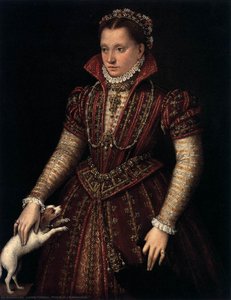
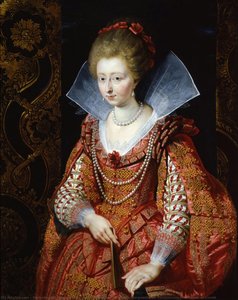
Obras relacionadas

Biografía del artista
Marcin Kober: The Pioneer of Polish Royal Portraiture
Marcin Kober (also chober, cober, coeber, khober, koeber, koebner), born around 1550 in Wroclaw, Poland, stands as a pivotal figure in the history of Polish art and royal iconography. He wasn’t merely a painter; he was arguably the first artist actively engaged in documenting the reigns of central European monarchs – Stephen Báthory, Rudolf II, Holy Roman Emperor, Queen Anne Jagiellon, and King Sigismund III Vasa – primarily within the Commonwealth of Poland-Lithuania. This distinction elevates him to the status of a precursor to the Polish portrait genre, marking him as an innovator who fundamentally shaped artistic representation during his era. Kober’s artistic journey began in Prague, where he encountered the vibrant artistic community fostered by Spanish influences. This exposure profoundly impacted his style, favoring a meticulous realism blended with decorative elements reminiscent of Habsburg court art. His portraits of Báthory and Rudolf II exemplify this approach, capturing regal dignity alongside subtle symbolic gestures that reflected prevailing humanist ideals. Notably, Kober’s depiction of Stephen Báthory significantly influenced the subsequent royal iconography for over a century, establishing a visual language that would endure through generations. This influence extended beyond mere stylistic imitation; it permeated the very conceptual framework underpinning representations of monarchs—a deliberate effort to convey authority and virtue through carefully considered imagery. The artist's early works at Báthory’s court established a distinct aesthetic – the “Báthory School” – which subsequently impacted the development of Polish sarmatian portraiture. Kober’s meticulous attention to detail and his masterful use of color created images imbued with both psychological depth and formal elegance. His portraits weren't simply representations; they were carefully crafted statements about power, status, and identity. The “Báthory School” championed a style characterized by luminous colors, precise anatomical rendering, and an emphasis on conveying inner character—a stylistic hallmark that would resonate throughout Polish art for decades to come. A significant contribution to Kober’s legacy lies in his role as the official painter for Queen Anne Jagiellon and King Sigismund III Vasa. These commissions solidified his reputation as a court artist of considerable stature and ensured that his artistic vision would continue to shape royal portraits throughout Poland's golden age. The resulting paintings, particularly those featuring Anna Jagiellon’s widow portrait, are considered invaluable documents of the period, offering insights into aristocratic life and artistic conventions. Kober skillfully captured Anne’s melancholic beauty alongside regal composure—a testament to his ability to distill complex emotions into visual form. Kober’s oeuvre spans across multiple museums across Europe, including Dolný Kubín Gallery, Uffizi Gallery, Convent of Las Descalzas Reales, Kunsthistorisches Museum, and National Museum. Versions of Sigismund III Vasa’s portrait exist in both the National Museum and Wilanów Palace, demonstrating Kober's workshop's organizational prowess. The “Wawel Castle Version” stands out as particularly noteworthy – a flat depiction characterized by striking realism and decorative flourishes—a testament to his artistic technique and enduring influence on Polish art history. His meticulous attention to detail ensured that each portrait conveyed not only physical likeness but also an understanding of the sitter’s inner life, cementing his place as one of Poland's foremost artists of the Renaissance.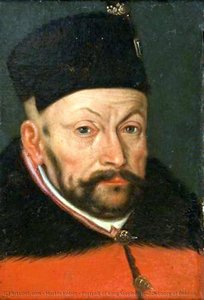
Marcin Kober
Polonia
Breves datos
- Artistic Movement Or Style: Renaissance
- Artists Who Influenced This Artist:
- Habsburg Court Art
- Spanish Portraiture Tradition
- Date Of Birth: ca. 1550
- Full Name: Marcin Kober
- Nationality: Polish
- Notable Artworks:
- Portrait of Stephen Báthory
- Portrait of Queen Anne Jagiellon
- Portrait of King Sigismund III Vasa
- Place Of Birth: Wrocław, Poland

