

 Ver en contexto
 Enviar
 Compartir
 Detalles

 Descargar
 Similares
 Radiografía
 Presentación de diapositivas
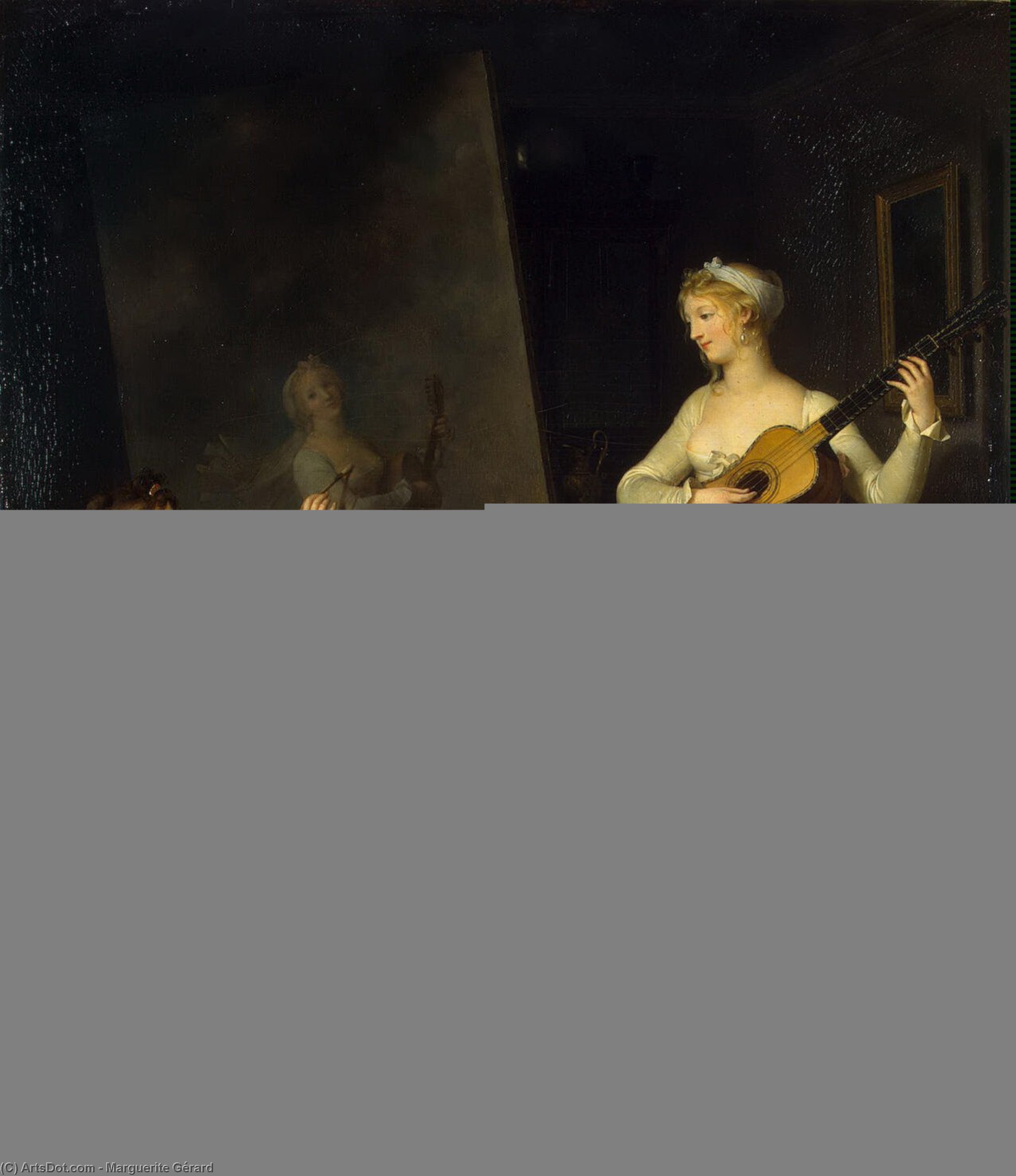
Artist Painting a Portrait of a Musician
 Oil On Canvas
- WallArt
- Neoclassical/Romantic
 1803
1803 61.0 x 52.0 cm
 Museo del Hermitage
 Ver más
Giclée / Impresión de arte
Impresiones giclée o en lienzo de calidad de museo con producción rápida y opciones de acabado flexibles. ( Comprar pintura hecha a mano Comprar imagen)




P118B $10

P118H $10

P118W $10

P438Z $10

P508JH $12

P508YH $12

P805H $10

P805Z $10

P919BZ $10

P919G $10

P919XJ $10

P959ZH $10

P968JZ $12

W106C $8

W218G $10

W218JH $8

W218Y $10

W307PJ $10

W316G $10

W316PJ $8

W316Y $10

W398PJ $8

W4111J $10

W500HY $15

W500JH $15

W692G $12

W849H $8

W940BG $15

W953PJ $8




Elija entre nuestros tamaños predefinidos que respetan las proporciones originales de la obra.

Puede introducir sus propias dimensiones para adaptarse a un marco o espacio específico. Si el tamaño seleccionado no coincide con las proporciones de la imagen original, recortaremos la obra de arte o extenderemos la imagen con un borde con efecto espejo o de color sólido. Se enviará una maqueta digital para su aprobación antes de que comience la producción.
Tenga en cuenta que la vista previa en pantalla no refleja el recorte o la extensión real. Solo la maqueta mostrará con precisión la composición final.
Aunque existen tamaños personalizados, recomendamos seleccionar una dimensión de la lista predefinida para preservar las proporciones originales.
Envío a todo el mundo () en 2 semanas en lugar de las 4/5 semanas estándar. (6 septiembre)

Envío exprés gratuito a todo el mundo

Lienzo de lino de alta calidad

Seguro de envío total

Garantía de reembolso de impuestos aduaneros

Garantía de fidelidad cromática exacta

Política de devolución de 100 días (solo por defectos)

Garantía de devolución del 100% del dinero

Descuento por cantidad
 La opción de vidrio solo está disponible en tamaños inferiores a 110 cm.

Artist Painting a Portrait of a Musician
Giclée / Impresión de arte
Dimensiones de la reproducción
-


Precio total final
$ 62
A Moment of Artistic Intimacy: Marguerite Gérard’s Portrait of a Musician
Marguerite Gérard's "Artist Painting a Portrait of a Musician," completed in 1803, is more than just a depiction of two women engaged in artistic activity; it’s a poignant glimpse into the vibrant intellectual and social life of late 18th-century France. This intimate scene, rendered in soft oils on panel, captures a fleeting moment of shared creativity within an artist's studio – a space brimming with potential and quiet contemplation. The painting immediately draws the viewer in with its muted palette of earthy browns, creams, and subtle pinks, creating a sense of warmth and domesticity that belies the sophisticated artistic sensibilities at play.
Gérard, a pioneering woman artist who navigated the restrictive world of 19th-century art academies, skillfully employs a Neoclassical style infused with Romantic undertones. The composition is meticulously balanced, reminiscent of the portraiture traditions of her mentor, Jean-Honoré Fragonard, yet imbued with a distinctly personal touch. The placement of the musicians – one poised with a guitar, the other lost in the melody of her violin – establishes a palpable connection between them, suggesting a shared passion and perhaps even a nascent collaboration. The inclusion of a dog, curled contentedly at the feet of the seated woman, adds a layer of domestic charm and reinforces the scene’s sense of tranquility.
The Studio as Canvas: Composition and Technique
The painting's strength lies not only in its subject matter but also in Gérard’s masterful technique. She demonstrates a remarkable ability to capture both form and atmosphere, utilizing soft, flowing lines that define the figures’ clothing and instruments with understated elegance. The edges of the forms are deliberately blurred, creating a hazy quality that contributes to the overall sense of intimacy and invites the viewer to step into the scene. Linear elements – the strings of the guitar and violin, the architectural details hinted at in the background – provide subtle anchors within the composition, guiding the eye through the space.
Gérard’s brushwork is remarkably delicate, blending strokes with a remarkable subtlety that results in surfaces that appear both smooth and textured. The use of glazes—thin layers of translucent paint—allows her to build up color gradually, creating nuanced tonal variations and adding depth to the figures' attire and the studio setting. The diffused lighting, emanating from an unseen source on the left, highlights the woman with the guitar while gently illuminating the background figure, further enhancing the sense of intimacy and drama.
Symbolism and Emotional Resonance
Beyond its technical merits, “Artist Painting a Portrait of a Musician” is rich in symbolic meaning. The act of artistic creation itself represents a celebration of intellect, beauty, and human expression. The musicians embody creativity and passion, while the artist’s presence underscores the transformative power of art. The scene evokes a feeling of tranquility, suggesting that art can provide solace and inspiration amidst the complexities of life.
Furthermore, the painting speaks to the social context of its time – a period when women were increasingly gaining recognition as artists despite facing significant obstacles. Marguerite Gérard’s success in a male-dominated field is a testament to her talent and determination. The inclusion of the dog adds another layer of meaning, representing companionship and loyalty—values that resonated deeply within the domestic sphere.
A Legacy of Artistic Innovation
Painted during a pivotal moment in French art history, “Artist Painting a Portrait of a Musician” exemplifies Marguerite Gérard’s unique artistic vision. Her ability to seamlessly blend Neoclassical formality with Romantic sensitivity resulted in works that are both timeless and deeply personal. Reproductions of this captivating scene offer a beautiful opportunity to experience the artistry of a remarkable woman who defied convention and left an enduring legacy on the world of art. ArtsDot’s hand-painted reproductions faithfully capture the delicate brushwork, nuanced colors, and emotional depth of Gérard's original masterpiece, allowing you to bring this intimate moment of artistic creation into your home or office.
Obras relacionadas



Biografía del artista
Marguerite Gérard: Una Vida Dedicada al Arte
- Nacimiento: Grasse, Francia (1761)
- Fallecimiento: 1837
- Conexiones Familiares: Hija de Marie Gilette y el perfumista Claude Gérard. Cuñada y alumna de Jean-Honoré Fragonard; tía de Alexandre-Évariste Fragonard.
Primeros Años, Formación y Colaboración con Fragonard
El viaje artístico de Marguerite Gérard comenzó en 1775 cuando se mudó a París para vivir con su hermana, Marie-Anne Fragonard, y su cuñado, Jean-Honoré Fragonard. Este traslado resultó fundamental ya que le brindó acceso a la vibrante escena artística parisina y, crucialmente, tutoría bajo Fragonard mismo. A los 16 años, se convirtió en una aprendiz no oficial, estudiando inicialmente sus dibujos y creando grabados basados en ellos. Un período significativo de su colaboración ocurrió en 1778 cuando produjeron nueve grabados juntos. Los historiadores ahora creen que Gérard fue la artista principal detrás de cinco de estos grabados, con Fragonard probablemente asistiendo o creando duplicados para fines educativos.
Desarrollo Artístico y Estilo
El desarrollo artístico de Gérard fue único debido a su falta de formación académica formal, lo que limitó su acceso al estudio del desnudo. En consecuencia, se centró en escenas de género –representaciones de la vida cotidiana– inspirándose en maestros holandeses del siglo XVII como Gerard ter Borch y Gabriel Metsu. Su estilo reflejaba su meticulosa atención al detalle y sus pinceladas finamente mezcladas. A diferencia de muchas pintoras femeninas que hacían referencia a la antigüedad clásica, Gérard eligió representar entornos domésticos y trajes de siglos anteriores. Los motivos recurrentes en su obra incluían gatos y perros domésticos, enfatizando temas de maternidad, infancia, música y compañerismo femenino.
Obras Principales y Reconocimiento
La carrera de Gérard abarcó más de cincuenta años, durante los cuales creó numerosas pinturas y grabados. Algunas obras notables incluyen:
- Lady Reading in an Interior (1795): Una pintura neoclásica que muestra elegancia tranquila e intelectualismo.
- Portrait of Maréchale Lannes, Duchesse de Montebello with Her Children (1814): Un retrato neoclásico que representa a la duquesa y sus hijos en un entorno de jardín formal.
- Sleep my child: Una pintura al óleo que retrata la maternidad y la música con elegancia neoclásica.
- The Clemency of Napoleon (1808): Comprada por el emperador Napoleón, lo que demuestra su creciente reconocimiento entre importantes mecenas.
Exhibió regularmente en el Salón de París desde 1799 hasta 1824, ganando tres medallas por su obra artística. Sus pinturas fueron muy solicitadas por coleccionistas adinerados, mientras que los grabados de sus obras alcanzaron a un público más amplio.
Significado Histórico y Legado
Marguerite Gérard ocupa un lugar significativo en la historia del arte como una de las primeras mujeres francesas en lograr el éxito como pintora de género. Defió las limitaciones sociales impuestas a las artistas femeninas, abriéndose camino en una carrera sin formación académica formal. Su capacidad para representar escenas domésticas íntimas con tal detalle y realismo resonó entre el público, estableciendo su reputación entre mecenas y críticos por igual. La influencia de Gérard se extendió más allá de su propia obra; sirvió como inspiración para generaciones posteriores de artistas mujeres, incluido su sobrino, Alexandre-Évariste Fragonard, a quien ella orientó de la misma manera que Fragonard había fomentado su talento. Su legado radica no solo en sus logros artísticos sino también en allanar el camino para que futuras artistas femeninas persigan sus ambiciones creativas.
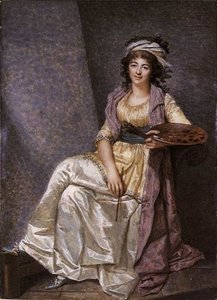
Marguerite Gérard
1761 - 1837 , Francia
Datos clave
- Artistas Influenciados: ['Alexandre-Évariste Fragonard']
- Artistas Que Influyeron:
- Gerard ter Borch
- Gabriel Metsu
- Jean-Honoré Fragonard
- Fecha De Fallecimiento: 1837
- Fecha De Nacimiento: 28 de enero de 1761
- Lugar De Nacimiento: Grasse, Francia
- Movimiento Artístico: Rococó
- Nacionalidad: Francesa
- Nombre Completo: Marguerite Gérard
- Obras Notables:
- Lady Reading in an Interior
- Retrato de Maréchale Lannes
- Sleep my child
- La clemencia de Napoleón
Artículos relacionados

Rococó: 10 Obras Maestras que Definieron una Época | Arte y Decoración en
Descubre las 10 obras maestras del Rococó que marcaron una época. Explora la elegancia de Fragonard, Boucher y Watteau en . Reproducciones de arte de calidad museo para decorar tu hogar con estilo.

La Estética Rococó: Opulencia, Rebelión y Placer en el Arte del Siglo XVIII
Descubre la fascinante estética rococó: su historia, características clave y los artistas más influyentes del siglo XVIII. Un análisis profundo para amantes del arte y coleccionistas.

The Allure of Elegance in Art: A Historical & Aesthetic Exploration of Refinement & Grace
Explore the exquisite world of Rococo art! Discover its history, masters (Watteau, Boucher & more), and defining elegance. Expert insights for collectors seeking museum-quality reproductions & custom portraits.
Charles-André van Loo: A Study in Rococo Portraiture & the French Court's Artistic Dynamics
Explore the elegant world of Charles-André van Loo, a master of Rococo portraiture at the French court. Discover his life, techniques, and enduring influence on 18th-century art. Hand-painted reproductions available.
François Boucher: Rococo Master of Myth, Sensuality, and the French Court
Explore the captivating world of François Boucher, master of Rococo painting! Discover his iconic works, aristocratic patronage, and lasting influence on French art history. Learn more at ArtsDot.