 Ver en contexto
 Enviar
 Compartir
 Detalles

 Descargar
 Similares
 Radiografía
 Presentación de diapositivas
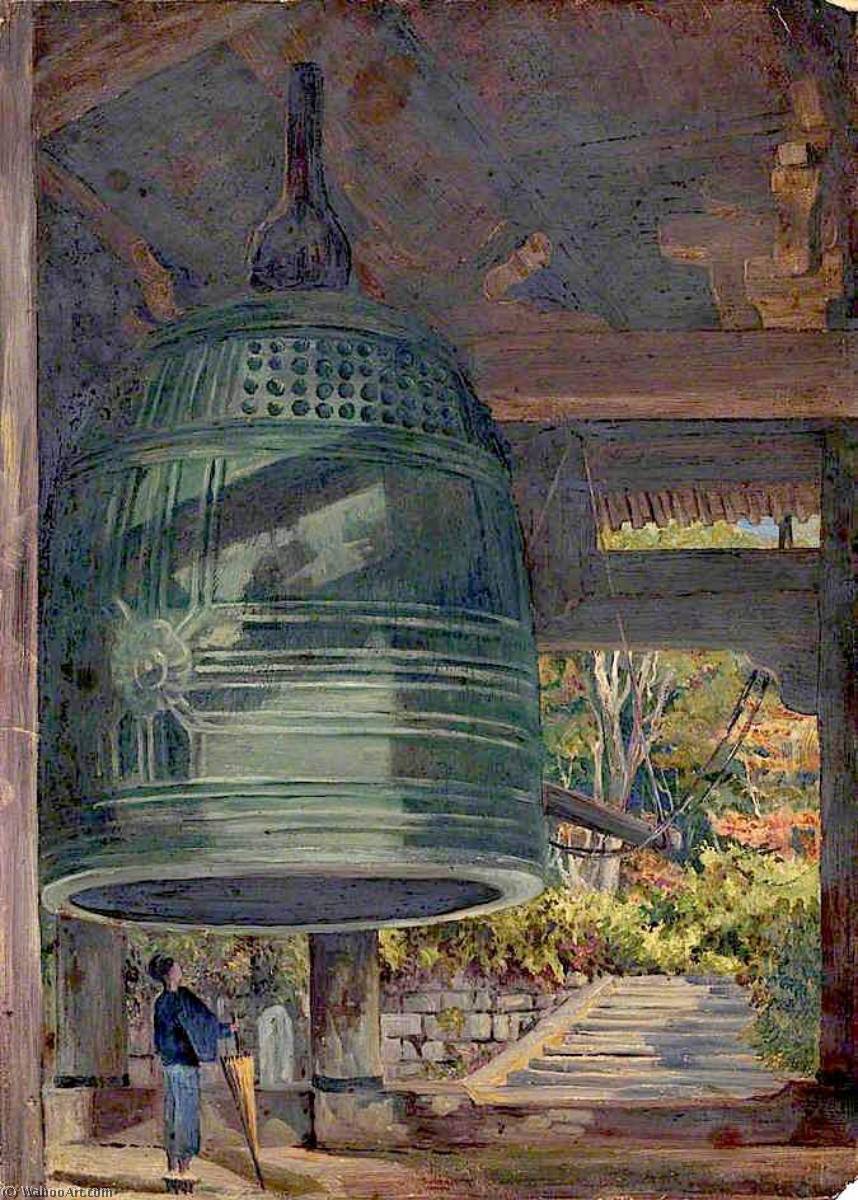
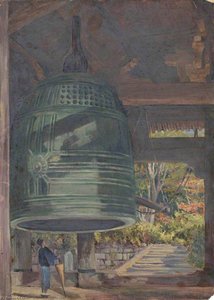
Great Bell of the Cheone Temple (Shenie Temple), Kyoto, Japan


 Ver más
Giclée / Impresión de arte
Impresiones giclée o en lienzo de calidad de museo con producción rápida y opciones de acabado flexibles. ( Comprar pintura hecha a mano Comprar imagen)




P118B $10

P118H $10

P118W $10

P438Z $10

P508JH $12

P508YH $12

P805H $10

P805Z $10

P919BZ $10

P919G $10

P919XJ $10

P959ZH $10

P968JZ $12

W106C $8

W218G $10

W218JH $8

W218Y $10

W307PJ $10

W316G $10

W316PJ $8

W316Y $10

W398PJ $8

W4111J $10

W500HY $15

W500JH $15

W692G $12

W849H $8

W940BG $15

W953PJ $8




Elija entre nuestros tamaños predefinidos que respetan las proporciones originales de la obra.

Puede introducir sus propias dimensiones para adaptarse a un marco o espacio específico. Si el tamaño seleccionado no coincide con las proporciones de la imagen original, recortaremos la obra de arte o extenderemos la imagen con un borde con efecto espejo o de color sólido. Se enviará una maqueta digital para su aprobación antes de que comience la producción.
Tenga en cuenta que la vista previa en pantalla no refleja el recorte o la extensión real. Solo la maqueta mostrará con precisión la composición final.
Aunque existen tamaños personalizados, recomendamos seleccionar una dimensión de la lista predefinida para preservar las proporciones originales.
Envío a todo el mundo () en 2 semanas en lugar de las 4/5 semanas estándar. (2 septiembre)

Envío exprés gratuito a todo el mundo

Lienzo de lino de alta calidad

Seguro de envío total

Garantía de reembolso de impuestos aduaneros

Garantía de fidelidad cromática exacta

Política de devolución de 60 días (solo por defectos)

Garantía de devolución del 100% del dinero

Descuento por cantidad
 La opción de vidrio solo está disponible en tamaños inferiores a 110 cm.

Great Bell of the Cheone Temple (Shenie Temple), Kyoto, Japan
Giclée / Impresión de arte
Dimensiones de la reproducción
-


Precio total final
$ 62
A Moment Frozen in Time: The Great Bell of Kyoto
In the delicate brushstrokes of Marianne North’s 1875 masterpiece, Great Bell of the Cheone Temple (Shenie Temple), Kyoto, Japan, we are invited to step through a portal into the late nineteenth century. This evocative watercolor captures more than just a religious relic; it captures a profound sense of stillness and reverence. The composition centers on the monumental bell, suspended within an intricate wooden framework that speaks to the architectural mastery of the era. As the eye wanders across the canvas, one notices the quiet presence of two figures positioned beneath the bell's heavy shadow. Their contemplative stances suggest a shared moment of awe, transforming the painting from a mere botanical or architectural study into a deeply human narrative of discovery and spiritual connection.
The scene is bathed in the soft, natural light characteristic of North’s plein-air approach, where the boundaries between man-made structures and the encroaching natural world begin to blur. Beyond the temple's immediate confines, lush greenery and distant trees frame the subject, grounding the sacred object within the living, breathing landscape of Japan. The inclusion of a simple bench near the center of the image adds a touch of inviting tranquility, suggesting that this is a place not just for ritual, but for quiet reflection and the peaceful enjoyment of one's surroundings.
The Artistry of a Victorian Explorer
To understand this work, one must understand the intrepid spirit of its creator. Marianne North was far from a conventional Victorian lady; she was a globetrotting botanical artist whose life was defined by movement and observation. While her fame often rests upon her vibrant depictions of exotic flora, her ability to capture architectural grandeur and cultural atmosphere is equally breathtaking. In this piece, her technique demonstrates a masterful command of watercolor, using layered washes to create depth and texture within the heavy metal rings and weathered wood of the bell's frame.
Her style avoids the rigid formality often found in academic painting of the 1870s, opting instead for a fluid, organic realism. There is a rhythmic quality to how she depicts the interplay of light on the metallic surfaces and the soft shadows cast by the temple structure. For collectors and interior designers, this painting offers a sophisticated blend of historical weight and airy lightness. It possesses a unique ability to anchor a room with its historical gravity while maintaining an atmospheric grace that complements both classical and contemporary decor.
A Legacy of Serenity and Symbolism
Beyond the visual splendor, the Great Bell of the Cheone Temple carries deep symbolic resonance. In many Eastern traditions, the sound of a temple bell represents the voice of enlightenment, clearing the mind of worldly distractions. By capturing the bell in its silent state, North emphasizes the potential energy of that sound—the heavy, expectant hush before the strike. This creates an emotional impact of profound peace, making the artwork an ideal centerpiece for spaces dedicated to meditation, study, or quiet repose.
For those seeking a high-quality reproduction, this painting serves as a window into a vanished world. It is an invitation to celebrate the intersection of human craftsmanship and natural beauty. Whether displayed in a sunlit gallery or a private library, North’s vision of Kyoto remains a timeless testament to the beauty found in moments of quiet observation, offering a sense of worldly wisdom and enduring tranquility to any collection.
Obras relacionadas

Biografía del artista
Marianne North: Una Vida en Arte Botánico
Primeros Años y Formación
- Nacida el 24 de octubre de 1830 en Hastings, Reino Unido, Marianne North fue la hija mayor de una familia acomodada propietaria de tierras.
- Su vida temprana incluyó formación como cantante bajo Charlotte Helen Sainton-Dolby. Sin embargo, sus aspiraciones vocales fueron truncadas por problemas de salud.
- Tras este revés, se dedicó a la pintura de flores, que se convertiría en su pasión y foco definitorio de su carrera.
Viajes Extensos y Descubrimientos Botánicos
- Marianne North emprendió extensos viajes por todo el mundo, comenzando en sus 40 años – un esfuerzo notablemente independiente para una mujer victoriana.
- Sus viajes la llevaron a Siria, el Nilo, Sicilia, Canadá, Estados Unidos, Jamaica, Brasil, Tenerife, California, Japón, Borneo, Java, Ceylon (Sri Lanka), India, Australia y Nueva Zelanda.
- Estos viajes no fueron meras visitas turísticas; documentó meticulosamente la flora de cada región a través de detalladas pinturas botánicas.
- Descubrió numerosas especies vegetales durante sus expediciones, contribuyendo significativamente al conocimiento botánico.
Estilo Artístico y Desarrollo
- El estilo artístico de North se caracteriza por su realismo detallado y vibrante paleta de colores.
- Trabajó principalmente en óleo, creando pinturas que capturaban la esencia de las plantas y paisajes exóticos con notable precisión.
- Su enfoque fue en gran medida autodidacta; desarrolló sus habilidades a través de la observación y la práctica durante sus viajes.
- Si bien no se alineaba formalmente con un movimiento artístico específico, su obra refleja elementos del naturalismo victoriano e ilustración científica.
Obras Notables y la Galería de Kew
- Algunas de sus obras más celebradas incluyen Foliaje, Flores y Fruta del Cajú, Tanjore, India, Elefantes, Peces Exóticos y Insecto Hoja.
- Reconociendo la importancia de su colección, Marianne North donó aproximadamente 800 pinturas a los Jardines Botánicos Reales de Kew.
- En 1882, se construyó una galería dedicada en Kew específicamente para albergar su obra – la Galería Marianne North. Esta sigue siendo una atracción popular hoy en día.
Legado e Importancia Histórica
- Marianne North desafió las expectativas victorianas convencionales para las mujeres al perseguir una carrera artística profesional y viajes independientes.
- Sus pinturas proporcionan documentación valiosa de la vida vegetal del mundo durante el siglo XIX, sirviendo como arte y registro científico.
- La restauración de la Galería Marianne North en Kew en 2008 puso de manifiesto su perdurable legado e importancia para la botánica y el arte.
- Es recordada como una pionera artista botánica y un espíritu aventurero que desafió las normas sociales para perseguir sus pasiones.
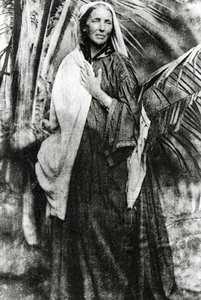
Marianne North
1830 - 1890 , United Kingdom
Datos clave
- Artistas Que Influyeron:
- Edward Lear
- Charles Darwin
- Fecha De Muerte: 30 de agosto de 1890
- Fecha De Nacimiento: 24 de octubre de 1830
- Lugar De Nacimiento: Hastings, Reino Unido
- Movimiento Artístico: Naturalismo Victoriano
- Nacionalidad: Británica
- Nombre Completo: Marianne North
- Obras Notables:
- Hojas, Flores y Fruta del Cajú
- Elefantes
- Peces Exóticos
- Insecto Hoja
Artículos relacionados

Acuarelas Legendarias: 10 Obras Maestras que Transformaron el Arte | ArtsDot
Descubre 10 acuarelas legendarias de Turner, Monet y Sargent que revolucionaron el arte. Explora la historia, técnica y belleza de estas obras maestras impresionistas y románticas. Reproducciones de museo en ArtsDot.com.

Marcos de Elegancia: Una Guía Integral para Seleccionar Marcos que Realcen Estilos Interiores y el Valor Artístico
Guía completa para elegir el marco perfecto y realzar tus obras de arte. Expertos en restauración, materiales premium y asesoramiento personalizado. ¡Descubre cómo proteger y valorar tu colección!

Ephemeral Visions: Exploring the Artistic Legacy & Contemporary Practice of Watercolor Painting
Explore the captivating world of watercolor painting! Discover its rich history, essential techniques, influential artists & collecting tips. A comprehensive guide for art enthusiasts from ArtsDot.

The Frame as Argument: An Expert Guide to Selecting the Perfect Frame for Your Art
Master the art of presentation with our expert guide on choosing the perfect frame. Learn how to enhance your artwork's value, complement your interior design, and ensure long-term preservation through professional framing techniques for collectors and enthusiasts alike.

Visiones Efímeras: Historia y Resonancia Emocional de la Pintura Acuarela
Descubre la fascinante historia de la acuarela, desde sus orígenes hasta su expresión contemporánea. Explora técnicas, artistas clave como Paul Klee y encuentra reproducciones de alta calidad en ArtsDot.