 Ver en contexto
 Enviar
 Compartir
 Detalles

 Descargar
 Similares
 Radiografía
 Presentación de diapositivas
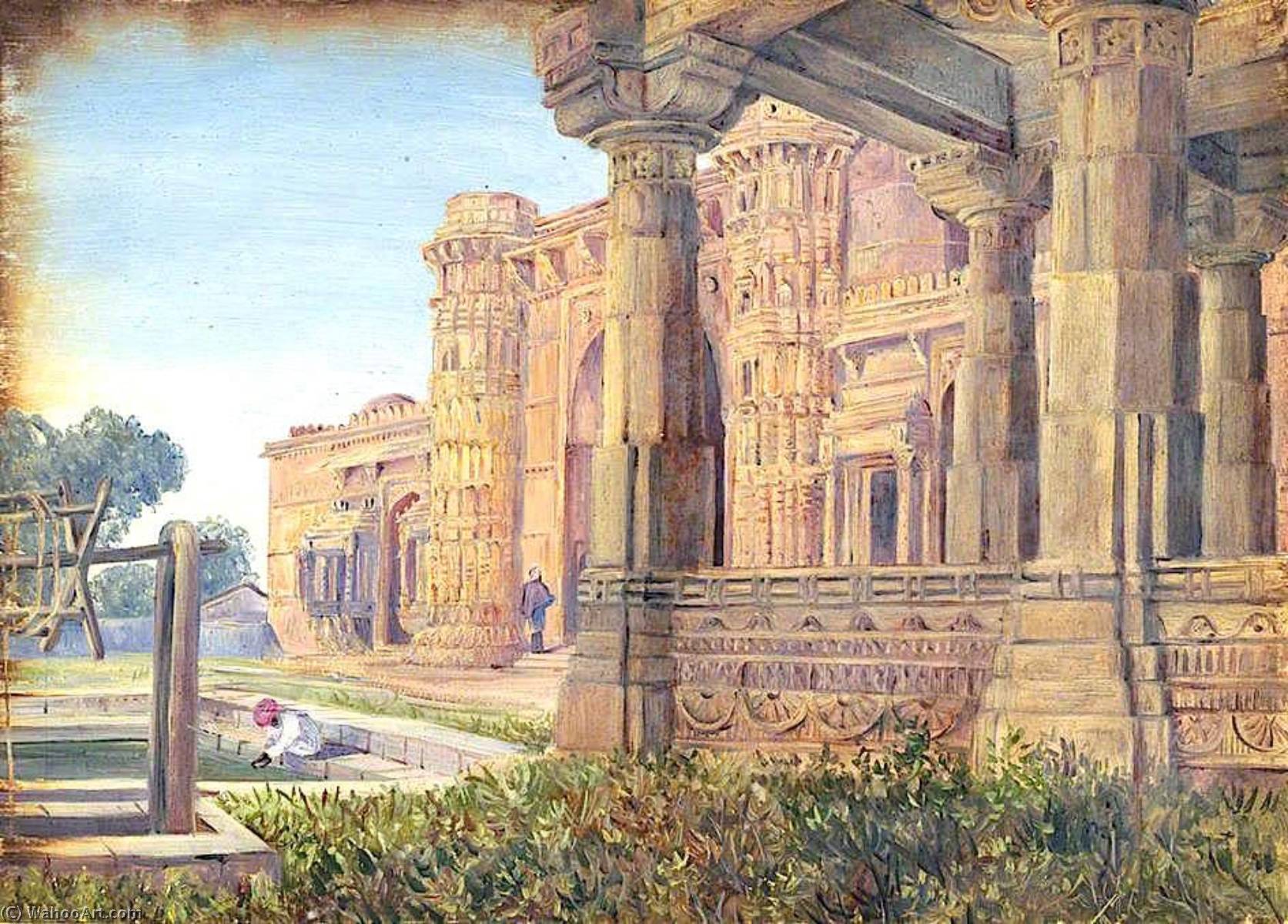
Mosques of the Queen, Ahmedebad


 Ver más
Reproducción al óleo hecha a mano
Óleo sobre lienzo pintado a mano en el tamaño y marco de su elección, realizado por encargo por nuestros artistas. ( Comprar impresión Comprar imagen)




P118B $10

P118H $10

P118W $10

P438Z $10

P508JH $12

P508YH $12

P805H $10

P805Z $10

P919BZ $10

P919G $10

P919XJ $10

P959ZH $10

P968JZ $12

W106C $8

W218G $10

W218JH $8

W218Y $10

W307PJ $10

W316G $10

W316PJ $8

W316Y $10

W398PJ $8

W4111J $10

W500HY $15

W500JH $15

W692G $12

W849H $8

W940BG $15

W953PJ $8




Elija entre nuestros tamaños predefinidos que respetan las proporciones originales de la obra.

Puede ingresar sus propias dimensiones para adaptarse a un marco o espacio específico. Si el tamaño seleccionado no coincide con las proporciones de la imagen original, recortaremos la obra o extenderemos la pintura con elementos adicionales pintados a mano. Se le enviará una maqueta digital para su aprobación antes de comenzar la producción.
Tenga en cuenta que la vista previa en pantalla no refleja el recorte o la extensión reales. Solo la maqueta mostrará con precisión la composición final.
Si bien existen tamaños personalizados, recomendamos seleccionar una dimensión de la lista predefinida para preservar las proporciones originales.
Tras realizar el pedido, el equipo de ArtsDot.com enviará un correo electrónico al cliente para solicitar instrucciones y proporcionarle una vista previa del boceto.
Envío a todo el mundo () en 3-4 semanas en lugar de las 5 semanas estándar. (25 agosto). Sin comprometer la calidad.

Envío exprés gratuito a todo el mundo

Lienzo de lino de alta calidad

Seguro de envío total

Garantía de reembolso de impuestos aduaneros

Garantía de fidelidad cromática exacta

Política de devolución de 60 días (solo por defectos)

Garantía de devolución del 100% del dinero

Descuento por cantidad
 La opción de vidrio solo está disponible en tamaños inferiores a 110 cm.

Mosques of the Queen, Ahmedebad
Técnica de reproducción
Dimensiones de la reproducción
-


Precio total final
$ 263
Descripción de la obra
A Journey Through Time and Stone
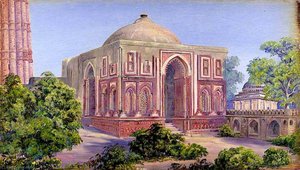
In the evocative watercolor Mosques of the Queen, Ahmedabad, created in 1889, the viewer is transported to a realm where architectural grandeur meets the relentless, gentle reclamation of nature. The artwork presents a monumental structure that commands the landscape, its intricate stonework and soaring arches serving as a silent testament to a bygone era of imperial splendor. As one’s gaze wanders through the composition, a winding pathway draws the eye toward the heart of this ancient complex, flanked by a lush, verdant tapestry of foliage that seems to pulse with life. The presence of a solitary figure near a well in the foreground adds a poignant layer of human scale, grounding the epic architecture in a moment of quiet, everyday existence. It is a scene that captures not just a place, but a profound sense of atmosphere—a delicate balance between the permanence of man-made monuments and the ephemeral beauty of the natural world.
The technique employed by Marianne North reveals her masterful command over the watercolor medium, utilizing soft, diffused lighting to breathe life into every texture. There is a remarkable tactile quality to the piece; one can almost feel the weathered grain of the ancient columns and the damp, cool air of the overgrown garden. Through the skillful use of atmospheric perspective, North creates an immense sense of depth, allowing the architectural elements to recede gracefully into a soft, hazy distance. The artist’s hand is evident in the fine, precise lines that define the geometric rigor of the mosque's construction, contrasted beautifully against the organic, flowing shapes of the encroaching vegetation. This interplay of structure and spontaneity creates a visual rhythm that keeps the eye moving, discovering new details within the shadows and highlights of the foliage.
Beyond its aesthetic brilliance, the painting serves as a profound meditation on the passage of time. Symbolically, the mosque stands as an icon of power, history, and human ambition, yet its integration with the wild, untamed garden suggests the inevitable cycle of decay and rebirth. To the collector or interior designer, this piece offers more than mere decoration; it provides a window into the Victorian spirit of exploration and botanical curiosity. It is an ideal centerpiece for a space that seeks to evoke themes of nostalgia, worldliness, and quiet contemplation. Whether placed in a sunlit library or a sophisticated contemporary gallery, this reproduction brings with it the soul of 19th-century adventure, inviting anyone who views it to lose themselves in the timeless beauty of Ahmedabad’s storied past.
Obras relacionadas
Biografía del artista
Marianne North: Una Vida en Arte Botánico
Primeros Años y Formación
- Nacida el 24 de octubre de 1830 en Hastings, Reino Unido, Marianne North fue la hija mayor de una familia acomodada propietaria de tierras.
- Su vida temprana incluyó formación como cantante bajo Charlotte Helen Sainton-Dolby. Sin embargo, sus aspiraciones vocales fueron truncadas por problemas de salud.
- Tras este revés, se dedicó a la pintura de flores, que se convertiría en su pasión y foco definitorio de su carrera.
Viajes Extensos y Descubrimientos Botánicos
- Marianne North emprendió extensos viajes por todo el mundo, comenzando en sus 40 años – un esfuerzo notablemente independiente para una mujer victoriana.
- Sus viajes la llevaron a Siria, el Nilo, Sicilia, Canadá, Estados Unidos, Jamaica, Brasil, Tenerife, California, Japón, Borneo, Java, Ceylon (Sri Lanka), India, Australia y Nueva Zelanda.
- Estos viajes no fueron meras visitas turísticas; documentó meticulosamente la flora de cada región a través de detalladas pinturas botánicas.
- Descubrió numerosas especies vegetales durante sus expediciones, contribuyendo significativamente al conocimiento botánico.
Estilo Artístico y Desarrollo
- El estilo artístico de North se caracteriza por su realismo detallado y vibrante paleta de colores.
- Trabajó principalmente en óleo, creando pinturas que capturaban la esencia de las plantas y paisajes exóticos con notable precisión.
- Su enfoque fue en gran medida autodidacta; desarrolló sus habilidades a través de la observación y la práctica durante sus viajes.
- Si bien no se alineaba formalmente con un movimiento artístico específico, su obra refleja elementos del naturalismo victoriano e ilustración científica.
Obras Notables y la Galería de Kew
- Algunas de sus obras más celebradas incluyen Foliaje, Flores y Fruta del Cajú, Tanjore, India, Elefantes, Peces Exóticos y Insecto Hoja.
- Reconociendo la importancia de su colección, Marianne North donó aproximadamente 800 pinturas a los Jardines Botánicos Reales de Kew.
- En 1882, se construyó una galería dedicada en Kew específicamente para albergar su obra – la Galería Marianne North. Esta sigue siendo una atracción popular hoy en día.
Legado e Importancia Histórica
- Marianne North desafió las expectativas victorianas convencionales para las mujeres al perseguir una carrera artística profesional y viajes independientes.
- Sus pinturas proporcionan documentación valiosa de la vida vegetal del mundo durante el siglo XIX, sirviendo como arte y registro científico.
- La restauración de la Galería Marianne North en Kew en 2008 puso de manifiesto su perdurable legado e importancia para la botánica y el arte.
- Es recordada como una pionera artista botánica y un espíritu aventurero que desafió las normas sociales para perseguir sus pasiones.
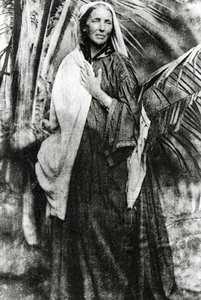
Marianne North
1830 - 1890 , United Kingdom
Datos clave
- Artistas Que Influyeron:
- Edward Lear
- Charles Darwin
- Fecha De Muerte: 30 de agosto de 1890
- Fecha De Nacimiento: 24 de octubre de 1830
- Lugar De Nacimiento: Hastings, Reino Unido
- Movimiento Artístico: Naturalismo Victoriano
- Nacionalidad: Británica
- Nombre Completo: Marianne North
- Obras Notables:
- Hojas, Flores y Fruta del Cajú
- Elefantes
- Peces Exóticos
- Insecto Hoja
Artículos relacionados
Marianne North: Las 25 Obras Maestras de una Artista Victoriana en ArtsDot
Descubre las 25 obras maestras de Marianne North, la artista victoriana que capturó la belleza exótica de la botánica. Pinturas vibrantes y llenas de historia. Reproducciones de arte exclusivas en ArtsDot.com.

Acuarelas Legendarias: 10 Obras Maestras que Transformaron el Arte | ArtsDot
Descubre 10 acuarelas legendarias de Turner, Monet y Sargent que revolucionaron el arte. Explora la historia, técnica y belleza de estas obras maestras impresionistas y románticas. Reproducciones de museo en ArtsDot.com.

Ephemeral Visions: Exploring the Artistic Legacy & Contemporary Practice of Watercolor Painting
Explore the captivating world of watercolor painting! Discover its rich history, essential techniques, influential artists & collecting tips. A comprehensive guide for art enthusiasts from ArtsDot.

Visiones Efímeras: Historia y Resonancia Emocional de la Pintura Acuarela
Descubre la fascinante historia de la acuarela, desde sus orígenes hasta su expresión contemporánea. Explora técnicas, artistas clave como Paul Klee y encuentra reproducciones de alta calidad en ArtsDot.
Ephemeral Visions: Exploring the Artistic Legacy & Nuances of Watercolor Painting
Explore the captivating world of watercolor painting! Discover its rich history, essential techniques, influential artists & collecting tips from art experts. A comprehensive guide for enthusiasts.