 Ver en contexto
 Enviar
 Compartir
 Detalles

 Descargar
 Similares
 Radiografía
 Presentación de diapositivas
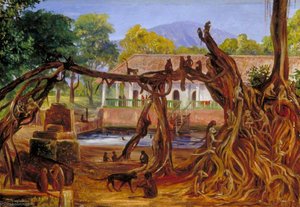
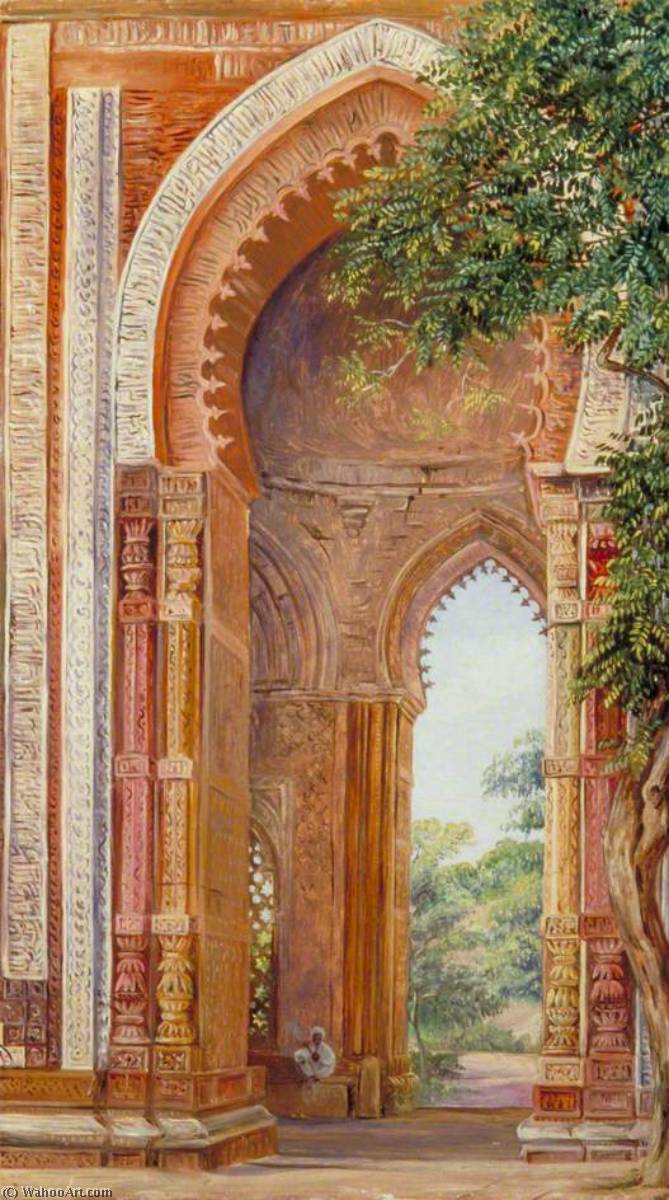
Tumba de Ali ud Deen y el árbol de Neem, Delhi


 Ver más
Reproducción al óleo hecha a mano
Óleo sobre lienzo pintado a mano en el tamaño y marco de su elección, realizado por encargo por nuestros artistas. ( Comprar impresión Comprar imagen)




P118B $10

P118H $10

P118W $10

P438Z $10

P508JH $12

P508YH $12

P805H $10

P805Z $10

P919BZ $10

P919G $10

P919XJ $10

P959ZH $10

P968JZ $12

W106C $8

W218G $10

W218JH $8

W218Y $10

W307PJ $10

W316G $10

W316PJ $8

W316Y $10

W398PJ $8

W4111J $10

W500HY $15

W500JH $15

W692G $12

W849H $8

W940BG $15

W953PJ $8




Elija entre nuestros tamaños predefinidos que respetan las proporciones originales de la obra.

Puede ingresar sus propias dimensiones para adaptarse a un marco o espacio específico. Si el tamaño seleccionado no coincide con las proporciones de la imagen original, recortaremos la obra o extenderemos la pintura con elementos adicionales pintados a mano. Se le enviará una maqueta digital para su aprobación antes de comenzar la producción.
Tenga en cuenta que la vista previa en pantalla no refleja el recorte o la extensión reales. Solo la maqueta mostrará con precisión la composición final.
Si bien existen tamaños personalizados, recomendamos seleccionar una dimensión de la lista predefinida para preservar las proporciones originales.
Tras realizar el pedido, el equipo de ArtsDot.com enviará un correo electrónico al cliente para solicitar instrucciones y proporcionarle una vista previa del boceto.
Envío a todo el mundo () en 3-4 semanas en lugar de las 5 semanas estándar. (1 septiembre). Sin comprometer la calidad.

Envío exprés gratuito a todo el mundo

Lienzo de lino de alta calidad

Seguro de envío total

Garantía de reembolso de impuestos aduaneros

Garantía de fidelidad cromática exacta

Política de devolución de 60 días (solo por defectos)

Garantía de devolución del 100% del dinero

Descuento por cantidad
 La opción de vidrio solo está disponible en tamaños inferiores a 110 cm.

Tumba de Ali ud Deen y el árbol de Neem, Delhi
Técnica de reproducción
Dimensiones de la reproducción
-


Precio total final
$ 263
A Moment of Serenity in Delhi: Marianne North’s ‘Tomb of Ali ud Deen and Neem Tree’
This exquisite hand-painted reproduction captures the essence of Marianne North's extraordinary journey – a Victorian woman who defied convention to become one of the world’s foremost botanical artists. Painted in 1878, “Tomb of Ali ud Deen and Neem Tree” offers a poignant glimpse into the burgeoning landscape of Delhi, India, a city undergoing significant transformation during the late nineteenth century. The scene unfolds around an intricately carved archway, likely leading to the tomb of Ali ud Deen, a prominent figure in Mughal history. North’s meticulous attention to detail transports us to a moment of quiet contemplation amidst the bustling activity of the era.
- Subject Matter: The painting depicts not just an architectural marvel but also a symbolic intersection – the meeting point of historical legacy and natural beauty.
- Composition: Two figures, positioned thoughtfully within the frame, suggest a narrative of observation and appreciation. Their placement subtly guides the viewer’s eye through the scene, emphasizing the grandeur of the archway and the tranquility of the surrounding landscape.
Marianne North's Unique Artistic Vision
Marianne North’s artistic approach was profoundly shaped by her experiences as a self-taught botanist and explorer. Unlike many artists of her time who relied solely on sketches or preparatory drawings, North meticulously observed and documented the flora she encountered during her extensive travels – a journey that spanned over six continents. This firsthand knowledge is vividly apparent in “Tomb of Ali ud Deen and Neem Tree,” where the rendering of the neem tree itself speaks volumes about North’s scientific curiosity and artistic skill. The painting exemplifies her signature style: a vibrant, almost jewel-like quality achieved through layering translucent glazes – a technique borrowed from the Flemish masters but adapted to capture the nuances of color in botanical subjects.
Technique: North employed a layered glazing technique, building up colour gradually to achieve luminous effects and rich tonal variations. This method, reminiscent of the Flemish School, allowed for exceptional depth and realism within her floral depictions. The delicate carving on the archway is rendered with remarkable precision, showcasing her observational skills and artistic control.Symbolism and Historical Context
The inclusion of the neem tree holds significant symbolic weight in Indian culture. Revered as a sacred plant, it’s associated with purity, longevity, and healing – qualities that would have resonated deeply within the context of the tomb's construction and subsequent veneration. The archway itself represents a transition—a passage between life and death, earthly concerns and spiritual contemplation. Painted during a period of British colonial influence in India, North’s work reflects both an appreciation for local traditions and a Western artistic sensibility. Her detailed depictions of Indian landscapes and architecture contributed to the burgeoning field of Orientalism, albeit viewed through the lens of a passionate observer rather than a detached colonizer.
Historical Context: The late Victorian era was marked by a surge in exploration and scientific discovery. Marianne North’s travels were fueled by this spirit of adventure, as well as her desire to document the world's botanical diversity. Her work provides a valuable record of India during a period of significant social and political change.Emotional Impact and Artistic Value
"Tomb of Ali ud Deen and Neem Tree" is more than just a beautiful painting; it’s a testament to human curiosity, resilience, and the enduring power of art. The scene evokes a sense of peace and wonder, inviting viewers to contemplate the beauty of nature and the legacy of history. This hand-painted reproduction offers an unparalleled opportunity to own a piece of art that embodies Marianne North's extraordinary life and artistic vision – a timeless treasure for any discerning collector or interior designer seeking to infuse their space with elegance and inspiration.
Obras relacionadas
Biografía del artista
Marianne North: Una Vida en Arte Botánico
Primeros Años y Formación
- Nacida el 24 de octubre de 1830 en Hastings, Reino Unido, Marianne North fue la hija mayor de una familia acomodada propietaria de tierras.
- Su vida temprana incluyó formación como cantante bajo Charlotte Helen Sainton-Dolby. Sin embargo, sus aspiraciones vocales fueron truncadas por problemas de salud.
- Tras este revés, se dedicó a la pintura de flores, que se convertiría en su pasión y foco definitorio de su carrera.
Viajes Extensos y Descubrimientos Botánicos
- Marianne North emprendió extensos viajes por todo el mundo, comenzando en sus 40 años – un esfuerzo notablemente independiente para una mujer victoriana.
- Sus viajes la llevaron a Siria, el Nilo, Sicilia, Canadá, Estados Unidos, Jamaica, Brasil, Tenerife, California, Japón, Borneo, Java, Ceylon (Sri Lanka), India, Australia y Nueva Zelanda.
- Estos viajes no fueron meras visitas turísticas; documentó meticulosamente la flora de cada región a través de detalladas pinturas botánicas.
- Descubrió numerosas especies vegetales durante sus expediciones, contribuyendo significativamente al conocimiento botánico.
Estilo Artístico y Desarrollo
- El estilo artístico de North se caracteriza por su realismo detallado y vibrante paleta de colores.
- Trabajó principalmente en óleo, creando pinturas que capturaban la esencia de las plantas y paisajes exóticos con notable precisión.
- Su enfoque fue en gran medida autodidacta; desarrolló sus habilidades a través de la observación y la práctica durante sus viajes.
- Si bien no se alineaba formalmente con un movimiento artístico específico, su obra refleja elementos del naturalismo victoriano e ilustración científica.
Obras Notables y la Galería de Kew
- Algunas de sus obras más celebradas incluyen Foliaje, Flores y Fruta del Cajú, Tanjore, India, Elefantes, Peces Exóticos y Insecto Hoja.
- Reconociendo la importancia de su colección, Marianne North donó aproximadamente 800 pinturas a los Jardines Botánicos Reales de Kew.
- En 1882, se construyó una galería dedicada en Kew específicamente para albergar su obra – la Galería Marianne North. Esta sigue siendo una atracción popular hoy en día.
Legado e Importancia Histórica
- Marianne North desafió las expectativas victorianas convencionales para las mujeres al perseguir una carrera artística profesional y viajes independientes.
- Sus pinturas proporcionan documentación valiosa de la vida vegetal del mundo durante el siglo XIX, sirviendo como arte y registro científico.
- La restauración de la Galería Marianne North en Kew en 2008 puso de manifiesto su perdurable legado e importancia para la botánica y el arte.
- Es recordada como una pionera artista botánica y un espíritu aventurero que desafió las normas sociales para perseguir sus pasiones.
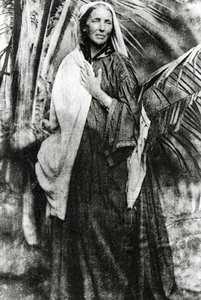
Marianne North
1830 - 1890 , United Kingdom
Datos clave
- Artistas Que Influyeron:
- Edward Lear
- Charles Darwin
- Fecha De Muerte: 30 de agosto de 1890
- Fecha De Nacimiento: 24 de octubre de 1830
- Lugar De Nacimiento: Hastings, Reino Unido
- Movimiento Artístico: Naturalismo Victoriano
- Nacionalidad: Británica
- Nombre Completo: Marianne North
- Obras Notables:
- Hojas, Flores y Fruta del Cajú
- Elefantes
- Peces Exóticos
- Insecto Hoja
Artículos relacionados
Marianne North: Las 25 Obras Maestras de una Artista Victoriana en ArtsDot
Descubre las 25 obras maestras de Marianne North, la artista victoriana que capturó la belleza exótica de la botánica. Pinturas vibrantes y llenas de historia. Reproducciones de arte exclusivas en ArtsDot.com.
El Floreciente Lienzo: Un Viaje Histórico a Través de la Ilustración Botánica
Descubre la fascinante historia de la ilustración botánica, desde sus orígenes científicos hasta su renacimiento artístico actual. Técnicas, artistas y recursos para amantes del arte y la naturaleza.
El Detalle Evocador de la Naturaleza: Una Historia de la Ilustración Naturalista
Descubre la historia de la ilustración naturalista y sus maestros artistas. Explora obras botánicas detalladas, desde herbarios medievales hasta las pinturas de flores de Van Kessel y Eaton. ¡Inspírate en el arte y la ciencia!
Los 10 Maestros del Realismo Académico: Obras que Marcaron la Historia del Arte
Descubre los 10 lienzos más emblemáticos del Realismo Académico. Explora la historia, técnica y belleza de obras maestras de Bouguereau, Gérôme y Cabanel. Encuentra reproducciones de arte clásico en ArtsDot.com.
Blossoms of Time: A Historical Journey Through Flower Painting
Explore the captivating history of flower painting! Discover Dutch masters, symbolic meanings, & botanical art. Expert insights & high-quality reproductions at ArtsDot.