 Ver en contexto
 Enviar
 Compartir
 Detalles

 Descargar
 Similares
 Radiografía
 Presentación de diapositivas
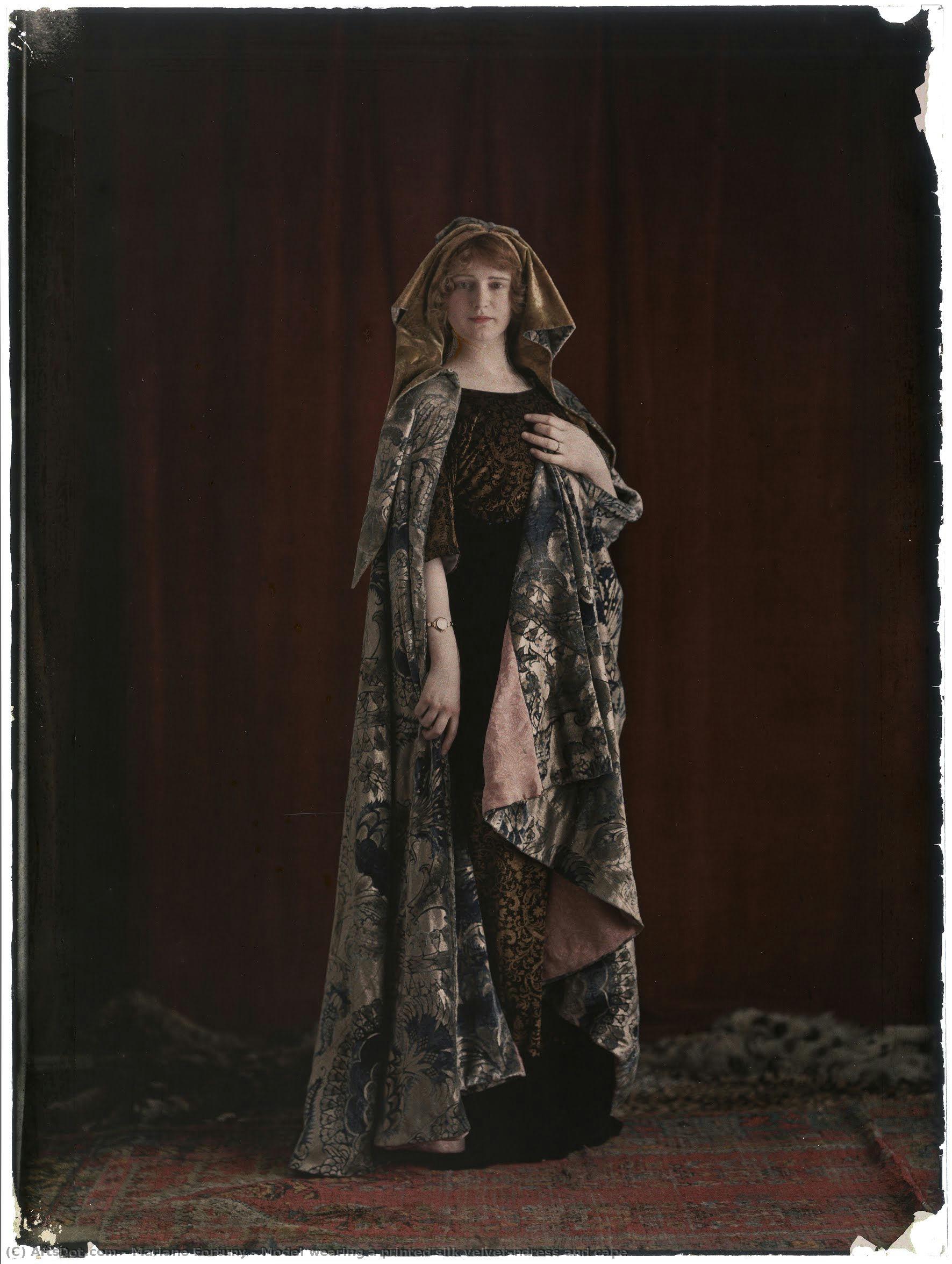
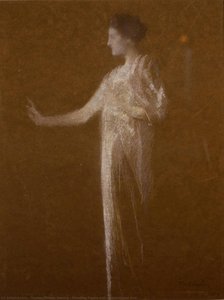
Model wearing a printed silk velvet\ndress and cape
 Acrylic On Canvas
- WallArt
- Fortuny Aesthetic
 1915
1915 24.0 x 18.0 cm
 Palazzo Fortuny
 Ver más
Giclée / Impresión de arte
Impresiones giclée o en lienzo de calidad de museo con producción rápida y opciones de acabado flexibles. ( Comprar pintura hecha a mano Comprar imagen)




P118B $10

P118H $10

P118W $10

P438Z $10

P508JH $12

P508YH $12

P805H $10

P805Z $10

P919BZ $10

P919G $10

P919XJ $10

P959ZH $10

P968JZ $12

W106C $8

W218G $10

W218JH $8

W218Y $10

W307PJ $10

W316G $10

W316PJ $8

W316Y $10

W398PJ $8

W4111J $10

W500HY $15

W500JH $15

W692G $12

W849H $8

W940BG $15

W953PJ $8




Elija entre nuestros tamaños predefinidos que respetan las proporciones originales de la obra.

Puede introducir sus propias dimensiones para adaptarse a un marco o espacio específico. Si el tamaño seleccionado no coincide con las proporciones de la imagen original, recortaremos la obra de arte o extenderemos la imagen con un borde con efecto espejo o de color sólido. Se enviará una maqueta digital para su aprobación antes de que comience la producción.
Tenga en cuenta que la vista previa en pantalla no refleja el recorte o la extensión real. Solo la maqueta mostrará con precisión la composición final.
Aunque existen tamaños personalizados, recomendamos seleccionar una dimensión de la lista predefinida para preservar las proporciones originales.
Envío a todo el mundo () en 2 semanas en lugar de las 4/5 semanas estándar. (27 agosto)

Envío exprés gratuito a todo el mundo

Lienzo de lino de alta calidad

Seguro de envío total

Garantía de reembolso de impuestos aduaneros

Garantía de fidelidad cromática exacta

Política de devolución de 60 días (solo por defectos)

Garantía de devolución del 100% del dinero

Descuento por cantidad
 La opción de vidrio solo está disponible en tamaños inferiores a 110 cm.

Model wearing a printed silk velvet\ndress and cape
Giclée / Impresión de arte
Dimensiones de la reproducción
-


Precio total final
$ 62
A Glimpse of Venetian Grandeur: Mariano Fortuny’s “Model Wearing a Printed Silk Velvet Dress and Cape”
Mariano Fortuny’s 1915 photograph, "Model wearing a printed silk velvet dress and cape," is more than just a portrait; it's a meticulously constructed tableau vivant, a frozen moment of theatrical elegance captured within the opulent walls of Palazzo Fortuny in Venice. The image, rendered in stark black and white, immediately draws the viewer into a world of refined beauty and subtle mystery, hinting at a bygone era of lavish performances and aristocratic intrigue. It’s a piece that speaks volumes about Fortuny's revolutionary approach to design and his profound understanding of light, texture, and the evocative power of costume.
Fortuny’s genius lay in his ability to synthesize disparate artistic disciplines – painting, photography, sculpture, architecture, and stage lighting – into a cohesive and utterly unique aesthetic. He wasn't simply a fashion designer; he was a visionary creator who fundamentally altered the landscape of theatrical production. His “fortuny cyclorama dome,” a groundbreaking invention, allowed for seamless transitions between scenes through the strategic use of reflected light, creating an immersive experience previously unattainable. This photograph exemplifies that philosophy perfectly. The deliberate composition, with its dramatic red curtain acting as both backdrop and symbolic barrier, echoes Fortuny’s theatrical innovations.
The Fabric of Illusion: Technique and Materiality
The photograph itself is a testament to Fortuny's mastery of photographic technique. He employed a complex system of mirrors and reflectors to achieve the soft, diffused lighting that characterizes the image – a deliberate departure from the harsh realities of direct sunlight. This careful manipulation of light creates an atmosphere of dreamlike serenity, bathing the model in a gentle glow. The velvet dress and cape, rendered with exquisite detail, are not merely fabrics; they’re embodiments of luxury and sophistication. Fortuny's meticulous attention to texture – the subtle sheen of the silk, the plushness of the velvet – invites tactile exploration, even through the static image.
The choice of a printed silk velvet is particularly significant. Fortuny was renowned for his innovative use of printed fabrics, often mimicking the appearance of natural materials like damask or brocade. This technique allowed him to create elaborate designs and textures at scale, essential for the vast cyclorama domes he designed for theaters across Europe. The print itself – a delicate floral pattern – adds another layer of visual complexity, hinting at the intricate craftsmanship involved in creating Fortuny’s theatrical worlds.
A Portrait of an Era: Historical Context and Symbolism
The photograph's setting within Palazzo Fortuny, a former residence and studio of the artist himself, is crucial to understanding its historical context. The palazzo was a hub of artistic activity during this period, serving as both a home and a workshop for Fortuny’s creative endeavors. The image captures a moment in time when Venice was experiencing a resurgence of cultural significance, fueled by tourism and a renewed interest in the city's rich artistic heritage. The woman depicted embodies the elegance and sophistication associated with Venetian society at the turn of the 20th century.
Furthermore, the costume itself carries symbolic weight. The long dress and cape evoke images of classical Greek goddesses or Renaissance courtesans – figures of beauty, grace, and mystery. The red curtain, a recurring motif in Fortuny’s work, represents both the stage and the threshold between reality and illusion. It suggests that the model is not simply posing for a photograph but rather stepping into a theatrical performance, becoming a character within a larger narrative.
Timeless Elegance: Emotional Impact and Legacy
"Model wearing a printed silk velvet dress and cape" transcends its status as a simple portrait; it’s an invitation to step back in time and experience the allure of Venetian grandeur. The photograph's quiet elegance, combined with Fortuny’s masterful manipulation of light and texture, creates a deeply evocative image that continues to captivate viewers today. It speaks to our enduring fascination with beauty, artistry, and the power of illusion – qualities that remain central to Fortuny’s legacy as one of the most innovative and influential designers of the modern era.
Reproductions of this iconic photograph offer a remarkable opportunity to bring Fortuny's vision into contemporary interiors. The rich textures and subtle color palette lend themselves beautifully to sophisticated spaces, adding a touch of timeless elegance and theatrical drama. It’s a piece that not only celebrates artistic genius but also invites us to embrace the beauty and mystery of the past.
Obras relacionadas
Biografía del artista
Early Life and Inspiration
Mariano Fortuny y Marsal (Granada, May 11, 1871 – Venice, May 3, 1949) was a Spanish painter, inventor, sculptor, photographer, architect, and theatrical stage lighting designer. His father, Mariano Fortuny y Marsal, was a genre painter who tragically passed away when Mariano was just three years old, profoundly shaping his formative years. This event led to the family’s relocation to Paris, France, where Mariano's mother introduced him to textiles and fabrics—a pivotal influence on his artistic vision. From a young age, Fortuny demonstrated exceptional talent in painting, drawing, and sculpting, showcasing skills that quickly distinguished him from his peers. He studied at the École Supérieure des Beaux-Arts in Paris alongside Jean-Joseph Benjamin-Constant, absorbing stylistic influences that would permeate his subsequent work. His fascination with Richard Wagner’s operas fueled his artistic explorations and inspired him to delve into theatrical design—a passion he pursued relentlessly throughout his life.Artistic Talents and Inventions
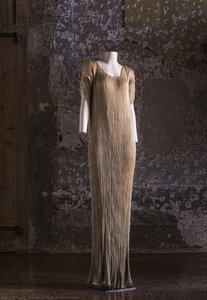
Fortuny's artistic prowess extended beyond painting; he mastered diverse mediums, including photography, sculpture, architecture, etching, and theatrical stage lighting. He revolutionized theater design with the invention of the fortuny cyclorama dome, a quarter dome constructed of plaster or cloth that utilized indirect lighting to create seamless transitions between scenes—a groundbreaking technique that dramatically enhanced visual impact. His treatise “Éclairage scénique” (1904) meticulously documented his discovery of reflecting light off different surfaces, altering its color, intensity, and properties—a scientific breakthrough that underpinned his theatrical innovations. Fortuny’s inventive spirit manifested in over twenty patented inventions between 1901 and 1934, transforming various industries and solidifying his reputation as a visionary innovator. Among his most notable achievements was the creation of the “Delphos gown,” a revolutionary textile design featuring intricate pleats that achieved its characteristic undulating texture through a complex mechanical process—a testament to Fortuny’s meticulous craftsmanship and artistic ingenuity.Notable Contributions and Collaborations
Fortuny gained international acclaim in the 1920s, collaborating with prominent figures such as Richard Wagner and Marcel Proust. He served as stage designer for Wagner's operas, adapting his dome specifically for La Scala opera house in Milan—a feat of engineering that ensured its structural integrity during performances. His work profoundly impacted theatrical aesthetics, elevating visual storytelling to new heights. Fortuny’s artistic legacy extends beyond theater; he contributed significantly to the revival of classical motifs and techniques in decorative arts, influencing generations of artists. He collaborated closely with his brother-in-law Raimundo de Madrazo on numerous paintings—a testament to their shared artistic sensibilities and creative partnership.Legacy and Later Life
Mariano Fortuny’s influence resonated throughout his life, culminating in his relocation to Venice in 1911 where he established a studio dedicated to preserving and disseminating his artistic heritage. He continued to experiment with new materials and techniques, pushing the boundaries of artistic expression—a characteristic trait that defined his creative journey. Fortuny's work inspired Marcel Proust’s masterpiece “À la recherche du temps perdu,” capturing the essence of Parisian intellectual life during the Belle Époque. His final years were marked by a dedication to perfecting his craft and honoring his artistic vision—a poignant reminder of his unwavering commitment to excellence. He passed away peacefully in Venice on May 3, 1949, leaving behind an enduring legacy as one of Spain’s most celebrated artists.Selected Paintings by Mariano Fortuny
- Teagown (Museum of Fine Arts, Boston)
- Portrait of Henriette Fortuny
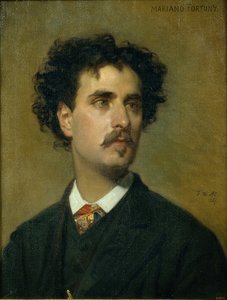
Mariano Fortuny
1871 - 1949 , España
Datos clave
- Artistic Movement Or Style: Orientalism art
- Artists Or Movements Influenced By This Artist: ['Marcel Proust']
- Artists Who Influenced This Artist: ['Richard Wagner']
- Date Of Birth: May 11, 1871
- Date Of Death: May 3, 1949
- Full Name: Mariano Fortuny y Marsal
- Nationality: Spanish
- Notable Artworks:
- Teagown
- Portrait of Henriette Fortuny
- Place Of Birth: Granada, Spain
Artículos relacionados
Mariano Fortuny: A Fusion of Art, Fashion & Design – Exploring a Venetian Innovator's Legacy
Explore the captivating world of Mariano Fortuny – artist, designer & innovator. Discover his revolutionary textiles, iconic Delphos gown, and lasting influence on art, fashion & interiors. A collector's guide to a Venetian master.
Draped Narratives: Fashion as Symbol & Subject in Historical Art
Explore the fascinating history of fashion as a symbol of power & status in art! Discover masterpieces from Gainsborough to Tissot and learn how clothing shaped societal narratives. Find museum-quality reproductions at ArtsDot.

Crimson Threads of Narrative: Exploring Symbolism & Representation in Artworks Featuring the Red Dress
Explore the rich symbolism of the red dress in art history! From ancient power displays to iconic portraits like Cézanne’s 'Madame Cezanne', discover the cultural and artistic significance behind this captivating color. Expert analysis & insights.
Gianfranco Ferré: Deconstructing Haute Couture – A Legacy of Architectural Form
Explore the revolutionary world of Gianfranco Ferré, 'the architect of fashion.' Discover his architectural approach to haute couture, iconic Dior designs, and lasting influence on luxury style. A deep dive for collectors & enthusiasts.
Cristóbal Balenciaga: Deconstructing Haute Couture's Architectural Legacy
Explore the revolutionary world of Cristóbal Balenciaga, the 'couturier's couturier'. Discover his architectural designs, lasting influence on haute couture, and guide to collecting rare pieces. A connoisseur’s resource.