 Ver en contexto
 Enviar
 Compartir
 Detalles

 Descargar
 Similares
 Radiografía
 Presentación de diapositivas
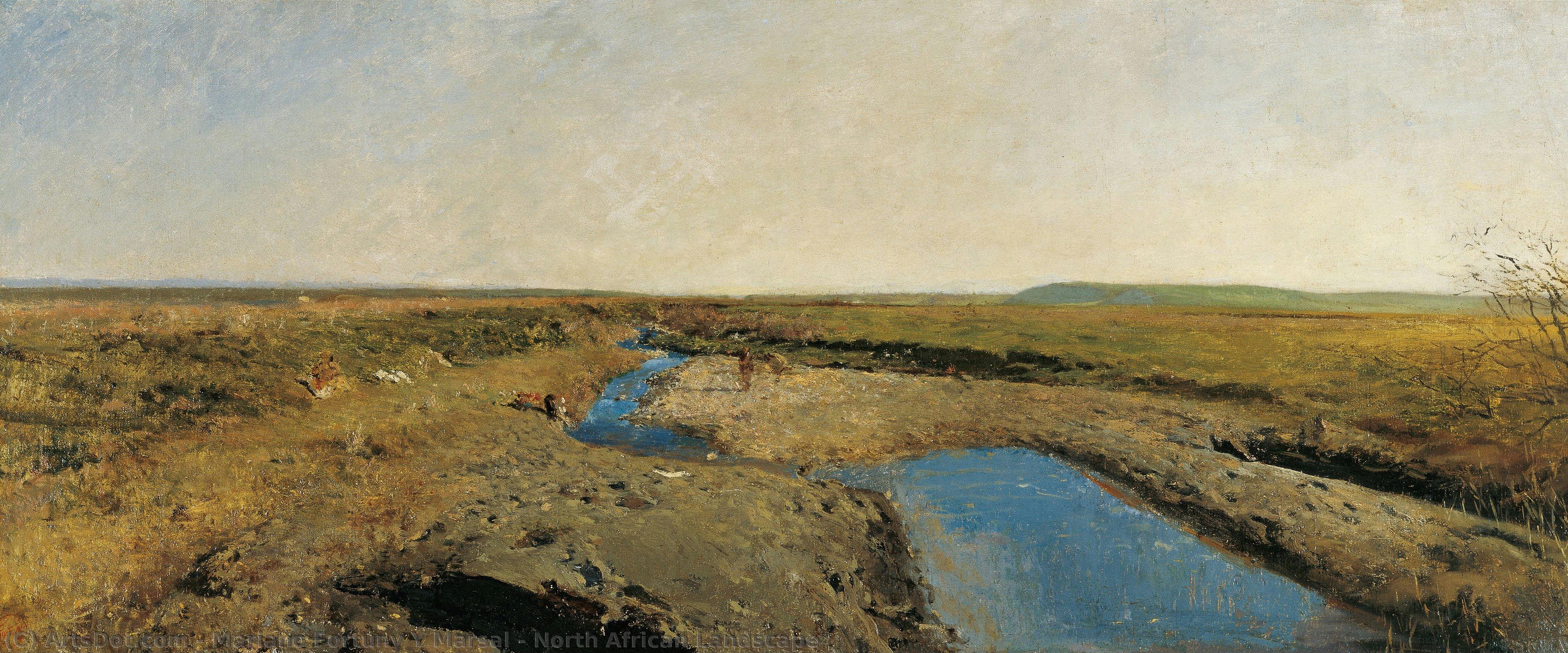
North African Landscape
 Oil
Oil- WallArt
- Orientalism
 19th Century
 122.0 x 51.0 cm
 Museo Carmen Thyssen Málaga
 Ver más
Giclée / Impresión de arte
Impresiones giclée o en lienzo de calidad de museo con producción rápida y opciones de acabado flexibles. ( Comprar pintura hecha a mano Comprar imagen)




P118B $10

P118H $10

P118W $10

P438Z $10

P508JH $12

P508YH $12

P805H $10

P805Z $10

P919BZ $10

P919G $10

P919XJ $10

P959ZH $10

P968JZ $12

W106C $8

W218G $10

W218JH $8

W218Y $10

W307PJ $10

W316G $10

W316PJ $8

W316Y $10

W398PJ $8

W4111J $10

W500HY $15

W500JH $15

W692G $12

W849H $8

W940BG $15

W953PJ $8




Elija entre nuestros tamaños predefinidos que respetan las proporciones originales de la obra.

Puede introducir sus propias dimensiones para adaptarse a un marco o espacio específico. Si el tamaño seleccionado no coincide con las proporciones de la imagen original, recortaremos la obra de arte o extenderemos la imagen con un borde con efecto espejo o de color sólido. Se enviará una maqueta digital para su aprobación antes de que comience la producción.
Tenga en cuenta que la vista previa en pantalla no refleja el recorte o la extensión real. Solo la maqueta mostrará con precisión la composición final.
Aunque existen tamaños personalizados, recomendamos seleccionar una dimensión de la lista predefinida para preservar las proporciones originales.
Envío a todo el mundo () en 2 semanas en lugar de las 4/5 semanas estándar. (27 agosto)

Envío exprés gratuito a todo el mundo

Lienzo de lino de alta calidad

Seguro de envío total

Garantía de reembolso de impuestos aduaneros

Garantía de fidelidad cromática exacta

Política de devolución de 60 días (solo por defectos)

Garantía de devolución del 100% del dinero

Descuento por cantidad
 La opción de vidrio solo está disponible en tamaños inferiores a 110 cm.

North African Landscape
Giclée / Impresión de arte
Dimensiones de la reproducción
-


Precio total final
$ 62
Descripción de la pieza
A Serene Encounter with the Desert Sands
In the evocative masterpiece North African Landscape, Mariano Fortuny y Marsal invites the viewer into a world where time seems to suspend itself amidst the shifting dunes and sun-drenched terrain. The painting captures a breathtaking moment of tranquility, depicting a river that carves its way through a rugged, desert expanse. A rocky pathway serves as a visual guide, leading the eye toward the shimmering water's edge, where life and nature converge in a delicate dance. This is not merely a depiction of geography, but an atmospheric exploration of light and stillness, where the heat of the desert is balanced by the cooling presence of the flowing stream.
The composition is masterfully populated with subtle human elements that breathe life into the vast landscape. Figures are scattered throughout the scene, some gathered near the water in quiet contemplation, while others appear as small, integrated parts of the wider environment. The inclusion of two horses—one positioned near the left periphery and another toward the center—adds a sense of narrative movement and pastoral grace to the work. These elements suggest a momentary pause in a journey, evoking the timeless rhythm of life in North Africa, where the landscape dictates the pace of existence.
The Mastery of Light and Orientalist Spirit
As an artist deeply influenced by his Spanish heritage and his travels through Europe and beyond, Fortuny employs a technique that celebrates the interplay of light and texture. The painting reflects the hallmarks of the Orientalist movement, characterized by a fascination with the exotic landscapes and cultures of North Africa and the Near East. Through delicate brushwork, Fortuny captures the granular quality of the sand and the reflective surface of the river, creating a tactile experience for the observer. His ability to manipulate light allows the sun to appear as if it is warming the very canvas, casting soft shadows that define the rocky outcrops and the contours of the terrain.
For the discerning collector or interior designer, this piece offers more than just visual beauty; it provides a window into a romanticized era of exploration. The emotional impact of the work lies in its profound sense of peace. It is a painting that commands attention through its subtlety rather than through grandiosity, making it an ideal centerpiece for spaces designed for reflection and calm. Whether placed in a sophisticated gallery setting or as a focal point in a luxurious living space, North African Landscape brings an air of worldly elegance and historical depth, serving as a timeless tribute to the enduring allure of the desert.
Obras relacionadas
Biografía del artista
Early Life and Artistic Training
- Mariano José María Bernardo Fortuny y Marsal was born on May 11, 1838, in Reus, Catalonia, Spain—to an artistic family. His father, Mariano Fortuny y Marsal, a genre painter, died when Fortuny was three years old.
- His mother, daughter of Raimundo de Madrazo y Garreta, moved the family to Paris, France, where Fortuny received his early artistic training at Accademia Chigi.
- He showed a talent for painting as well as a passion for textiles from a young age, influenced by his parents’ fascination with materials and their collections of fabrics from various European shops. His father also collected metalwork and armour from previous ages as a hobby.
- As a child he was fascinated with all of these textiles and would dye pieces of material for amusement. This exposure led him to designing and producing his own textiles and dresses.
Travels and Influences
- Fortuny travelled throughout Europe seeking out artists he admired, among them Richard Wagner. He visited Germany where Wagner had built a theater specifically designed to put on his operas.
- He was captivated by Wagner’s work and began to paint scenes for his operas when he returned to Venice. During this time he studied the Museo del Prado’s collection of Spanish painting.
- His artistic vision was shaped by the Impressionists, particularly Eugène Delacroix, whose paintings inspired him to explore new techniques and themes.
Career Highlights: Painting and Stage Lighting Design
- Fortuny won the Prix de Rome in 1858, which enabled him to complete his studies at Rome.
- He accepted a commission to decorate one of the ceilings at the Paris residence of the Duke of Riánsares, resulting in “Queen Marie Christine Inspecting the Troops.”
- He established a successful couture house in 1906 and continued until 1946, producing iconic designs like the Delphos gowns.
- Fortuny invented the fortuny cyclorama dome, a quarter dome shaped structure of plaster or cloth. He installed his dome in la scala opera house in Milan.
Orientalism and Innovation
- He travelled to Morocco again in 1862, reviving his fascination with the Islamic world and exploring its influence on his art.
- Fortuny developed a unique indirect lighting technique using reflectors and fans, which revolutionized theatrical stage lighting design.
- His innovative approach combined meticulous observation of nature with artistic imagination, resulting in works that captured both realism and emotion.
Legacy and Recognition
- Mariano Fortuny’s work was a source of inspiration to Marcel Proust, whose novel “Fortuny” explored the artist's life and creative process.
- His contributions to art history are celebrated worldwide, with his paintings displayed in major museums across Europe and America.
- Fortuny remains remembered as one of Spain’s greatest masters, embodying artistic excellence and innovation throughout his lifetime.
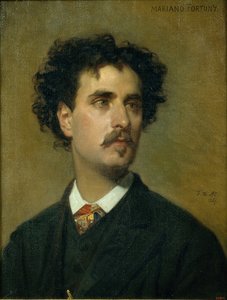
Mariano Fortuny y Marsal
1838 - 1874 , España
Datos clave
- Artistic Movement Or Style: Orientalist Painting
- Artists Or Movements Influenced By This Artist: ['Marcel Proust']
- Artists Who Influenced This Artist:
- Francisco Goya
- Eugène Delacroix
- Date Of Birth: May 11, 1838
- Date Of Death: November 21, 1949
- Full Name: Mariano José María Bernardo Fortuny y Marsal
- Nationality: Spanish
- Notable Artworks:
- The Battle of Tetuan
- Queen Marie Christine Inspecting the Troops
- Place Of Birth: Reus, Catalonia, Spain
Artículos relacionados

John Constable: Las 25 Obras Maestras del Paisaje Inglés | ArtsDot
Descubre las 25 obras maestras de John Constable, el pintor romántico inglés que capturó la belleza del paisaje. Explora su técnica, historia y significado en ArtsDot.com. Reproducciones de arte de alta calidad para tu hogar.

Paisajes Románticos: 10 Obras Maestras que Definieron un Movimiento Artístico
Descubre los 10 paisajes románticos más influyentes de artistas como Caspar David Friedrich y Turner. Explora la belleza, el simbolismo y las técnicas del movimiento romántico. Reproducciones de arte exclusivas en ArtsDot.com.
Los 10 Maestros del Río Hudson: Obras que Definieron un Movimiento Artístico
Descubre los 10 lienzos más emblemáticos de la Escuela del Río Hudson. Explora las obras maestras de Thomas Cole, Church y Bierstadt que capturan la belleza del paisaje americano. Encuentra reproducciones de arte exclusivas en ArtsDot.com.
Serene Visions: Exploring Themes of Tranquility in Art History & Contemporary Practice
Explore the history of serene landscape art & discover artists who evoke tranquility. Find the perfect calming artwork for your home with expert guidance from ArtsDot.

Evocations of Place: A Historical Journey Through Landscape Art
Explore the rich history of landscape art with ArtsDot. Discover renowned artists, movements like Impressionism & Romanticism, and expert guidance for collecting timeless pieces. Find your perfect serene escape today!