

 Ver en contexto
 Enviar
 Compartir
 Detalles

 Descargar
 Similares
 Radiografía
 Presentación de diapositivas
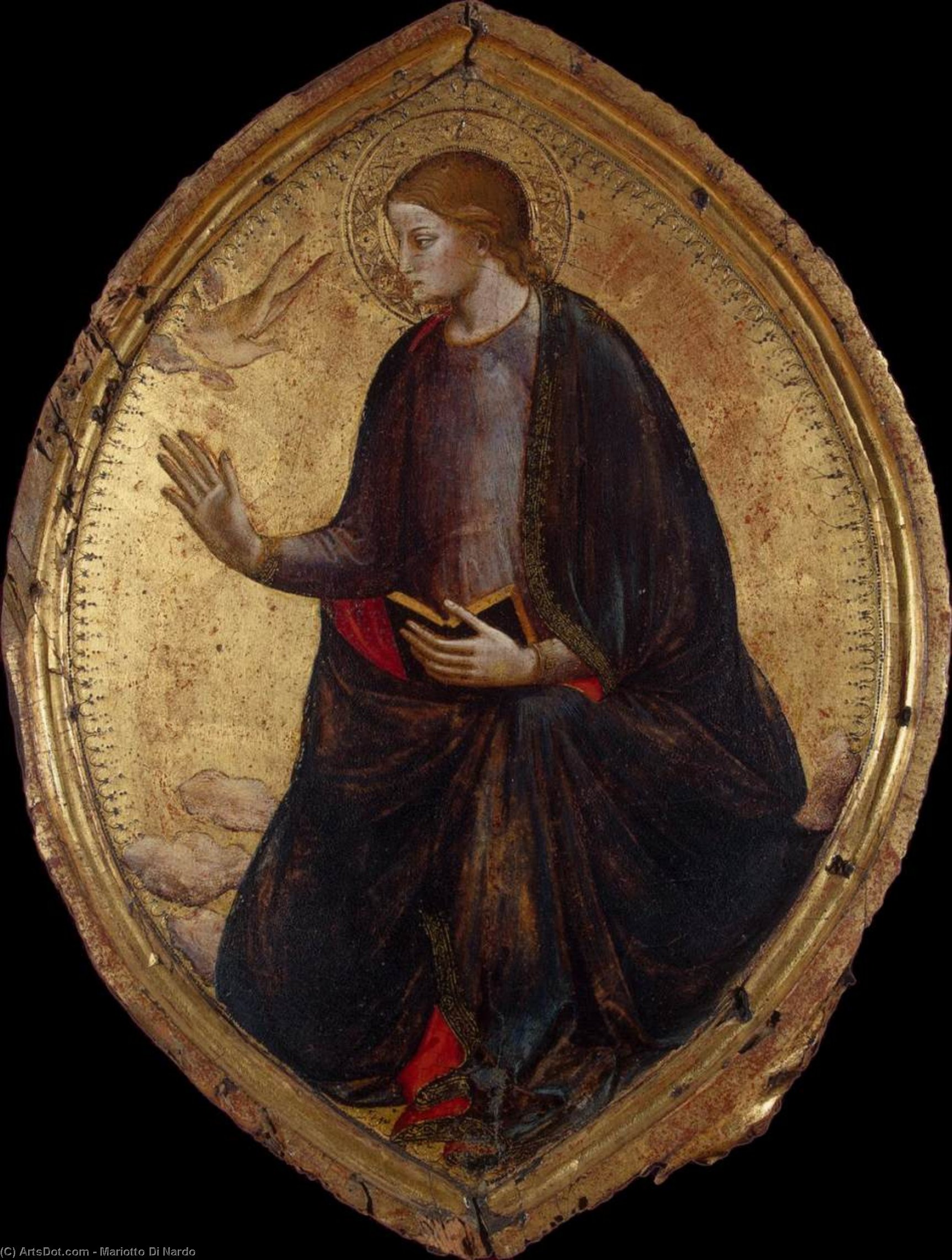
La Virgen Anunciada
 Acrílico sobre lienzo
- Arte de pared
- Gótico florentino
 1400
1400 47.0 x 36.0 cm
 Museo del Hermitage
 Ver más
Adquiera una imagen digital de alta resolución y optimizada, muy superior a la vista previa en línea.
Cada archivo es preparado meticulosamente por nuestros especialistas internos mediante el uso de herramientas avanzadas y un experto retoque manual. Nos aseguramos de que cada imagen posea una claridad excepcional, una precisión cromática impecable y un detalle minucioso.
El archivo final se entrega por correo electrónico en un plazo de 72 horas, optimizado para su uso inmediato en entornos profesionales, editoriales y de impresión. Esta es la misma calidad en la que confían los estudios de diseño, las editoriales y las galerías de primer nivel.
Imagen Digital
Descarga un archivo de alta resolución para exhibición personal, impresión y proyectos creativos. ( Comprar impresión Comprar pintura hecha a mano)
Incluido en cada pedido de imágenes digitales
Entrega digital experta, garantizada.
Al elegir ArtsDot.com, no solo está adquiriendo una imagen; está recibiendo una obra de arte digital mejorada profesionalmente, elaborada con precisión y respaldada por una garantía de satisfacción. Esto es todo lo que incluye su pedido, automáticamente:

Entrega rápida por email
Recibirá su archivo de imagen digital en alta resolución por correo electrónico en un plazo de 72 horas tras realizar su pedido, listo para su uso inmediato.

Archivo digital optimizado por IA
Su obra de arte se optimiza profesionalmente mediante herramientas avanzadas de IA y edición manual, garantizando el máximo detalle, claridad y precisión cromática.

Reenvío gratuito de por vida
¿Has borrado o perdido tu archivo por error? No te preocupes: te lo volveremos a enviar en cualquier momento, sin coste adicional.

Sin gastos de importación, siempre
Disfrute de su obra de arte al instante sin aduanas, aranceles ni gastos de envío; las descargas digitales siempre están libres de impuestos.

Garantía de fidelidad de color
Garantizamos que su imagen digital refleje los colores originales con la mayor fidelidad posible, mediante el uso de herramientas profesionales y gestión del color.

Garantía de satisfacción de 60 días
Si no está satisfecho con su imagen digital, la revisaremos o le reembolsaremos el 100% en un plazo de 60 días, sin preguntas.

100% Garantía de devolución de dinero
¿No está satisfecho? Obtenga un reembolso completo dentro de los 60 días posteriores a la recepción de su archivo digital, sin necesidad de explicaciones.

Descuentos por pedidos grandes
Compra 3 imágenes, ahorra 10% - Compra 5, ahorra 15% - Compra 10+, ahorra 20%. Ideal para proyectos creativos, galerías y agencias.
Descripción del coleccionable
La Virgen Anunciada: Un vistazo florentino al crepúsculo gótico
“La Virgen Anunciada” de Mariotto di Nardo, pintada alrededor del año 1400, ofrece una ventana cautivadora al paisaje artístico de la Florencia del Renacimiento temprano. Más que una simple imagen devocional, representa un momento crucial en la historia del arte: una delicada transición desde la opulenta formalidad de la pintura gótica tardía hacia el naturalismo incipiente y la profundidad psicológica que definirían el siglo XV. Este retrato íntimo de María, sentada en un banco sencillo y sosteniendo un libro, está imbuido de una contemplación silenciosa que dice mucho sobre su papel como receptora de la revelación divina.
Nacido en Florencia hacia 1365, Mariotto di Nardo no fue meramente un seguidor de los estilos establecidos; fue un intérprete y adaptador astuto. Navegó con destreza las corrientes artísticas que lo rodeaban: la grandeza del Duomo, la resonancia espiritual de Santa Maria Maggiore y el orgullo cívico encarnado por Orsanmiente. Su carrera abarcó casi seis décadas, durante las cuales produjo una obra notable caracterizada por un cambio sutil pero significativo en su enfoque. Aunque firmemente arraigado en las tradiciones de sus predecesores, particularmente de Spinello Aretino y Lorenzo Monaco, Mariotto comenzó a introducir elementos que sugerían las innovaciones venideras: una mayor atención al detalle, un uso más matizado de la luz y la sombra, y una exploración naciente de la emoción humana.
Un estudio de detalle y técnica
La notable fidelidad de la pintura es evidente de inmediato. Mariotto plasmó meticulosamente cada elemento con una precisión minuciya, utilizando temple sobre tabla, una técnica que permitía las delicadas capas y los efectos luminosos característicos de su estilo. Los detalles son asombrosos: los pliegues del manto de María, la textura de su libro, la sutil expresión de su rostro; todo contribuye a una sensación de realismo palpable. Nótese, también, la perspectiva oblicua empleada sutilmente en el fondo, una técnica influenciada por artistas como Lorenzo Monaco y que presagia la perspectiva lineal que se volvería central en el arte renacentista. La composición en sí está cuidadosamente equilibrada, dirigiendo la mirada hacia el sereno semblante de María mientras ancla la escena con el banco sencillo y el cielo atmosférico.
El uso del color es contenido pero efectivo. Una paleta tenue, dominada por tonos tierra y azules suaves, crea una sensación de tranquilidad y reverencia. Mariotto evita los contrastes dramáticos, favoreciendo en su lugar gradaciones sutiles que realzan la armonía general de la obra. La ubicación de las dos aves —una cerca de la esquina superior izquierda y otra hacia la parte inferior derecha— añade una capa inesperada de interés visual, conectando sutilmente el reino terrenal con lo divino.
Simbolismo y resonancia espiritual
La imagen es rica en significado simbólico. La postura de María —sentada, contemplativa, sosteniendo un libro— evoca su papel como erudita y receptora del conocimiento divino. El libro mismo representa la sabiduría y las escrituras, resaltando la importancia de la fe y el aprendizaje dentro de la tradición cristiana. Su expresión —una calma gentil y una contemplación silenciosa— sugiere una paz interior y la aceptación de su destino. El entorno, un banco sencillo bajo un cielo vasto, simboliza la humildad y la vulnerabilidad ante Dios.
Además, el enfoque de la pintura en María como una joven que recibe la Anunciación habla del tema perdurable de la gracia divina y el potencial de transformación dentro del espíritu humano. Es un momento de profunda intimidad entre lo terrenal y lo celestial, capturado con una sensibilidad extraordinaria por Mariotto di Nardo.
Una reproducción para su espacio
ArtsDot ofrece reproducciones meticulosamente pintadas a mano de “La Virgen Anunciada”, capturando la esencia de esta exquisita obra de arte. Cada reproducción se crea utilizando materiales de calidad de archivo, asegurando que conservará su belleza y vitalidad durante las generaciones venideras. Ya sea que usted sea un coleccionista de arte, un entusiasta del diseño o simplemente busque una pieza de elegancia atemporal para adornar su hogar u oficina, nuestras reproducciones proporcionan una forma auténtica y accesible de experimentar el profundo arte de Mariotto di Nardo. Considere cómo esta imagen serena puede aportar una sensación de paz y contemplación a su entorno: un recordatorio sutil de la fe, la sabiduría y la belleza perdurable del espíritu humano.
Obras relacionadas
Biografía del artista
A Florentine Visionary of the Gothic Twilight
Mariotto di Nardo, a name perhaps less resonant than those of his Renaissance successors, nevertheless occupies a crucial position in the transition between the elegant world of late Gothic painting and the burgeoning naturalism that would define the 15th century. Born around 1365 in Florence—precise birthdates remain elusive, shrouded in the mists of archival records—Mariotto emerged during a period of immense artistic dynamism, witnessing firsthand the flowering of Florentine Gothic style amidst the grandeur of the Duomo and the fervent piety of its ecclesiastical patrons. His career spanned from approximately 1394 to 1424, marking him as one of the most prolific artists active in Florence during this formative epoch—a time when stylistic experimentation mingled with unwavering devotion to established traditions. He wasn’t merely a passive recipient of artistic currents; he was a skilled interpreter and adapter, imbuing his work with a distinctive sensibility that captivated his contemporaries and continues to fascinate art historians today. While biographical details concerning Mariotto’s personal life remain sparse—records documenting his family connections and domestic circumstances are scant—his artistic output speaks volumes about the evolving aesthetic landscape of Florence and its profound impact on subsequent artistic developments.Family, Apprenticeship, and Early Influences
Mariotto’s lineage traced back to Andrea di Cione di Arcangelo—Orcagna—a sculptor whose monumental works graced both Florence and Pisa, establishing a tradition of craftsmanship that would permeate Mariotto’s formative years. His father, Nardo di Cione, initially practiced stonecutting in Siena and Volterra before dedicating himself to painting, becoming Mariotto’s first teacher and instilling in him an unwavering respect for technical precision—a characteristic that would become synonymous with his artistic style. This familial connection to sculptural artistry undoubtedly shaped Mariotto’s early development, fostering a keen awareness of form and proportion. The influence of Orcagna’s dramatic compositions and refined draftsmanship is subtly discernible in Mariotto’s earliest paintings, though he swiftly cultivated his own distinctive voice—a testament to his innate talent and intellectual curiosity. Beyond his immediate family, Mariotto absorbed the stylistic influences prevalent in Florence during his youth—primarily those championed by Spinello Aretino and Niccolò di Pietro Gerini. These artists—whose dynamic figures and vibrant color palettes exerted considerable sway over Florentine art—provided Mariotto with invaluable models for artistic expression. The resulting synthesis of Gothic formalism and expressive dynamism would characterize Mariotto’s oeuvre throughout his career, distinguishing him from many of his peers and cementing his place as a pivotal figure in the transition to Renaissance aesthetics.A Prolific Workshop and Diverse Commissions
Mariotto swiftly established himself as one of Florence’s most sought-after painters—a reputation underpinned by an astonishing volume of commissions spanning ecclesiastical patronage, civic commemoration, and aristocratic embellishment. Documents reveal Mariotto’s involvement in decorating the Duomo of Florence—though much of his monumental fresco cycle has regrettably vanished due to fire and subsequent reconstruction efforts—demonstrating his mastery of architectural grandeur and his ability to convey profound spiritual narratives. Furthermore, he undertook significant projects for Santa Maria Maggiore and Orsanmichele—two Florentine churches renowned for their sculptural ensembles and civic significance—solidifying his position as a leading artist within the city’s artistic elite. These commissions underscored Mariotto’s versatility—his capacity to adapt his style to diverse contexts and audiences—and testified to his unwavering commitment to fulfilling the aspirations of his patrons. Beyond monumental fresco decoration, Mariotto excelled in panel painting—producing altarpieces that showcased exquisite craftsmanship and evocative imagery—particularly the celebrated Madonna della Neve chapel altarpiece commissioned by the Board of Works in 1398. His artistic output extended beyond religious iconography; he engaged in decorative projects for aristocratic residences—enhancing their splendor with lavish frescoes and intricate sculptural embellishments. As a member of both the Physicians and Apothecaries Guild and the Company of Saint Luke, Mariotto’s social standing reflected his prominence within Florentine society—a testament to his artistic reputation and professional acumen.Stylistic Innovations and Lasting Legacy
While firmly rooted in the Gothic tradition—characterized by elongated figures, stylized drapery, and flattened perspectives—Mariotto di Nardo subtly challenged established conventions through innovative techniques that foreshadowed the stylistic breakthroughs of the early Renaissance. Notably, he experimented with oblique perspective—a technique that created a sense of depth and spatial recession without adhering to the mathematically precise linear perspective championed by Leonardo da Vinci and Michelangelo—introducing a nuanced approach to representation that distinguished him from many of his contemporaries. Moreover, Mariotto favored desolate rocky landscapes as backgrounds for his compositions—adding dramatic visual impact and conveying an atmosphere of solemn contemplation—a stylistic choice that departed significantly from the lush gardens and idealized vistas prevalent in earlier Gothic art. His figures possessed a palpable dynamism—infused with nervous energy and emotional intensity—reflecting a shift toward greater psychological realism—a hallmark of Renaissance artistic expression. Although subsequent critics questioned Mariotto’s stylistic consistency—arguing that his later works lacked the expressive fervor of his early masterpieces—his enduring legacy remains undeniable—representing a crucial nexus between Gothic formalism and Renaissance naturalism. His contribution to Florentine art history is commemorated by surviving altarpieces—such as those housed in Santa Maria Maggiore and Orsanmichele—which exemplify Mariotto’s artistic vision and technical prowess—serving as tangible reminders of his pivotal role in shaping the aesthetic landscape of Florence during its transition to a new era. Mariotto di Nardo's influence continues to resonate through subsequent generations of artists, securing his place among the most important figures in Florentine Gothic art—a testament to his enduring artistic significance. ## Surviving Masterpieces A remarkable corpus of Mariotto’s paintings has survived—providing invaluable insights into his artistic style and creative process. Among these treasures are:- The Madonna della Neve Chapel Altarpiece (Florence): Demonstrating Mariotto's mastery of composition and color, this monumental fresco remains a cornerstone of Florentine Gothic art.
- The Assumption of the Virgin Altarpiece (Fiesole): Executed in 1402–4, this altarpiece showcases Mariotto’s refined draftsmanship and expressive dynamism—a testament to his artistic vision.
- The Chapel Altarpiece of Saint Reparata (Florence): Completed around 1402–4, this fresco exemplifies Mariotto's ability to convey solemn contemplation through evocative imagery.
- The Polyptych from the Convent of S. Gaggio (Florence): This masterpiece embodies Mariotto’s stylistic evolution—reflecting his embrace of Renaissance principles while retaining elements of Gothic tradition.
- The Polyptych from the Certosa del Galluzzo (Florence): Another significant example of Mariotto's oeuvre, this polyptych exemplifies his meticulous craftsmanship and artistic sensitivity.
Mariotto di Nardo
1365 - 1424 , Italia
Breves datos
- Artistic Movement Or Style: Gótico florentino
- Artists Who Influenced This Artist:
- Lorenzo Monaco
- Spinello Aretino
- Niccolò di Pietro Gerini
- Date Of Birth: Antes de 1365
- Date Of Death: Entre 1424 y 1427
- Full Name: Mariotto di Nardo
- Nationality: Italiano
- Notable Artworks:
- Deploración
- Cristo en el Sepulcro
- Escenas de la vida de Cristo
- Place Of Birth: Florencia, Italia

