 Ver en contexto
 Enviar
 Compartir
 Detalles

 Descargar
 Similares
 Radiografía
 Presentación de diapositivas
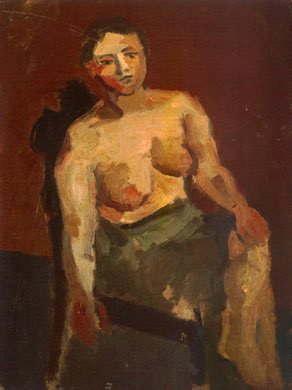
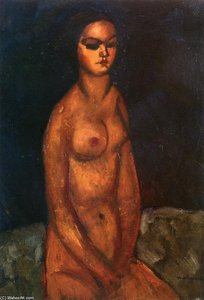
Portrait of a Young Girl

 Ver más
Giclée / Impresión de arte
Impresiones giclée o en lienzo de calidad de museo con producción rápida y opciones de acabado flexibles. ( Comprar pintura hecha a mano Comprar imagen)




P118B $10

P118H $10

P118W $10

P438Z $10

P508JH $12

P508YH $12

P805H $10

P805Z $10

P919BZ $10

P919G $10

P919XJ $10

P959ZH $10

P968JZ $12

W106C $8

W218G $10

W218JH $8

W218Y $10

W307PJ $10

W316G $10

W316PJ $8

W316Y $10

W398PJ $8

W4111J $10

W500HY $15

W500JH $15

W692G $12

W849H $8

W940BG $15

W953PJ $8




Elija entre nuestros tamaños predefinidos que respetan las proporciones originales de la obra.

Puede introducir sus propias dimensiones para adaptarse a un marco o espacio específico. Si el tamaño seleccionado no coincide con las proporciones de la imagen original, recortaremos la obra de arte o extenderemos la imagen con un borde con efecto espejo o de color sólido. Se enviará una maqueta digital para su aprobación antes de que comience la producción.
Tenga en cuenta que la vista previa en pantalla no refleja el recorte o la extensión real. Solo la maqueta mostrará con precisión la composición final.
Aunque existen tamaños personalizados, recomendamos seleccionar una dimensión de la lista predefinida para preservar las proporciones originales.
Envío a todo el mundo () en 2 semanas en lugar de las 4/5 semanas estándar. (26 agosto)

Envío exprés gratuito a todo el mundo

Lienzo de lino de alta calidad

Seguro de envío total

Garantía de reembolso de impuestos aduaneros

Garantía de fidelidad cromática exacta

Política de devolución de 60 días (solo por defectos)

Garantía de devolución del 100% del dinero

Descuento por cantidad
 La opción de vidrio solo está disponible en tamaños inferiores a 110 cm.

Portrait of a Young Girl
Giclée / Impresión de arte
Dimensiones de la reproducción
-


Precio total final
$ 62
Descripción de la pieza
A Portrait Steeped in Color and Contemplation: Mark Rothko's Young Girl
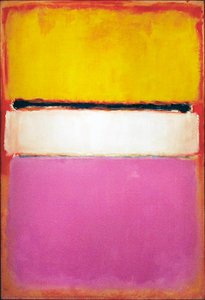
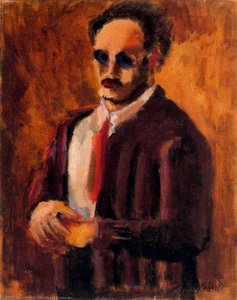
The painting depicts a young woman seated on a chair, her hands delicately positioned over her breasts—a gesture that speaks volumes about vulnerability and introspection. Dressed in a striking emerald green gown, she gazes downwards with an expression of quiet contemplation, drawing the viewer into a moment of profound stillness. This piece, attributed to Mark Rothko, exemplifies his signature style: bold swathes of color layered upon simple geometric forms—a technique rooted in abstract expressionism and reflecting the artist’s deeply personal exploration of emotion.- Style: Abstract Expressionism – Rothko eschewed representational imagery altogether, prioritizing instead the conveyance of feeling through pure chromatic abstraction. He believed that color itself could communicate psychological states directly to the viewer, bypassing conscious thought.
- Technique: Layered Rectangular Blocks – Rothko achieved his distinctive aesthetic by applying thin layers of pigment onto rectangular canvases, building up color gradually over time. This process created a mesmerizing interplay of hues and textures, resulting in luminous surfaces that seemed to emanate inner radiance.
Symbolism Within Color
Rothko’s deliberate use of color transcends mere visual appeal; it operates as a conduit for conveying complex emotional resonances. The emerald green gown symbolizes renewal and vitality, yet simultaneously hints at the fragility of life—a subtle acknowledgment of mortality that permeates his entire oeuvre. Furthermore, the downward gaze of the woman suggests introspection and acceptance—a posture embodying resilience in the face of adversity. Rothko himself famously stated that he wished to create paintings “that evoke a sense of awe,” aiming to elicit responses from viewers that transcended rational comprehension.Historical Context: The Rise of Abstract Expressionism
Rothko’s work emerged during the Second World War, coinciding with the burgeoning movement of abstract expressionism—a reaction against European artistic conventions and a bold assertion of American individualism. Artists like Jackson Pollock and Willem de Kooning pioneered drip painting and gestural abstraction, rejecting traditional perspective and anatomical accuracy in favor of spontaneous improvisation. Rothko’s approach differed subtly from his contemporaries; he sought to achieve emotional impact through carefully calibrated color combinations rather than energetic brushstrokes—a testament to his unwavering belief in the transformative power of art.Emotional Impact: A Meditation on Presence
Ultimately, Mark Rothko's "Portrait of a Young Girl" invites contemplation and fosters a feeling of serene melancholy. The luminous colors bathe the viewer in an ethereal glow, transporting them to a realm beyond the everyday—a space where emotion reigns supreme and where beauty resides in simplicity. It’s a painting that speaks not to the intellect alone but directly to the soul, reminding us of the profound significance of stillness and the enduring capacity for human empathy. Reproductions of this masterpiece offer an opportunity to experience Rothko's vision firsthand, capturing the essence of his artistic legacy—a legacy rooted in unwavering devotion to exploring the depths of human emotion through the language of color.
Biografía del artista
vida temprana e influencias
Mark Rothko (Marcus Rothkowitz), un reconocido artista estadounidense, nació el 25 de septiembre de 1903 en Dvinsk, Letonia. Su familia emigró a los Estados Unidos cuando tenía solo diez años. Este cambio cultural influyó más tarde en su estilo artístico.evolución artística
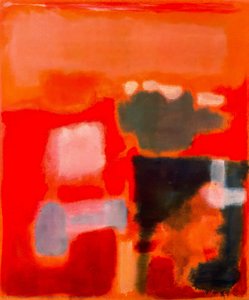
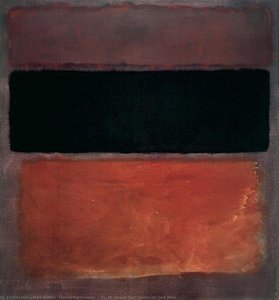
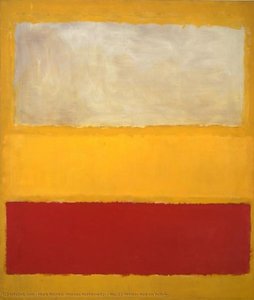
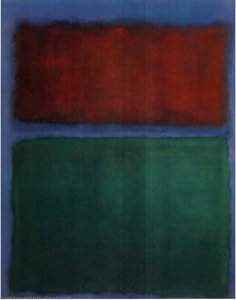
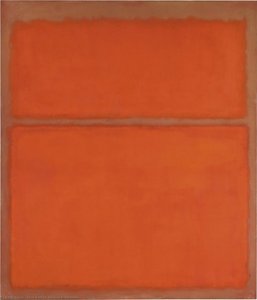
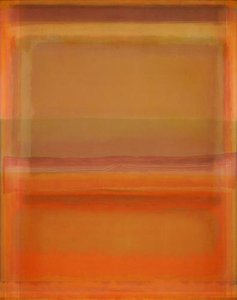
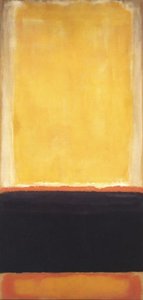
La obra temprana de Rothko se caracterizó por el **expresionismo abstracto**, un estilo que enfatizaba el proceso de creación del arte más que el producto final. Sus pinturas, como No. 18 (1948) y Untitled (1948), mostraban su enfoque único del color y la forma.- **Campo de color:** El uso de campos de color rectangulares audaces por Rothko, a menudo en marcado contraste entre sí, creó una sensación de profundidad y emoción.
- **Estructura orgánica:** Sus pinturas parecían respirar vida, como si los colores fueran entidades vivientes.
obras notables y exposiciones
- No. 10 (1950), una pintura que marcó un cambio significativo en el estilo de Rothko, ahora forma parte de la colección del Museo de Arte Moderno.
- Las murales de Seagram, una serie de pinturas encargadas para el restaurante Four Seasons, mostraron la capacidad de Rothko para adaptar su estilo a diferentes entornos.
- No. 3 (1950), una pintura que ejemplifica el uso de campos de color rectangulares audaces por Rothko.
vida tardía y legado
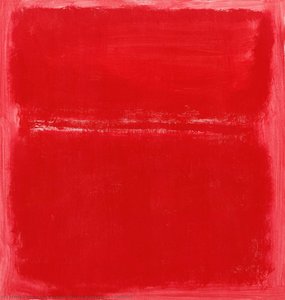
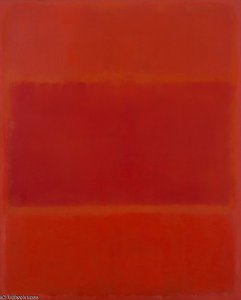
La vida de Rothko estuvo marcada por las luchas con la salud mental y un matrimonio tumultuoso. Falleció el 25 de febrero de 1970, a los 66 años. A pesar de sus desafíos, Rothko dejó una huella imborrable en el mundo del arte. Ocre y rojo sobre rojo (campo de color), una pintura que muestra el enfoque único del color de Rothko, se puede encontrar en la colección ArtsDot.com. La página de Wikipedia de Mark Rothko proporciona más información sobre su vida y estilo artístico.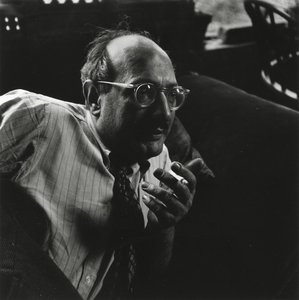
Mark Rothko
1903 - 1970 , Letonia
Datos clave
- Artistas Que Influyeron:
- Edward Hopper
- Pablo Picasso
- Fecha De Muerte: 25 de febrero de 1970
- Fecha De Nacimiento: 25 de septiembre de 1903
- Influencia En Artistas:
- Minimalismo
- Arte contemporáneo
- Lugar De Nacimiento: Daugavpils, Letonia
- Movimiento Artístico: Expresionismo Abstracto
- Nacionalidad: Estadounidense
- Nombre Completo: Mark Rothko (Marcus Rothkowitz)
- Obras Notables:
- No. 18 (1948)
- No. 10 (1950)
- Murales Seagram
- No. 3 (1950)
Artículos relacionados
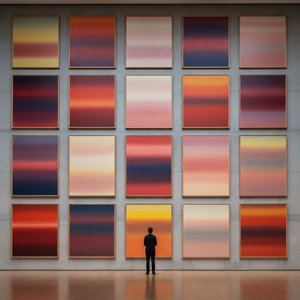
Mark Rothko: Las 25 Obras Maestras que Definen la Expresión Abstracta | ArtsDot
Descubre las 25 obras maestras de Mark Rothko, pionero del expresionismo abstracto. Explora la historia, el significado y los colores vibrantes que definen su arte emocional. Reproducciones de alta calidad en ArtsDot.com.
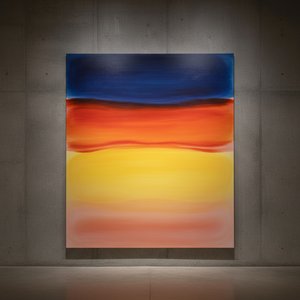
The Sublimity of Color: Exploring the Emotional Landscapes of Mark Rothko's Abstract Expressionism
Explore the profound emotional depth of Mark Rothko's abstract expressionism. Discover the history, techniques & lasting impact of this pivotal Color Field painter. Expert insights for collectors and art enthusiasts.
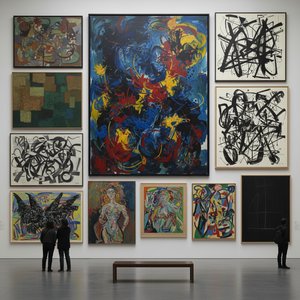
Expresionismo Abstracto: 10 Obras Maestras que Transformaron el Arte |
Descubre las 10 obras maestras del Expresionismo Abstracto: Pollock, Rothko y más. Explora la historia, técnica y significado de estos lienzos icónicos. Reproducciones de arte exclusivas en .
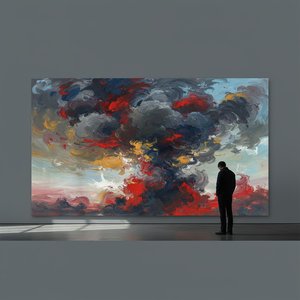
Más Allá de la Representación: Explorando el Paisaje Emocional del Expresionismo Abstracto
Descubra el Expresionismo Abstracto en profundidad. Análisis de artistas clave como Rothko y Richter, su contexto histórico e inversión en arte. Guía experta para coleccionistas.
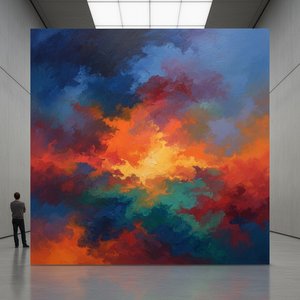
Atmósferas Cromáticas: Explorando los Fundamentos Filosóficos de la Pintura Color Field
Descubra la profunda filosofía y técnica detrás de la pintura Color Field. Explore las obras maestras de Rothko, Newman, Frankenthaler y más. Guía experta para coleccionistas.