 Vista previa
 Compartir
 Compartir
 Ver detalles

 Descargar
 Ver similares
 Radiografía
 Presentación de diapositivas
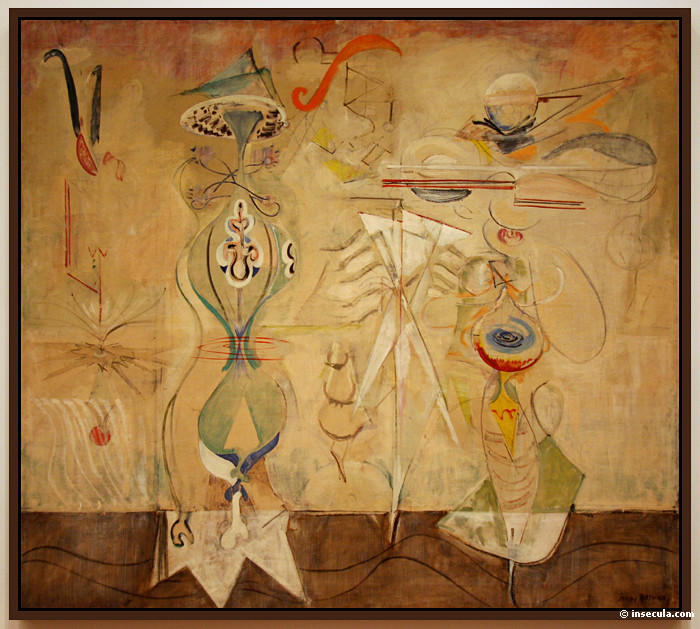
Slow vortex at the edge of the sea

 Leer más
Reproducción al óleo hecha a mano
Óleo sobre lienzo pintado a mano en el tamaño y marco de su elección, realizado por encargo por nuestros artistas. ( Pedir impresión Comprar descarga)




P118B $10

P118H $10

P118W $10

P438Z $10

P508JH $12

P508YH $12

P805H $10

P805Z $10

P919BZ $10

P919G $10

P919XJ $10

P959ZH $10

P968JZ $12

W106C $8

W218G $10

W218JH $8

W218Y $10

W307PJ $10

W316G $10

W316PJ $8

W316Y $10

W398PJ $8

W4111J $10

W500HY $15

W500JH $15

W692G $12

W849H $8

W940BG $15

W953PJ $8




Elija entre nuestros tamaños predefinidos que respetan las proporciones originales de la obra.

Puede ingresar sus propias dimensiones para adaptarse a un marco o espacio específico. Si el tamaño seleccionado no coincide con las proporciones de la imagen original, recortaremos la obra o extenderemos la pintura con elementos adicionales pintados a mano. Se le enviará una maqueta digital para su aprobación antes de comenzar la producción.
Tenga en cuenta que la vista previa en pantalla no refleja el recorte o la extensión reales. Solo la maqueta mostrará con precisión la composición final.
Si bien existen tamaños personalizados, recomendamos seleccionar una dimensión de la lista predefinida para preservar las proporciones originales.
Tras realizar el pedido, el equipo de ArtsDot.com enviará un correo electrónico al cliente para solicitar instrucciones y proporcionarle una vista previa del boceto.
Envío a todo el mundo () en 3-4 semanas en lugar de las 5 semanas estándar. (22 agosto). Sin comprometer la calidad.

Envío exprés gratuito a todo el mundo

Lienzo de lino de alta calidad

Seguro de envío completo

Garantía de reembolso de aranceles aduaneros

Garantía de fidelidad cromática exacta

Política de devolución de 60 días (solo por defectos)

Garantía de devolución del 100% del dinero

Oferta por volumen
 La opción de vidrio solo está disponible en tamaños inferiores a 110 cm.

Slow vortex at the edge of the sea
Técnica de reproducción
Tamaño de la reproducción
-


Precio total
$ 263
Descripción de la obra
A Descent into Color: Exploring Mark Rothko’s “Slow Vortex at the Sea”
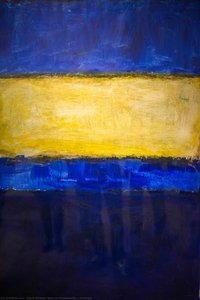
The painting "Slow Vortex at the Edge of the Sea," attributed to Mark Rothko, stands as a testament to the artist's singular vision—a distillation of emotion and form into monumental blocks of color that continue to captivate audiences decades after its creation. More than just an aesthetically pleasing image, it’s a profound meditation on human experience, rooted in Rothko’s formative years and imbued with layers of symbolic significance. Examining this artwork reveals not only the mastery of technique but also a deliberate engagement with existential questions that resonate deeply within the viewer's subconscious.The Surreal Landscape: Composition and Technique
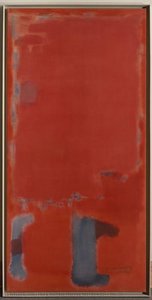
Rothko’s approach to painting was radically innovative, rejecting traditional representation in favor of what he termed “color field” abstraction. In "Slow Vortex at the Edge of the Sea," he achieves this effect through a deceptively simple technique—applying thin washes of pigment onto canvas stretched tautly over wooden panels. This method prioritizes color itself as subject matter, allowing it to dominate the visual experience and evoke feelings rather than depicting specific objects or scenes. The hazy expanse of sea dominates the background, punctuated by vertical rectangles of intense hues – predominantly crimson and ochre—that seem to swirl subtly, creating an illusion of movement despite their stillness. This layering technique contributes to a palpable sense of depth and luminosity, capturing the ethereal quality of twilight over the ocean.Roots in Displacement: Biographical Context
Born in Dvinsk (now Daugavpils), Latvia, Mark Rothko’s early life was shaped by profound instability. His family's Jewish heritage placed them squarely within the turbulent landscape of Eastern European antisemitism, exposing him to violence and prejudice from a young age. This experience instilled an awareness of suffering that would permeate his artistic output. Following emigration to Portland, Oregon, in 1913, Rothko navigated the complexities of American culture while grappling with personal loss—the untimely death of his father—a trauma that profoundly impacted his worldview. These formative influences fueled a lifelong preoccupation with themes of mortality and vulnerability, informing his artistic exploration of the human condition.Symbolism Within Color: Layers of Meaning
The seemingly abstract rectangles in “Slow Vortex at the Edge of Sea” are laden with symbolic resonance. Rothko himself famously stated that he wished to express “the immensity of our solitude,” and these blocks of color serve as conduits for conveying this feeling. The crimson hue evokes passion, urgency, and perhaps even danger—a visual representation of inner turmoil. Conversely, the ochre tones represent stability, grounding, and a yearning for connection. The inclusion of figures – notably a woman with an oversized head – adds another dimension to the artwork’s narrative. These stylized representations are not intended to depict realistic individuals but rather serve as archetypal symbols embodying universal human emotions and experiences.Emotional Resonance: An Invitation to Contemplation
Ultimately, “Slow Vortex at the Edge of Sea” transcends mere visual beauty; it invites viewers into a contemplative state. Rothko’s masterful manipulation of color creates an immersive experience that bypasses rational thought and speaks directly to the senses—a deliberate strategy designed to elicit emotional responses. The painting's quiet grandeur encourages introspection, prompting us to confront questions about existence and our place within the cosmos. It is precisely this ability to evoke profound feelings that secures Rothko’s legacy as one of the most influential artists of the 20th century, ensuring that “Slow Vortex at the Edge of Sea” continues to inspire awe and contemplation for generations to come.Obras relacionadas

Biografía del artista
vida temprana e influencias
Mark Rothko (Marcus Rothkowitz), un reconocido artista estadounidense, nació el 25 de septiembre de 1903 en Dvinsk, Letonia. Su familia emigró a los Estados Unidos cuando tenía solo diez años. Este cambio cultural influyó más tarde en su estilo artístico.evolución artística
La obra temprana de Rothko se caracterizó por el **expresionismo abstracto**, un estilo que enfatizaba el proceso de creación del arte más que el producto final. Sus pinturas, como No. 18 (1948) y Untitled (1948), mostraban su enfoque único del color y la forma.- **Campo de color:** El uso de campos de color rectangulares audaces por Rothko, a menudo en marcado contraste entre sí, creó una sensación de profundidad y emoción.
- **Estructura orgánica:** Sus pinturas parecían respirar vida, como si los colores fueran entidades vivientes.
obras notables y exposiciones
- No. 10 (1950), una pintura que marcó un cambio significativo en el estilo de Rothko, ahora forma parte de la colección del Museo de Arte Moderno.
- Las murales de Seagram, una serie de pinturas encargadas para el restaurante Four Seasons, mostraron la capacidad de Rothko para adaptar su estilo a diferentes entornos.
- No. 3 (1950), una pintura que ejemplifica el uso de campos de color rectangulares audaces por Rothko.
vida tardía y legado
La vida de Rothko estuvo marcada por las luchas con la salud mental y un matrimonio tumultuoso. Falleció el 25 de febrero de 1970, a los 66 años. A pesar de sus desafíos, Rothko dejó una huella imborrable en el mundo del arte. Ocre y rojo sobre rojo (campo de color), una pintura que muestra el enfoque único del color de Rothko, se puede encontrar en la colección ArtsDot.com. La página de Wikipedia de Mark Rothko proporciona más información sobre su vida y estilo artístico.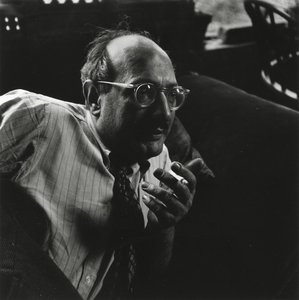
Mark Rothko
1903 - 1970 , Letonia
Datos clave
- Artistas Que Influyeron:
- Edward Hopper
- Pablo Picasso
- Fecha De Muerte: 25 de febrero de 1970
- Fecha De Nacimiento: 25 de septiembre de 1903
- Influencia En Artistas:
- Minimalismo
- Arte contemporáneo
- Lugar De Nacimiento: Daugavpils, Letonia
- Movimiento Artístico: Expresionismo Abstracto
- Nacionalidad: Estadounidense
- Nombre Completo: Mark Rothko (Marcus Rothkowitz)
- Obras Notables:
- No. 18 (1948)
- No. 10 (1950)
- Murales Seagram
- No. 3 (1950)
Artículos relacionados
Mark Rothko: Las 25 Obras Maestras que Definen la Expresión Abstracta | ArtsDot
Descubre las 25 obras maestras de Mark Rothko, pionero del expresionismo abstracto. Explora la historia, el significado y los colores vibrantes que definen su arte emocional. Reproducciones de alta calidad en ArtsDot.com.

Abstracción Geométrica: 10 Obras Maestras que Transformaron el Arte Moderno | ArtsDot
Descubre las 10 obras maestras de la abstracción geométrica que revolucionaron el arte moderno. Explora a Mondrian, Malevich y Kandinsky en ArtsDot.com. Reproducciones de alta calidad para tu hogar.
Expresionismo Abstracto: 10 Obras Maestras que Transformaron el Arte |
Descubre las 10 obras maestras del Expresionismo Abstracto: Pollock, Rothko y más. Explora la historia, técnica y significado de estos lienzos icónicos. Reproducciones de arte exclusivas en .
The Sublimity of Color: Exploring the Emotional Landscapes of Mark Rothko's Abstract Expressionism
Explore the profound emotional depth of Mark Rothko's abstract expressionism. Discover the history, techniques & lasting impact of this pivotal Color Field painter. Expert insights for collectors and art enthusiasts.

Kandinsky: Las 25 Obras Maestras del Pionero de la Abstracción | ArtsDot
Descubre las 25 obras maestras de Wassily Kandinsky, pionero del arte abstracto. Explora su expresionismo, composiciones únicas y la historia detrás de cada cuadro. Reproducciones de alta calidad para decorar tu hogar con arte moderno en ArtsDot.com.