Vista previa
 Compartir
 Compartir
 Ver detalles

 Descargar
 Ver artículos similares
 Radiografía
 Presentación de diapositivas
 Estadísticas
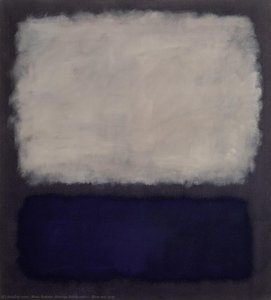
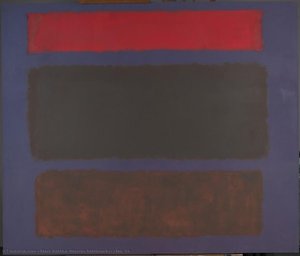
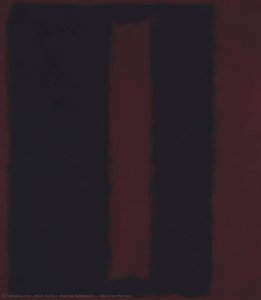
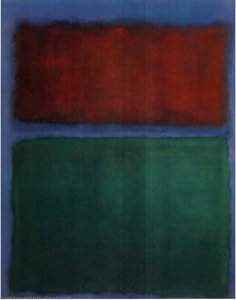
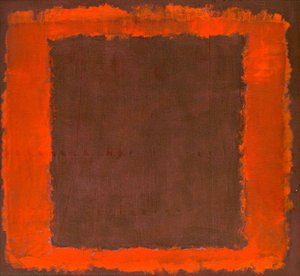
Untitled (Blue, Green, and Brown)

 Leer más
Reproducción al óleo hecha a mano
Óleo sobre lienzo pintado a mano en el tamaño y marco de su elección, realizado por encargo por nuestros artistas. ( Cambiar a formato impreso Ver versión en imagen digital)




P118B $10

P118H $10

P118W $10

P438Z $10

P508JH $12

P508YH $12

P805H $10

P805Z $10

P919BZ $10

P919G $10

P919XJ $10

P959ZH $10

P968JZ $12

W106C $8

W218G $10

W218JH $8

W218Y $10

W307PJ $10

W316G $10

W316PJ $8

W316Y $10

W398PJ $8

W4111J $10

W500HY $15

W500JH $15

W692G $12

W849H $8

W940BG $15

W953PJ $8




Elija entre nuestros tamaños predefinidos que respetan las proporciones originales de la obra.

Puede ingresar sus propias dimensiones para adaptarse a un marco o espacio específico. Si el tamaño seleccionado no coincide con las proporciones de la imagen original, recortaremos la obra o extenderemos la pintura con elementos adicionales pintados a mano. Se le enviará una maqueta digital para su aprobación antes de comenzar la producción.
Tenga en cuenta que la vista previa en pantalla no refleja el recorte o la extensión reales. Solo la maqueta mostrará con precisión la composición final.
Si bien existen tamaños personalizados, recomendamos seleccionar una dimensión de la lista predefinida para preservar las proporciones originales.
Tras realizar el pedido, el equipo de ArtsDot.com enviará un correo electrónico al cliente para solicitar instrucciones y proporcionarle una vista previa del boceto.
Envío a todo el mundo () en 3-4 semanas en lugar de las 5 semanas estándar. (15 septiembre). Sin comprometer la calidad.

Envío exprés gratuito a todo el mundo

Lienzo de lino de alta calidad

Seguro de envío completo

Garantía de reembolso de impuestos aduaneros

Garantía de fidelidad cromática exacta

Política de devolución de 100 días (solo por defectos)

Garantía de devolución del 100% del dinero

Oferta por volumen
 La opción de vidrio solo está disponible en tamaños inferiores a 110 cm.

Untitled (Blue, Green, and Brown)
Técnica de reproducción
Tamaño de la reproducción
-


Precio total
$ 263
Mark Rothko’s ‘Blue, Green, and Brown’: A Meditation on Color and Emotion
Mark Rothko's Blue, Green, and Brown (1952) stands as a monumental achievement within the American abstract expressionist movement. More than simply a painting, it is an immersive experience—a carefully constructed space designed to evoke profound emotional responses in the viewer. Created during a pivotal period of Rothko’s artistic development, this work exemplifies his signature style: vast rectangular blocks of color stacked vertically against a subtly textured ground, creating a sense of depth and ambiguity that continues to captivate audiences today.
The painting's genesis lies in Rothko’s deliberate exploration of the relationship between color and human experience. He sought to move beyond representational imagery, aiming instead to capture fundamental aspects of existence – sorrow, joy, spirituality – through pure chromatic form. Rothko himself described his process as “an anecdote of the spirit,” a phrase that encapsulates the painting's core intention: not to depict something recognizable, but to offer a visceral encounter with emotion itself. The seemingly simple arrangement of blue, green, and brown is, in fact, the result of meticulous layering and glazing techniques, building up complex tonal variations within each block.
Color as Symbol and Atmosphere
The choice of these specific colors is profoundly significant. Rothko’s use of blue—a color often associated with melancholy, introspection, and spirituality—dominates the composition, creating a sense of quiet contemplation. The green introduces an element of vitality and growth, yet remains subdued, suggesting a restrained energy. Finally, the brown provides grounding and stability, anchoring the vertical forms within the canvas. These colors aren’t merely decorative; they are carefully calibrated to create a specific atmosphere—one that is both unsettling and deeply moving.
Rothko's technique involved applying thin layers of oil paint, building up color through multiple glazes. This process allowed him to achieve remarkable luminosity and depth within the rectangular forms, creating an illusion of three-dimensionality. The subtle variations in tone—the way light catches on the edges of each block—are crucial to the painting’s impact, inviting the viewer to lose themselves in its surface.
Contextualizing Rothko's Vision
Blue, Green, and Brown was created during a period of intense experimentation within abstract expressionism. While artists like Jackson Pollock were embracing gestural abstraction, Rothko sought a more controlled and contemplative approach. His work reflects the broader anxieties and spiritual questioning of post-war America, grappling with themes of mortality, isolation, and the search for meaning in a rapidly changing world.
The painting’s eventual placement within the Rothko Chapel in Houston, Texas—a space designed to foster contemplation and spiritual reflection—further solidified its significance. The chapel's architecture, with its darkened walls and soaring ceilings, was specifically conceived to enhance the impact of Rothko’s monumental canvases. This setting underscores the artist’s ambition: to create works that transcend mere decoration and become genuine spaces for emotional and spiritual engagement.
A Timeless Masterpiece
Blue, Green, and Brown remains one of Mark Rothko's most iconic paintings, a testament to his profound understanding of color and its ability to evoke powerful emotions. Its enduring appeal lies in its simplicity, its ambiguity, and its capacity to connect with viewers on a deeply personal level. A hand-painted reproduction offers an unparalleled opportunity to experience the full force of this masterpiece within your own space – a window into the soul of one of 20th century’s most influential artists.
Obras relacionadas
Biografía del artista
vida temprana e influencias
Mark Rothko (Marcus Rothkowitz), un reconocido artista estadounidense, nació el 25 de septiembre de 1903 en Dvinsk, Letonia. Su familia emigró a los Estados Unidos cuando tenía solo diez años. Este cambio cultural influyó más tarde en su estilo artístico.evolución artística
La obra temprana de Rothko se caracterizó por el **expresionismo abstracto**, un estilo que enfatizaba el proceso de creación del arte más que el producto final. Sus pinturas, como No. 18 (1948) y Untitled (1948), mostraban su enfoque único del color y la forma.- **Campo de color:** El uso de campos de color rectangulares audaces por Rothko, a menudo en marcado contraste entre sí, creó una sensación de profundidad y emoción.
- **Estructura orgánica:** Sus pinturas parecían respirar vida, como si los colores fueran entidades vivientes.
obras notables y exposiciones
- No. 10 (1950), una pintura que marcó un cambio significativo en el estilo de Rothko, ahora forma parte de la colección del Museo de Arte Moderno.
- Las murales de Seagram, una serie de pinturas encargadas para el restaurante Four Seasons, mostraron la capacidad de Rothko para adaptar su estilo a diferentes entornos.
- No. 3 (1950), una pintura que ejemplifica el uso de campos de color rectangulares audaces por Rothko.
vida tardía y legado
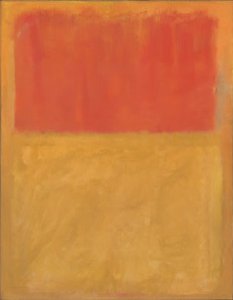
La vida de Rothko estuvo marcada por las luchas con la salud mental y un matrimonio tumultuoso. Falleció el 25 de febrero de 1970, a los 66 años. A pesar de sus desafíos, Rothko dejó una huella imborrable en el mundo del arte. Ocre y rojo sobre rojo (campo de color), una pintura que muestra el enfoque único del color de Rothko, se puede encontrar en la colección ArtsDot.com. La página de Wikipedia de Mark Rothko proporciona más información sobre su vida y estilo artístico.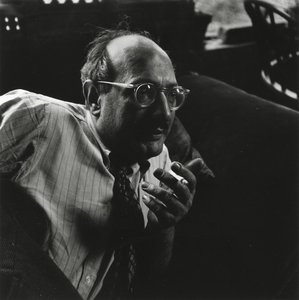
Mark Rothko
1903 - 1970 , Letonia
Datos clave
- Artistas Que Influyeron:
- Edward Hopper
- Pablo Picasso
- Fecha De Muerte: 25 de febrero de 1970
- Fecha De Nacimiento: 25 de septiembre de 1903
- Influencia En Artistas:
- Minimalismo
- Arte contemporáneo
- Lugar De Nacimiento: Daugavpils, Letonia
- Movimiento Artístico: Expresionismo Abstracto
- Nacionalidad: Estadounidense
- Nombre Completo: Mark Rothko (Marcus Rothkowitz)
- Obras Notables:
- No. 18 (1948)
- No. 10 (1950)
- Murales Seagram
- No. 3 (1950)
Artículos relacionados
Expresionismo Abstracto: 10 Obras Maestras que Transformaron el Arte |
Descubre las 10 obras maestras del Expresionismo Abstracto: Pollock, Rothko y más. Explora la historia, técnica y significado de estos lienzos icónicos. Reproducciones de arte exclusivas en .
Las 10 Obras Maestras del Azul Pizarra: Arte, Historia y Decoración
Descubre las 10 pinturas más famosas dominadas por el azul pizarra. Explora la historia, técnica y belleza de Monet, Van Gogh y otros maestros. Encuentra reproducciones de arte exclusivas para decorar tu hogar en .
Mark Rothko: Las 25 Obras Maestras que Definen la Expresión Abstracta | ArtsDot
Descubre las 25 obras maestras de Mark Rothko, pionero del expresionismo abstracto. Explora la historia, el significado y los colores vibrantes que definen su arte emocional. Reproducciones de alta calidad en ArtsDot.com.

Kandinsky: Las 25 Obras Maestras del Pionero de la Abstracción | ArtsDot
Descubre las 25 obras maestras de Wassily Kandinsky, pionero del arte abstracto. Explora su expresionismo, composiciones únicas y la historia detrás de cada cuadro. Reproducciones de alta calidad para decorar tu hogar con arte moderno en ArtsDot.com.
The Sublimity of Color: Exploring the Emotional Landscapes of Mark Rothko's Abstract Expressionism
Explore the profound emotional depth of Mark Rothko's abstract expressionism. Discover the history, techniques & lasting impact of this pivotal Color Field painter. Expert insights for collectors and art enthusiasts.