 Ver en contexto
 Enviar
 Compartir
 Detalles

 Descargar
 Similares
 Radiografía
 Presentación de diapositivas
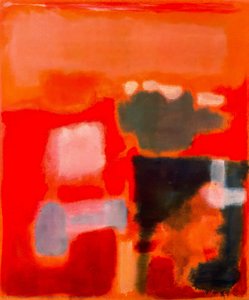
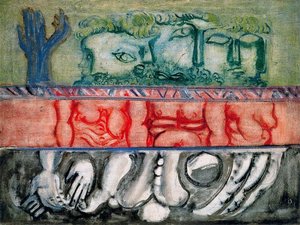
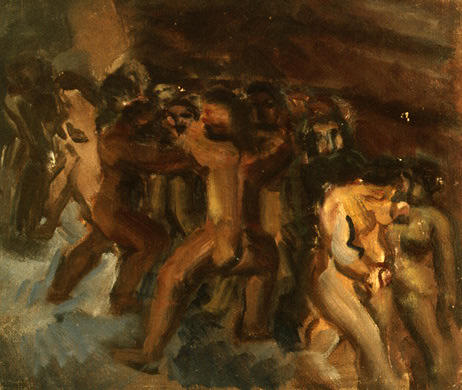
Untitled (scene with nude figures)

 Ver más
Reproducción al óleo hecha a mano
Óleo sobre lienzo pintado a mano en el tamaño y marco de su elección, realizado por encargo por nuestros artistas. ( Comprar impresión Comprar imagen)




P118B $10

P118H $10

P118W $10

P438Z $10

P508JH $12

P508YH $12

P805H $10

P805Z $10

P919BZ $10

P919G $10

P919XJ $10

P959ZH $10

P968JZ $12

W106C $8

W218G $10

W218JH $8

W218Y $10

W307PJ $10

W316G $10

W316PJ $8

W316Y $10

W398PJ $8

W4111J $10

W500HY $15

W500JH $15

W692G $12

W849H $8

W940BG $15

W953PJ $8




Elija entre nuestros tamaños predefinidos que respetan las proporciones originales de la obra.

Puede ingresar sus propias dimensiones para adaptarse a un marco o espacio específico. Si el tamaño seleccionado no coincide con las proporciones de la imagen original, recortaremos la obra o extenderemos la pintura con elementos adicionales pintados a mano. Se le enviará una maqueta digital para su aprobación antes de comenzar la producción.
Tenga en cuenta que la vista previa en pantalla no refleja el recorte o la extensión reales. Solo la maqueta mostrará con precisión la composición final.
Si bien existen tamaños personalizados, recomendamos seleccionar una dimensión de la lista predefinida para preservar las proporciones originales.
Tras realizar el pedido, el equipo de ArtsDot.com enviará un correo electrónico al cliente para solicitar instrucciones y proporcionarle una vista previa del boceto.
Envío a todo el mundo () en 3-4 semanas en lugar de las 5 semanas estándar. (24 agosto). Sin comprometer la calidad.

Envío exprés gratuito a todo el mundo

Lienzo de lino de alta calidad

Seguro de envío total

Garantía de reembolso de impuestos aduaneros

Garantía de fidelidad cromática exacta

Política de devolución de 60 días (solo por defectos)

Garantía de devolución del 100% del dinero

Descuento por cantidad
 La opción de vidrio solo está disponible en tamaños inferiores a 110 cm.

Untitled (scene with nude figures)
Técnica de reproducción
Dimensiones de la reproducción
-


Precio total final
$ 263
Descripción de la obra
The Genesis of Absence: Exploring Mark Rothko's Iconic Composition
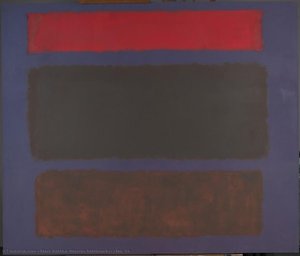
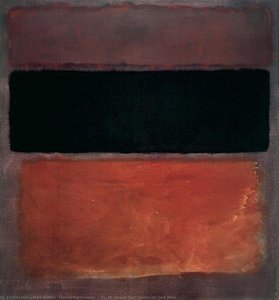
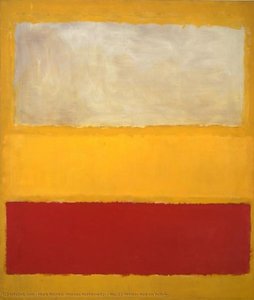
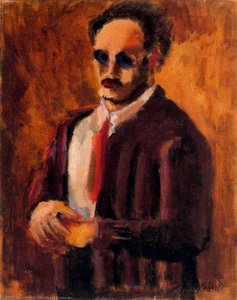
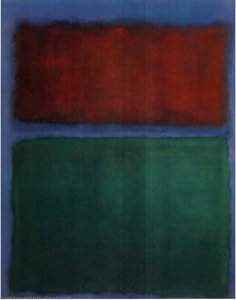
Mark Rothko’s “Untitled” (scene with nude figures), painted in 1964, stands as a cornerstone of Abstract Expressionism and arguably one of the most emotionally resonant artworks of the 20th century. More than just pigment on canvas; it's an invitation to confront profound questions about existence itself – questions Rothko wrestled with throughout his life’s turbulent journey.
Born in Dvinsk, Latvia, Markus Yakovlevich Rothkowitz experienced firsthand the anxieties of a Jewish family navigating antisemitism and political instability. This formative backdrop instilled within him an unwavering empathy for human suffering, a preoccupation that would permeate his artistic output. The subsequent relocation to Portland, Oregon, marked not merely a geographical change but a collision with new cultural currents – a move fraught with challenges of assimilation and shadowed by the premature death of his father.
Chromatic Resonance: Style and Technique
Rothko’s distinctive style eschews representational imagery altogether. Instead, he employs large rectangular blocks of color—typically hues of crimson, orange, yellow, and blue—that bleed into one another, creating an ethereal haze. This technique, termed “color field painting,” prioritizes the emotional experience over visual perception. Rothko meticulously applied thin layers of oil paint to prepare the canvas, followed by multiple coats of pigment diluted with glazing mediums. The resulting surface is remarkably matte, absorbing light rather than reflecting it—a deliberate choice designed to foster contemplation and minimize distraction.
Historical Context: The Legacy of Abstract Expressionism
"Untitled" emerged during a period of intense artistic experimentation following World War II. Abstract Expressionists like Jackson Pollock and Willem de Kooning pushed the boundaries of painting, rejecting traditional conventions in favor of spontaneous gesture and unfiltered emotion. Rothko’s work aligns with this broader movement but distinguishes itself through its profound stillness and meditative quality. He sought to distill human experience into its purest form—color—believing that it could communicate feelings directly without relying on intellectual interpretation.
Symbolic Layers: Beyond Color
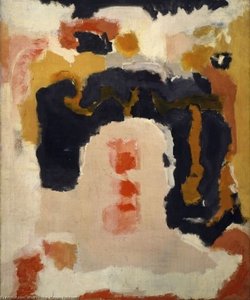
While Rothko vehemently denied any intention to imbue his paintings with symbolic meaning, scholars have identified recurring motifs suggestive of spiritual contemplation. The nude figures depicted within the composition are not anatomically precise but rather amorphous shapes that convey vulnerability and openness. Their positioning—often intertwined or overlapping—suggests a harmonious interconnectedness, mirroring Rothko’s belief in the universality of human emotion.
Emotional Impact: A Window into Inner Space
"Untitled" compels viewers to confront their own perceptions of beauty and sorrow. The sheer scale of the canvas overwhelms the senses, inviting immersion in a realm beyond rational thought. As Rothko himself famously stated, “I want people to come away from my paintings with a feeling that they have experienced something transcendent.” Indeed, gazing upon this masterpiece evokes a sense of awe—a recognition of the sublime—and prompts reflection on the fundamental mysteries of human existence.
Obras relacionadas
Biografía del artista
vida temprana e influencias
Mark Rothko (Marcus Rothkowitz), un reconocido artista estadounidense, nació el 25 de septiembre de 1903 en Dvinsk, Letonia. Su familia emigró a los Estados Unidos cuando tenía solo diez años. Este cambio cultural influyó más tarde en su estilo artístico.evolución artística
La obra temprana de Rothko se caracterizó por el **expresionismo abstracto**, un estilo que enfatizaba el proceso de creación del arte más que el producto final. Sus pinturas, como No. 18 (1948) y Untitled (1948), mostraban su enfoque único del color y la forma.- **Campo de color:** El uso de campos de color rectangulares audaces por Rothko, a menudo en marcado contraste entre sí, creó una sensación de profundidad y emoción.
- **Estructura orgánica:** Sus pinturas parecían respirar vida, como si los colores fueran entidades vivientes.
obras notables y exposiciones
- No. 10 (1950), una pintura que marcó un cambio significativo en el estilo de Rothko, ahora forma parte de la colección del Museo de Arte Moderno.
- Las murales de Seagram, una serie de pinturas encargadas para el restaurante Four Seasons, mostraron la capacidad de Rothko para adaptar su estilo a diferentes entornos.
- No. 3 (1950), una pintura que ejemplifica el uso de campos de color rectangulares audaces por Rothko.
vida tardía y legado
La vida de Rothko estuvo marcada por las luchas con la salud mental y un matrimonio tumultuoso. Falleció el 25 de febrero de 1970, a los 66 años. A pesar de sus desafíos, Rothko dejó una huella imborrable en el mundo del arte. Ocre y rojo sobre rojo (campo de color), una pintura que muestra el enfoque único del color de Rothko, se puede encontrar en la colección ArtsDot.com. La página de Wikipedia de Mark Rothko proporciona más información sobre su vida y estilo artístico.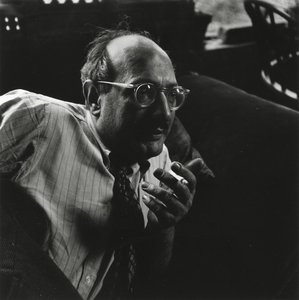
Mark Rothko
1903 - 1970 , Letonia
Datos clave
- Artistas Que Influyeron:
- Edward Hopper
- Pablo Picasso
- Fecha De Muerte: 25 de febrero de 1970
- Fecha De Nacimiento: 25 de septiembre de 1903
- Influencia En Artistas:
- Minimalismo
- Arte contemporáneo
- Lugar De Nacimiento: Daugavpils, Letonia
- Movimiento Artístico: Expresionismo Abstracto
- Nacionalidad: Estadounidense
- Nombre Completo: Mark Rothko (Marcus Rothkowitz)
- Obras Notables:
- No. 18 (1948)
- No. 10 (1950)
- Murales Seagram
- No. 3 (1950)
Artículos relacionados
Mark Rothko: Las 25 Obras Maestras que Definen la Expresión Abstracta | ArtsDot
Descubre las 25 obras maestras de Mark Rothko, pionero del expresionismo abstracto. Explora la historia, el significado y los colores vibrantes que definen su arte emocional. Reproducciones de alta calidad en ArtsDot.com.

Expresionismo Abstracto: 10 Obras Maestras que Transformaron el Arte |
Descubre las 10 obras maestras del Expresionismo Abstracto: Pollock, Rothko y más. Explora la historia, técnica y significado de estos lienzos icónicos. Reproducciones de arte exclusivas en .
The Sublimity of Color: Exploring the Emotional Landscapes of Mark Rothko's Abstract Expressionism
Explore the profound emotional depth of Mark Rothko's abstract expressionism. Discover the history, techniques & lasting impact of this pivotal Color Field painter. Expert insights for collectors and art enthusiasts.
Más Allá de la Representación: Explorando el Paisaje Emocional del Expresionismo Abstracto
Descubra el Expresionismo Abstracto en profundidad. Análisis de artistas clave como Rothko y Richter, su contexto histórico e inversión en arte. Guía experta para coleccionistas.

Atmósferas Cromáticas: Explorando la Evolución e Impacto de la Pintura Color Field
Descubra la evolución y el impacto de la pintura Color Field. Análisis experto de Rothko, Newman y otros maestros. Guía para coleccionistas exigentes en ArtsDot.