 Ver en contexto
 Enviar
 Compartir
 Detalles

 Descargar
 Similares
 Radiografía
 Presentación de diapositivas
 Stats
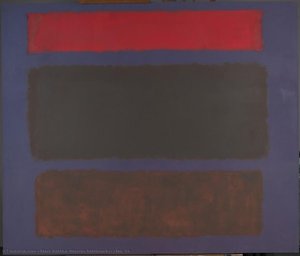
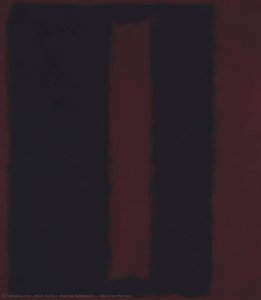
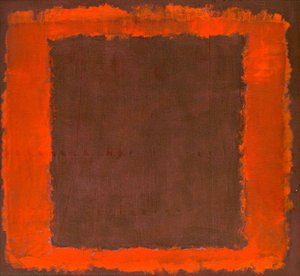
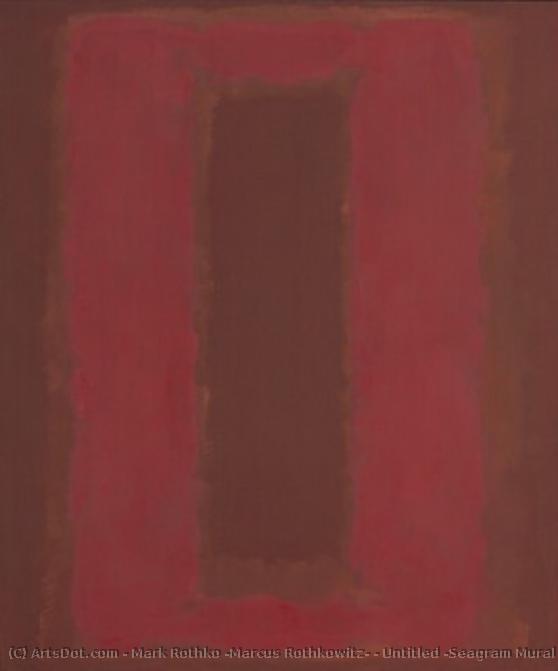
StatsUntitled (Seagram Mural sketch)
 Acrylic On Canvas
- WallArt
- Abstract Expressionism
 1959
1959- Modern
 183.0 x 153.0 cm
 Ver más
Giclée / Impresión de arte
Impresiones giclée o en lienzo de calidad de museo con producción rápida y opciones de acabado flexibles. ( Comprar pintura hecha a mano Switch to Digital Image)




P118B $10

P118H $10

P118W $10

P438Z $10

P508JH $12

P508YH $12

P805H $10

P805Z $10

P919BZ $10

P919G $10

P919XJ $10

P959ZH $10

P968JZ $12

W106C $8

W218G $10

W218JH $8

W218Y $10

W307PJ $10

W316G $10

W316PJ $8

W316Y $10

W398PJ $8

W4111J $10

W500HY $15

W500JH $15

W692G $12

W849H $8

W940BG $15

W953PJ $8




Elija entre nuestros tamaños predefinidos que respetan las proporciones originales de la obra.

Puede introducir sus propias dimensiones para adaptarse a un marco o espacio específico. Si el tamaño seleccionado no coincide con las proporciones de la imagen original, recortaremos la obra de arte o extenderemos la imagen con un borde con efecto espejo o de color sólido. Se enviará una maqueta digital para su aprobación antes de que comience la producción.
Tenga en cuenta que la vista previa en pantalla no refleja el recorte o la extensión real. Solo la maqueta mostrará con precisión la composición final.
Aunque existen tamaños personalizados, recomendamos seleccionar una dimensión de la lista predefinida para preservar las proporciones originales.
Envío a todo el mundo () en 2 semanas en lugar de las 4/5 semanas estándar. (8 septiembre)

Envío exprés gratuito a todo el mundo

Lienzo de lino de alta calidad

Seguro de envío total

Garantía de reembolso de impuestos aduaneros

Garantía de fidelidad cromática exacta

Política de devolución de 100 días (solo por defectos)

Garantía de devolución del 100% del dinero

Descuento por cantidad
 La opción de vidrio solo está disponible en tamaños inferiores a 110 cm.

Untitled (Seagram Mural sketch)
Giclée / Impresión de arte
Dimensiones de la reproducción
-


Precio total final
$ 62
A Void of Remembrance: Unpacking Mark Rothko’s ‘Untitled (Seagram Mural Sketch)’
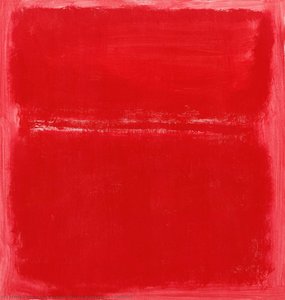
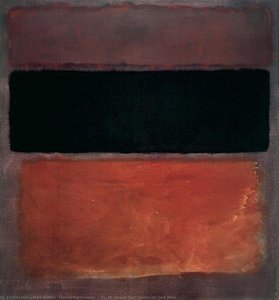
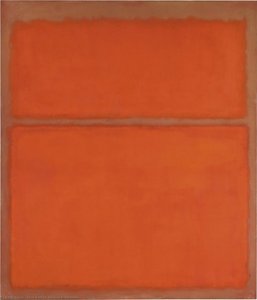
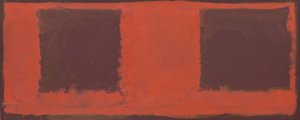
This arresting sketch, measuring 183 x 153 cm and dating from 1959, offers a rare glimpse into the genesis of one of Mark Rothko's most iconic works – a piece that continues to haunt and captivate viewers decades after its creation. The image itself is deceptively simple: a stark red square punctuated by a central hole, outlined in crisp white. Yet, within this seemingly reductive form lies a profound meditation on color, emotion, and the human condition. It’s not merely an abstract composition; it's a carefully constructed vessel for Rothko’s deeply felt anxieties and his relentless pursuit of spiritual truth through art.
The Seeds of Existentialism: Rothko’s Early Life and Influences
- Latvian Roots, American Dislocation: Born Markus Yakovlevich Rothkowitz in Daugavpils, Latvia – then part of the Russian Empire – Rothko's early life was steeped in a sense of displacement. His family’s experiences during the turbulent years leading up to and following World War I, including the anxieties surrounding pogroms and political instability, profoundly shaped his worldview.
- Loss and Assimilation: The 1913 immigration to Portland, Oregon, marked a dramatic shift, but not without its sorrows. The premature death of his father, Jacob Rothkowitz, cast a long shadow over the young artist, fueling a lifelong preoccupation with themes of mortality and loss.
- Intellectual Ferment: Despite these hardships, Rothko’s upbringing was characterized by intellectual stimulation – his father fostered a home filled with debate and learning. This exposure to socialist ideas and philosophical inquiry would later inform Rothko's exploration of existential questions within his art.
Decoding the Composition: Color, Form, and Symbolism
The ‘Untitled (Seagram Mural Sketch)’ is a masterclass in reductive abstraction. The dominant red, often interpreted as representing passion, blood, or even the divine, is deliberately applied in broad, luminous blocks – a technique Rothko perfected throughout his career. The white hole, strategically placed at the center, isn’t simply an absence; it's a crucial element that disrupts the solidity of the form, creating a sense of depth and inviting the viewer to contemplate the void. This void can be seen as symbolic of spiritual emptiness, existential angst, or perhaps even a representation of the unknowable.
Historical Context and Rothko’s Vision
Created in 1959, this sketch predates the monumental ‘Seagram Murals’ commissioned for the Four Seasons Hotel in New York City. However, it embodies the core principles that would define those larger works: a commitment to pure color fields and an attempt to evoke profound emotional responses in the viewer. Rothko was part of the second generation of abstract expressionists, moving beyond the gestural brushstrokes of Jackson Pollock towards a more contemplative and meditative approach. His work reflects the anxieties and uncertainties of the Cold War era, as well as his own personal struggles with faith and meaning.
Emotional Impact and Artistic Value
This reproduction captures not just an image but a feeling – a sense of quiet contemplation, unease, and perhaps even a touch of melancholy. The stark simplicity of the composition forces the viewer to confront their own emotions and interpretations. As a significant sketch from one of the 20th century’s most influential artists, this piece offers a unique opportunity to connect with Rothko's artistic vision and appreciate the power of abstract art to evoke profound emotional responses. It is a testament to his enduring legacy and a valuable addition to any discerning collection.
Biografía del artista
vida temprana e influencias
Mark Rothko (Marcus Rothkowitz), un reconocido artista estadounidense, nació el 25 de septiembre de 1903 en Dvinsk, Letonia. Su familia emigró a los Estados Unidos cuando tenía solo diez años. Este cambio cultural influyó más tarde en su estilo artístico.evolución artística
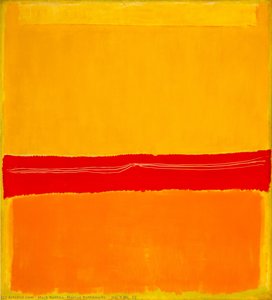
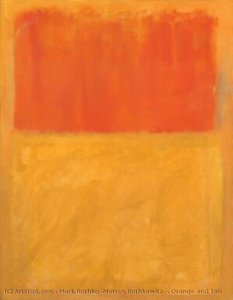
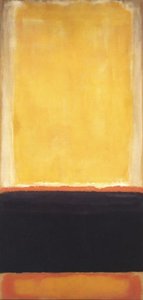
La obra temprana de Rothko se caracterizó por el **expresionismo abstracto**, un estilo que enfatizaba el proceso de creación del arte más que el producto final. Sus pinturas, como No. 18 (1948) y Untitled (1948), mostraban su enfoque único del color y la forma.- **Campo de color:** El uso de campos de color rectangulares audaces por Rothko, a menudo en marcado contraste entre sí, creó una sensación de profundidad y emoción.
- **Estructura orgánica:** Sus pinturas parecían respirar vida, como si los colores fueran entidades vivientes.
obras notables y exposiciones
- No. 10 (1950), una pintura que marcó un cambio significativo en el estilo de Rothko, ahora forma parte de la colección del Museo de Arte Moderno.
- Las murales de Seagram, una serie de pinturas encargadas para el restaurante Four Seasons, mostraron la capacidad de Rothko para adaptar su estilo a diferentes entornos.
- No. 3 (1950), una pintura que ejemplifica el uso de campos de color rectangulares audaces por Rothko.
vida tardía y legado
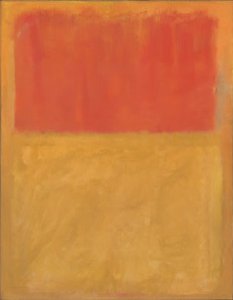
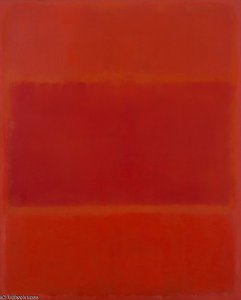
La vida de Rothko estuvo marcada por las luchas con la salud mental y un matrimonio tumultuoso. Falleció el 25 de febrero de 1970, a los 66 años. A pesar de sus desafíos, Rothko dejó una huella imborrable en el mundo del arte. Ocre y rojo sobre rojo (campo de color), una pintura que muestra el enfoque único del color de Rothko, se puede encontrar en la colección ArtsDot.com. La página de Wikipedia de Mark Rothko proporciona más información sobre su vida y estilo artístico.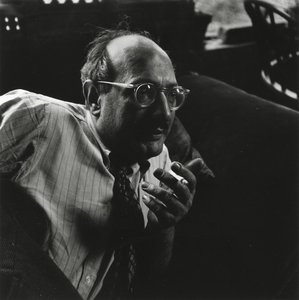
Mark Rothko
1903 - 1970 , Letonia
Datos clave
- Artistas Que Influyeron:
- Edward Hopper
- Pablo Picasso
- Fecha De Muerte: 25 de febrero de 1970
- Fecha De Nacimiento: 25 de septiembre de 1903
- Influencia En Artistas:
- Minimalismo
- Arte contemporáneo
- Lugar De Nacimiento: Daugavpils, Letonia
- Movimiento Artístico: Expresionismo Abstracto
- Nacionalidad: Estadounidense
- Nombre Completo: Mark Rothko (Marcus Rothkowitz)
- Obras Notables:
- No. 18 (1948)
- No. 10 (1950)
- Murales Seagram
- No. 3 (1950)
Artículos relacionados
Expresionismo Abstracto: 10 Obras Maestras que Transformaron el Arte |
Descubre las 10 obras maestras del Expresionismo Abstracto: Pollock, Rothko y más. Explora la historia, técnica y significado de estos lienzos icónicos. Reproducciones de arte exclusivas en .
Mark Rothko: Las 25 Obras Maestras que Definen la Expresión Abstracta | ArtsDot
Descubre las 25 obras maestras de Mark Rothko, pionero del expresionismo abstracto. Explora la historia, el significado y los colores vibrantes que definen su arte emocional. Reproducciones de alta calidad en ArtsDot.com.

¿Murales en Cocinas y Baños? La Nueva Tendencia del Diseño de Interiores de Lujo
Descubre la tendencia de los murales en baños y cocinas. Expertos en diseño te guían para transformar tus espacios con arte impermeable y personalizado. ¡Encuentra inspiración y soluciones únicas!

Blanco Sublime: Los 10 Cuadros Más Famosos Dominados por la Luz y el Color
Descubre los 10 cuadros blancos más emblemáticos de la historia del arte. Explora Monet, Van Gogh y Klimt, y su magistral uso de la luz y el color. Encuentra reproducciones de alta calidad e inspírate para tu decoración en .

Kandinsky: Las 25 Obras Maestras del Pionero de la Abstracción | ArtsDot
Descubre las 25 obras maestras de Wassily Kandinsky, pionero del arte abstracto. Explora su expresionismo, composiciones únicas y la historia detrás de cada cuadro. Reproducciones de alta calidad para decorar tu hogar con arte moderno en ArtsDot.com.