 Ver en contexto
 Enviar
 Compartir
 Detalles

 Descargar
 Similares
 Radiografía
 Presentación de diapositivas
 Estadísticas
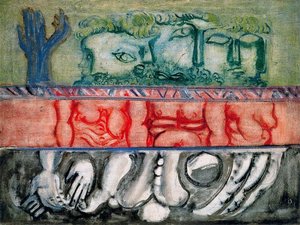
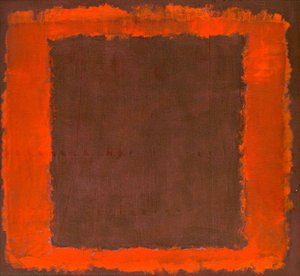
Untitled (Sketch for Harvard Mural) 2


 Ver más
Giclée / Impresión de arte
Impresiones giclée o en lienzo de calidad de museo con producción rápida y opciones de acabado flexibles. ( Comprar pintura hecha a mano Cambiar a imagen digital)




P118B $10

P118H $10

P118W $10

P438Z $10

P508JH $12

P508YH $12

P805H $10

P805Z $10

P919BZ $10

P919G $10

P919XJ $10

P959ZH $10

P968JZ $12

W106C $8

W218G $10

W218JH $8

W218Y $10

W307PJ $10

W316G $10

W316PJ $8

W316Y $10

W398PJ $8

W4111J $10

W500HY $15

W500JH $15

W692G $12

W849H $8

W940BG $15

W953PJ $8




Elija entre nuestros tamaños predefinidos que respetan las proporciones originales de la obra.

Puede introducir sus propias dimensiones para adaptarse a un marco o espacio específico. Si el tamaño seleccionado no coincide con las proporciones de la imagen original, recortaremos la obra de arte o extenderemos la imagen con un borde con efecto espejo o de color sólido. Se enviará una maqueta digital para su aprobación antes de que comience la producción.
Tenga en cuenta que la vista previa en pantalla no refleja el recorte o la extensión real. Solo la maqueta mostrará con precisión la composición final.
Aunque existen tamaños personalizados, recomendamos seleccionar una dimensión de la lista predefinida para preservar las proporciones originales.
Envío a todo el mundo () en 2 semanas en lugar de las 4/5 semanas estándar. (10 septiembre)

Envío exprés gratuito a todo el mundo

Lienzo de lino de alta calidad

Seguro de envío total

Garantía de reembolso de impuestos aduaneros

Garantía de fidelidad cromática exacta

Política de devolución de 100 días (solo por defectos)

Garantía de devolución del 100% del dinero

Descuento por cantidad
 La opción de vidrio solo está disponible en tamaños inferiores a 110 cm.

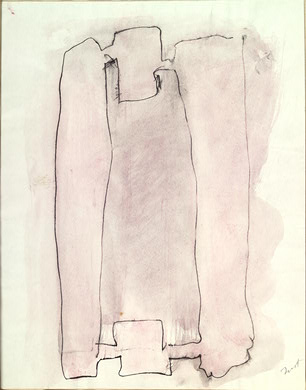
Untitled (Sketch for Harvard Mural) 2
Giclée / Impresión de arte
Dimensiones de la reproducción
-


Precio total final
$ 62
Mark Rothko's "Untitled (Sketch for Harvard Mural) 2": A Study in Color and Existential Weight
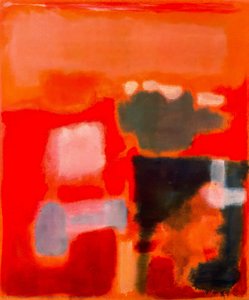
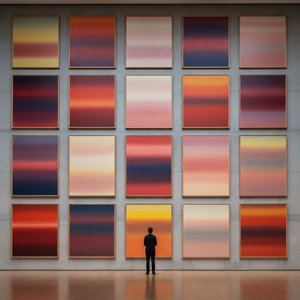
This captivating sketch, tentatively titled “Untitled (Sketch for Harvard Mural) 2,” offers an intimate glimpse into the creative process of one of the 20th century’s most influential artists, Mark Rothko. Dating from an unknown period, likely during the development of his monumental Harvard University mural project, the work transcends a simple architectural study; it is a deeply felt meditation on form, color, and the human condition. The image depicts a complex building structure rendered in muted tones – primarily pinks, blues, and grays – layered with meticulous detail that hints at Rothko’s ambition to create a grand, immersive experience for viewers.
- Composition & Technique: Rothko's hand is evident throughout the sketch, employing loose, gestural lines to define the building’s various levels and sections. The use of hatching and cross-hatching creates subtle variations in tone and texture, suggesting a preliminary exploration of color relationships rather than a fully realized painting. The drawing itself is not about precise representation but about capturing the *essence* of architectural space – its solidity, its verticality, and its potential for emotional resonance.
- Harvard Mural Project: This sketch is inextricably linked to Rothko’s ambitious Harvard mural project commissioned in 1937. The mural was intended to be a monumental work exploring themes of human history and the relationship between architecture and spirituality. While the final mural never came to fruition, sketches like this one reveal the scale and complexity of Rothko's initial vision.
Decoding the Symbolism: Layers of Meaning
While Rothko’s mature works are renowned for their abstract expression of emotion, even this preparatory sketch carries significant symbolic weight. The building itself can be interpreted as a representation of human endeavor – its towering structure symbolizing ambition and aspiration, while its fragmented form perhaps reflecting the inherent instability and impermanence of life. The color palette—pinks often associated with vulnerability and passion, blues with contemplation and melancholy—further amplifies this sense of emotional depth. The multiple levels suggest layers of experience, echoing Rothko’s lifelong preoccupation with themes of mortality, trauma, and the search for meaning.
- Architectural as Metaphor: Rothko frequently employed architectural forms in his work to explore broader philosophical concepts. The sketch's focus on structure and space suggests a desire to create a visual language that could convey complex ideas about human existence.
Historical Context & Rothko’s Vision
Created during the turbulent years of the 1930s, this sketch reflects the anxieties and intellectual currents of the time. The rise of fascism in Europe, coupled with the Great Depression, fueled a sense of uncertainty and disillusionment that permeated artistic circles. Rothko, deeply affected by these events, sought to create art that could offer solace and meaning in a world seemingly devoid of both. His work, like this sketch, is rooted in a profound engagement with existential questions – questions about life, death, and the search for spiritual truth.
- Early Exploration: This piece represents an early stage in Rothko’s development as a color field painter. It demonstrates his willingness to experiment with form and composition before settling on his signature style of luminous rectangular blocks of color.
Emotional Impact & Artistic Value
“Untitled (Sketch for Harvard Mural) 2” is more than just a preparatory drawing; it’s a powerful testament to Rothko's artistic vision and his unwavering commitment to exploring the depths of human emotion. The sketch’s raw energy, combined with its subtle nuances, invites viewers to contemplate the complexities of life and death, offering a poignant reminder of the artist’s enduring legacy. A hand-painted reproduction captures this essence perfectly, allowing you to bring Rothko's profound insights into your own space.
Obras relacionadas
Biografía del artista
vida temprana e influencias
Mark Rothko (Marcus Rothkowitz), un reconocido artista estadounidense, nació el 25 de septiembre de 1903 en Dvinsk, Letonia. Su familia emigró a los Estados Unidos cuando tenía solo diez años. Este cambio cultural influyó más tarde en su estilo artístico.evolución artística
La obra temprana de Rothko se caracterizó por el **expresionismo abstracto**, un estilo que enfatizaba el proceso de creación del arte más que el producto final. Sus pinturas, como No. 18 (1948) y Untitled (1948), mostraban su enfoque único del color y la forma.- **Campo de color:** El uso de campos de color rectangulares audaces por Rothko, a menudo en marcado contraste entre sí, creó una sensación de profundidad y emoción.
- **Estructura orgánica:** Sus pinturas parecían respirar vida, como si los colores fueran entidades vivientes.
obras notables y exposiciones
- No. 10 (1950), una pintura que marcó un cambio significativo en el estilo de Rothko, ahora forma parte de la colección del Museo de Arte Moderno.
- Las murales de Seagram, una serie de pinturas encargadas para el restaurante Four Seasons, mostraron la capacidad de Rothko para adaptar su estilo a diferentes entornos.
- No. 3 (1950), una pintura que ejemplifica el uso de campos de color rectangulares audaces por Rothko.
vida tardía y legado
La vida de Rothko estuvo marcada por las luchas con la salud mental y un matrimonio tumultuoso. Falleció el 25 de febrero de 1970, a los 66 años. A pesar de sus desafíos, Rothko dejó una huella imborrable en el mundo del arte. Ocre y rojo sobre rojo (campo de color), una pintura que muestra el enfoque único del color de Rothko, se puede encontrar en la colección ArtsDot.com. La página de Wikipedia de Mark Rothko proporciona más información sobre su vida y estilo artístico.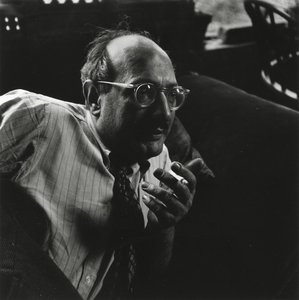
Mark Rothko
1903 - 1970 , Letonia
Datos clave
- Artistas Que Influyeron:
- Edward Hopper
- Pablo Picasso
- Fecha De Muerte: 25 de febrero de 1970
- Fecha De Nacimiento: 25 de septiembre de 1903
- Influencia En Artistas:
- Minimalismo
- Arte contemporáneo
- Lugar De Nacimiento: Daugavpils, Letonia
- Movimiento Artístico: Expresionismo Abstracto
- Nacionalidad: Estadounidense
- Nombre Completo: Mark Rothko (Marcus Rothkowitz)
- Obras Notables:
- No. 18 (1948)
- No. 10 (1950)
- Murales Seagram
- No. 3 (1950)
Artículos relacionados
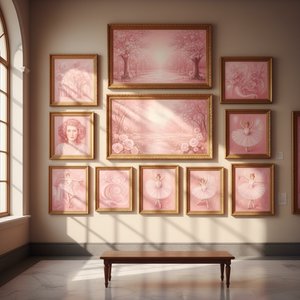
Los 10 Cuadros Más Famosos en Tonos Rosa Pastel: Arte y Decoración
Descubre los 10 cuadros más icónicos en tonos rosa pastel. Explora la historia de Monet, Renoir y otros maestros del impresionismo y el arte moderno. Encuentra reproducciones de alta calidad para decorar tu hogar con .
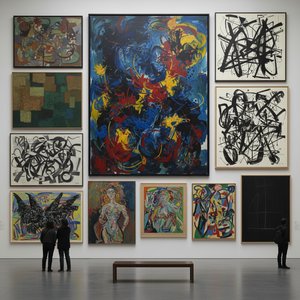
Expresionismo Abstracto: 10 Obras Maestras que Transformaron el Arte |
Descubre las 10 obras maestras del Expresionismo Abstracto: Pollock, Rothko y más. Explora la historia, técnica y significado de estos lienzos icónicos. Reproducciones de arte exclusivas en .
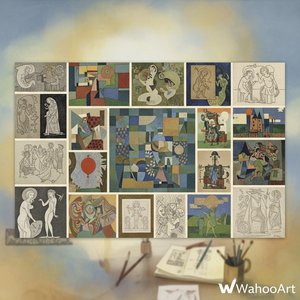
Paul Klee: Las 25 Obras Maestras que Definen un Genio del Arte Moderno | ArtsDot
Descubre las 25 obras maestras de Paul Klee, el genio del arte moderno. Explora su expresionismo único, composiciones abstractas y vibrantes paletas de colores. Reproducciones de alta calidad y decoración con arte en ArtsDot.com.

Abstracción Geométrica: 10 Obras Maestras que Transformaron el Arte Moderno | ArtsDot
Descubre las 10 obras maestras de la abstracción geométrica que revolucionaron el arte moderno. Explora a Mondrian, Malevich y Kandinsky en ArtsDot.com. Reproducciones de alta calidad para tu hogar.
Mark Rothko: Las 25 Obras Maestras que Definen la Expresión Abstracta | ArtsDot
Descubre las 25 obras maestras de Mark Rothko, pionero del expresionismo abstracto. Explora la historia, el significado y los colores vibrantes que definen su arte emocional. Reproducciones de alta calidad en ArtsDot.com.