

 Ver en contexto
 Enviar
 Compartir
 Detalles

 Descargar
 Similares
 Radiografía
 Presentación de diapositivas
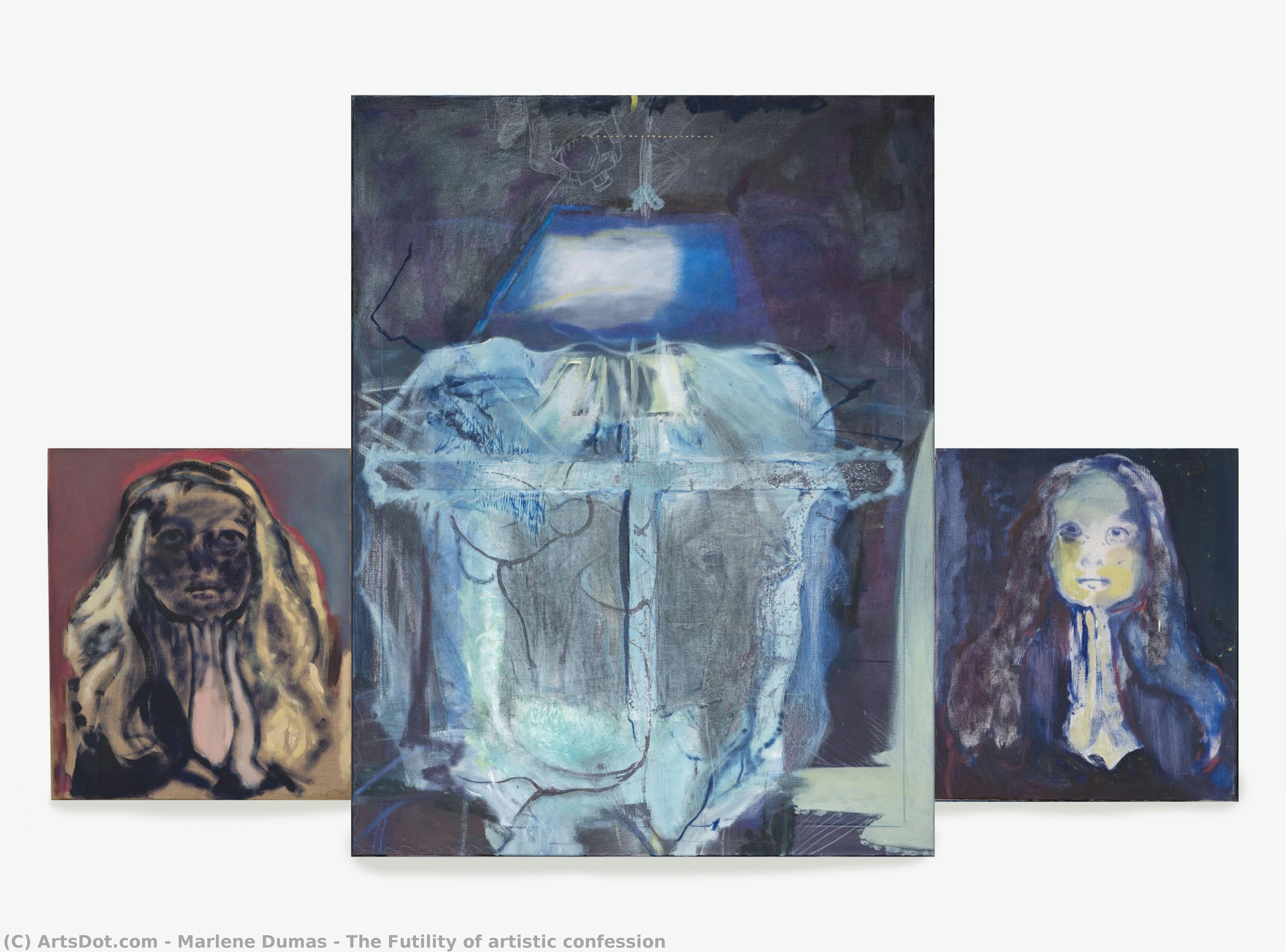
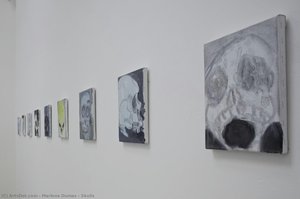
The Futility of artistic confession
 Painting
- Contemporary Art
 Contemporary
 160.0 x 120.0 cm
 Bonnefanten Museum
 Ver más
Reproducción al óleo hecha a mano
Óleo sobre lienzo pintado a mano en el tamaño y marco de su elección, realizado por encargo por nuestros artistas. ( Comprar impresión Comprar imagen)




P118B $10

P118H $10

P118W $10

P438Z $10

P508JH $12

P508YH $12

P805H $10

P805Z $10

P919BZ $10

P919G $10

P919XJ $10

P959ZH $10

P968JZ $12

W106C $8

W218G $10

W218JH $8

W218Y $10

W307PJ $10

W316G $10

W316PJ $8

W316Y $10

W398PJ $8

W4111J $10

W500HY $15

W500JH $15

W692G $12

W849H $8

W940BG $15

W953PJ $8




Elija entre nuestros tamaños predefinidos que respetan las proporciones originales de la obra.

Puede ingresar sus propias dimensiones para adaptarse a un marco o espacio específico. Si el tamaño seleccionado no coincide con las proporciones de la imagen original, recortaremos la obra o extenderemos la pintura con elementos adicionales pintados a mano. Se le enviará una maqueta digital para su aprobación antes de comenzar la producción.
Tenga en cuenta que la vista previa en pantalla no refleja el recorte o la extensión reales. Solo la maqueta mostrará con precisión la composición final.
Si bien existen tamaños personalizados, recomendamos seleccionar una dimensión de la lista predefinida para preservar las proporciones originales.
Tras realizar el pedido, el equipo de ArtsDot.com enviará un correo electrónico al cliente para solicitar instrucciones y proporcionarle una vista previa del boceto.
Envío a todo el mundo () en 3-4 semanas en lugar de las 5 semanas estándar. (6 septiembre). Sin comprometer la calidad.

Envío exprés gratuito a todo el mundo

Lienzo de lino de alta calidad

Seguro de envío total

Garantía de reembolso de impuestos aduaneros

Garantía de fidelidad cromática exacta

Política de devolución de 100 días (solo por defectos)

Garantía de devolución del 100% del dinero

Descuento por cantidad
 La opción de vidrio solo está disponible en tamaños inferiores a 110 cm.

The Futility of artistic confession
Técnica de reproducción
Dimensiones de la reproducción
-


Precio total final
$ 263
The Futility of Artistic Confession – Marlene Dumas
Marlene Dumas is a South African painter whose work stands apart in contemporary art—a testament to profound emotional depth and an unwavering commitment to confronting uncomfortable truths. Born in Cape Town in 1953, Dumas’s artistic journey began amidst the turbulent backdrop of apartheid, shaping her worldview and informing her exploration of themes like race, sexuality, and the very essence of human existence. Her formative years spent observing the stark divisions of South African society instilled within her a sensitivity to social injustice and a fascination with capturing fleeting moments of vulnerability—qualities that permeate her distinctive artistic style. Dumas’s technique is characterized by a remarkable restraint; she eschews elaborate ornamentation, prioritizing instead a sensual painting approach that isolates only the most crucial elements of her subjects. This deliberate simplification isn't merely stylistic choice but rather a conscious effort to distill emotion and experience into their purest form—a strategy reminiscent of Romantic painters who sought to convey profound psychological states through minimal visual cues. Her canvases often depict portraits rendered in muted tones, frequently utilizing ink washes and graphite pencil strokes to create hazy, atmospheric images that hover between representation and abstraction. The resulting effect is one of quiet contemplation, inviting viewers to engage with the subject’s inner life rather than simply observing its outward appearance. The artist draws inspiration from photographs found in newspapers and magazines—a habit that reflects her meticulous observation of the world around her and her ability to transform everyday images into powerful statements about human condition. Dumas's recurring motif is the depiction of female figures, often presented as solitary heads or torsos, gazing intently at a painted cross. This image isn’t merely decorative; it embodies a complex symbolism rooted in Christian iconography—the cross representing sacrifice, redemption, and ultimately, the futility of attempting to articulate profound spiritual experiences through visual language. The girl's gaze is unwavering, conveying both piety and apprehension as she confronts this emblem of faith. The central panel of Dumas’s triptych utilizes a camera snapshot – a deliberate juxtaposition highlighting the limitations of artistic representation. It underscores the artist’s awareness that capturing the complexities of human emotion—particularly vulnerability—is an inherently challenging endeavor. The painting itself is a subtle meditation on perception and memory, suggesting that true understanding lies beyond mere visual observation. Dumas's work invites us to consider how we interpret images and how art can illuminate the unspoken anxieties and desires that shape our lives.- Artist: Marlene Dumas
- Born Year: 1953
- Death Year: Living
- Birth City: Cape Town
- Birth Country: South Africa
Additional Research
The Rehearsal (TV series): This American docu-comedy television series created, written by and starring Nathan Fielder explores the unsettling intersection of performance art and everyday life. Its premise—helping ordinary people rehearse difficult conversations or life events through staged scenarios—captures a fascinating commentary on authenticity and social interaction. Marlene Dumas: A Life Shaped by Landscape and Sociopolitical Currents – Dumas’s upbringing amidst the stark realities of apartheid profoundly shaped her artistic vision, instilling within her a keen awareness of social injustice and the complexities of human identity. Growing up on her father’s vineyard in Kuils River, she witnessed firsthand the divisions and inequalities that defined South African society during those years—a landscape both beautiful and burdened by history. This early exposure to a fractured world would become a recurring theme throughout her career, informing her exploration of race, sexuality, and the psychological weight of existence. Dumas’s formal artistic journey began at the University of Cape Town in 1972, where she pursued a Bachelor of Fine Arts degree alongside studies in ethics. This combination proved crucial, laying the foundation for her distinctive approach to painting and shaping her enduring fascination with capturing human emotion through visual means. The Futility of Artistic Confession - Marlene Dumas: Exploring Themes of Vulnerability and Perception – Dumas’s masterful technique—characterized by muted tones and minimal ornamentation—serves as a conduit for conveying profound psychological states. Her canvases invite viewers to contemplate the elusive nature of truth and experience, prompting reflection on how art can illuminate the unspoken anxieties and desires that govern our lives.Notable Artworks
- The Last Supper - Untitled (681) - Untitled (830) - Jule-die Vrou - The SchoolboysObras relacionadas
![Abstract Composition [triptych] — Vaclav Vytlacil, Abstract Expressionism](/media/artworks/images-thumb/08/3c/083c0675045645fd42d4e6c6d63f1ced.jpg)
Biografía del artista
Marlene Dumas: Vida y Arte
Primeros Años y Educación
- Nacimiento: 1953 en Ciudad del Cabo, Sudáfrica.
- Dumas creció en Kuils River, Cabo Occidental, donde su padre poseía una viña. Esta crianza inculcó una temprana conciencia del panorama socio-político del apartheid sudafricano.
- Educación: Estudió arte en la Universidad de Ciudad del Cabo (1972-1975) y posteriormente en Ateliers '63 en Haarlem, Países Bajos.
- Otros estudios académicos incluyeron el estudio de psicología en la Universidad de Amsterdam (1979-1980), lo que influyó profundamente en su exploración de las emociones humanas y los estados psicológicos en su arte.
Desarrollo Artístico y Estilo
- Primeras Obras: Dumas comenzó a pintar en 1973, centrándose inicialmente en temas políticos y reflejando su identidad como mujer blanca de ascendencia afrikana dentro del contexto del apartheid.
- Influencias: Su estilo se basa en el Romanticismo, caracterizado por la intensidad emocional y la experiencia subjetiva. Se inspira en artistas como Egon Schiele y Francis Bacon.
- La técnica de Dumas a menudo implica el uso de fotografías Polaroid, recortes de revistas e incluso material pornográfico como puntos de referencia para sus pinturas.
- Estilo de Pintura: Su obra es conocida por sus pinceladas sueltas, figuras distorsionadas y emotivo uso del color. A menudo emplea una técnica de pintura “mojado sobre mojado”, superponiendo pintura fina y gruesa para crear profundidad y textura.
Temas y Materia Prima
- Temas Clave: Dumas explora constantemente temas complejos como la raza, la sexualidad, la identidad, la violencia, la culpa, la inocencia y la condición humana.
- Sus sujetos van desde retratos de amigos y amantes hasta representaciones de niños, bailarines de burlesque y figuras de la cultura popular.
- Resonancia Emocional: Los cuadros de Dumas no son meras representaciones de personas, sino exploraciones de estados emocionales y vulnerabilidades psicológicas.
Logros y Reconocimientos Importantes
- Retrospectiva en Mediana de Carrera: Su primera gran exposición de museo en Estados Unidos, “Measuring Your Own Grave”, se inauguró en 2008 en el Museo de Arte Contemporáneo, Los Ángeles, y viajó al Museo de Arte Moderno, Nueva York.
- Éxito en el Mercado del Arte: La venta de su pintura *Jule-die Vrou* (1985) en 2004 la posicionó como una de las tres artistas femeninas vivas cuyas obras se habían vendido por más de 1 millón de dólares.
- En 2023, *The Schoolboys* (1986–87) alcanzó los 9 millones de dólares en Art Basel Miami Beach.
- Venta Histórica: En mayo de 2025, *Miss January* (1997) se vendió por 13.6 millones de dólares en Christie's, estableciendo un nuevo récord para una artista femenina viva.
- Dumas ha sido representada por la Galería David Zwirner desde 2008.
Significado Histórico y Legado
- Influencia Contemporánea: Marlene Dumas se considera una de las pintoras contemporáneas más importantes. Su obra desafía las nociones convencionales del retrato y explora temas sociales y políticos difíciles con sensibilidad y profundidad.
- Impacto en el Mundo del Arte: Ha influido en una generación de artistas a través de sus pinturas cargadas de emoción y su disposición a abordar temas tabú.
- Su arte continúa provocando un diálogo sobre la identidad, la representación y las complejidades de la experiencia humana.
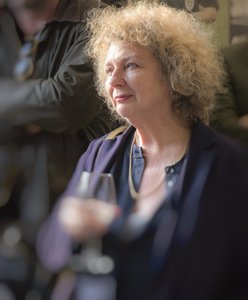
Marlene Dumas
1953 - , Sudáfrica
Datos clave
- Artistic Movement Or Style: Romanticismo
- Artists Who Influenced This Artist:
- Egon Schiele
- Francis Bacon
- Country: Sudáfrica
- Date Of Birth: 1953
- Full Name: Marlene Dumas
- Nationality: Sudafricana
- Notable Artworks:
- Jule-die Vrou
- Untitled (681)
- The Schoolboys
- Miss January
- Place Of Birth: Ciudad del Cabo
Artículos relacionados
Expresionismo Abstracto: 10 Obras Maestras que Transformaron el Arte |
Descubre las 10 obras maestras del Expresionismo Abstracto: Pollock, Rothko y más. Explora la historia, técnica y significado de estos lienzos icónicos. Reproducciones de arte exclusivas en .

Abstracción Geométrica: 10 Obras Maestras que Transformaron el Arte Moderno | ArtsDot
Descubre las 10 obras maestras de la abstracción geométrica que revolucionaron el arte moderno. Explora a Mondrian, Malevich y Kandinsky en ArtsDot.com. Reproducciones de alta calidad para tu hogar.

Kandinsky: Las 25 Obras Maestras del Pionero de la Abstracción | ArtsDot
Descubre las 25 obras maestras de Wassily Kandinsky, pionero del arte abstracto. Explora su expresionismo, composiciones únicas y la historia detrás de cada cuadro. Reproducciones de alta calidad para decorar tu hogar con arte moderno en ArtsDot.com.
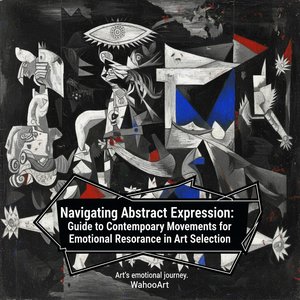
Navegando la Expresión Abstracta: Una Guía a los Movimientos Contemporáneos para la Resonancia Emocional en la Selección de Arte
Descubre el expresionismo abstracto con nuestra guía experta. Analizamos a Rothko, Newman y otros maestros para ayudarte a seleccionar arte que resuene contigo. ¡Encuentra la obra perfecta!
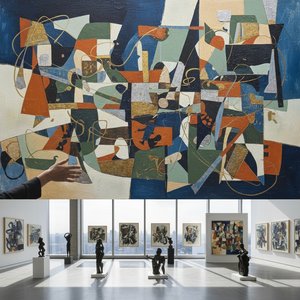
Deconstruyendo la Forma y el Sentimiento: Una Guía para Coleccionistas de Arte Abstracto Contemporáneo
Guía experta para coleccionistas de arte abstracto contemporáneo. Descubra las tendencias actuales, valore obras clave y aprenda a construir una colección significativa con ArtsDot.