

 Ver en contexto
 Enviar
 Compartir
 Detalles

 Descargar
 Similares
 Radiografía
 Presentación de diapositivas
 Estadísticas
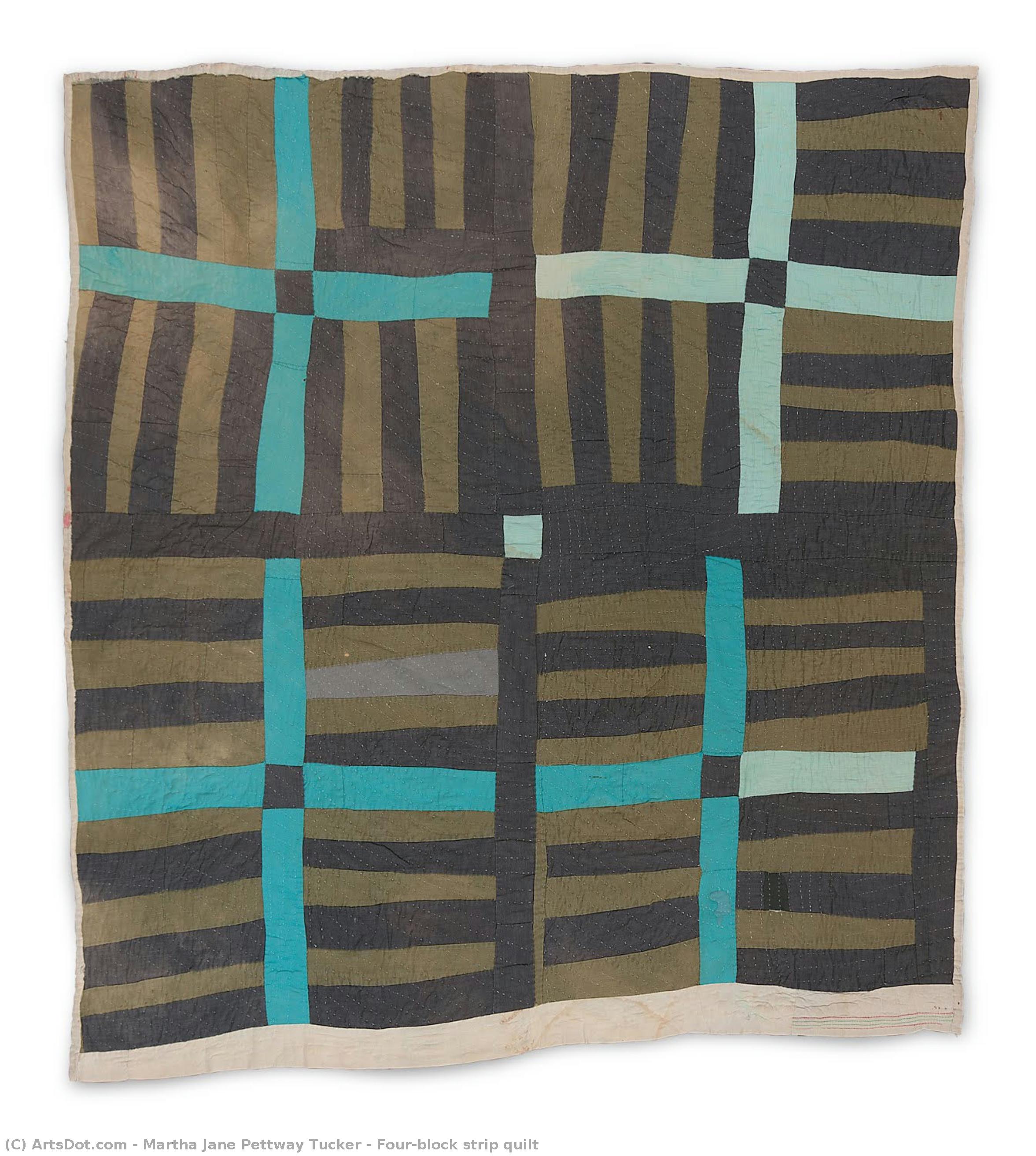
Four-block strip quilt
 1960
1960 198.0 x 185.0 cm
 Souls Grown Deep
 Ver más
Reproducción al óleo hecha a mano
Óleo sobre lienzo pintado a mano en el tamaño y marco de su elección, realizado por encargo por nuestros artistas. ( Cambiar a Impresión Cambiar a imagen digital)




































Elija entre nuestros tamaños predefinidos que respetan las proporciones originales de la obra.

Puede ingresar sus propias dimensiones para adaptarse a un marco o espacio específico. Si el tamaño seleccionado no coincide con las proporciones de la imagen original, recortaremos la obra o extenderemos la pintura con elementos adicionales pintados a mano. Se le enviará una maqueta digital para su aprobación antes de comenzar la producción.
Tenga en cuenta que la vista previa en pantalla no refleja el recorte o la extensión reales. Solo la maqueta mostrará con precisión la composición final.
Si bien existen tamaños personalizados, recomendamos seleccionar una dimensión de la lista predefinida para preservar las proporciones originales.
Tras realizar el pedido, el equipo de ArtsDot.com enviará un correo electrónico al cliente para solicitar instrucciones y proporcionarle una vista previa del boceto.
Envío a todo el mundo () en 3-4 semanas en lugar de las 5 semanas estándar. (9 septiembre). Sin comprometer la calidad.

Envío exprés gratuito a todo el mundo

Lienzo de lino de alta calidad

Seguro de envío total

Garantía de reembolso de impuestos aduaneros

Garantía de fidelidad cromática exacta

Política de devolución de 100 días (solo por defectos)

Garantía de devolución del 100% del dinero

Descuento por cantidad
 La opción de vidrio solo está disponible en tamaños inferiores a 110 cm.

Four-block strip quilt
Técnica de reproducción
Dimensiones de la reproducción
-


Precio total final
$ 263
Obras relacionadas




Biografía del artista
Martha Jane Pettway Tucker: A Legacy Woven in Color and Courage
Martha Jane Pettway Tucker (1898–2003), an American artist inextricably linked to the Gee’s Bend quilting tradition, stands as a beacon of resilience, artistic expression, and unwavering commitment to civil rights. Born in Gee's Bend, Alabama—a rural enclave nestled along Tombigbee River—her life unfolded within the crucible of Jim Crow segregation yet blossomed into a vibrant tapestry of creativity and community leadership. Her story is not merely one of quilting; it’s a chronicle of enduring spirit against adversity, and an inspiring testament to the transformative power of art as a vehicle for social change.Early Life and Roots in Gee's Bend
Martha Jane Pettway’s formative years were steeped in the traditions of her ancestral home. Gee’s Bend was—and remains—a community largely untouched by mainstream American culture, characterized by deep familial bonds and a profound connection to the land. Raised within the White’s Quarters area, Martha Jane experienced firsthand the hardships imposed upon Black families during the Depression era and beyond. However, these challenges fueled her determination to safeguard her family's heritage and to nurture the artistic spirit that would define her life’s work. Her husband, Little Pettway, alongside her, became instrumental in advocating for social justice within their community, demonstrating a courageous stance against systemic oppression. Notably, they were among the first families to receive assistance from the Roosevelt New Deal programs—a pivotal moment that fundamentally reshaped Gee's Bend’s economic landscape and fostered a spirit of collective empowerment.The Artistry of Repurposed Cloth: Quilting as Resistance
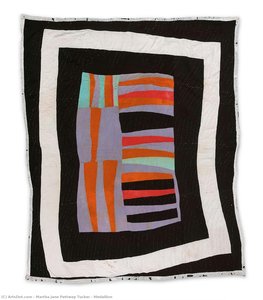
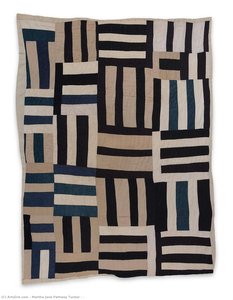
Martha Jane Pettway’s artistic legacy resides primarily in her quilts—remarkable creations born from scraps of fabric salvaged from old clothes, sugar sacks, and fertilizer bags. These weren't merely decorative objects; they were expressions of profound artistry imbued with symbolic meaning. The “Housetop” pattern—a distinctive geometric design featuring concentric squares—became a hallmark of Gee’s Bend quilting, reflecting both aesthetic innovation and the practical necessity to clothe her family during times of economic hardship. Her daughters, Plummer T. Pettway and Joanna Pettway, embraced this tradition with fervor, continuing Martha Jane's artistic lineage and perpetuating the legacy of Gee’s Bend quilters. The meticulous craftsmanship—often achieved without formal training—revealed an innate understanding of color, texture, and composition that transcended conventional notions of artmaking.Recognition and Preservation: Museums Celebrate Her Vision
Martha Jane Pettway’s quilts garnered international acclaim, securing their place in the collections of prestigious institutions such as The Metropolitan Museum of Art and The Philadelphia Museum of Art. These selections underscore not only her artistic talent but also the profound cultural significance of Gee's Bend quilting—a tradition that embodies American folk art at its finest. Her work was featured prominently in “Souls Grown Deep: Artists of the African American South,” organized by the Royal Academy of Arts, furthering the visibility and appreciation of Black artists’ contributions to American culture. Furthermore, her story has been documented extensively in scholarly publications and documentaries, ensuring that her artistic legacy—and her unwavering advocacy for civil rights—continue to inspire future generations.A Lasting Influence: Beyond Quilts
Martha Jane Pettway Tucker's impact extends far beyond the quilts themselves. She served as a tireless champion of Black empowerment within Gee’s Bend, demonstrating an unwavering commitment to social justice and community solidarity. Her involvement in New Deal initiatives—particularly the Roosevelt House project—represented a courageous step toward securing vital resources for her family and bolstering the resilience of her community during challenging times. Martha Jane Pettway Tucker's life exemplifies the transformative potential of art intertwined with activism—a powerful reminder that creativity can serve as a catalyst for social progress and cultural preservation.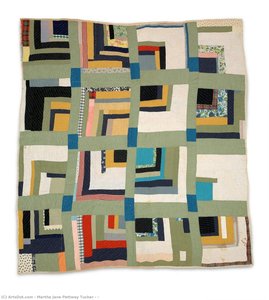
Martha Jane Pettway Tucker
1898 - 2003 , Estados Unidos
Datos clave
- Artistic Movement Or Style: Folk Art
- Artists Or Movements Influenced By This Artist: ['William Sidney Arnett']
- Date Of Birth: 1898
- Date Of Death: 2003
- Full Name: Martha Jane Pettway Tucker
- Nationality: American
- Notable Artworks: ['Untitled']
- Place Of Birth: Gee’s Bend, United States