

 Ver en contexto
 Enviar
 Compartir
 Detalles

 Descargar
 Similares
 Radiografía
 Presentación de diapositivas
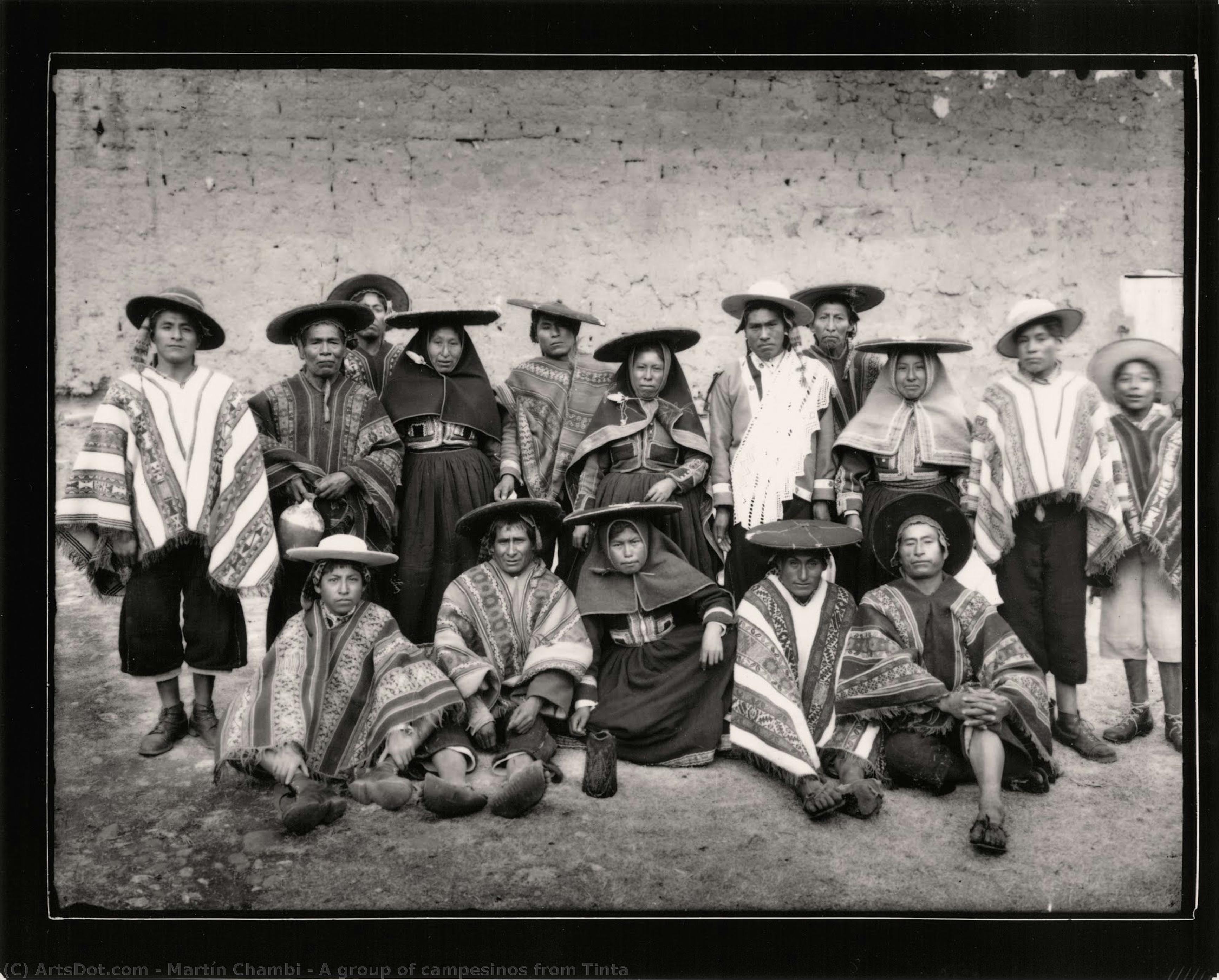
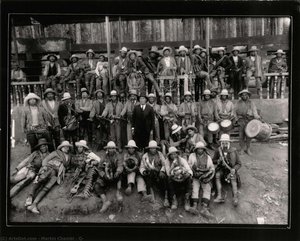
A group of campesinos from Tinta
 1930
1930 20.0 x 25.0 cm
 Museo de Culturas - MUDEC
 Ver más
Adquiera una imagen digital de alta resolución y optimizada, muy superior a la vista previa en línea.
Cada archivo es preparado meticulosamente por nuestros especialistas internos mediante el uso de herramientas avanzadas y un experto retoque manual. Nos aseguramos de que cada imagen posea una claridad excepcional, una precisión cromática impecable y un detalle minucioso.
El archivo final se entrega por correo electrónico en un plazo de 72 horas, optimizado para su uso inmediato en entornos profesionales, editoriales y de impresión. Esta es la misma calidad en la que confían los estudios de diseño, las editoriales y las galerías de primer nivel.
Imagen Digital
Descarga un archivo de alta resolución para exhibición personal, impresión y proyectos creativos. ( Comprar impresión Comprar pintura hecha a mano)
Incluido en cada pedido de imágenes digitales
Entrega digital experta, garantizada.
Al elegir ArtsDot.com, no solo está adquiriendo una imagen; está recibiendo una obra de arte digital mejorada profesionalmente, elaborada con precisión y respaldada por una garantía de satisfacción. Esto es todo lo que incluye su pedido, automáticamente:

Entrega rápida por email
Recibirá su archivo de imagen digital en alta resolución por correo electrónico en un plazo de 72 horas tras realizar su pedido, listo para su uso inmediato.

Archivo digital optimizado por IA
Su obra de arte se optimiza profesionalmente mediante herramientas avanzadas de IA y edición manual, garantizando el máximo detalle, claridad y precisión cromática.

Reenvío gratuito de por vida
¿Has borrado o perdido tu archivo por error? No te preocupes: te lo volveremos a enviar en cualquier momento, sin coste adicional.

Sin gastos de importación, siempre
Disfrute de su obra de arte al instante sin aduanas, aranceles ni gastos de envío; las descargas digitales siempre están libres de impuestos.

Garantía de fidelidad de color
Garantizamos que su imagen digital refleje los colores originales con la mayor fidelidad posible, mediante el uso de herramientas profesionales y gestión del color.

Garantía de satisfacción de 60 días
Si no está satisfecho con su imagen digital, la revisaremos o le reembolsaremos el 100% en un plazo de 60 días, sin preguntas.

100% Garantía de devolución de dinero
¿No está satisfecho? Obtenga un reembolso completo dentro de los 60 días posteriores a la recepción de su archivo digital, sin necesidad de explicaciones.

Descuentos por pedidos grandes
Compra 3 imágenes, ahorra 10% - Compra 5, ahorra 15% - Compra 10+, ahorra 20%. Ideal para proyectos creativos, galerías y agencias.
Descripción del coleccionable
Obras relacionadas






Biografía del artista
Martín Chambi: A Pioneer of Andean Documentary Photography
Martín Chambi Jiménez (1891-1973) stands as one of the most important figures in Peruvian photography and a trailblazer for indigenous Latin American visual culture. Born into humble beginnings in Coaza, Peru—a region scarred by colonial exploitation and marked by the enduring presence of Quechua traditions—Chambi’s life was profoundly shaped by circumstance and serendipitous encounters that ultimately propelled him to become a celebrated chronicler of Andean society. His artistic vision wasn't cultivated in formal academies but rather nurtured by an early fascination with photography sparked during his father’s stint in a gold mine, establishing a formative connection with the burgeoning art form. Early Influences: Chambi’s initial exposure to photography came from Max T. Vargas, whose studio in Arequipa provided invaluable apprenticeship experience and instilled foundational photographic skills. Vargas recognized Chambi's innate talent for capturing light and emotion—a skill that would become central to his artistic style. This mentorship proved crucial in shaping Chambi’s understanding of composition and technique, laying the groundwork for his future achievements as a documentary photographer. The Studio of Vargas & Sicuani: Recognizing the potential for professional advancement, Chambi moved to Arequipa and subsequently established his own studio in Sicuani in 1917, marking a pivotal moment in his artistic journey. Situated amidst the vibrant textile industry of Cuzco Province, Chambi’s studio became a hub for documenting Andean life—a mission he pursued with unwavering dedication throughout his career. He meticulously crafted images that captured both the grandeur of Machu Picchu and the everyday realities of rural communities, reflecting a deep respect for indigenous traditions and perspectives. Pioneering Postcards: Chambi's commitment to disseminating Andean culture extended beyond portraiture; he skillfully utilized the emerging medium of postcards to reach a wider audience—a strategy that effectively pioneered this format within Peru. These small prints served as windows into Cuzco’s landscapes and cultural heritage, fostering appreciation for Peruvian identity during an era marked by growing nationalist sentiment. Chambi's photographic vision was distinguished by its humanist empathy and commitment to preserving Andean traditions. Technique & Artistic Style: Chambi’s artistic style was characterized by meticulous technique—primarily albumen printing—which ensured exceptional tonal range and detail in his photographs. He prioritized capturing authentic representations of Andean communities, eschewing staged compositions for candid portraits that revealed the dignity and complexity of indigenous life. His subjects ranged from miners and artisans to religious figures and everyday families, offering invaluable insights into Peruvian culture during the early twentieth century. Chambi’s masterful use of light—a hallmark of his oeuvre—transformed ordinary scenes into evocative narratives, conveying emotion and capturing the essence of Andean experience with remarkable precision. Legacy & Recognition: Chambi's enduring contribution lies in providing a uniquely perceptive perspective on Peruvian history and culture—a testament to the transformative power of artistic observation and dedication. Images like “Indian Varayoc and Family,” “Theatre company with its director, Luis Ochoa” and “Pilgrims at Qoyllurit” exemplify his ability to convey emotion and narrative through carefully framed compositions and masterful tonal control. His photographs continue to inspire artists and scholars alike—serving as a cornerstone of Latin American documentary photography and a symbol of Peru’s rich cultural heritage. Chambi's work was honored internationally, culminating in a MoMA retrospective that cemented his place as a pivotal figure in Latin American photography and artistic history.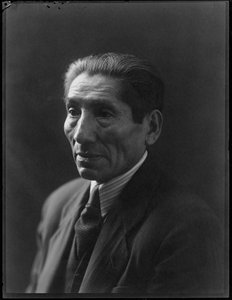
Martín Chambi
1891 - 1973 , Perú
Breves datos
- Artistic Movement Or Style: Documentary photography
- Artists Who Influenced This Artist: ['Max T. Vargas']
- Date Of Birth: November 5, 1891
- Date Of Death: September 13, 1973
- Full Name: Martín Chambi Jiménez
- Nationality: Peruvian
- Notable Artworks:
- Indian Varayoc and Family
- Theatre company with its director, Luis Ochoa
- Pilgrims at Qoyllurit
- Place Of Birth: Coaza, Peru

