

 Ver en contexto
 Enviar
 Compartir
 Detalles

 Descargar
 Similares
 Radiografía
 Presentación de diapositivas
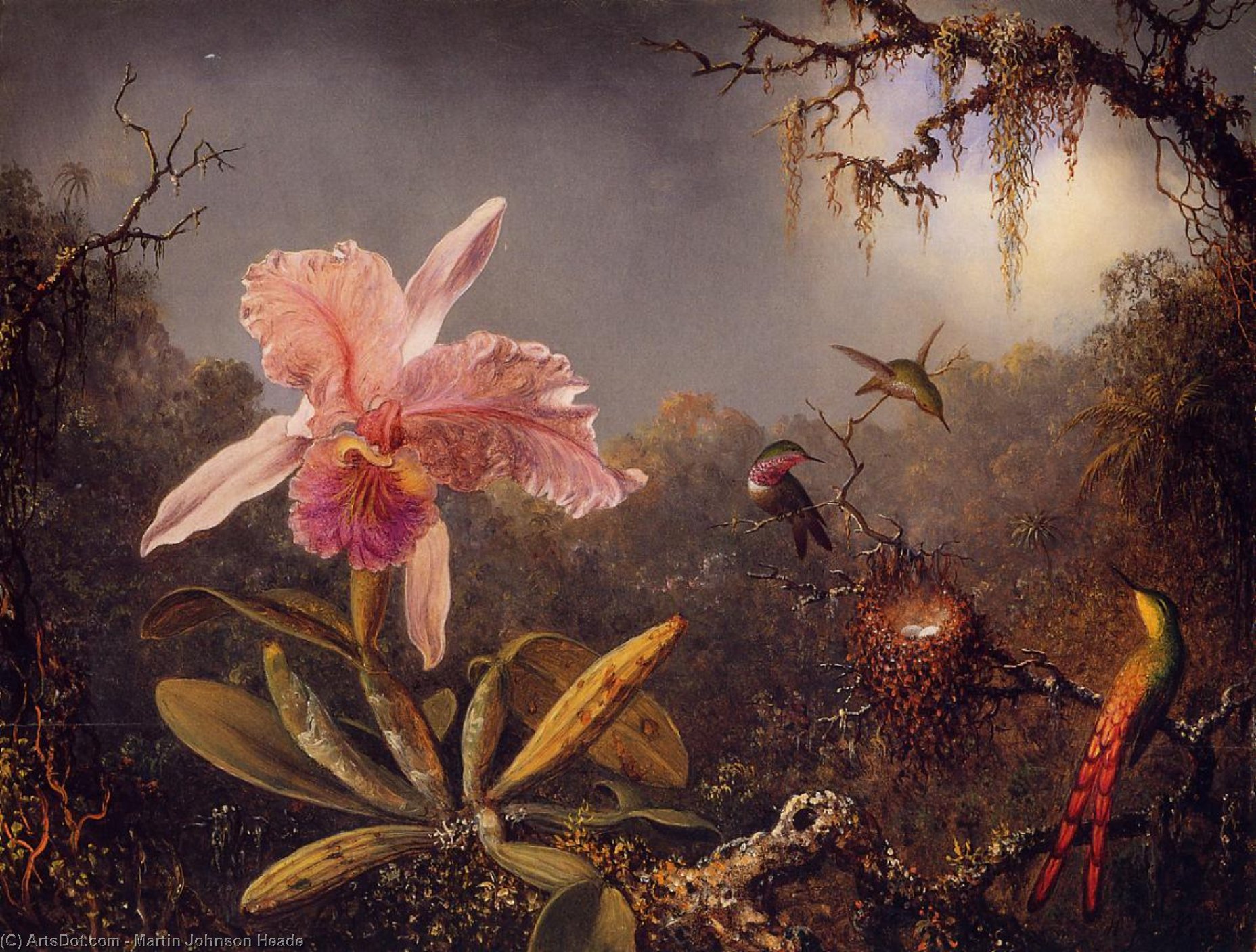
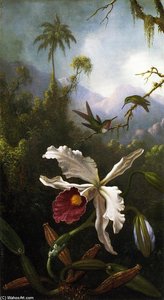
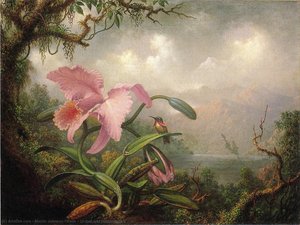
Cattleya Orchid and Three Brazilian Hummingbirds


 Ver más
Adquiera una imagen digital de alta resolución y optimizada, muy superior a la vista previa en línea.
Cada archivo es preparado meticulosamente por nuestros especialistas internos mediante el uso de herramientas avanzadas y un experto retoque manual. Nos aseguramos de que cada imagen posea una claridad excepcional, una precisión cromática impecable y un detalle minucioso.
El archivo final se entrega por correo electrónico en un plazo de 72 horas, optimizado para su uso inmediato en entornos profesionales, editoriales y de impresión. Esta es la misma calidad en la que confían los estudios de diseño, las editoriales y las galerías de primer nivel.
Imagen Digital
Descarga un archivo de alta resolución para exhibición personal, impresión y proyectos creativos. ( Comprar impresión Comprar pintura hecha a mano)
Incluido en cada pedido de imágenes digitales
Entrega digital experta, garantizada.
Al elegir ArtsDot.com, no solo está adquiriendo una imagen; está recibiendo una obra de arte digital mejorada profesionalmente, elaborada con precisión y respaldada por una garantía de satisfacción. Esto es todo lo que incluye su pedido, automáticamente:

Entrega rápida por email
Recibirá su archivo de imagen digital en alta resolución por correo electrónico en un plazo de 72 horas tras realizar su pedido, listo para su uso inmediato.

Archivo digital optimizado por IA
Su obra de arte se optimiza profesionalmente mediante herramientas avanzadas de IA y edición manual, garantizando el máximo detalle, claridad y precisión cromática.

Reenvío gratuito de por vida
¿Has borrado o perdido tu archivo por error? No te preocupes: te lo volveremos a enviar en cualquier momento, sin coste adicional.

Sin gastos de importación, siempre
Disfrute de su obra de arte al instante sin aduanas, aranceles ni gastos de envío; las descargas digitales siempre están libres de impuestos.

Garantía de fidelidad de color
Garantizamos que su imagen digital refleje los colores originales con la mayor fidelidad posible, mediante el uso de herramientas profesionales y gestión del color.

Garantía de satisfacción de 60 días
Si no está satisfecho con su imagen digital, la revisaremos o le reembolsaremos el 100% en un plazo de 60 días, sin preguntas.

100% Garantía de devolución de dinero
¿No está satisfecho? Obtenga un reembolso completo dentro de los 60 días posteriores a la recepción de su archivo digital, sin necesidad de explicaciones.

Descuentos por pedidos grandes
Compra 3 imágenes, ahorra 10% - Compra 5, ahorra 15% - Compra 10+, ahorra 20%. Ideal para proyectos creativos, galerías y agencias.
Descripción del coleccionable
A Tranquil Vision of Tropical Paradise: Cattleya Orchid and Three Hummingbirds by Martin Johnson Heade
Martin Johnson Heade’s “Cattleya Orchid and Three Hummingbirds,” completed in 1871, stands as a quintessential example of Luminism—a movement that championed serene landscapes imbued with spiritual resonance. More than just a depiction of flora and fauna, it embodies the ethos of its time: an earnest fascination with the natural world alongside a burgeoning belief in scientific observation and artistic expression as pathways to understanding God’s creation. ## The Quintessence of Luminist Tranquility Martin Johnson Heade's *Cattleya Orchid and Three Hummingbirds*, completed in 1871, embodies the very spirit of Luminism—a movement that championed serene landscapes imbued with subtle tonal gradations and an almost meditative stillness. Unlike Impressionists who sought to capture fleeting moments of light and color, Luminist painters like Heade prioritized conveying a profound sense of atmosphere and tranquility, mirroring the contemplative gaze of the Romantic era.
A Vision of Tropical Serenity: Cattleya Orchid and Three Hummingbirds
Martin Johnson Heade’s *Cattleya Orchid and Three Hummingbirds*, completed in 1871, stands as a quintessential example of Luminism—a movement that championed serene landscapes bathed in diffused light, prioritizing atmospheric perspective and capturing the subtle beauty of nature. This painting resides within the esteemed National Gallery of Art collection, offering visitors an unparalleled opportunity to experience firsthand the artistic vision of Martin Johnson Heade.A Vision of Tropical Tranquility
The artwork depicts a lush Brazilian rainforest scene dominated by a magnificent pink Cattleya orchid—a flower renowned for its exquisite beauty and fragrance. Three hummingbirds flit around the orchid blossoms, adding dynamism and vibrancy to the composition. The painting’s serene atmosphere is enhanced by misty foliage and distant trees, creating an immersive experience for the viewer.A Tranquil Vision of Tropical Paradise: Cattleya Orchid and Three Hummingbirds
Martin Johnson Heade's *Cattleya Orchid and Three Hummingbirds*, painted in 1871, stands as a quintessential example of Luminism—a movement that championed serene landscapes imbued with spiritual resonance rather than dramatic narratives. This exquisite oil-on mahogany panel captures the humid stillness of Brazil’s tropical rainforest, transporting viewers to an environment teeming with vibrant flora and fauna. At its heart lies “Cattleya Orchid and Three Hummingbirds,” a masterpiece executed in 1871 by Martin Johnson Heade, a pivotal figure in Luminist painting—a movement characterized by serene landscapes bathed in diffused light and prioritizing atmospheric perspective above detailed representation. This remarkable artwork, "Cattleya Orchid and Three Hummingbirds," exemplifies the Luminist aesthetic's profound connection to nature’s beauty and its subtle exploration of scientific observation interwoven with poetic contemplation.A Vision of Tropical Elegance
“Cattleya Orchid and Three Hummingbirds” by Martin Johnson Heade is a masterpiece of Luminism, an artistic movement that flourished in America during the mid-1860s and 1870s. It captures a serene tropical landscape—specifically, a dense Brazilian rainforest—with remarkable precision and luminosity, embodying the core principles of Luminist painting.A Vision of Tropical Tranquility
Martin Johnson Heade’s *Cattleya Orchid and Three Hummingbirds*, completed in 1871, stands as a quintessential example of Luminism – an artistic movement that championed serene landscapes imbued with spiritual resonance. Painted on mahogany panel, the artwork captures a breathtaking glimpse into Brazil's tropical rainforest, specifically focusing on the exquisite beauty of Cattleya orchids intertwined with hummingbirds—a motif deeply rooted in Victorian scientific fascination and Romantic idealism. ## The Vision of Tranquility: Luminism and Heade’s Landscape Philosophy Martin Johnson Heade (1819-1904) stands as a pivotal figure in American art, embodying the ethos of Luminism – a movement that championed serene landscapes imbued with subtle tonal gradations and atmospheric perspective. Unlike Romantic painters who sought dramatic emotion, Luminists like Martin Johnson Heade prioritized capturing the quiet beauty of nature, reflecting a philosophical shift toward observation and scientific inquiry.A Moment Frozen in Tropical Reverie: Cattleya Orchid and Three Hummingbirds
Martin Johnson Heade’s *Cattleya Orchid and Three Hummingbirds*, completed in 1871, stands as a quintessential example of Luminist painting—a movement that championed serene landscapes imbued with subtle tonal gradations to convey mood and atmosphere. More than just a depiction of flora and fauna, it embodies the Romantic spirit's fascination with the sublime – confronting viewers with the grandeur and beauty of nature while simultaneously hinting at its untamed power. ## The Quintessence of Luminism: Cattleya Orchid and Three Hummingbirds Martin Johnson Heade’s *Cattleya Orchid and Three Hummingbirds*, completed in 1871, stands as a quintessential exemplar of Luminist painting—a movement that championed serene landscapes imbued with subtle tonal gradations and atmospheric haze to convey an idealized vision of nature. This remarkable artwork, “Cattleya Orchid and Three Hummingbirds,” by Martin Johnson Heade, resides within the esteemed collection of the National Gallery of Art in Washington D.C., a testament to its enduring beauty and artistic merit.A Luminist’s Quiet Vision: The Essence of Cattleya Orchid and Three Hummingbirds
Martin Johnson Heade's *Cattleya Orchid and Three Hummingbirds*, completed in 1871, stands as a quintessential example of Luminism—a movement that championed serene landscapes imbued with subtle tonal gradations and atmospheric perspective. Painted on mahogany panel, the artwork depicts a lush Brazilian marsh bathed in diffused sunlight, dominated by an exquisite Cattleya orchid and attended by three hummingbirds – a striking combination reflecting Heade’s fascination with capturing the ephemeral beauty of tropical flora and fauna. ## The Scene: A Lush Tropical Reverie Martin Johnson Heade's *Cattleya Orchid and Three Hummingbirds*, completed in 1871, transports viewers to the humid depths of Brazil’s rainforest—a realm meticulously rendered by the Luminist painter. More than just a botanical depiction, it embodies a profound philosophical stance on nature’s beauty and humanity’s place within its grandeur. The painting captures a moment frozen in time, bathed in diffused sunlight that illuminates a lush tropical landscape dominated by a magnificent Cattleya orchid and three Brazilian hummingbirds. ## A Vision of Luminism: Heade's Tranquil Tropical Dreamscape Martin Johnson Heade (1819-1904), a pivotal figure in American Luminist painting, achieved renown for his masterful depictions of the natural world—particularly coastal marshes and tropical landscapes—characterized by an almost ethereal stillness. “Cattleya Orchid and Three Hummingbirds,” completed in 1871, exemplifies this distinctive aesthetic and offers a profound glimpse into Heade’s artistic vision during the Luminist movement.A Moment Frozen in Tropical Splendor
The painting depicts a lush Brazilian jungle scene bathed in diffused sunlight—a hallmark of Luminism, an American art style that prioritizes atmospheric perspective and tranquil landscapes over dramatic narratives. Martin Johnson Heade meticulously rendered this serene marsh scene with remarkable precision, capturing the subtle nuances of light and color to convey a profound sense of stillness and beauty. The painting’s composition draws the eye upward towards the dominant pink Cattleya orchid, its petals unfurling gracefully against the muted tones of the surrounding foliage. Three Brazilian hummingbirds hover around the flower, their iridescent plumage shimmering in the dappled sunlight—a testament to Heade's masterful observation of nature and his ability to capture fleeting moments of beauty.A Luminist’s Quiet Vision: Exploring Cattleya Orchid and Three Hummingbirds
Martin Johnson Heade (1819-1904) stands as a cornerstone of American Luminism, an artistic movement characterized by its serene landscapes bathed in diffused light—a deliberate rejection of Romantic melodrama in favor of contemplative observation. His paintings aren’t merely depictions of nature; they are expressions of a profound connection to the natural world and a subtle exploration of spiritual themes. Consider “Cattleya Orchid and Three Hummingbirds,” completed in 1871, as an exemplary illustration of Heade's Luminist aesthetic.A Moment Frozen in Tropical Brilliance
Martin Johnson Heade’s *Cattleya Orchid and Three Hummingbirds* isn’t merely a depiction of flora; it’s a distillation of the Luminist movement’s core ethos—a profound reverence for the quiet majesty of the natural world rendered with breathtaking precision. Completed in 1871, “Cattleya Orchid and Three Hummingbirds” stands as one of Martin Johnson Heade's most celebrated works, capturing not merely a visual representation but an essence of Luminist philosophy – a dedication to portraying the sublime beauty of nature without embellishment or sentimentality.The Scene: Tropical Tranquility
“Cattleya Orchid and Three Hummingbirds,” painted in 1871 by Martin Johnson Heade, captures a breathtaking glimpse into the vibrant heart of Brazil’s rainforest ecosystem. The canvas depicts a dense jungle landscape bathed in diffused sunlight—a characteristic feature of Luminist painting—where lichen-covered branches dominate the upper portion of the scene. Beneath this canopy, moss drips from trees, creating an atmosphere of quiet contemplation and immersion in nature's beauty. ## Cattleya Orchid and Three Hummingbirds: A Symphony of Color and Detail Martin Johnson Heade’s *Cattleya Orchid and Three Hummingbirds*, completed in 1Obras relacionadas
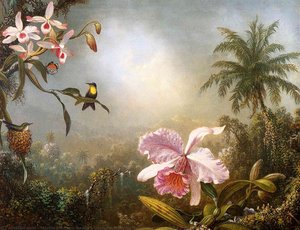
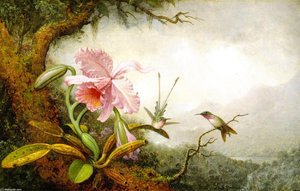
Biografía del artista
Primeros años y formación
Martin Johnson Heade, pintor estadounidense, nació el 11 de agosto de 1819 en Lumberville, Pensilvania. Su temprana vida estuvo marcada por una fuerte inclinación hacia el arte, lo que lo llevó a estudiar bajo la tutela de Edward Hicks y posiblemente Thomas Hicks. Esta formación fundamental sentó las bases para sus futuros esfuerzos artísticos.Carrera artística
La carrera artística de Heade se puede clasificar en varias fases, cada una marcada por un cambio distintivo en su tema y estilo. Inicialmente, se centró en el retrato, siendo su obra conocida más temprana un retrato de 1839. Tras esto, viajó a Europa, donde estuvo expuesto a diversas influencias artísticas.- Su trabajo comenzó a mostrar un interés marcado por la pintura de paisajes, particularmente después de conocer a artistas de la Escuela del Río Hudson, como John Frederick Kensett y Benjamin Champney.
- Sus viajes a Brasil (1863-1864) y posteriores viajes a Nicaragua, Colombia, Panamá y Jamaica (1866 y 1870) influyeron profundamente en su trabajo, lo que llevó a una serie de pequeñas pinturas que representaban colibríes.
- Sus años posteriores en St. Augustine, Florida, estuvieron marcados por un mayor enfoque en el bodegón, particularmente las flores de magnolia sobre tela de terciopelo.
Estilo y obras notables
El estilo de Martin Johnson Heade se caracteriza por un enfoque romántico de sus temas, a menudo centrándose en la interacción entre la luz y la sombra. Sus obras más renombradas incluyen representaciones de los marismas costeras de Nueva Inglaterra, lo que ha llevado a algunos historiadores a categorizarlo como pintor luminista.- Su trabajo ahora forma parte de importantes museos y colecciones, incluyendo la colección de Martin Johnson Heade en https://ArtsDot.com/@/martin-johnson-heide.
- Algunas de sus notables pinturas, como *Forked Tailed Woodnymph*, se pueden encontrar en la colección de ArtsDot.
- Para obtener más información sobre la vida y obra de Heade, visite la página de Wikipedia sobre Martin Johnson Heade: https://en.wikipedia.org/wiki/martin_johnson_heade.
Influencias y desarrollo artístico
La obra de Heade muestra una evolución significativa a lo largo de su carrera, influenciada por varios factores. Su formación inicial con Edward Hicks le proporcionó una base sólida en las técnicas tradicionales de pintura. Su viaje a Europa expuso a Heade a la estética del arte europeo, mientras que su asociación con artistas de la Escuela del Río Hudson, como Frederic Edwin Church, lo llevó a explorar el paisaje americano y desarrollar un estilo distintivo. La fascinación por los paisajes tropicales, alimentada por *Heart of the Andes* de Church, impulsó sus viajes a Sudamérica y el Caribe, donde capturó la belleza exótica de la flora y fauna locales. Su posterior residencia en St. Augustine, Florida, marcó una transición hacia un enfoque más introspectivo, centrado en las flores y los paisajes costeros del sureste americano.Legado e importancia histórica
A pesar de no ser ampliamente conocido durante su vida, el trabajo de Martin Johnson Heade ha atraído la atención de académicos y coleccionistas desde la década de 1940. Hoy en día, es reconocido como un importante artista estadounidense, con sus pinturas ocasionalmente descubiertas en lugares inesperados como ventas de garaje y mercadillos. Su contribución al arte americano radica en su capacidad para capturar la belleza serena de los paisajes costeros y la delicadeza de las flores, utilizando una técnica luminista que enfatiza la luz y la atmósfera. Su obra representa un importante capítulo en la historia del arte estadounidense, destacando la diversidad de temas y estilos dentro del movimiento artístico del siglo XIX.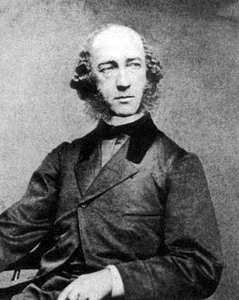
Martin Johnson Heade
1819 - 1904 , Estados Unidos de América
Breves datos
- Artistas Que Influyeron:
- Edward Hicks
- Thomas Hicks
- John Frederick Kensett
- Benjamin Champney
- Frederic Edwin Church
- Fecha De Fallecimiento: 4 de septiembre de 1904
- Fecha De Nacimiento: 11 de agosto de 1819
- Lugar De Nacimiento: Lumberville, EE. UU.
- Movimiento Artístico: Luminismo, Hudson River School
- Nacionalidad: Estadounidense
- Nombre Completo: Martin Johnson Heade
- Obras Notables:
- Salt Marsh Landscapes
- Forked Tailed Woodnymph
- Giant Magnolias on Velvet

