 Ver en contexto
 Enviar
 Compartir
 Detalles

 Descargar
 Similares
 Radiografía
 Presentación de diapositivas
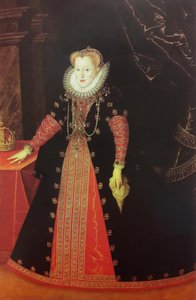
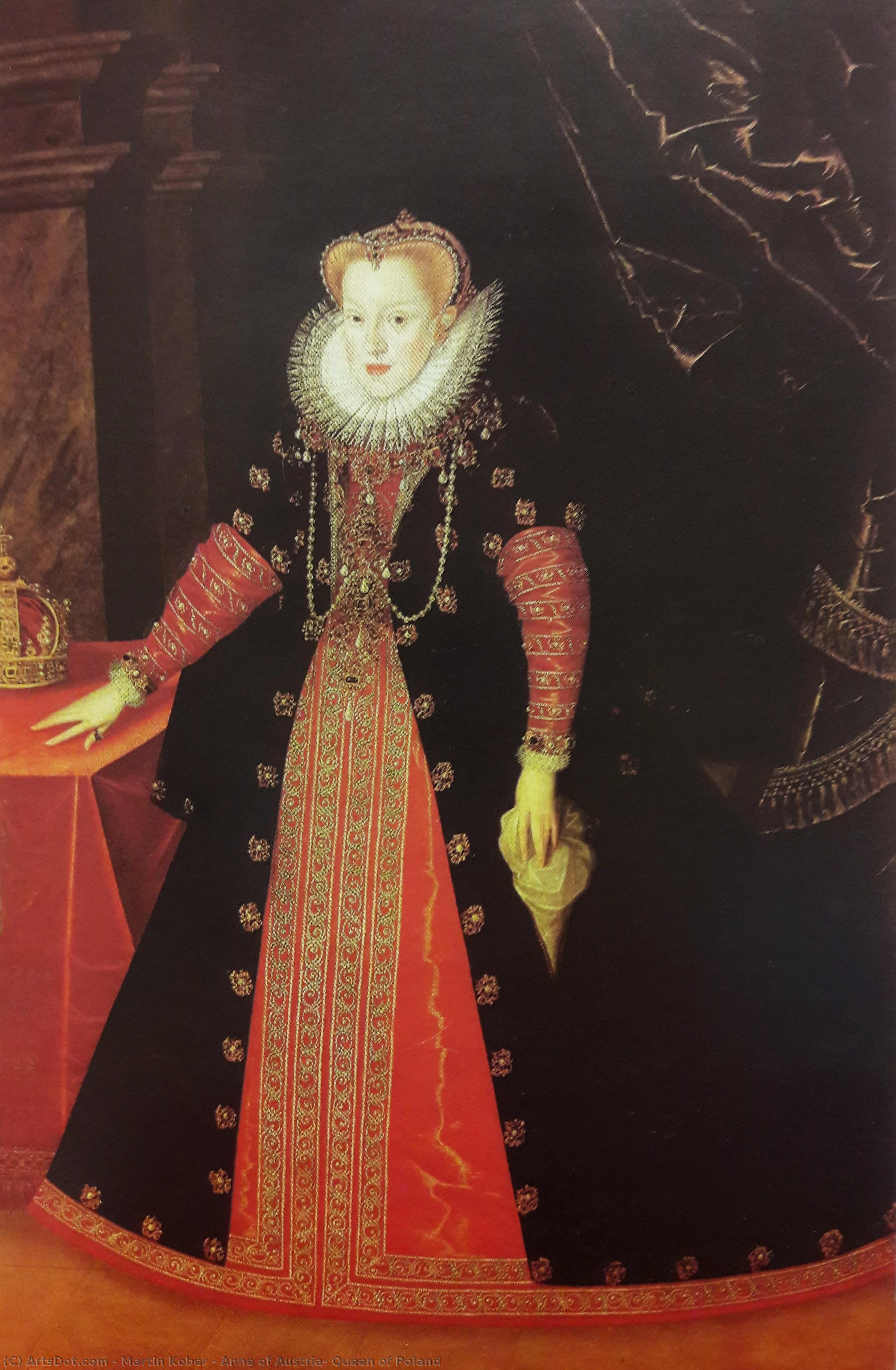
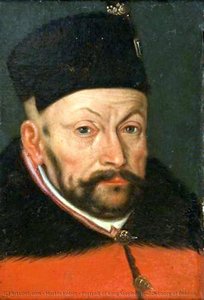
Anne of Austria, Queen of Poland


 Ver más
Adquiera una imagen digital de alta resolución y optimizada, muy superior a la vista previa en línea.
Cada archivo es preparado meticulosamente por nuestros especialistas internos mediante el uso de herramientas avanzadas y un experto retoque manual. Nos aseguramos de que cada imagen posea una claridad excepcional, una precisión cromática impecable y un detalle minucioso.
El archivo final se entrega por correo electrónico en un plazo de 72 horas, optimizado para su uso inmediato en entornos profesionales, editoriales y de impresión. Esta es la misma calidad en la que confían los estudios de diseño, las editoriales y las galerías de primer nivel.
Imagen Digital
Descarga un archivo de alta resolución para exhibición personal, impresión y proyectos creativos. ( Comprar impresión Comprar pintura hecha a mano)
Incluido en cada pedido de imágenes digitales
Entrega digital experta, garantizada.
Al elegir ArtsDot.com, no solo está adquiriendo una imagen; está recibiendo una obra de arte digital mejorada profesionalmente, elaborada con precisión y respaldada por una garantía de satisfacción. Esto es todo lo que incluye su pedido, automáticamente:

Entrega rápida por email
Recibirá su archivo de imagen digital en alta resolución por correo electrónico en un plazo de 72 horas tras realizar su pedido, listo para su uso inmediato.

Archivo digital optimizado por IA
Su obra de arte se optimiza profesionalmente mediante herramientas avanzadas de IA y edición manual, garantizando el máximo detalle, claridad y precisión cromática.

Reenvío gratuito de por vida
¿Has borrado o perdido tu archivo por error? No te preocupes: te lo volveremos a enviar en cualquier momento, sin coste adicional.

Sin gastos de importación, siempre
Disfrute de su obra de arte al instante sin aduanas, aranceles ni gastos de envío; las descargas digitales siempre están libres de impuestos.

Garantía de fidelidad de color
Garantizamos que su imagen digital refleje los colores originales con la mayor fidelidad posible, mediante el uso de herramientas profesionales y gestión del color.

Garantía de satisfacción de 60 días
Si no está satisfecho con su imagen digital, la revisaremos o le reembolsaremos el 100% en un plazo de 60 días, sin preguntas.

100% Garantía de devolución de dinero
¿No está satisfecho? Obtenga un reembolso completo dentro de los 60 días posteriores a la recepción de su archivo digital, sin necesidad de explicaciones.

Descuentos por pedidos grandes
Compra 3 imágenes, ahorra 10% - Compra 5, ahorra 15% - Compra 10+, ahorra 20%. Ideal para proyectos creativos, galerías y agencias.
Obras relacionadas



Biografía del artista
The Enigmatic Landscapes of Martin Kober
Martin Kober is a contemporary artist whose work quietly commands attention, drawing viewers into meticulously crafted landscapes that resonate with both tranquility and an underlying sense of mystery. While biographical details remain somewhat elusive – Kober intentionally maintains a low profile, allowing the paintings themselves to speak most directly – his artistic journey has been one of consistent exploration within the realm of atmospheric perspective and subtle emotional expression. He emerged in the late 20th century, a period marked by a return to representational painting after decades dominated by abstraction, yet Kober’s approach is far from simply revivalist. Instead, he synthesizes traditional techniques with a distinctly modern sensibility, creating scenes that feel both familiar and otherworldly. His canvases are not depictions of specific places, but rather evocations of mood, memory, and the profound connection between humanity and the natural world.Early Influences and Artistic Development
Though details about his formal training are scarce, it’s evident that Kober possesses a deep understanding of the Old Masters – particularly the Dutch landscape painters of the 17th century like Jacob van Ruisdael and Albert Cuyp. The influence is not one of direct imitation, but rather an absorption of their mastery of light, shadow, and atmospheric effects. The meticulous detail in his rendering of foliage, water, and sky clearly echoes these traditions, yet Kober infuses his work with a contemporary palette and a more restrained emotional tone. Early works often featured solitary trees silhouetted against vast, expansive skies, hinting at themes of isolation and contemplation that would become central to his oeuvre. He gradually moved away from purely representational depictions, incorporating increasingly abstract elements into his compositions – blurred boundaries, ambiguous forms, and a heightened emphasis on color as a means of conveying emotion rather than simply describing reality. This evolution suggests an early engagement with the principles of Impressionism and Post-Impressionism, though Kober’s work ultimately transcends easy categorization.Themes and Techniques
Kober's paintings are characterized by their evocative power and subtle complexity. He frequently depicts scenes of forests, fields, and waterways, often shrouded in mist or bathed in the soft light of dawn or dusk. These landscapes are not idyllic retreats but rather spaces that invite introspection and a sense of quiet melancholy. The absence of human figures in many of his works further emphasizes this feeling of solitude, suggesting a world untouched by civilization – or perhaps one from which humanity has withdrawn. His technique is remarkably refined, employing layers of thin glazes to create luminous effects and subtle gradations of color. He often uses a limited palette, relying on variations of blues, greens, grays, and browns to convey atmosphere and mood. The surfaces of his paintings are smooth and almost seamless, creating a sense of depth and realism that draws the viewer into the scene. Kober’s mastery of light is particularly noteworthy – he captures the fleeting effects of sunlight filtering through trees, the shimmering reflections on water, and the subtle nuances of atmospheric perspective with extraordinary precision.Major Achievements and Historical Significance
While Kober has eschewed large-scale exhibitions and public recognition, his work has steadily gained a devoted following among collectors and art enthusiasts. He is represented in several private collections internationally, and his paintings have been featured in numerous smaller galleries and curated shows. His significance lies not in groundbreaking innovation but rather in the quiet perfection of his craft and the profound emotional resonance of his work.- He represents a continuation of the representational tradition in contemporary art.
- His landscapes offer a powerful antidote to the fast-paced, hyper-connected world, inviting viewers to slow down and reconnect with nature.
- Kober’s work demonstrates the enduring power of painting as a medium for expressing subtle emotions and complex ideas.