 Ver en contexto
 Enviar
 Compartir
 Detalles

 Descargar
 Similares
 Radiografía
 Presentación de diapositivas
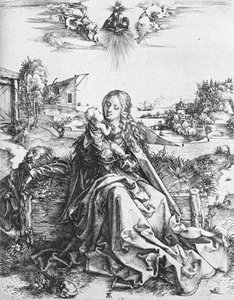
Madonna and Child in the Couryard
 Engraving
- WallArt
- Northern Renaissance
 1480
1480 166.0 x 119.0 cm
 Staatliche Museen zu Berlin
 Ver más
Reproducción al óleo hecha a mano
Óleo sobre lienzo pintado a mano en el tamaño y marco de su elección, realizado por encargo por nuestros artistas. ( Comprar impresión Comprar imagen)




P118B $10

P118H $10

P118W $10

P438Z $10

P508JH $12

P508YH $12

P805H $10

P805Z $10

P919BZ $10

P919G $10

P919XJ $10

P959ZH $10

P968JZ $12

W106C $8

W218G $10

W218JH $8

W218Y $10

W307PJ $10

W316G $10

W316PJ $8

W316Y $10

W398PJ $8

W4111J $10

W500HY $15

W500JH $15

W692G $12

W849H $8

W940BG $15

W953PJ $8




Elija entre nuestros tamaños predefinidos que respetan las proporciones originales de la obra.

Puede ingresar sus propias dimensiones para adaptarse a un marco o espacio específico. Si el tamaño seleccionado no coincide con las proporciones de la imagen original, recortaremos la obra o extenderemos la pintura con elementos adicionales pintados a mano. Se le enviará una maqueta digital para su aprobación antes de comenzar la producción.
Tenga en cuenta que la vista previa en pantalla no refleja el recorte o la extensión reales. Solo la maqueta mostrará con precisión la composición final.
Si bien existen tamaños personalizados, recomendamos seleccionar una dimensión de la lista predefinida para preservar las proporciones originales.
Tras realizar el pedido, el equipo de ArtsDot.com enviará un correo electrónico al cliente para solicitar instrucciones y proporcionarle una vista previa del boceto.
Envío a todo el mundo () en 3-4 semanas en lugar de las 5 semanas estándar. (26 agosto). Sin comprometer la calidad.

Envío exprés gratuito a todo el mundo

Lienzo de lino de alta calidad

Seguro de envío total

Garantía de reembolso de impuestos aduaneros

Garantía de fidelidad cromática exacta

Política de devolución de 60 días (solo por defectos)

Garantía de devolución del 100% del dinero

Descuento por cantidad
 La opción de vidrio solo está disponible en tamaños inferiores a 110 cm.

Madonna and Child in the Couryard
Técnica de reproducción
Dimensiones de la reproducción
-


Precio total final
$ 288
Descripción de la obra
A Serene Vision of Faith: Exploring Martin Schongauer's "Madonna and Child in the Courtyard"
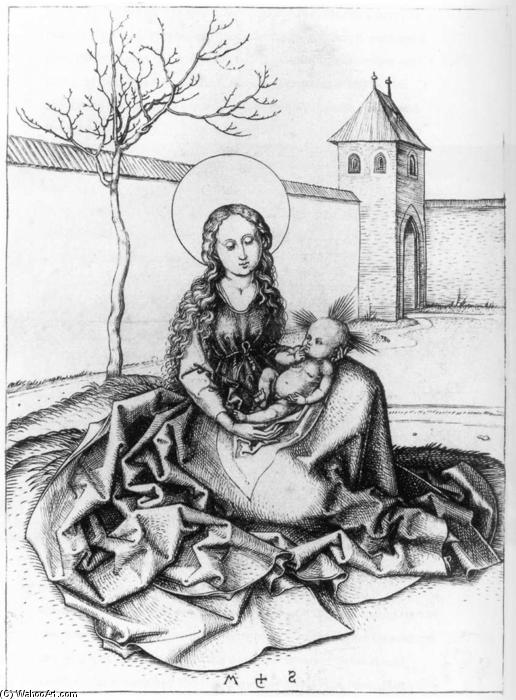
Martin Schongauer’s “Madonna and Child in the Courtyard,” a masterpiece crafted around 1480, offers a profound glimpse into the heart of Northern Renaissance art. More than simply a depiction of religious iconography, it’s a meticulously constructed tableau brimming with symbolic weight and technical brilliance—a testament to Schongauer's pioneering role as one of the first artists to truly master engraving. The image, rendered in stark monochrome, immediately draws the viewer into a quiet, contemplative space, inviting us to ponder the intimate connection between the Virgin Mary and her infant son within the protective embrace of their secluded sanctuary.
The composition itself is deceptively simple yet profoundly effective. Schongauer skillfully employs an off-center placement for the Madonna, creating a subtle dynamism that prevents the scene from feeling static. The low wall or courtyard fence acts as a grounding element, anchoring the figures while simultaneously suggesting a sense of enclosure and domesticity—a deliberate contrast to the grander, more public settings often associated with religious art. The distant building, topped with a steeple, provides a subtle backdrop, hinting at a wider world beyond this intimate haven, yet never threatening to overwhelm the central focus.
Technical Mastery: The Language of Line and Shadow
Schongauer’s genius lies not in color—which is absent here—but in his masterful manipulation of line. The entire image is built upon a dense network of meticulously etched lines, each carefully considered to convey texture, form, and depth. Hatching, cross-hatching, and stippling are deployed with astonishing precision, creating an illusion of shading and volume that rivals oil paint. The varying density of the lines simulates the roughness of stone walls, the folds of drapery, and even the soft glow of light on skin—a remarkable feat achieved entirely through line alone.
The engraving process itself is a testament to Schongauer’s skill. He worked on a copperplate, meticulously cutting away areas to reveal the white paper beneath, creating a subtractive technique that demanded incredible control and patience. The subtle gradations of tone achieved through this method are particularly striking, lending a remarkable sense of realism and atmosphere to the scene. Notice how the lines converge to create the illusion of depth, with the background building appearing slightly blurred and less detailed than the figures in the foreground—a classic technique for conveying atmospheric perspective.
Symbolism and Spiritual Resonance
Beyond its technical brilliance, “Madonna and Child” is rich in symbolic meaning. The halo above Mary’s head immediately signifies her sanctity and divine grace. The courtyard setting itself evokes a sense of protection and intimacy—a private space where the sacred encounter unfolds away from the demands of the outside world. This reinforces the image's focus on the profound, personal relationship between mother and child, representing not just religious devotion but also themes of love, nurture, and faith.
The bare tree branch extending from the upper left corner adds a touch of naturalism and perhaps even a subtle suggestion of mortality—a reminder that even in this serene sanctuary, life and death are intertwined. Schongauer’s deliberate restraint – the absence of vibrant color, the focus on line – amplifies the image's spiritual power, inviting viewers to contemplate the profound mysteries of faith and family.
A Legacy of Innovation
Martin Schongauer’s “Madonna and Child in the Courtyard” stands as a pivotal work in the history of printmaking. His innovative use of line and shading paved the way for future generations of engravers, including Michelangelo, who admired his meticulous detail and expressive power. This engraving exemplifies the Northern Renaissance's commitment to realism and emotional depth, solidifying Schongauer’s place as a true pioneer—a master whose legacy continues to inspire artists today. Reproductions of this iconic image offer a beautiful opportunity to experience firsthand the artistry and spiritual resonance of one of the 15th century’s most enduring treasures.
Obras relacionadas

Biografía del artista
Martin Schongauer: Vida y Legado
Primeros Años y Formación
Martin Schongauer, nacido alrededor de 1450 en Colmar, Alsacia (ahora Francia), fue una figura clave en el desarrollo de la grabado durante el Renacimiento del Norte. Provenía de una familia de artesanos; su padre, Caspar Schongauer, era joyero que se había trasladado a Colmar desde Augsburg, Alemania, alrededor de 1440. Este trasfondo familiar influyó significativamente en su formación artística temprana, ya que la orfebrería proporcionó una sólida base en el detalle preciso y las técnicas de metalurgia – habilidades directamente transferibles al grabado.
Educación y Desarrollo Artístico
En 1465, Schongauer asistió brevemente a la Universidad de Leipzig, pero pronto abandonó los estudios académicos para dedicarse por completo al arte. Inicialmente, se formó como pintor bajo Caspar Isenmann, un maestro local influenciado por la pintura nórdica temprana, particularmente el trabajo de Rogier van der Weyden. Esta exposición temprana a la realidad nórdica y la atención al detalle se convertirían en señas de identidad del propio estilo de Schongauer.
Estilo Artístico e Influencias
El estilo artístico de Schongauer se caracteriza por una estética gótica clara y organizada, combinada con las influencias emergentes del Renacimiento del Norte. No tuvo una influencia italiana directa, sino que se inspiró en tradiciones alemanas y nórdicas tempranas. Su obra demuestra un detalle meticuloso, figuras expresivas y una comprensión sofisticada de la composición.
- Características Clave: Grabado preciso, representaciones realistas, narrativas dramáticas, estructura gótica
- Influencias: Rogier van der Weyden, Caspar Isenmann, tradiciones góticas alemanas
Logros y Obras Principales
Schongauer es mejor conocido por sus 116 grabados, cada uno identificado con su monograma. Estas impresiones se difundieron ampliamente en toda Europa, impactando significativamente el desarrollo de las técnicas de grabado y los estilos artísticos. Sus grabados a menudo representaban escenas religiosas, retratos y temas alegóricos.
- Madonna de la Casita del Rosaleda (1473): Una obra significativa que muestra su habilidad para representar detalles delicados y profundidad emocional.
- Grabados: Incluyendo *La Tentación de San Antonio*, *La Adoración de los Pastores* y numerosos otros, demostrando su maestría en la técnica del grabado.
Significado Histórico y Legado
El impacto de Martin Schongauer en el mundo del arte fue sustancial. Fue uno de los primeros artistas alemanes en lograr reconocimiento internacional como grabador. Sus grabados eran muy solicitados y ampliamente copiados, difundiendo su estilo artístico por toda Europa. Incluso está documentado que Miguel Ángel mismo estudió y copió una de las grabaciones de Schongauer – *El Juicio de San Antonio* – demostrando el alto aprecio en que se tenía a Schongauer por parte de los maestros posteriores.
El trabajo de Schongauer conectó la brecha entre el arte gótico y el Renacimiento, allanando el camino para artistas como Albrecht Dürer. Su innovadora utilización de las técnicas de grabado y su compromiso con el detalle artístico dejaron un legado perdurable en la historia del grabado y el arte europeo del norte.
Fallecimiento
Martin Schongauer falleció en Breisach el 2 de febrero de 1491, dejando atrás una notable obra que continúa siendo celebrada por su mérito artístico e importancia histórica.
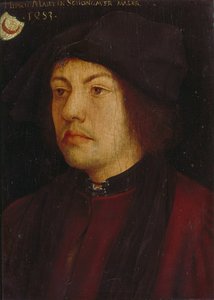
Martin Schongauer
1450 - 1491 , Alemania
Datos clave
- Artistic Movement Or Style: Gótico claro y organizado
- Artists Or Movements Influenced By This Artist: ['Albrecht Dürer']
- Artists Who Influenced This Artist:
- Rogier van der Weyden
- Caspar Isenmann
- Date Of Birth: c. 1450–53
- Full Name: Martin Schongauer
- Nationality: Alemana
- Notable Artworks:
- La Virgen del rosal
- Tentación de San Antonio
- Place Of Birth: Colmar, Alsacia
Artículos relacionados
Los 10 Grabados Legendarios que Transformaron la Historia del Arte | ArtsDot
Descubre los 10 grabados legendarios de Dürer, Rembrandt y Goya que revolucionaron el arte. Explora la historia, técnicas y belleza atemporal de estas obras maestras. Reproducciones de alta calidad en ArtsDot.com para decorar tu hogar con arte clásico.
Engraving: A Historical Survey of Technique, Artistic Expression & Enduring Legacy
Explore the rich history of engraving with ArtsDot. Discover techniques, iconic artists like Dürer & Callot, collecting tips, and expert guidance for preserving your art investment. Learn about intaglio printing & more!

El Intricado Mundo del Grabado: Técnica, Expresión y Legado Histórico
Descubre la fascinante historia del grabado calcográfico: técnicas ancestrales, maestros como Goya y su impacto en el arte y la ciencia. Guía experta para coleccionistas y amantes del arte.
Hendrick Goltzius: Master Engraver & the Flourishing of Dutch Mannerism
Explore the life & art of Hendrick Goltzius, a master engraver of Dutch Mannerism. Discover his innovative techniques, iconic engravings like 'Jahel', and lasting influence on Baroque art. Learn about collecting Goltzius today.
Rafael: Las 25 Obras Maestras que Definen al Genio del Renacimiento | ArtsDot
Descubre las 25 obras maestras de Rafael Sanzio, el genio del Renacimiento. Explora su historia, técnica y significado en pinturas icónicas como 'La Escuela de Atenas'. Reproducciones de arte de alta calidad para decorar tu hogar con elegancia. ¡Explora la colección completa en ArtsDot.com!