 Ver en contexto
 Enviar
 Compartir
 Detalles

 Descargar
 Similares
 Radiografía
 Presentación de diapositivas
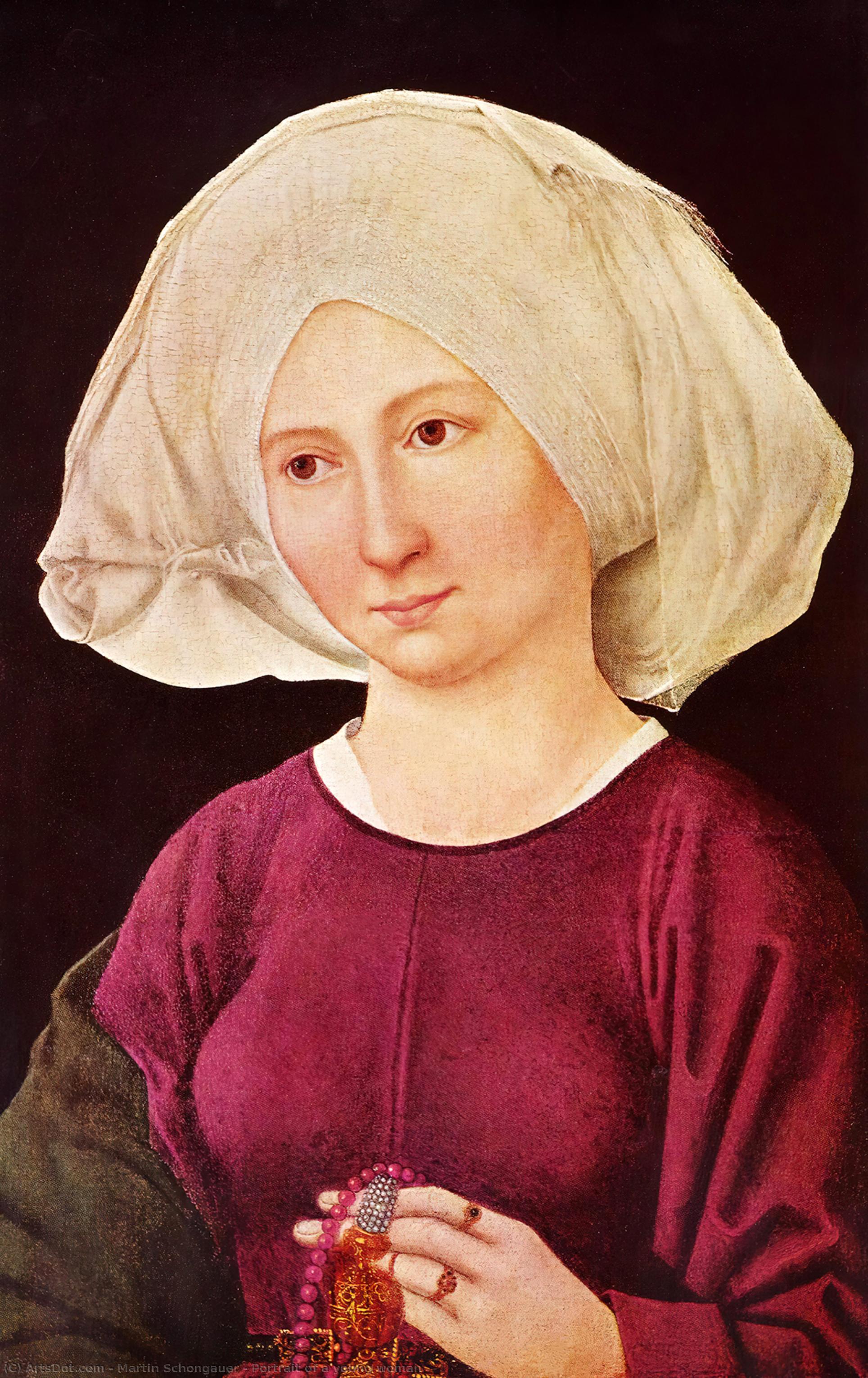
Portrait of a young woman
 Oil On Panel
- Northern Renaissance
 1480
1480- Renaissance
 52.0 x 34.0 cm
 Ver más
Giclée / Impresión de arte
Impresiones giclée o en lienzo de calidad de museo con producción rápida y opciones de acabado flexibles. ( Comprar pintura hecha a mano Comprar imagen)




P118B $10

P118H $10

P118W $10

P438Z $10

P508JH $12

P508YH $12

P805H $10

P805Z $10

P919BZ $10

P919G $10

P919XJ $10

P959ZH $10

P968JZ $12

W106C $8

W218G $10

W218JH $8

W218Y $10

W307PJ $10

W316G $10

W316PJ $8

W316Y $10

W398PJ $8

W4111J $10

W500HY $15

W500JH $15

W692G $12

W849H $8

W940BG $15

W953PJ $8




Elija entre nuestros tamaños predefinidos que respetan las proporciones originales de la obra.

Puede introducir sus propias dimensiones para adaptarse a un marco o espacio específico. Si el tamaño seleccionado no coincide con las proporciones de la imagen original, recortaremos la obra de arte o extenderemos la imagen con un borde con efecto espejo o de color sólido. Se enviará una maqueta digital para su aprobación antes de que comience la producción.
Tenga en cuenta que la vista previa en pantalla no refleja el recorte o la extensión real. Solo la maqueta mostrará con precisión la composición final.
Aunque existen tamaños personalizados, recomendamos seleccionar una dimensión de la lista predefinida para preservar las proporciones originales.
Envío a todo el mundo () en 2 semanas en lugar de las 4/5 semanas estándar. (27 agosto)

Envío exprés gratuito a todo el mundo

Lienzo de lino de alta calidad

Seguro de envío total

Garantía de reembolso de impuestos aduaneros

Garantía de fidelidad cromática exacta

Política de devolución de 60 días (solo por defectos)

Garantía de devolución del 100% del dinero

Descuento por cantidad
 La opción de vidrio solo está disponible en tamaños inferiores a 110 cm.

Portrait of a young woman
Giclée / Impresión de arte
Dimensiones de la reproducción
-


Precio total final
$ 62
Descripción de la pieza
A Glimpse into the Northern Renaissance: The Soul of a Portrait
In the quiet intimacy of Martin Schongauer’s Portrait of a Young Woman, created around 1480, we encounter more than just a painted likeness; we enter a window into the profound spiritual and aesthetic values of the Northern Renaissance. This exquisite work, measuring a delicate 52 x 34 cm, captures a moment of serene contemplation that has captivated viewers for over five centuries. The subject, a young woman of grace, is presented with a focused, almost ethereal expression, her gaze directed toward something unseen by the viewer, yet deeply felt within the frame. Her attire—a soft veil resting upon long, flowing hair—serves as a testament to the period's fascination with both material beauty and the quiet dignity of the individual.
The composition is masterfully balanced, utilizing a vertical format that emphasizes the subject's upright, poised stature. While the foreground is dominated by her luminous face and upper body, Schongauer subtly introduces depth by placing two additional figures in the background. These secondary characters are not mere decorations; they provide a narrative context that suggests a larger world of social or religious significance, grounding the portrait within a lived reality. The dark, indistinct background acts as a velvet void, pushing the subject forward and ensuring that every subtle nuance of her features remains the focal point of our emotional engagement.
Mastery of Light, Texture, and Technique
Schongauer’s technical prowess is nothing short of extraordinary, reflecting his roots in the meticulous traditions of goldsmithing. Utilizing oil on panel, he employs a sophisticated layering and glazing technique that breathes life into the skin tones and fabric textures. The play of light across the subject's face is soft and diffused, avoiding harsh shadows to create an even, pearlescent glow that suggests a divine or idealized beauty. This mastery over light and shadow—the subtle chiaroscuro of the North—allows for a tactile quality where one can almost feel the weight of the heavy drapery and the delicate lightness of the veil.
The color palette is a harmonious blend of warm reds, creams, and deep, earthy tones, creating an atmosphere of warmth and stability. Every brushstroke serves the purpose of realism, from the fine strands of hair to the intricate folds of her clothing. For the discerning collector or interior designer, this painting offers a rich tapestry of textures that can anchor a room with historical weight and sophisticated elegance. The organic shapes of the subject's features and the flowing lines of her headdress contribute to a sense of movement and softness, making the piece feel remarkably alive even centuries after its creation.
Symbolism and the Legacy of Devotion
Beyond its aesthetic brilliance, the portrait is steeped in the symbolic language of the 15th century. The presence of a rosary within her attire serves as a poignant symbol of piety and religious devotion, a common theme in Northern Renaissance art where the material and spiritual worlds were inextricably linked. Her expression, characterized by a quiet intensity, suggests a soul in prayer or deep reflection, inviting the viewer to share in her moment of sanctity. This intersection of humanism and holiness is what makes Schongauerr's work so enduringly powerful.
As we look back on this masterpiece, we see the influence of a master who helped bridge the gap between the Gothic tradition and the burgeoning Renaissance. For those seeking to bring a piece of history into a modern space, a high-quality reproduction of this portrait offers an unparalleled opportunity to possess a fragment of the Northern Renaissance. It is an investment in beauty, a tribute to human emotion, and a timeless addition to any curated collection of fine art.
Obras relacionadas
Biografía del artista
Martin Schongauer: Vida y Legado
Primeros Años y Formación
Martin Schongauer, nacido alrededor de 1450 en Colmar, Alsacia (ahora Francia), fue una figura clave en el desarrollo de la grabado durante el Renacimiento del Norte. Provenía de una familia de artesanos; su padre, Caspar Schongauer, era joyero que se había trasladado a Colmar desde Augsburg, Alemania, alrededor de 1440. Este trasfondo familiar influyó significativamente en su formación artística temprana, ya que la orfebrería proporcionó una sólida base en el detalle preciso y las técnicas de metalurgia – habilidades directamente transferibles al grabado.
Educación y Desarrollo Artístico
En 1465, Schongauer asistió brevemente a la Universidad de Leipzig, pero pronto abandonó los estudios académicos para dedicarse por completo al arte. Inicialmente, se formó como pintor bajo Caspar Isenmann, un maestro local influenciado por la pintura nórdica temprana, particularmente el trabajo de Rogier van der Weyden. Esta exposición temprana a la realidad nórdica y la atención al detalle se convertirían en señas de identidad del propio estilo de Schongauer.
Estilo Artístico e Influencias
El estilo artístico de Schongauer se caracteriza por una estética gótica clara y organizada, combinada con las influencias emergentes del Renacimiento del Norte. No tuvo una influencia italiana directa, sino que se inspiró en tradiciones alemanas y nórdicas tempranas. Su obra demuestra un detalle meticuloso, figuras expresivas y una comprensión sofisticada de la composición.
- Características Clave: Grabado preciso, representaciones realistas, narrativas dramáticas, estructura gótica
- Influencias: Rogier van der Weyden, Caspar Isenmann, tradiciones góticas alemanas
Logros y Obras Principales
Schongauer es mejor conocido por sus 116 grabados, cada uno identificado con su monograma. Estas impresiones se difundieron ampliamente en toda Europa, impactando significativamente el desarrollo de las técnicas de grabado y los estilos artísticos. Sus grabados a menudo representaban escenas religiosas, retratos y temas alegóricos.
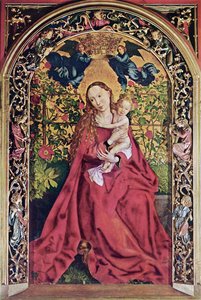
- Madonna de la Casita del Rosaleda (1473): Una obra significativa que muestra su habilidad para representar detalles delicados y profundidad emocional.
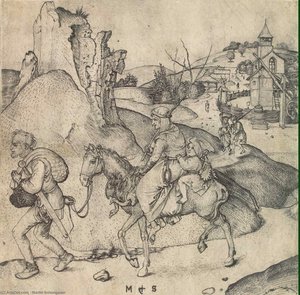
- Grabados: Incluyendo *La Tentación de San Antonio*, *La Adoración de los Pastores* y numerosos otros, demostrando su maestría en la técnica del grabado.
Significado Histórico y Legado
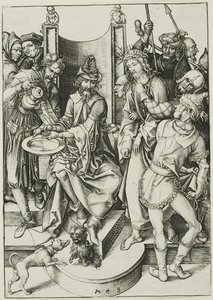
El impacto de Martin Schongauer en el mundo del arte fue sustancial. Fue uno de los primeros artistas alemanes en lograr reconocimiento internacional como grabador. Sus grabados eran muy solicitados y ampliamente copiados, difundiendo su estilo artístico por toda Europa. Incluso está documentado que Miguel Ángel mismo estudió y copió una de las grabaciones de Schongauer – *El Juicio de San Antonio* – demostrando el alto aprecio en que se tenía a Schongauer por parte de los maestros posteriores.
El trabajo de Schongauer conectó la brecha entre el arte gótico y el Renacimiento, allanando el camino para artistas como Albrecht Dürer. Su innovadora utilización de las técnicas de grabado y su compromiso con el detalle artístico dejaron un legado perdurable en la historia del grabado y el arte europeo del norte.
Fallecimiento
Martin Schongauer falleció en Breisach el 2 de febrero de 1491, dejando atrás una notable obra que continúa siendo celebrada por su mérito artístico e importancia histórica.
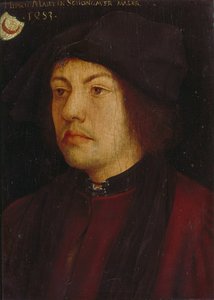
Martin Schongauer
1450 - 1491 , Alemania
Datos clave
- Artistic Movement Or Style: Gótico claro y organizado
- Artists Or Movements Influenced By This Artist: ['Albrecht Dürer']
- Artists Who Influenced This Artist:
- Rogier van der Weyden
- Caspar Isenmann
- Date Of Birth: c. 1450–53
- Full Name: Martin Schongauer
- Nationality: Alemana
- Notable Artworks:
- La Virgen del rosal
- Tentación de San Antonio
- Place Of Birth: Colmar, Alsacia
Artículos relacionados
Las 10 Obras Maestras al Óleo sobre Panel que Transformaron la Historia del Arte |
Descubre las 10 obras maestras al óleo sobre panel que revolucionaron la historia del arte. Explora a Jan van Eyck, Botticelli y otros genios renacentistas. Reproducciones de arte exclusivas en para transformar tu hogar.
Oil on Panel: A Historical Survey of Technique, Support & Aesthetic Evolution
Explore the rich history of oil on panel painting! Discover Renaissance techniques, support structures & aesthetic evolution. Expert insights for art collectors and enthusiasts.
El Enduring Legado de la Tabla: Una Revisión Histórica de la Técnica, el Soporte y el Impacto Estético del Óleo sobre Madera
Descubre la fascinante historia de la pintura sobre tabla y óleo sobre madera. Explora técnicas ancestrales, artistas clave del Renacimiento y consejos para conservar estas obras maestras. ¡Un viaje por el legado artístico!

The Enduring Legacy of Oil on Canvas: Technique, History & Aesthetic Impact
Explore the rich history & techniques of oil painting – from Renaissance masters to Impressionism. Discover pigments, layering methods, and why this timeless medium endures. Expert insights for artists & art enthusiasts.

El Óleo sobre Lienzo: Historia, Técnica y la Persistencia de un Medio Artístico Atemporal
Descubre la historia y técnica del óleo sobre lienzo. Explora reproducciones fieles hechas a mano, personalización artística y consejos de expertos con ArtsDot. ¡Colecciona arte con confianza!