

 Ver en contexto
 Enviar
 Compartir
 Detalles

 Descargar
 Similares
 Radiografía
 Presentación de diapositivas
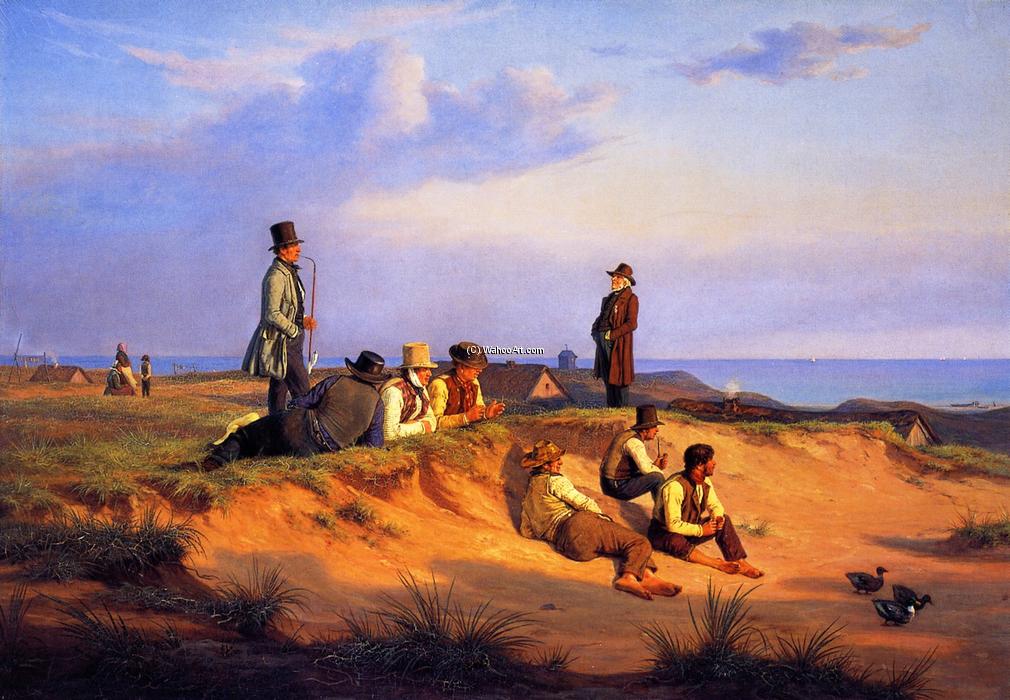
Men of Skagen on a Summer Evening in Good Weather
 Oil On Canvas
- WallArt
- Danish Golden Age
 1848
1848- 19th Century
 87.0 x 124.0 cm
 Museo Nacional de Dinamarca
 Ver más
Giclée / Impresión de arte
Impresiones giclée o en lienzo de calidad de museo con producción rápida y opciones de acabado flexibles. ( Comprar pintura hecha a mano Comprar imagen)




P118B $10

P118H $10

P118W $10

P438Z $10

P508JH $12

P508YH $12

P805H $10

P805Z $10

P919BZ $10

P919G $10

P919XJ $10

P959ZH $10

P968JZ $12

W106C $8

W218G $10

W218JH $8

W218Y $10

W307PJ $10

W316G $10

W316PJ $8

W316Y $10

W398PJ $8

W4111J $10

W500HY $15

W500JH $15

W692G $12

W849H $8

W940BG $15

W953PJ $8




Elija entre nuestros tamaños predefinidos que respetan las proporciones originales de la obra.

Puede introducir sus propias dimensiones para adaptarse a un marco o espacio específico. Si el tamaño seleccionado no coincide con las proporciones de la imagen original, recortaremos la obra de arte o extenderemos la imagen con un borde con efecto espejo o de color sólido. Se enviará una maqueta digital para su aprobación antes de que comience la producción.
Tenga en cuenta que la vista previa en pantalla no refleja el recorte o la extensión real. Solo la maqueta mostrará con precisión la composición final.
Aunque existen tamaños personalizados, recomendamos seleccionar una dimensión de la lista predefinida para preservar las proporciones originales.
Envío a todo el mundo () en 2 semanas en lugar de las 4/5 semanas estándar. (3 septiembre)

Envío exprés gratuito a todo el mundo

Lienzo de lino de alta calidad

Seguro de envío total

Garantía de reembolso de impuestos aduaneros

Garantía de fidelidad cromática exacta

Política de devolución de 60 días (solo por defectos)

Garantía de devolución del 100% del dinero

Descuento por cantidad
 La opción de vidrio solo está disponible en tamaños inferiores a 110 cm.

Men of Skagen on a Summer Evening in Good Weather
Giclée / Impresión de arte
Dimensiones de la reproducción
-


Precio total final
$ 62
A Moment Frozen in Time: Exploring Martinus Rørbye’s “Men of Skagen”
The painting "Men of Skagen on a Summer Evening in Good Weather" by Martinus Christian Wesseltoft Rørbye isn't merely a depiction of a seaside scene; it’s an embodiment of the Danish Golden Age’s fascination with capturing fleeting beauty and distilling emotion onto canvas. Completed in 1848, this oil-on-canvas masterpiece transcends its visual elements to resonate with a profound sense of tranquility and observation—qualities that define Rørbye's artistic legacy and solidify his place as one of Denmark’s most celebrated landscape painters.The Scene: A Snapshot of Bohemian Skagen
Rørbye’s vision centers on Skagen, a Danish fishing village renowned for its vibrant bohemian spirit during the mid-19th century. The painting portrays several figures engaged in leisurely pursuits—conversation, contemplation, perhaps even simply absorbing the warmth of the evening sun filtering through the hills overlooking the Baltic Sea. Two birds perched prominently on branches contribute to the idyllic atmosphere, symbolizing freedom and connection with nature – motifs prevalent throughout Rørbye’s oeuvre. A sailboat gliding across the water reinforces this impression of serenity and invites viewers into a shared experience of beauty.Technique and Style: Impressionistic Sensitivity
Rørbye's masterful technique exemplifies the burgeoning influence of Impressionism on Danish art. Unlike the meticulous detail favored by earlier generations, he employs loose brushstrokes and subtle color harmonies to convey light and atmosphere with remarkable accuracy. The artist skillfully captures the ephemeral qualities of twilight—the hazy blues and golds that bathe the landscape—creating an illusion of movement and immediacy. This approach distinguishes “Men of Skagen” from more formal academic styles, prioritizing sensory experience over precise representation.Historical Context: Embracing Romantic Idealism
“Men of Skagen” emerged during a period marked by significant intellectual and artistic upheaval. The Danish Golden Age witnessed a surge in interest in landscape painting, fueled by Romantic ideals that championed emotion and individualism. Artists like Rørbye sought to depict the natural world not as an object of scientific inquiry but as a source of spiritual inspiration—a reflection of the broader cultural movement’s yearning for sublime beauty and connection with the divine. The painting stands as testament to this artistic ethos, capturing a moment of harmonious coexistence between humanity and nature.Symbolism Beyond Surface Beauty
Beyond its picturesque depiction of Skagen, “Men of Skagen” carries deeper symbolic significance. The birds represent aspiration and liberation—a desire for transcendence beyond earthly concerns. The sailboat symbolizes navigation through life’s journey, guided by intuition and embracing the unpredictable currents of experience. Rørbye's careful composition invites contemplation on themes of peace, contentment, and the enduring power of observation – ideas that continue to resonate with audiences today.Emotional Impact: A Balm for the Soul
Ultimately, “Men of Skagen” succeeds in evoking a profound emotional response—a feeling of calm repose and appreciation for simple pleasures. The painting’s luminous palette and fluid brushstrokes transport viewers back to a moment of idyllic summer evening, fostering a sense of nostalgia and reminding us of the beauty inherent in everyday life. It's a piece that speaks to our innate desire for connection with nature and encourages us to savor the fleeting moments of joy and tranquility that enrich our existence.Obras relacionadas


Biografía del artista
A Pioneer of Danish Golden Age Painting: Martinus Rørbye
Martinus Christian Wesseltoft Rørbye, born in Drammen, Norway on May 17, 1803, stands as a pivotal figure within the radiant constellation of the Danish Golden Age. Though often overshadowed by contemporaries like Eckersberg and Marstrand, Rørbye’s contribution was uniquely defined by his restless spirit and pioneering travels – a characteristic that set him apart and profoundly shaped his artistic vision. He wasn't merely a painter of scenes; he was a chronicler of encounters, a sensitive observer who translated the nuances of diverse cultures and landscapes onto canvas with remarkable skill. His life story is one of dedication to craft interwoven with an insatiable curiosity about the world beyond Denmark’s borders.Early Training and Artistic Foundations
Rørbye's early inclinations didn’t lean towards academic pursuits, yet his artistic talent was evident enough to warrant enrollment at the Royal Danish Academy of Fine Arts in Copenhagen at the age of seventeen, in 1820. There, he fell under the tutelage of two influential masters: Christian August Lorentzen and, more significantly, Christoffer Wilhelm Eckersberg. Eckersberg’s emphasis on meticulous observation of nature and a commitment to realistic detail deeply resonated with Rørbye, forming the bedrock of his artistic methodology. Simultaneously, Lorentzen's masterful use of color broadened Rørbye’s palette and instilled in him an appreciation for atmospheric effects. He quickly distinguished himself at the Academy, earning the small silver medal in 1824 and the large silver medal four years later. While he repeatedly sought the coveted large gold medal, it remained elusive, a testament to his willingness to experiment and deviate from strictly prescribed academic norms. Even during these formative years, hints of his future wanderlust were present; “View from the Artist’s Window,” painted around 1825, subtly foreshadowed his yearning for exploration through its depiction of a caged bird poised between domestic security and the beckoning expanse of the open sea.Journeys and Expanding Horizons
Rørbye was, without question, the most peripatetic of the Danish Golden Age painters. His travels weren’t mere leisurely excursions; they were integral to his artistic development, providing him with a wealth of inspiration and subject matter. He first ventured into Norway in 1830 and again in 1832, journeys that exposed him to landscapes reminiscent of those favored by Dahl and Friedrich – artists whose Romantic sensibilities subtly influenced his work. A particularly memorable encounter during these travels was with the celebrated author Andersen; they journeyed together through Jutland, forging a brief but significant artistic companionship. However, it was Rørbye’s 1834 travel scholarship that truly unlocked his potential for international exploration. This allowed him to traverse the Netherlands and France before arriving in Rome, then the vibrant hub of Danish artists centered around Thorvaldsen. From Italy, he ventured further afield, accompanied by Bindesbøll, to Greece and Constantinople – a daring expedition that placed him among the first Scandinavian artists to document the Ottoman Empire. These travels weren’t simply about recording visual impressions; Rørbye meticulously sketched and noted everything from local customs and costumes to architectural details and sweeping vistas, transforming his experiences into a rich tapestry of artistic inspiration.Notable Works and Artistic Style
Rørbye's oeuvre encompasses both genre scenes and landscapes—a duality that exemplifies the broader aesthetic currents of his time. His paintings are characterized by an unwavering dedication to realism, achieved through painstaking attention to detail and a masterful command of color. Recurring motifs include depictions of interiors bathed in soft light, capturing everyday life with poignant sensitivity; portraits imbued with psychological depth, revealing glimpses into the inner lives of his subjects; and expansive landscapes rendered with breathtaking precision—particularly those inspired by Norwegian fjords and Swedish wildernesses. Among his most celebrated works are “Christ Healing the Blind,” a monumental canvas that embodies Eckersberg’s influence in its dramatic composition and luminous palette; and “View from Artist's Window,” which encapsulates Rørbye’s fascination with natural light and his ability to convey mood through subtle tonal variations. These paintings stand as enduring emblems of Danish Romanticism, reflecting the artist’s profound engagement with both the beauty of nature and the complexities of human emotion.Legacy and Historical Significance
Martinus Rørbye's artistic legacy extends far beyond the confines of the Academy and his immediate circle of peers. He anticipated the Skagen painters – Ancher, Krøyer, and Andersen – by almost half a century when he first began painting in Skagen, at the northernmost tip of Jutland. His unwavering commitment to capturing realistic detail—combined with his profound sensitivity to light and atmosphere—established him as a cornerstone of Danish landscape art and genre painting alike. Though he died prematurely in 1848, leaving behind an unfinished body of work, Rørbye’s influence continues to resonate within the annals of Danish artistic history. He remains a vital link between classical traditions and Romanticism, securing his place as one of Denmark's most enduring figures of artistic innovation and contemplative observation.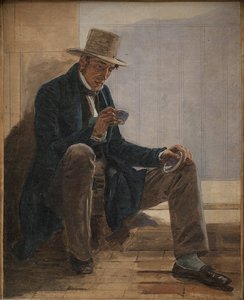
Martinus Christian Wesseltoft Rørbye
1802 - 1848 , Noruega
Datos clave
- Artistic Movement Or Style: Edad Dorada Danesa
- Artists Or Movements Influenced By This Artist: ['Skagen Pintores']
- Artists Who Influenced This Artist:
- Christian August Lorentzen
- Christoffer Wilhelm Eckersberg
- Date Of Birth: 17 Mayo 1803
- Date Of Death: 29 Agosto 1848
- Full Name: Martinus Christian Rørbye
- Nationality: Danés
- Notable Artworks:
- Vista desde la ventana del artista
- Cristo sanando al ciego
- Place Of Birth: Drammen, Noruega
Artículos relacionados

Los 10 Maestros del Siglo de Oro Holandés: Arte, Historia y Decoración Exclusiva
Descubre los 10 imprescindibles del Siglo de Oro Holandés: Rembrandt, Vermeer y más. Explora la historia, técnica y belleza de estos lienzos clásicos. Encuentra reproducciones de arte exclusivas para decorar tu hogar en .

Giclée Prints: Archival Quality & Aesthetic Nuances for the Discerning Collector
Explore the world of giclée prints with ArtsDot. Learn about archival quality, aesthetic nuances & investment potential. Expert guidance for discerning art collectors seeking museum-quality reproductions and lasting value.
The Allure of the Horizon: A Comprehensive Exploration of Seascape Art Through History & Emotion
Explore the captivating world of seascape art! Discover its history, key artists & movements – from Dutch Masters to Impressionism. Expert insights for collectors and enthusiasts at ArtsDot.

Echoes of Time: Exploring the Enduring Appeal & Historical Context of Vintage Art Prints
Explore the captivating world of vintage art prints! Discover their history, collecting tips & enduring appeal. Expert insights on chromolithography and building a legacy collection with ArtsDot.

The Enduring Legacy of Fine Art Prints: Technique, History & Aesthetic Impact
Explore the rich history & techniques of fine art prints. Discover investment potential, assess authenticity, and learn how to preserve your collection with expert guidance. Trusted insights for discerning collectors.

