 Ver en contexto
 Enviar
 Compartir
 Detalles

 Descargar
 Similares
 Radiografía
 Presentación de diapositivas
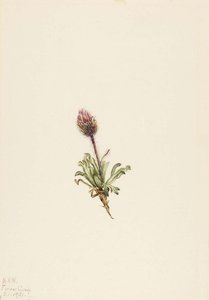
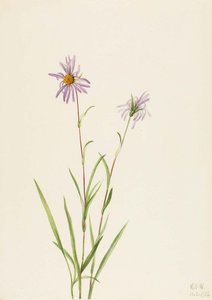
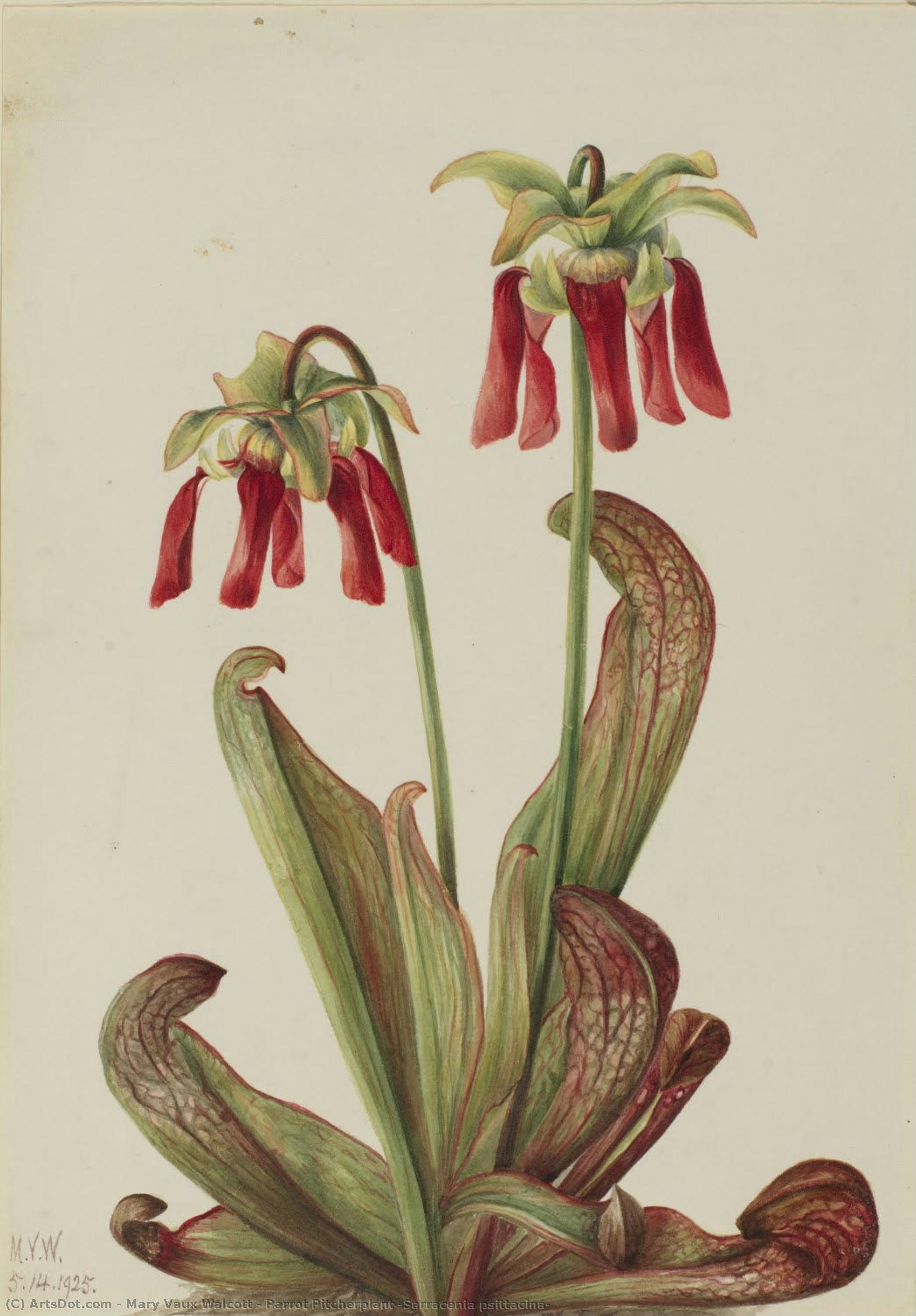
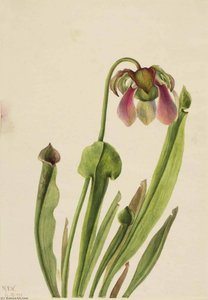
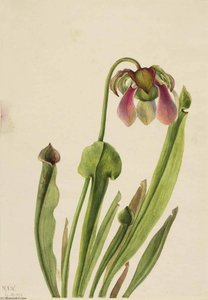
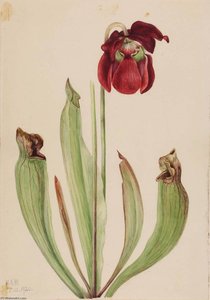
Parrot Pitcherplant (Sarracenia psittacina)
 Acrylic On Canvas
- WallArt
- Botanical Watercolor
 1925
1925 25.0 x 17.0 cm
 Museo Smithsonian de Arte Americano
 Ver más
Reproducción al óleo hecha a mano
Óleo sobre lienzo pintado a mano en el tamaño y marco de su elección, realizado por encargo por nuestros artistas. ( Comprar impresión Comprar imagen)




P118B $10

P118H $10

P118W $10

P438Z $10

P508JH $12

P508YH $12

P805H $10

P805Z $10

P919BZ $10

P919G $10

P919XJ $10

P959ZH $10

P968JZ $12

W106C $8

W218G $10

W218JH $8

W218Y $10

W307PJ $10

W316G $10

W316PJ $8

W316Y $10

W398PJ $8

W4111J $10

W500HY $15

W500JH $15

W692G $12

W849H $8

W940BG $15

W953PJ $8




Elija entre nuestros tamaños predefinidos que respetan las proporciones originales de la obra.

Puede ingresar sus propias dimensiones para adaptarse a un marco o espacio específico. Si el tamaño seleccionado no coincide con las proporciones de la imagen original, recortaremos la obra o extenderemos la pintura con elementos adicionales pintados a mano. Se le enviará una maqueta digital para su aprobación antes de comenzar la producción.
Tenga en cuenta que la vista previa en pantalla no refleja el recorte o la extensión reales. Solo la maqueta mostrará con precisión la composición final.
Si bien existen tamaños personalizados, recomendamos seleccionar una dimensión de la lista predefinida para preservar las proporciones originales.
Tras realizar el pedido, el equipo de ArtsDot.com enviará un correo electrónico al cliente para solicitar instrucciones y proporcionarle una vista previa del boceto.
Envío a todo el mundo () en 3-4 semanas en lugar de las 5 semanas estándar. (23 agosto). Sin comprometer la calidad.

Envío exprés gratuito a todo el mundo

Lienzo de lino de alta calidad

Seguro de envío total

Garantía de reembolso de impuestos aduaneros

Garantía de fidelidad cromática exacta

Política de devolución de 60 días (solo por defectos)

Garantía de devolución del 100% del dinero

Descuento por cantidad
 La opción de vidrio solo está disponible en tamaños inferiores a 110 cm.

Parrot Pitcherplant (Sarracenia psittacina)
Técnica de reproducción
Dimensiones de la reproducción
-


Precio total final
$ 263
Descripción de la obra
A Delicate Dance Between Observation and Imagination: Mary Vaux Walcott’s “Parrot Pitcherplant”
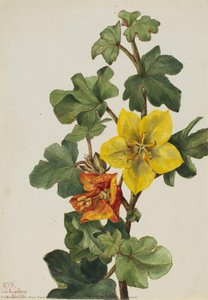
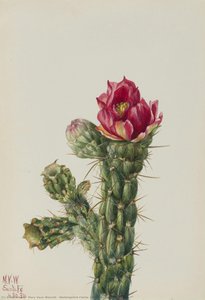
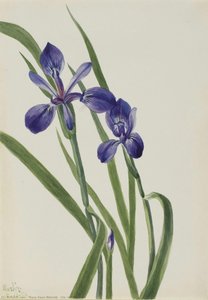
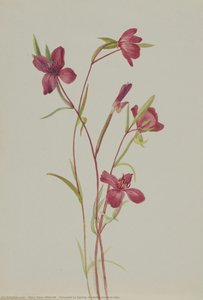
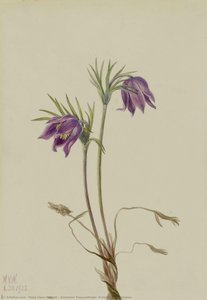
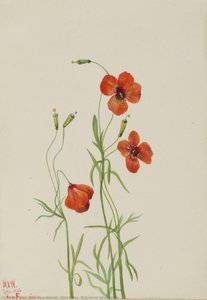
Mary Vaux Walcott, a name synonymous with botanical illustration and artistic vision, produced "Parrot Pitcherplant (Sarracenia psittacina)," a watercolor masterpiece completed in 1925. This artwork resides within the Smithsonian American Art Museum's collection, a testament to Walcott’s enduring legacy as “the Audubon of Botany,” mirroring John James Audubon’s meticulous depictions of avian life with unparalleled detail. However, unlike Audubon’s scientific rigor, Walcott infused her work with an element of romantic idealism—a conscious decision that elevates the painting beyond mere documentation into a profound meditation on beauty and resilience.- Subject Matter: The painting focuses on two vibrant red flowers – likely orchids or similar species – positioned against a backdrop of lush greenery. Walcott’s keen eye for detail captures the subtle nuances of petal texture and stem structure, reflecting her dedication to scientific observation.
- Style & Technique: Watercolor is Walcott's medium of choice, allowing for luminous washes of color that convey an ethereal quality. The artist skillfully employs layering techniques—building up translucent hues upon translucent hues—to achieve remarkable depth and luminosity. This technique isn’t simply about reproducing what she sees; it’s about transforming observation into expressive art.
- Symbolism: Red flowers often symbolize passion, vitality, and resilience – qualities that resonate deeply within Walcott’s artistic ethos. The juxtaposition of delicate blossoms against a robust stem suggests an interplay between fragility and strength—a metaphor for the natural world itself.
- Emotional Impact: Viewing “Parrot Pitcherplant” evokes feelings of tranquility, wonder, and appreciation for the beauty of botanical specimens. Walcott’s masterful watercolor technique captures not only visual information but also an intangible sense of serenity, inviting contemplation on the interconnectedness of life.
Obras relacionadas
Biografía del artista
Primeros años y educación
Mary Morris Vaux Walcott, una artista y naturalista estadounidense, nació el 31 de julio de 1860 en Filadelfia, Pensilvania, dentro de una acomodada familia cuáquera. Tras graduarse del Friends Select School de Filadelfia en 1879, desarrolló un interés por la pintura a la acuarela. Su educación temprana inculcó en ella un profundo respeto por la naturaleza y los principios cuáqueros de simplicidad y servicio, valores que se reflejarían en su arte.Carrera y Contribuciones: La "Audubon de la Botánica"
Mary Vaux Walcott es reconocida principalmente por sus exquisitas pinturas a la acuarela de flores silvestres, lo que le valió el apodo de “la Audubon de la botánica”. Su trabajo se distingue por su precisión científica y su delicada belleza artística. Se dedicó a documentar la flora norteamericana con un nivel de detalle excepcional. Sus obras incluyen:- Untitled (Hojas de Otoño), una acuarela que muestra su habilidad para capturar la esencia de la naturaleza, actualmente alojada en el Smithsonian American Art Museum en Washington D.C., Estados Unidos.
- Perennial Gaillardia (Gaillardia aristata), otra ilustración botánica que se encuentra también en el Smithsonian American Art Museum.
- Bourgeau Rose (Rosa bourgeauiana), una pintura a la acuarela que demuestra su atención al detalle y se puede apreciar en el Smithsonian American Art Museum.
- Bushpoppy (Dendromecon rigidum), un ejemplo de su trabajo capturando la belleza de la flora, también ubicada en el Smithsonian American Art Museum.
- Mexican Fremontia (Fremontodendron mexicanum), una acuarela que resalta su dedicación al arte botánico y también se encuentra en el Smithsonian American Art Museum.
Vida Personal y Legado
En 1914, Mary Vaux Walcott se casó con Charles Doolittle Walcott, secretario de la Institución Smithsonian. Continuó pintando flores silvestres y participó en los proyectos de su esposo hasta su fallecimiento en 1927. Su trabajo no solo es una celebración de la belleza natural sino también un valioso registro científico de la flora norteamericana. Su meticulosa documentación contribuyó significativamente al conocimiento botánico de la época.Significado Histórico y Influencia
El legado de Mary Vaux Walcott reside en su capacidad para combinar arte y ciencia. Su trabajo se distingue por su precisión, detalle y sensibilidad artística. Como "Audubon de la Botánica", sentó un precedente importante para las ilustraciones botánicas científicas, inspirando a generaciones de artistas y naturalistas. Sus obras son apreciadas tanto por su valor estético como por su importancia científica, consolidándola como una figura clave en el arte estadounidense del siglo XIX y principios del XX. Ver más obras de Mary Vaux Walcott en ArtsDot. Aprender más sobre Mary Vaux Walcott en Wikipedia.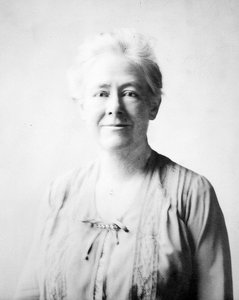
Mary Vaux Walcott
1860 - 1940 , Estados Unidos de América
Datos clave
- Estilo Artístico: Botánico, acuarela
- Fecha De Fallecimiento: 1940
- Fecha De Nacimiento: 31 de julio de 1860
- Lugar De Nacimiento: Filadelfia, EE. UU.
- Nacionalidad: Estadounidense
- Nombre Completo: Mary Vaux Walcott
- Obras Notables:
- Hojas de otoño (sin título)
- Gaillardia perenne
- Rosa Bourgeau
- Bushpoppy
- Fremontia mexicana
Artículos relacionados

Mary Vaux Walcott: Botanical Precision & Artistic Vision in American Conservation
Discover the exquisite botanical watercolors of Mary Vaux Walcott, celebrated as the 'Audubon of Botany.' Explore her life, art, and lasting impact on American conservation through detailed illustrations & Smithsonian contributions.

Acuarelas Legendarias: 10 Obras Maestras que Transformaron el Arte | ArtsDot
Descubre 10 acuarelas legendarias de Turner, Monet y Sargent que revolucionaron el arte. Explora la historia, técnica y belleza de estas obras maestras impresionistas y románticas. Reproducciones de museo en ArtsDot.com.

Ephemeral Visions: Exploring the Artistic Legacy & Contemporary Practice of Watercolor Painting
Explore the captivating world of watercolor painting! Discover its rich history, essential techniques, influential artists & collecting tips. A comprehensive guide for art enthusiasts from ArtsDot.
The Flourishing Canvas: A Historical Journey Through Botanical Illustration
Explore the captivating history of botanical illustration! Discover renowned artists like Robert Havell & Mary Walcott, learn about techniques, and find museum-quality art at ArtsDot.com.

Visiones Efímeras: Historia y Resonancia Emocional de la Pintura Acuarela
Descubre la fascinante historia de la acuarela, desde sus orígenes hasta su expresión contemporánea. Explora técnicas, artistas clave como Paul Klee y encuentra reproducciones de alta calidad en ArtsDot.