 Ver en contexto
 Enviar
 Compartir
 Detalles

 Descargar
 Similares
 Radiografía
 Presentación de diapositivas
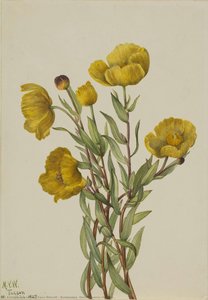
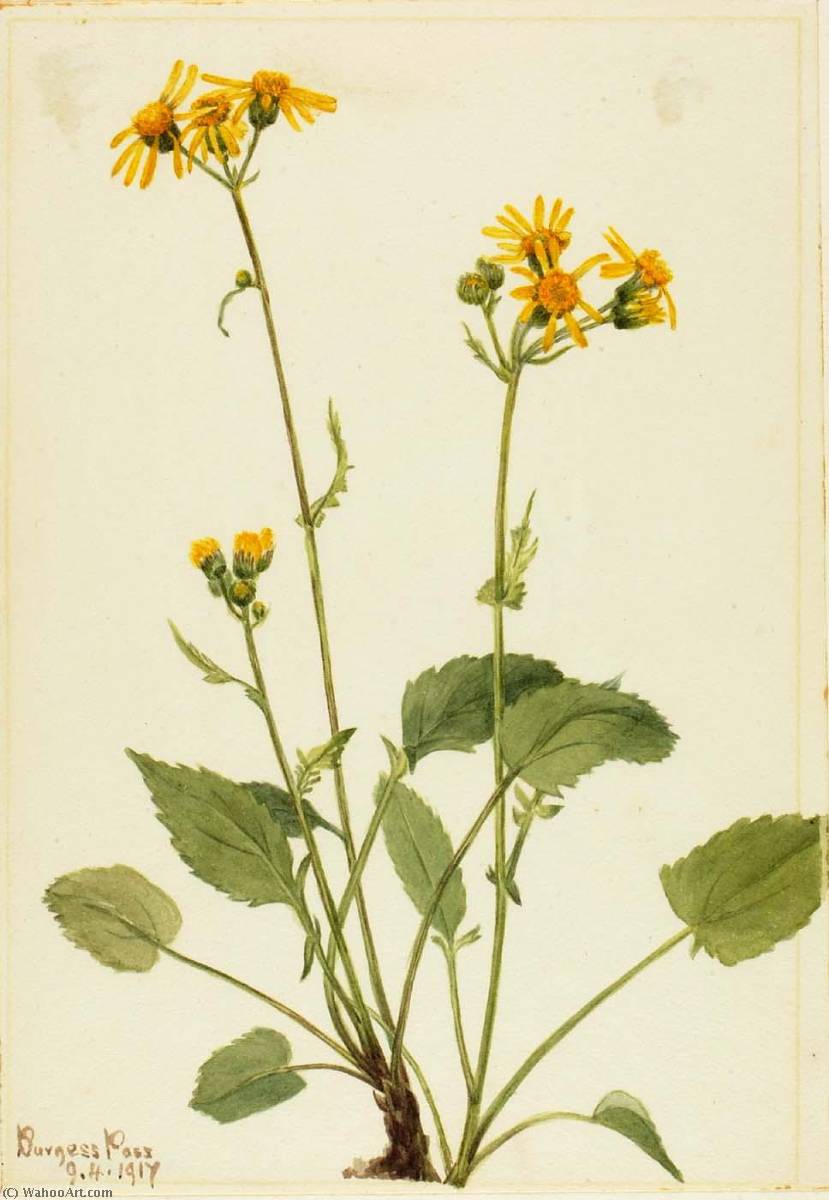
Ragwort (Senecio burkei)
 Watercolor
- WallArt
- Botanical Realism
 1917
1917- 19th Century
 25.0 x 18.0 cm
 Ver más
Reproducción al óleo hecha a mano
Óleo sobre lienzo pintado a mano en el tamaño y marco de su elección, realizado por encargo por nuestros artistas. ( Comprar impresión Comprar imagen)




P118B $10

P118H $10

P118W $10

P438Z $10

P508JH $12

P508YH $12

P805H $10

P805Z $10

P919BZ $10

P919G $10

P919XJ $10

P959ZH $10

P968JZ $12

W106C $8

W218G $10

W218JH $8

W218Y $10

W307PJ $10

W316G $10

W316PJ $8

W316Y $10

W398PJ $8

W4111J $10

W500HY $15

W500JH $15

W692G $12

W849H $8

W940BG $15

W953PJ $8




Elija entre nuestros tamaños predefinidos que respetan las proporciones originales de la obra.

Puede ingresar sus propias dimensiones para adaptarse a un marco o espacio específico. Si el tamaño seleccionado no coincide con las proporciones de la imagen original, recortaremos la obra o extenderemos la pintura con elementos adicionales pintados a mano. Se le enviará una maqueta digital para su aprobación antes de comenzar la producción.
Tenga en cuenta que la vista previa en pantalla no refleja el recorte o la extensión reales. Solo la maqueta mostrará con precisión la composición final.
Si bien existen tamaños personalizados, recomendamos seleccionar una dimensión de la lista predefinida para preservar las proporciones originales.
Tras realizar el pedido, el equipo de ArtsDot.com enviará un correo electrónico al cliente para solicitar instrucciones y proporcionarle una vista previa del boceto.
Envío a todo el mundo () en 3-4 semanas en lugar de las 5 semanas estándar. (28 agosto). Sin comprometer la calidad.

Envío exprés gratuito a todo el mundo

Lienzo de lino de alta calidad

Seguro de envío total

Garantía de reembolso de impuestos aduaneros

Garantía de fidelidad cromática exacta

Política de devolución de 60 días (solo por defectos)

Garantía de devolución del 100% del dinero

Descuento por cantidad
 La opción de vidrio solo está disponible en tamaños inferiores a 110 cm.

Ragwort (Senecio burkei)
Técnica de reproducción
Dimensiones de la reproducción
-


Precio total final
$ 263
A Botanical Symphony in Yellow and Green
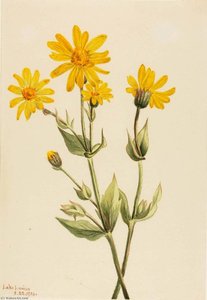
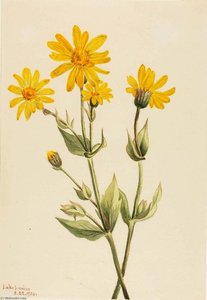
In the delicate dance of light and pigment, Mary Vaux Walcott’s 1917 watercolor, Ragwort (Senecio burkei), emerges as a breathtaking testament to the ephemeral beauty of the natural world. This exquisite piece captures more than just a botanical specimen; it preserves a moment of quiet, sun-drenched vitality. The composition is anchored by two primary yellow blossoms that command the viewer's attention, their bright, sunny petals radiating warmth against a backdrop of lush, verdant foliage. As the eye wanders through the painting, smaller clusters of golden florets appear like scattered sunlight, creating a rhythmic movement that guides the observer deeper into this miniature meadow. The artist’s mastery lies in her ability to balance these vibrant focal points with a sense of airy lightness, ensuring that each leaf and petal feels as though it is breathing within its white, pristine space.
The technique employed by Walcott reveals the profound intimacy she shared with her subjects. Utilizing the fluid, translucent nature of watercolor, she achieves a level of botanical precision that earned her the esteemed title of the “Audubon of Botany.” Each stroke is deliberate yet soft, allowing for subtle gradations of color that mimic the organic textures of the Senecio burkei. The way the pigment pools and fades creates a sense of depth and moisture, making the green leaves appear supple and the yellow petals almost luminous. This naturalistic style does not merely document the plant; it celebrates its structural elegance, offering a scientific accuracy that is softened by an unmistakable poetic grace.
Historical Resonance and Artistic Legacy
To behold this work is to step into the early 20th century, a period when botanical art served as both a scientific record and a high art form. Created during a time of great transition, Walcott’s work for the Smithsonian American Art Museum represents a bridge between rigorous naturalism and pure aesthetic pleasure. Her ability to capture the intricate details of North American flora provided a vital visual archive of species that were often fleeting in their seasonal presence. For the modern collector or interior designer, this painting offers a sense of timelessness. It carries with it the quiet dignity of the Philadelphia Quaker tradition from which Walcott emerged—a legacy of observation, patience, and a deep-seated reverence for the life forms that inhabit our landscapes.
Beyond its historical significance, Ragwort (Senecio burkei) possesses an emotional resonance that transcends the era of its creation. There is a profound sense of peace found in its harmonious composition, making it an ideal centerpiece for spaces designed for reflection and tranquility. Whether displayed in a sunlit morning room or as a sophisticated accent in a contemporary gallery setting, the painting brings an infusion of organic energy and light. For those seeking to curate a collection that celebrates the intersection of science and soul, this reproduction serves as a window into a world where every petal tells a story of resilience and splendor.
Obras relacionadas
Biografía del artista
Primeros años y educación
Mary Morris Vaux Walcott, una artista y naturalista estadounidense, nació el 31 de julio de 1860 en Filadelfia, Pensilvania, dentro de una acomodada familia cuáquera. Tras graduarse del Friends Select School de Filadelfia en 1879, desarrolló un interés por la pintura a la acuarela. Su educación temprana inculcó en ella un profundo respeto por la naturaleza y los principios cuáqueros de simplicidad y servicio, valores que se reflejarían en su arte.Carrera y Contribuciones: La "Audubon de la Botánica"
Mary Vaux Walcott es reconocida principalmente por sus exquisitas pinturas a la acuarela de flores silvestres, lo que le valió el apodo de “la Audubon de la botánica”. Su trabajo se distingue por su precisión científica y su delicada belleza artística. Se dedicó a documentar la flora norteamericana con un nivel de detalle excepcional. Sus obras incluyen:- Untitled (Hojas de Otoño), una acuarela que muestra su habilidad para capturar la esencia de la naturaleza, actualmente alojada en el Smithsonian American Art Museum en Washington D.C., Estados Unidos.
- Perennial Gaillardia (Gaillardia aristata), otra ilustración botánica que se encuentra también en el Smithsonian American Art Museum.
- Bourgeau Rose (Rosa bourgeauiana), una pintura a la acuarela que demuestra su atención al detalle y se puede apreciar en el Smithsonian American Art Museum.
- Bushpoppy (Dendromecon rigidum), un ejemplo de su trabajo capturando la belleza de la flora, también ubicada en el Smithsonian American Art Museum.
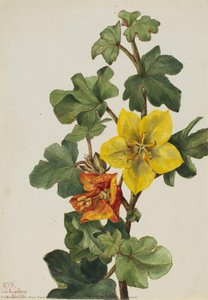
- Mexican Fremontia (Fremontodendron mexicanum), una acuarela que resalta su dedicación al arte botánico y también se encuentra en el Smithsonian American Art Museum.
Vida Personal y Legado
En 1914, Mary Vaux Walcott se casó con Charles Doolittle Walcott, secretario de la Institución Smithsonian. Continuó pintando flores silvestres y participó en los proyectos de su esposo hasta su fallecimiento en 1927. Su trabajo no solo es una celebración de la belleza natural sino también un valioso registro científico de la flora norteamericana. Su meticulosa documentación contribuyó significativamente al conocimiento botánico de la época.Significado Histórico y Influencia
El legado de Mary Vaux Walcott reside en su capacidad para combinar arte y ciencia. Su trabajo se distingue por su precisión, detalle y sensibilidad artística. Como "Audubon de la Botánica", sentó un precedente importante para las ilustraciones botánicas científicas, inspirando a generaciones de artistas y naturalistas. Sus obras son apreciadas tanto por su valor estético como por su importancia científica, consolidándola como una figura clave en el arte estadounidense del siglo XIX y principios del XX. Ver más obras de Mary Vaux Walcott en ArtsDot. Aprender más sobre Mary Vaux Walcott en Wikipedia.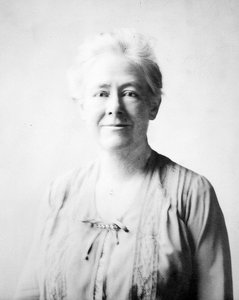
Mary Vaux Walcott
1860 - 1940 , Estados Unidos de América
Datos clave
- Estilo Artístico: Botánico, acuarela
- Fecha De Fallecimiento: 1940
- Fecha De Nacimiento: 31 de julio de 1860
- Lugar De Nacimiento: Filadelfia, EE. UU.
- Nacionalidad: Estadounidense
- Nombre Completo: Mary Vaux Walcott
- Obras Notables:
- Hojas de otoño (sin título)
- Gaillardia perenne
- Rosa Bourgeau
- Bushpoppy
- Fremontia mexicana
Artículos relacionados

Acuarelas Legendarias: 10 Obras Maestras que Transformaron el Arte | ArtsDot
Descubre 10 acuarelas legendarias de Turner, Monet y Sargent que revolucionaron el arte. Explora la historia, técnica y belleza de estas obras maestras impresionistas y románticas. Reproducciones de museo en ArtsDot.com.

Ephemeral Visions: Exploring the Artistic Legacy & Contemporary Practice of Watercolor Painting
Explore the captivating world of watercolor painting! Discover its rich history, essential techniques, influential artists & collecting tips. A comprehensive guide for art enthusiasts from ArtsDot.
Visiones Efímeras: Historia y Resonancia Emocional de la Pintura Acuarela
Descubre la fascinante historia de la acuarela, desde sus orígenes hasta su expresión contemporánea. Explora técnicas, artistas clave como Paul Klee y encuentra reproducciones de alta calidad en ArtsDot.
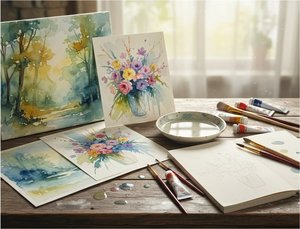
Ephemeral Visions: Exploring the Artistic Legacy & Nuances of Watercolor Painting
Explore the captivating world of watercolor painting! Discover its rich history, essential techniques, influential artists & collecting tips from art experts. A comprehensive guide for enthusiasts.

La Fascinación Duradera de la Acuarela: Historia, Técnicas y Práctica Contemporánea
Descubre la fascinante historia y las técnicas de la acuarela. Explora obras maestras, aprende con expertos y encuentra reproducciones o comisiones personalizadas en .