

 Ver en contexto
 Enviar
 Compartir
 Detalles

 Descargar
 Similares
 Radiografía
 Presentación de diapositivas
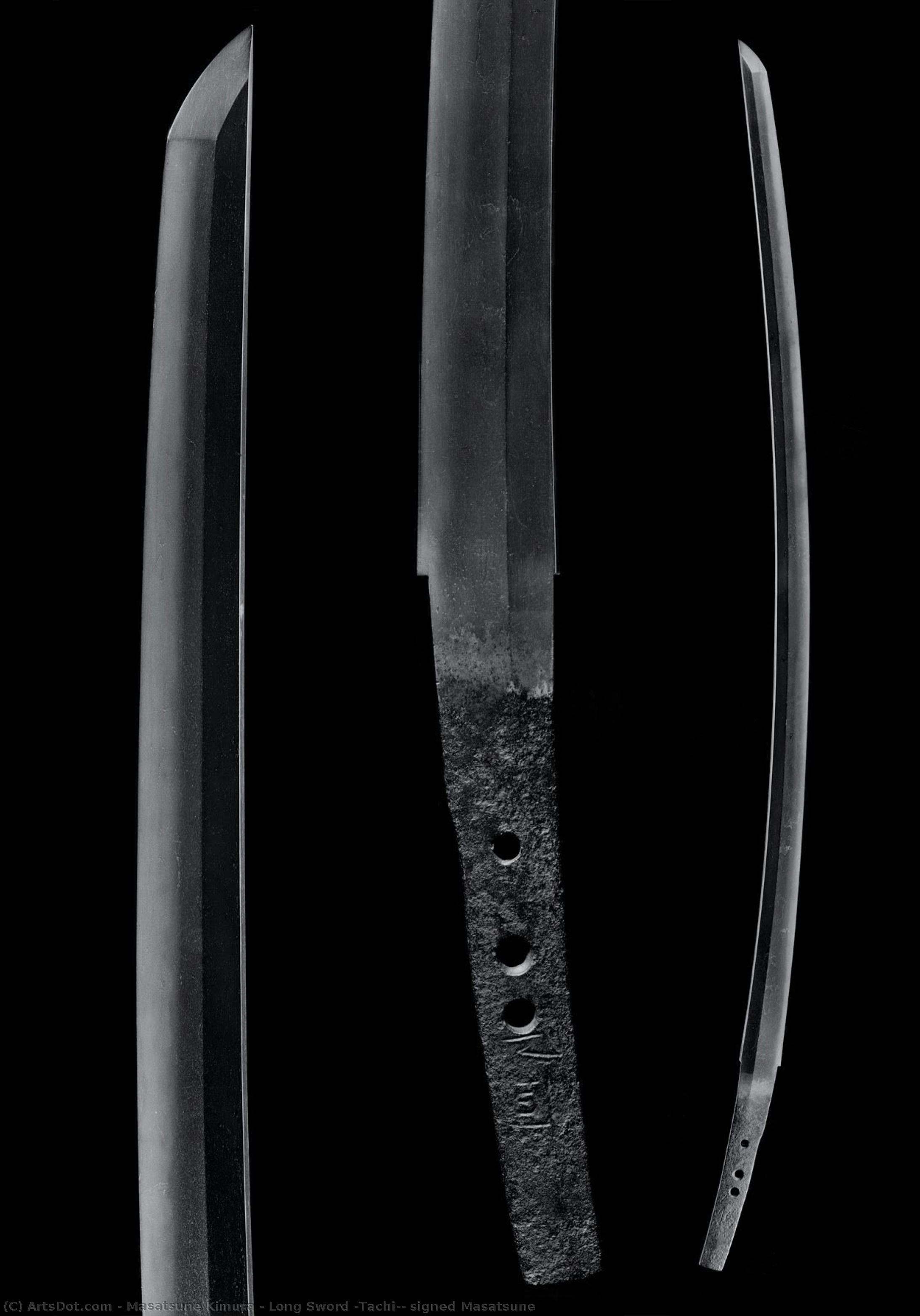
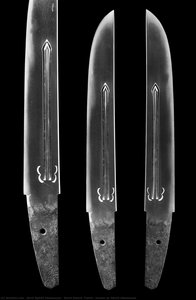
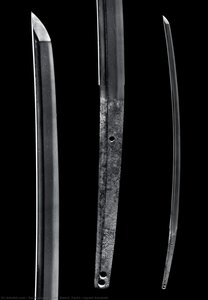
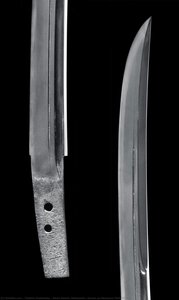
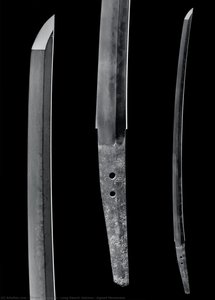
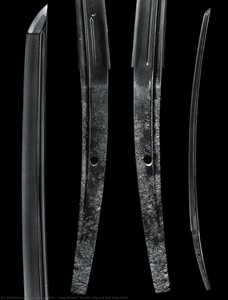
Long Sword (Tachi), signed Masatsune


 Ver más
Reproducción al óleo hecha a mano
Óleo sobre lienzo pintado a mano en el tamaño y marco de su elección, realizado por encargo por nuestros artistas. ( Comprar impresión Comprar imagen)




































Elija entre nuestros tamaños predefinidos que respetan las proporciones originales de la obra.

Puede ingresar sus propias dimensiones para adaptarse a un marco o espacio específico. Si el tamaño seleccionado no coincide con las proporciones de la imagen original, recortaremos la obra o extenderemos la pintura con elementos adicionales pintados a mano. Se le enviará una maqueta digital para su aprobación antes de comenzar la producción.
Tenga en cuenta que la vista previa en pantalla no refleja el recorte o la extensión reales. Solo la maqueta mostrará con precisión la composición final.
Si bien existen tamaños personalizados, recomendamos seleccionar una dimensión de la lista predefinida para preservar las proporciones originales.
Tras realizar el pedido, el equipo de ArtsDot.com enviará un correo electrónico al cliente para solicitar instrucciones y proporcionarle una vista previa del boceto.
Envío a todo el mundo () en 3-4 semanas en lugar de las 5 semanas estándar. (25 agosto). Sin comprometer la calidad.

Envío exprés gratuito a todo el mundo

Lienzo de lino de alta calidad

Seguro de envío total

Garantía de reembolso de impuestos aduaneros

Garantía de fidelidad cromática exacta

Política de devolución de 60 días (solo por defectos)

Garantía de devolución del 100% del dinero

Descuento por cantidad
 La opción de vidrio solo está disponible en tamaños inferiores a 110 cm.

Long Sword (Tachi), signed Masatsune
Técnica de reproducción
Dimensiones de la reproducción
-


Precio total final
$ 263
Obras relacionadas
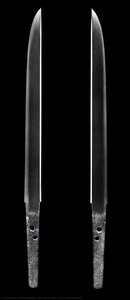
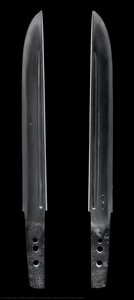
Biografía del artista
Masatsune Kimura: A Master of Swordmaking and Artistic Vision
Masatsune Kimura (1827-1890) stands as a towering figure in Japanese art history, recognized primarily for his unparalleled skill as a swordsmith—Gorō nyūdō masamune—but also celebrated as a versatile artist adept at calligraphy and painting. Born in Tokyo during the Edo period, Kimura’s life coincided with a pivotal moment of cultural transformation, shaping both his artistic output and his enduring legacy. His work embodies the spirit of the era, reflecting its fascination with mythology and heroic narratives while simultaneously demonstrating meticulous craftsmanship rooted in centuries-old traditions.Early Life and Apprenticeship
Little is known about Kimura’s formative years beyond confirming his birthdate and place. However, he began his artistic journey as an apprentice under renowned swordsmiths, absorbing techniques passed down through generations. This rigorous training instilled a deep understanding of metallurgy, forging processes, and the aesthetic principles governing weapon design—skills that would define his entire career. The influence of Zen Buddhism permeated Kimura’s worldview, fostering a contemplative approach to artmaking characterized by precision, balance, and an appreciation for natural beauty. He sought enlightenment through disciplined practice and observation of the natural world – values that profoundly shaped his artistic sensibilities.The Emperor's Patronage and Swordmaking Mastery
Kimura’s ascent to prominence began with his appointment as chief swordsmith by Emperor Yoshinomiya Fushimi during the Kamakura period. This honor bestowed upon him immense prestige and responsibility—the creation of weapons destined for imperial use demanded exceptional artistry and technical prowess. He swiftly established himself as a leader in his craft, innovating forging methods and elevating swordmaking standards to unprecedented heights. His katana designs are revered today for their elegance, durability, and harmonious blend of form and function—testaments to his mastery of traditional techniques. Specifically, he perfected the differential hardening process known as *kusumizu-zukuri*, resulting in blades possessing exceptional sharpness and resilience.Artistic Output: Calligraphy and Painting
Beyond swordsmithing, Kimura pursued artistic endeavors with equal dedication. He excelled in calligraphy, producing elegant strokes imbued with profound philosophical contemplation. His works often depict landscapes rendered with meticulous detail, reflecting the Zen aesthetic’s emphasis on capturing the essence of nature—a stylistic hallmark that distinguishes his paintings from many contemporaries. Recurring motifs include cranes and pine trees—symbols of longevity and resilience—underscoring Kimura's artistic sensibilities and aligning them with core Japanese cultural values. His calligraphy demonstrated a masterful command of brushstrokes and ink, conveying serenity and harmony – qualities he sought to embody in all his artistic creations.Notable Works: The Dragon Sword
Perhaps Kimura’s most celebrated achievement is the “Dragon Sword,” commissioned for Emperor Yoshinomiya Fushimi. This katana exemplifies his mastery of forging techniques while simultaneously conveying a narrative inspired by Shinto mythology—the slaying of a dragon from whose body he acquires the sword Kusanagi, which became one of Japan’s imperial regalia. The sword's intricate decoration—featuring stylized dragons and phoenixes—demonstrates Kimura’s artistic vision and reflects the broader cultural preoccupation with heroic tales during his lifetime. This masterpiece represents not only technical brilliance but also a profound engagement with Japanese folklore and spiritual beliefs.Legacy and Historical Significance
Masatsune Kimura’s influence extends far beyond his own era, inspiring subsequent generations of swordsmiths and artists. His unwavering commitment to craftsmanship combined with a deep appreciation for Zen philosophy solidified his place as a pivotal figure in Japanese artistic tradition. Today, his katana are treasured by collectors worldwide—a tangible reminder of the enduring beauty and power inherent in blending martial skill with artistic expression. Kimura’s legacy continues to resonate within Japan's cultural heritage, cementing his reputation as one of the greatest swordsmiths and artists of the Edo period – a testament to his contribution to Japanese art history.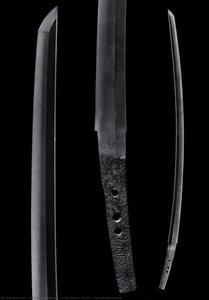
Masatsune Kimura
1827 - 1890 , Japón
Datos clave
- Artistic Movement Or Style: Arte de forjado de espada
- Date Of Birth: Tokyo, Japón
- Full Name: Masatsune Kimura
- Nationality: Japonés
- Notable Artworks: ['Katana Masamune']
- Place Of Birth: Tokio
Artículos relacionados

Monochrome Visions: Exploring the Aesthetic & Historical Significance of Black & White Photography
Explore the rich history & artistic power of black and white photography. From early techniques to iconic masters like Ansel Adams, discover why monochrome continues to captivate art lovers today. Expert insights for collectors.

Beyond the Lens: Photography's Enduring Influence on Modern & Contemporary Art
Explore photography's pivotal role in shaping modern & contemporary art. Discover key movements, influential artists like Stieglitz, and expert collecting advice from ArtsDot.

Pictorialismo: La Búsqueda del Alma de la Fotografía Artística – Estética, Técnicas y Legado
Descubre el Pictorialismo, un movimiento clave en la historia de la fotografía artística. Explora sus técnicas, figuras emblemáticas y su legado perdurable. Guía experta para coleccionistas y amantes del arte.

Witnessing History Through Lens & Light: Documentary Photography's Enduring Legacy
Explore the powerful history of documentary photography – from its origins to contemporary masters like Gordon Parks & W. Eugene Smith. Discover how this art form shapes our understanding of society and witness pivotal moments in time.
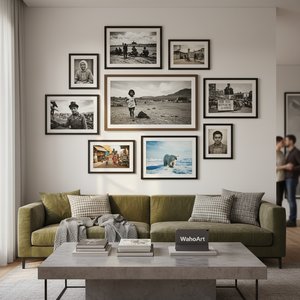
Los 10 Maestros de la Fotografía Documental: Obras que Cambiaron el Arte y la Decoración
Descubre los 10 iconos de la fotografía documental que cambiaron el arte. Explora las historias detrás de obras maestras de Dorothea Lange, Robert Capa y más. Reproducciones de alta calidad para decorar tu hogar con arte atemporal en .

