

 Ver en contexto
 Enviar
 Compartir
 Detalles

 Descargar
 Similares
 Radiografía
 Presentación de diapositivas
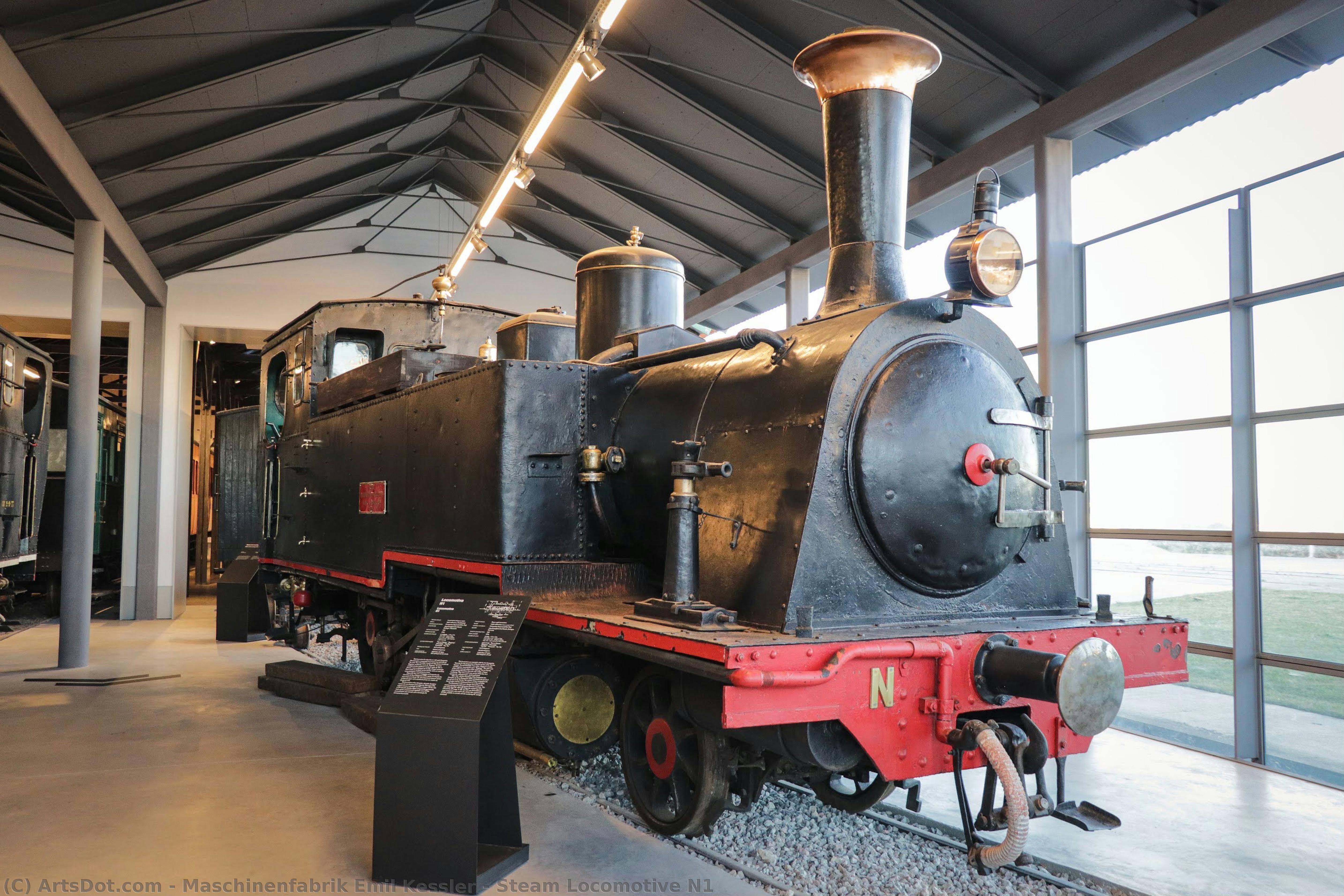
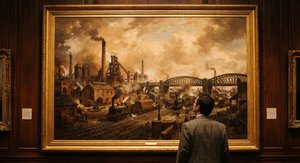
Steam Locomotive N1


 Ver más
Reproducción al óleo hecha a mano
Óleo sobre lienzo pintado a mano en el tamaño y marco de su elección, realizado por encargo por nuestros artistas. ( Comprar impresión Comprar imagen)




































Elija entre nuestros tamaños predefinidos que respetan las proporciones originales de la obra.

Puede ingresar sus propias dimensiones para adaptarse a un marco o espacio específico. Si el tamaño seleccionado no coincide con las proporciones de la imagen original, recortaremos la obra o extenderemos la pintura con elementos adicionales pintados a mano. Se le enviará una maqueta digital para su aprobación antes de comenzar la producción.
Tenga en cuenta que la vista previa en pantalla no refleja el recorte o la extensión reales. Solo la maqueta mostrará con precisión la composición final.
Si bien existen tamaños personalizados, recomendamos seleccionar una dimensión de la lista predefinida para preservar las proporciones originales.
Tras realizar el pedido, el equipo de ArtsDot.com enviará un correo electrónico al cliente para solicitar instrucciones y proporcionarle una vista previa del boceto.
Envío a todo el mundo () en 3-4 semanas en lugar de las 5 semanas estándar. (25 agosto). Sin comprometer la calidad.

Envío exprés gratuito a todo el mundo

Lienzo de lino de alta calidad

Seguro de envío total

Garantía de reembolso de impuestos aduaneros

Garantía de fidelidad cromática exacta

Política de devolución de 60 días (solo por defectos)

Garantía de devolución del 100% del dinero

Descuento por cantidad
 La opción de vidrio solo está disponible en tamaños inferiores a 110 cm.

Steam Locomotive N1
Técnica de reproducción
Dimensiones de la reproducción
-


Precio total final
$ 263
Descripción de la obra
Obras relacionadas
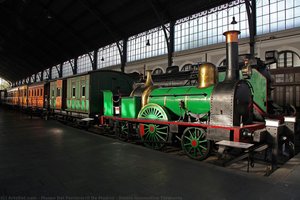
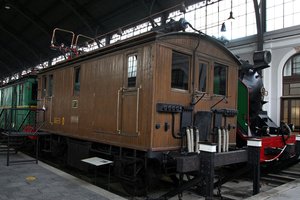
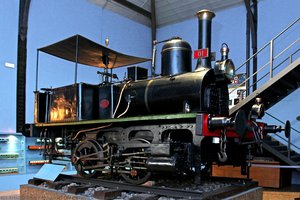
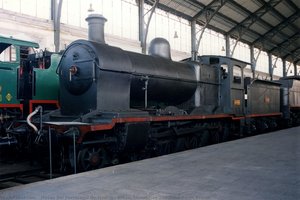
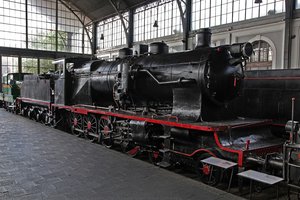
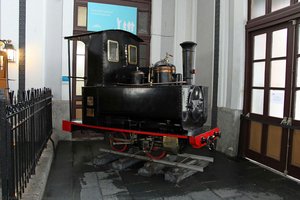
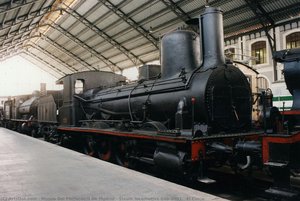
Biografía del artista
Emil Kessler: Pioneer of German Railway Engineering
Emil Julius Carl Kessler (August 20, 1813 – March 16, 1867) stands as a pivotal figure in the annals of German industrial history and railway innovation. Born in Baden-Baden, he embarked on a path that would transform him into not merely a businessman but also the visionary founder of Maschinenfabrik Esslingen—a workshop that irrevocably shaped the trajectory of locomotive manufacturing and contributed significantly to the burgeoning infrastructure of Prussia and Württemberg. His unwavering dedication to technological advancement cemented his place as one of Germany’s foremost engineers, leaving an indelible mark on the nation's industrial landscape.Early Life & Education: The Seeds of Innovation
Kessler’s formative years were characterized by a profound intellectual curiosity and meticulous scholarship. He pursued rigorous academic studies culminating in degrees in constructional and mechanical engineering from Karlsruhe University—a foundation that would prove invaluable for his subsequent endeavors. This grounding in theoretical principles instilled within him an understanding of fundamental forces – knowledge he would later skillfully apply to the practical challenges of locomotive design.The Founding of Maschinenfabrik Esslingen: A Bold Vision
Driven by a fervent desire to liberate German locomotive production from foreign dependence—a sentiment deeply rooted in nationalist aspirations—Kessler partnered with Theodor Martiensen in Stuttgart. Recognizing Württemberg’s burgeoning ambitions within the railway sector, they established Maschinenfabrik Esslingen, leveraging Kessler's prior experience at Karlsruhe’s engineering works. This collaborative spirit fueled a determination to forge an independent path toward industrial progress – a commitment that would define Esslingen’s ethos for decades to come.Innovation & Locomotive Design: Mastering Thermodynamics
From its inception, Maschinenfabrik Esslingen distinguished itself through groundbreaking locomotive designs—most notably the N1 and E55 classes—which embodied a steadfast dedication to efficiency and reliability. Kessler's meticulous attention to detail and his profound comprehension of thermodynamics propelled Esslingen to the forefront of technological advancement. These locomotives weren’t simply machines; they were embodiments of Kessler’s intellectual prowess – meticulously crafted instruments designed to harness the power of steam with unparalleled precision.Royal Patronage & Expansion: Shaping Prussia’s Industrial Landscape
The Württemberg Royal Railway Commission swiftly recognized Esslingen's capabilities, awarding it lucrative contracts for locomotive construction and ambitious railway infrastructure projects. This royal endorsement fueled exponential growth—solidifying Esslingen’s position as a cornerstone of Prussia’s industrial landscape and propelling Kessler’s vision toward realization. The success of these endeavors underscored the importance of governmental support in fostering innovation and bolstering national economic strength.The Birth of the N1 Locomotive & Its Impact: A Legacy Enduring Through Time
Perhaps Kessler's most enduring legacy resides in the development of the N1 locomotive—a masterpiece of engineering that debuted in 1841. Commissioned by the Grand Duchy of Baden State Railway, this engine represented a triumph of innovation and symbolized Württemberg’s determination to establish its own railway industry. Its streamlined design and powerful performance established Esslingen as a leader in locomotive technology and cemented Kessler's reputation as a visionary engineer—a testament to his ability to transform theoretical knowledge into tangible progress. ### A Remembrance Forged in Steel & Steam Emil Kessler died unexpectedly in Esslingen am Neckar on March 16, 1867, succumbing to a heart attack—a tragic end for a man who had devoted his life to advancing the art of engineering and shaping the future of German railways. His contributions continue to inspire admiration within the engineering community and serve as a testament to the transformative power of vision and perseverance. He remains an emblem of German ingenuity – a figure whose legacy continues to resonate through the annals of industrial history.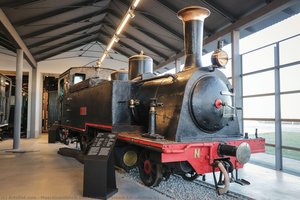
Emil Kessler Maschinenfab
1813 - 1867 , Alemania
Datos clave
- Artistic Movement Or Style: Industrial Design
- Artists Or Movements Influenced By This Artist: ['Victor Huster']
- Artists Who Influenced This Artist: ['Ludwig Keßler']
- Date Of Birth: August 20, 1813
- Date Of Death: March 16, 1867
- Full Name: Emil Julius Carl Kessler
- Nationality: German
- Notable Artworks: ['Badenia Steam Locomotive']
- Place Of Birth: Baden-Baden, Germany
Artículos relacionados

Monochrome Visions: Exploring the Aesthetic & Historical Significance of Black & White Photography
Explore the rich history & artistic power of black and white photography. From early techniques to iconic masters like Ansel Adams, discover why monochrome continues to captivate art lovers today. Expert insights for collectors.

Beyond the Lens: Photography's Enduring Influence on Modern & Contemporary Art
Explore photography's pivotal role in shaping modern & contemporary art. Discover key movements, influential artists like Stieglitz, and expert collecting advice from ArtsDot.

Pictorialismo: La Búsqueda del Alma de la Fotografía Artística – Estética, Técnicas y Legado
Descubre el Pictorialismo, un movimiento clave en la historia de la fotografía artística. Explora sus técnicas, figuras emblemáticas y su legado perdurable. Guía experta para coleccionistas y amantes del arte.
Arte Industrial: 10 Obras Maestras para un Hogar con Carácter | ArtsDot.com
Descubre 10 obras maestras que capturan la esencia del arte industrial. Explora la historia de Van Gogh, Hopper y Klimt, sus técnicas y paletas. Encuentra lienzos perfectos para un hogar con carácter en ArtsDot.com.

Witnessing History Through Lens & Light: Documentary Photography's Enduring Legacy
Explore the powerful history of documentary photography – from its origins to contemporary masters like Gordon Parks & W. Eugene Smith. Discover how this art form shapes our understanding of society and witness pivotal moments in time.

