

 Ver en contexto
 Enviar
 Compartir
 Detalles

 Descargar
 Similares
 Radiografía
 Presentación de diapositivas
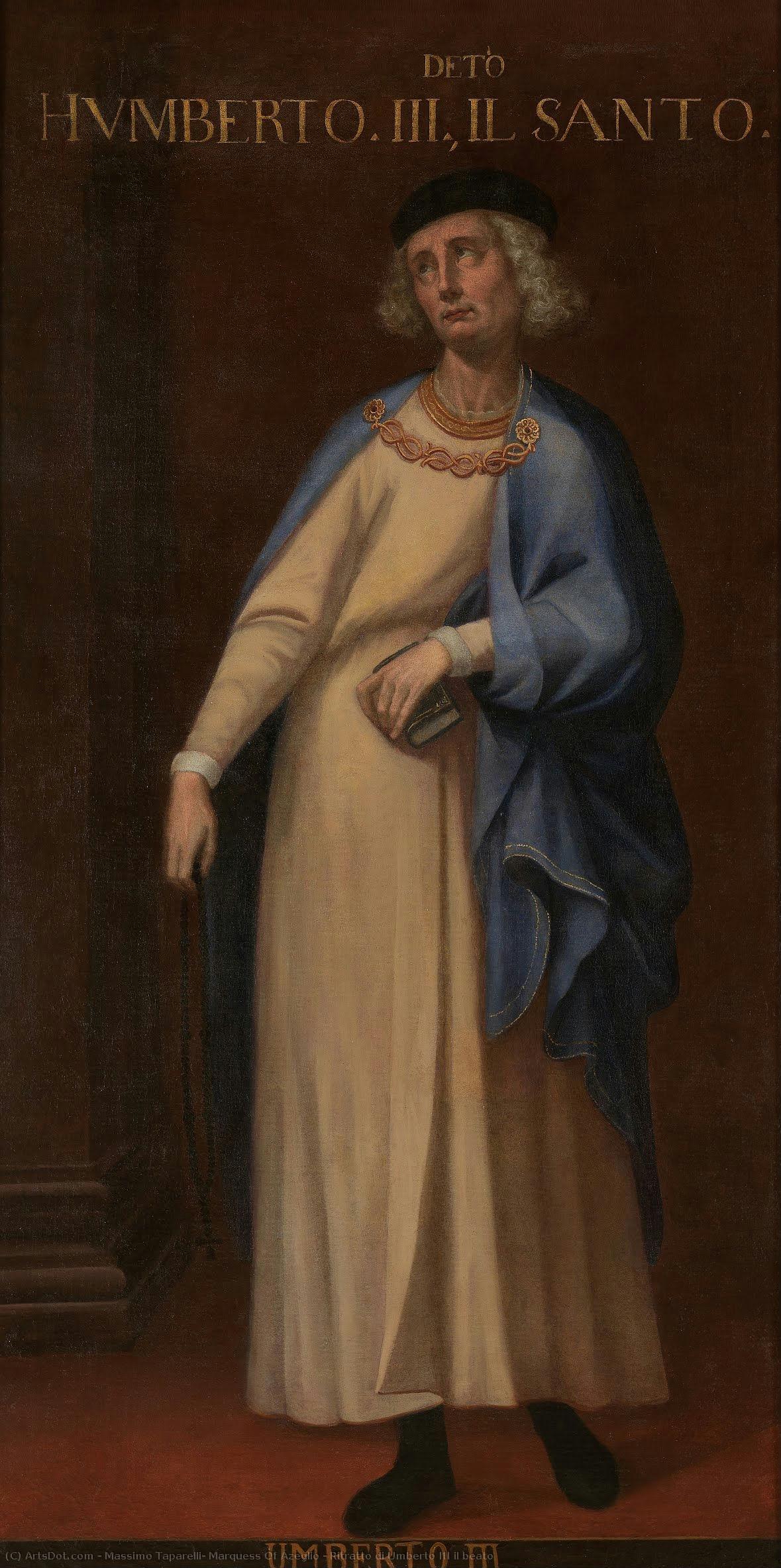
Ritratto di Umberto III il beato
 Acrylic On Canvas
- WallArt
- Baroque Painting
 1700
1700 117.0 x 202.0 cm
 Palacio Real de Venaria
 Ver más
Adquiera una imagen digital de alta resolución y optimizada, muy superior a la vista previa en línea.
Cada archivo es preparado meticulosamente por nuestros especialistas internos mediante el uso de herramientas avanzadas y un experto retoque manual. Nos aseguramos de que cada imagen posea una claridad excepcional, una precisión cromática impecable y un detalle minucioso.
El archivo final se entrega por correo electrónico en un plazo de 72 horas, optimizado para su uso inmediato en entornos profesionales, editoriales y de impresión. Esta es la misma calidad en la que confían los estudios de diseño, las editoriales y las galerías de primer nivel.
Imagen Digital
Descarga un archivo de alta resolución para exhibición personal, impresión y proyectos creativos. ( Comprar impresión Comprar pintura hecha a mano)
Incluido en cada pedido de imágenes digitales
Entrega digital experta, garantizada.
Al elegir ArtsDot.com, no solo está adquiriendo una imagen; está recibiendo una obra de arte digital mejorada profesionalmente, elaborada con precisión y respaldada por una garantía de satisfacción. Esto es todo lo que incluye su pedido, automáticamente:

Entrega rápida por email
Recibirá su archivo de imagen digital en alta resolución por correo electrónico en un plazo de 72 horas tras realizar su pedido, listo para su uso inmediato.

Archivo digital optimizado por IA
Su obra de arte se optimiza profesionalmente mediante herramientas avanzadas de IA y edición manual, garantizando el máximo detalle, claridad y precisión cromática.

Reenvío gratuito de por vida
¿Has borrado o perdido tu archivo por error? No te preocupes: te lo volveremos a enviar en cualquier momento, sin coste adicional.

Sin gastos de importación, siempre
Disfrute de su obra de arte al instante sin aduanas, aranceles ni gastos de envío; las descargas digitales siempre están libres de impuestos.

Garantía de fidelidad de color
Garantizamos que su imagen digital refleje los colores originales con la mayor fidelidad posible, mediante el uso de herramientas profesionales y gestión del color.

Garantía de satisfacción de 60 días
Si no está satisfecho con su imagen digital, la revisaremos o le reembolsaremos el 100% en un plazo de 60 días, sin preguntas.

100% Garantía de devolución de dinero
¿No está satisfecho? Obtenga un reembolso completo dentro de los 60 días posteriores a la recepción de su archivo digital, sin necesidad de explicaciones.

Descuentos por pedidos grandes
Compra 3 imágenes, ahorra 10% - Compra 5, ahorra 15% - Compra 10+, ahorra 20%. Ideal para proyectos creativos, galerías y agencias.
Descripción del coleccionable
Ritratto di Umberto III il Beato: A Window into Piedmontese Grandeur
Massimo Taparelli d’Azeglio’s “Ritratto di Umberto III il Beato” – or, as it’s often referred to, “Portrait of Blessed Humbert III” – is more than just a likeness; it's a meticulously crafted window into the political and artistic landscape of 18th-century Piedmont. Painted around 1700, this oil on canvas work resides within the collection of La Venaria Reale, a magnificent royal palace near Turin, Italy, and offers a rare glimpse into the aspirations and sensibilities of a region poised to become a cornerstone of modern Italy. The painting depicts Humbert III, the Prince of Piedmont, not as a warrior or conqueror – a common subject in portraiture of the era – but as a figure imbued with quiet dignity and contemplative grace.
Taparelli’s style is distinctly Baroque, reflecting the artistic currents prevalent throughout Europe at the time. He masterfully employs chiaroscuro—the dramatic interplay of light and shadow—to sculpt the Prince's form and imbue the scene with a sense of depth and realism. Note the subtle gradations in tone, particularly around the folds of his robe and the delicate rendering of his hands resting upon his lap. The artist’s attention to detail is remarkable; from the intricate embroidery on the garment to the texture of the velvet, every element contributes to a palpable sense of luxury and refinement. The background, rendered with atmospheric perspective, subtly suggests the grandeur of the Prince's court – a vast, shadowed space hinting at wealth and power.
Symbolism and Political Context
Beyond its technical brilliance, “Ritratto di Umberto III il Beato” is deeply embedded within the political context of Piedmont. The portrait was commissioned during a period of significant change and ambition for the region, as it sought to assert itself as a leading force in Italy. Humbert III, though not a particularly prominent figure historically, became a symbol of Piedmontese identity – a representation of stability, wisdom, and the potential for greatness. The pose itself—seated, composed, and looking downward—conveys an air of authority and introspection, suggesting a ruler deeply engaged with his responsibilities.
Furthermore, the painting’s creation coincided with the rise of the Baroque style in Italy, which was closely linked to the Counter-Reformation. The emphasis on religious iconography and moral virtue – evident in Humbert III's serene expression – reflects this broader cultural shift. The portrait served not only as a visual representation of the Prince but also as a subtle assertion of Piedmont’s commitment to traditional values and its role within the wider European order.
A Masterpiece of Light and Emotion
What truly elevates “Ritratto di Umberto III il Beato” is its ability to evoke a profound sense of emotion. Despite the formality of the subject matter, Taparelli captures something deeply human – a quiet dignity, a hint of melancholy, and an underlying strength. The subtle curve of the Prince’s lips, the gentle slope of his brow, all contribute to a portrait that transcends mere likeness and becomes a powerful meditation on human nature. The soft lighting creates a warm, inviting atmosphere, drawing the viewer into the scene and fostering a sense of connection with the subject.
Reproductions of this work offer an exceptional opportunity to bring thiso remarkable piece of Italian art into your home or office. The rich colors, intricate details, and evocative symbolism will undoubtedly add a touch of elegance and sophistication to any space. Consider it not just as a painting, but as a tangible link to the history and artistic heritage of Piedmont – a testament to the enduring power of beauty and human expression.
Technical Details & Reproduction Considerations
The original “Ritratto di Umberto III il Beato” measures 117 x 202 cm (approximately 46 x 80 inches) and was created using oil paints on canvas. It’s a prime example of the Baroque style, characterized by its dramatic use of light and shadow, rich colors, and meticulous attention to detail. When commissioning a reproduction, it's crucial to select a high-quality print that accurately captures the painting’s original textures and tonal range. ArtsDot offers custom reproductions in various sizes, ensuring that you can enjoy this masterpiece in your own space.
The choice of size will significantly impact the overall effect. Larger reproductions will emphasize the painting's grandeur and detail, while smaller versions offer a more intimate viewing experience. We recommend consulting with an art specialist to determine the optimal size for your intended use – whether it’s for a formal living room or a personal study.
Obras relacionadas

Biografía del artista
Massimo Taparelli d'Azeglio: Una Vida de Estadismo, Literatura y Arte
- Nacido: Turín, Italia (1798)
- Fallecido: 1866
Massimo Taparelli d’Azeglio, comúnmente conocido como Massimo d'Azeglio, fue una figura notable del siglo XIX en Italia. Sirvió como estadista piemontés-italiano, novelista y pintor, encarnando las complejidades de su época. Su vida abarcó importantes transiciones políticas, desde el período napoleónico hasta la unificación de Italia, dejando una huella indeleble en la historia italiana a través de sus contribuciones en múltiples campos.
Primeros Años y Aspiraciones Artísticas
Nacido en una familia noble piemontesa en Turín en 1798, la vida temprana de Massimo d'Azeglio estuvo moldeada tanto por el privilegio aristocrático como por una naciente sensibilidad artística. Tras una breve comisión militar, desafió las expectativas de su familia conservadora dedicándose a la pintura. Pasó varios años en Roma, estudiando bajo Martin Verstappen e inmersiéndose en el paisaje romano. Sus primeras obras reflejaban un estilo del siglo XVIII persistente con meticuloso detalle, evidente en paisajes como "Bosque y Claro, Colinas Albanas". D’Azeglio buscó infundir su arte con sentimiento patriótico, experimentando con escenas históricas y narrativas heroicas, como se ve en “La Muerte de Montmorency”. A pesar de lograr cierto reconocimiento como pintor, gradualmente trasladó su enfoque hacia la literatura.
Contribuciones Literarias y Despertar Político
La carrera literaria de D’Azeglio comenzó con fuerza después de mudarse a Milán. Se convirtió en parte del vibrante círculo intelectual de la ciudad y se casó con Chiara Manzoni, hija del renombrado novelista Alessandro Manzoni. Inspirado por Manzoni, d’Azeglio escribió dos novelas históricas: *Niccolò dei Lapi* (1833) y *Ettore Fieramosca* (1841). Estas obras, escritas en imitación de Walter Scott, pretendían evocar el patriotismo italiano y resaltar las luchas contra la dominación extranjera. Su conciencia política se profundizó a través del influyente trabajo de su primo Cesare Balbo, *Delle speranze d'Italia*. Esto lo llevó a involucrarse activamente en la política, escribiendo panfletos como *Degli ultimi casi di Romagna* (1846), que abogaba por el liderazgo piemontés en el movimiento nacional italiano.
Primer Ministro y Reformas Políticas
La agitación política de la década de 1840 impulsó a d’Azeglio a una posición prominente. Tras la abdicación de Carlos Alberto, se convirtió en Primer Ministro de Cerdeña en 1849. Su mandato se caracterizó por un liderazgo pragmático y un compromiso con la consolidación del sistema parlamentario. Aseguró la aceptación de su papel constitucional por parte del rey Víctor Manuel II y negoció un tratado de paz con Austria. D’Azeglio implementó importantes reformas, incluido el libre ejercicio de la religión, el apoyo a la educación pública y los esfuerzos para limitar el poder del clero. Reconoció la creciente estrella política de Camillo Cavour, invitándolo a su ministerio en 1850. Sin embargo, las discrepancias políticas finalmente llevaron a la renuncia de d'Azeglio en 1852, allanando el camino para la ascensión de Cavour.
Legado y Significado Histórico
A pesar de renunciar al poder, Massimo d'Azeglio siguió siendo una figura significativa en la política italiana. Continuó abogando por la reconciliación entre el Vaticano y el recién unificado Reino de Italia. Sus contribuciones como estadista, novelista y pintor consolidaron su lugar en la historia italiana. El enfoque moderado de D’Azeglio a la reforma política y su compromiso con los principios constitucionales ayudaron a sentar las bases para la unificación de Italia. Sus obras literarias fomentaron un sentido de identidad nacional, mientras que sus esfuerzos artísticos demostraron una temprana exploración de la pintura paisajística romántica en Piamonte. Sus memorias publicadas póstumamente, *I miei ricordi*, brindan valiosas perspectivas sobre las complejidades de la política y la sociedad italiana del siglo XIX.
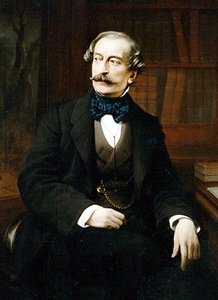
Massimo Taparelli d'Azeglio
1798 - 1866 , Italia
Breves datos
- Artistas Que Influyeron:
- Alessandro Manzoni
- Walter Scott
- Fecha De Fallecimiento: 15 de enero de 1866
- Fecha De Nacimiento: 24 de octubre de 1798
- Lugar De Nacimiento: Turín, Italia
- Movimiento Artístico: Romanticismo
- Nacionalidad: Italiano
- Nombre Completo: Massimo Taparelli d'Azeglio
- Obras Notables:
- Bosque y claro del Alban Hills
- La muerte de Montmorency
- El duelo de Barletta

